How Do You Make Pulled Pork In The Oven At Your Home
Making pulled pork in the oven is easier than you think. This guide walks you through every step, from choosing the right pork shoulder to shredding and serving. You will learn the best oven temperature, cooking time, rub recipes, and pro tips for fall-off-the-bone tender pulled pork. Whether you are a beginner or a seasoned griller, this homemade pulled pork recipe delivers restaurant-quality results right in your kitchen.
There is something magical about pulled pork in the oven. It fills your kitchen with a smoky, savory aroma that makes everyone gather around the counter. Best of all, you do not need a smoker or a fancy grill to get amazing results. A regular home oven does all the heavy lifting for you.
If you have ever wondered how to make tender, juicy homemade pulled pork without spending hours outside tending a fire, you are in the right place. This guide covers everything from selecting the meat to the final shred. You will learn the best oven temperature for pulled pork, how to build a flavor-packed rub, and the exact cooking time you need. By the end, you will feel confident enough to make this dish for your next family dinner or weekend gathering.
Pulled pork in the oven is one of the most forgiving recipes out there. Even if you are new to cooking large cuts of meat, this method is hard to mess up. The low heat breaks down the connective tissue slowly, turning a tough pork shoulder into something buttery and tender. Let us dive into the full process step by step.
Key Takeaways
- Low and slow is the key: Cooking pork shoulder at 225°F to 250°F for 8 to 12 hours creates the most tender oven-braised pulled pork.
- A simple dry rub goes a long way: Brown sugar, paprika, garlic powder, and salt form the base of a flavorful pork rub.
- Use a meat thermometer: Internal temperature of 195°F to 205°F ensures the meat is properly cooked and easy to shred.
- Resting matters: Letting the pork rest for 30 minutes keeps the juices locked in for moist, flavorful shredded pork.
- Homemade barbecue sauce elevates the dish: A quick stovetop sauce adds depth and tang to your BBQ pulled pork.
- Pork butt is the best cut: Also called pork shoulder, it has the right fat content for oven-baked pulled pork.
📑 Table of Contents
- What You Need to Make Pulled Pork in the Oven
- Preparing the Pork Shoulder for the Oven
- The Best Oven Temperature and Cooking Time
- Building Flavor with Rubs and Sauces
- How to Shred and Serve Pulled Pork
- Common Mistakes to Avoid
- Expert Tips for Perfect Pulled Pork Every Time
- Frequently Asked Questions
- Final Thoughts
What You Need to Make Pulled Pork in the Oven
Before you start, gather your ingredients and tools. Having everything ready makes the process smooth and enjoyable. Here is what you need for a classic oven-baked pulled pork recipe.
The Right Cut of Pork
The star of any pulled pork recipe is the pork shoulder. This cut is also called pork butt or Boston butt. Do not let the name confuse you. Pork butt comes from the shoulder area and has the perfect amount of fat and connective tissue for slow cooking.
You want a bone-in or boneless pork shoulder that weighs between 6 and 10 pounds. A larger cut gives you more flexibility with timing, and the fat cap keeps the meat moist throughout the long cook. Look for a piece with good marbling and a nice layer of fat on one side.
If you cannot find pork shoulder, pork blade roast or pork picnic shoulder also work well. These cuts have similar fat content and respond beautifully to low and slow oven cooking. Avoid lean cuts like pork tenderloin for this recipe. They will dry out quickly in the oven.
Essential Ingredients for the Rub
A great pork rub is what separates good pulled pork from great pulled pork. The dry mixture coats the meat and forms a flavorful crust during cooking. Here are the core ingredients you need:
- Brown sugar for sweetness and caramelization
- Paprika for color and a mild smoky flavor
- Garlic powder for savory depth
- Onion powder for a subtle sweetness
- Smoked paprika to mimic that classic smoker flavor
- Cumin for a warm, earthy note
- Salt and black pepper as the foundation
- Chili powder for a gentle kick
You can adjust these ratios to match your taste. Some people like a sweeter rub with more brown sugar. Others prefer a spicier blend with extra chili powder. The beauty of making pulled pork in the oven is that you control every flavor element.
Tools You Will Need
You do not need a lot of fancy equipment for oven-braised pork. A few basic tools will get the job done perfectly:
- A large roasting pan or Dutch oven
- Heavy-duty aluminum foil
- A reliable meat thermometer
- Two large forks for shredding
- A baking sheet or rimmed pan for catching drips
The meat thermometer is the most important tool here. It takes the guesswork out of cooking and ensures your oven temperature for pulled pork hits the sweet spot every time.
Preparing the Pork Shoulder for the Oven
Proper preparation sets the stage for a perfect homemade pulled pork result. Take your time with this step, as it directly impacts the final flavor and texture.
Trimming the Fat
Start by removing the pork shoulder from the refrigerator about one hour before cooking. Letting it come to room temperature helps it cook more evenly. While you wait, trim the fat cap to about a quarter-inch thickness.
Do not remove all the fat. That outer layer acts as a natural barrier and keeps the meat moist during the long cook. You just want to trim away any thick, hard chunks that will not render down properly. A sharp knife makes this task quick and easy.
Applying the Dry Rub
Now comes the fun part. Mix all your dry rub ingredients together in a small bowl. Pat the pork shoulder dry with paper towels. This helps the rub stick better to the surface.
Generously coat the entire pork shoulder with the rub. Press it into the meat with your hands. Make sure you cover every side, including the edges. The more even your coating, the more consistent the flavor will be.
For the best results, wrap the rubbed pork in plastic wrap and refrigerate it overnight. This gives the flavors time to penetrate deep into the meat. If you are short on time, even 30 minutes of resting at room temperature makes a noticeable difference.
Setting Up the Pan
Place a rack inside your roasting pan. Set the rubbed pork shoulder on the rack with the fat cap facing up. This position allows the fat to baste the meat as it renders down during cooking. If you do not have a rack, you can place the pork directly in the pan, but a rack promotes more even cooking.
Add about one cup of liquid to the bottom of the pan. Apple cider vinegar, chicken broth, or even beer all work well. This liquid creates steam that keeps the oven environment moist and prevents the meat from drying out. It also makes cleanup easier by preventing burnt drippings.
The Best Oven Temperature and Cooking Time
Getting the oven temperature for pulled pork right is the single most important factor in your success. Low and slow is the golden rule for oven-baked pulled pork. Here is exactly what you need to know.
Ideal Oven Temperature
Set your oven to 225°F or 250°F. Both temperatures work well, but they produce slightly different results. A 225°F oven takes longer but renders more fat and creates a deeper, more concentrated flavor. A 250°F oven cooks a bit faster while still delivering tender, shreddable meat.
For most home cooks, 250°F is the sweet spot. It balances cooking time with flavor development. Avoid going above 300°F. Higher temperatures will cook the meat too quickly, resulting in dry, tough shredded pork instead of the tender, juicy texture you want.
How Long to Cook Pulled Pork in the Oven
Cooking time depends on the size of your pork shoulder. As a general rule, plan for about 1.5 to 2 hours per pound at 250°F. Here is a quick reference:
- 6-pound pork shoulder: 9 to 12 hours
- 8-pound pork shoulder: 12 to 16 hours
- 10-pound pork shoulder: 15 to 20 hours
These times are estimates. The real indicator of doneness is the internal temperature, not the clock. Always rely on your meat thermometer to tell you when the pork is ready.
The Importance of the Internal Temperature
Your oven-braised pork is done when the internal temperature reaches 195°F to 205°F. At this range, the collagen in the meat has fully broken down, and the fibers separate easily with a fork.
Insert the thermometer into the thickest part of the shoulder, avoiding any bones. Check the temperature every hour or so after the meat has been cooking for several hours. Once you hit 195°F, start checking every 30 minutes. The difference between good and great pulled pork in the oven comes down to those final degrees.
Using the Foil Wrap Method
Many experienced cooks use the foil wrap technique to speed up cooking and keep moisture locked in. After the pork has been in the oven for about 4 to 5 hours and has developed a nice bark, carefully wrap it in heavy-duty aluminum foil.
The foil creates a sealed environment that traps steam and heat. This pushes the internal temperature up faster and keeps the meat incredibly juicy. Some people call this the “Texas crutch,” and it works wonders for oven-baked pulled pork.
Remove the foil during the last hour of cooking if you want a crispier exterior. This lets the surface dry out slightly and develop a deeper, more flavorful bark. It is a small step that makes a big difference in the final presentation.
Building Flavor with Rubs and Sauces
While the rub does most of the heavy lifting during the cook, the finishing sauce adds a layer of complexity that takes your BBQ pulled pork to the next level.
Making a Simple Homemade Barbecue Sauce
Store-bought sauce works in a pinch, but a homemade version tastes infinitely better. A basic barbecue sauce for pulled pork balances sweet, tangy, and smoky flavors. Here is a quick recipe:
- 1 cup ketchup
- 1/4 cup apple cider vinegar
- 2 tablespoons brown sugar
- 1 tablespoon Worcestershire sauce
- 1 teaspoon smoked paprika
- 1 teaspoon garlic powder
- Salt and pepper to taste
Combine all ingredients in a saucepan over medium heat. Simmer for 10 to 15 minutes until the sauce thickens slightly. Brush it onto the pork during the last 30 minutes of cooking, or serve it on the side for dipping.
Feel free to experiment with different sauce styles. A Carolina-style vinegar sauce adds brightness, while a Kansas City-style tomato-based sauce brings richness. The flexibility of making pulled pork in the oven at home means you can tailor everything to your family’s preferences.
Adding Wood Chips for a Smoky Flavor
Want to replicate that classic smoker taste in your oven? Soak wood chips in water for 30 minutes, then wrap them in aluminum foil with a few holes poked in the top. Place the foil packet on the bottom rack of the oven during the first hour of cooking.
Hickory and applewood chips are popular choices for BBQ pulled pork. Hickory gives a strong, traditional smoke flavor, while applewood adds a milder, slightly sweet note. Mesquite works well too but can be overpowering if you use too much.
This trick adds a subtle smoky dimension to your homemade pulled pork without requiring an outdoor smoker. It is a simple addition that elevates the entire dish.
How to Shred and Serve Pulled Pork
The moment you have been waiting for has arrived. Shredding the pork is satisfying and fun, and it is where all your patience pays off.
Resting the Meat
Once the oven-braised pork reaches the target internal temperature, remove it from the oven. Let it rest for at least 30 minutes before shredding. This resting period allows the juices to redistribute throughout the meat, resulting in a more moist and flavorful final product.
Do not skip this step. Cutting into the pork immediately after cooking releases all the juices at once, leaving you with drier shredded pork. A little patience goes a long way toward the best results.
Shredding Techniques
Transfer the pork to a large cutting board or a deep bowl. Use two forks to pull the meat apart in opposite directions. The pork should separate easily along the natural grain, creating long, tender strands.
If the meat is not shredding easily, it needs more cooking time. Return it to the oven for another 30 minutes and check the temperature again. Sometimes the shoulder needs to reach 210°F or even 215°F for the most effortless shredding.
Another option is to use two forks to twist and pull the meat apart while it is still in the pan. This method catches any juices and rendered fat in the pan, which you can drizzle over the shredded meat for extra flavor.
Serving Suggestions
Pulled pork in the oven is incredibly versatile. Here are some popular ways to serve it:
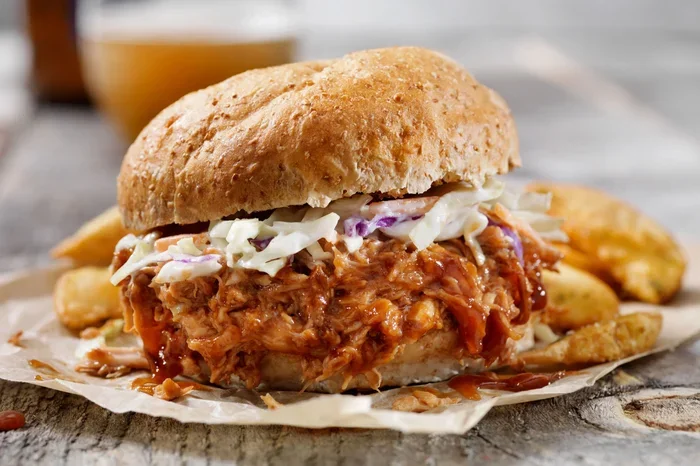
- Pulled pork sandwiches: Pile the meat onto soft brioche buns with coleslaw and your favorite sauce
- Pulled pork tacos: Serve in warm tortillas with pickled onions and fresh cilantro
- Pulled pork nachos: Load tortilla chips with pork, cheese, jalapeños, and sour cream
- Pulled pork bowl: Serve over rice with black beans, corn, and avocado
- Plain with sides: Pair with mac and cheese, collard greens, or cornbread
No matter how you serve it, homemade oven-baked pulled pork always impresses. It is the kind of dish that brings people together and makes you the star of any gathering.
Common Mistakes to Avoid
Even with a great recipe, small mistakes can affect your final result. Here are the most common pitfalls when making pulled pork in the oven and how to avoid them.
Skipping the Thermometer
guessing when the pork is done leads to either undercooked or overcooked meat. A meat thermometer is your best friend. Invest in a reliable instant-read or leave-in probe thermometer, and use it consistently.
Cooking at Too High a Temperature
It is tempting to turn up the heat to save time. Resist that urge. High temperatures toughen the protein fibers before the collagen has a chance to break down. The low and slow approach is non-negotiable for tender oven-baked pulled pork.
Not Letting the Meat Rest
Rushing the resting period is one of the most common mistakes. The meat continues to cook slightly after you remove it from the oven, and the juices need time to settle. Give it at least 30 minutes, and you will notice a big difference in moisture and flavor.
Using Too Much Rub
While a generous coating of pork rub is important, too much can create an overly salty or overly sweet crust. Follow the recipe ratios, and adjust in future batches based on your taste preferences.
Forgetting to Add Liquid to the Pan
The liquid in the bottom of the pan serves multiple purposes. It creates steam, prevents drippings from burning, and adds moisture to the cooking environment. Skipping this step can result in drier shredded pork and a messier oven.
Expert Tips for Perfect Pulled Pork Every Time
Take your homemade pulled pork to the next level with these professional tips that experienced pitmasters swear by.
Brine Overnight for Extra Juiciness
Brining the pork shoulder overnight in a saltwater solution adds extra moisture and seasoning deep into the meat. A simple brine of 1/4 cup salt per 4 cups of water works wonders. After brining, pat the meat dry and apply your rub as usual. This extra step takes minimal effort but delivers noticeably juicier results.
Save the Pan Juices
The liquid that collects in the roasting pan after cooking is liquid gold. It is packed with rendered fat, dissolved proteins, and concentrated flavor. Strain it and use it as a base for gravy, or stir it into your barbecue sauce for an extra layer of richness.
Make Ahead and Freeze
Pulled pork in the oven freezes beautifully. Cook a large batch, let it cool, and store it in airtight containers or freezer bags. It keeps for up to 3 months in the freezer. Reheat gently on the stovetop or in the microwave with a splash of broth to keep it moist.
Experiment with Different Wood Flavors
Once you master the basic oven-braised pork technique, start experimenting with different wood chip flavors. Cherry wood adds a fruity sweetness, pecan offers a nutty richness, and mesquite delivers a bold, earthy punch. Each wood creates a slightly different flavor profile that can transform your dish.
Frequently Asked Questions
Can I make pulled pork in the oven without a Dutch oven?
Absolutely. A standard roasting pan works perfectly for pulled pork in the oven. If you do not have a rack, you can place the pork directly in the pan. Just add liquid to the bottom to create steam and prevent the meat from drying out. A Dutch oven is nice because it retains heat well, but it is not required.
What is the best wood chip flavor for oven-baked pulled pork?
Hickory is the most popular choice for BBQ pulled pork because it delivers a strong, classic smoky flavor. Applewood is a great alternative if you prefer something milder and slightly sweet. Soak your chips for at least 30 minutes before using them, and place the foil packet on the bottom rack during the first few hours of cooking.
How do I know when pulled pork is done in the oven?
The internal temperature is your best guide. When the pork shoulder reaches 195°F to 205°F, the collagen has broken down and the meat will shred easily with a fork. Another sign is when the meat feels jiggly and a fork slides in with almost no resistance. Do not rely solely on cooking time, as oven variations and meat thickness affect the process.
Can I use a leaner cut of pork for pulled pork in the oven?
It is not recommended. Lean cuts like pork loin or tenderloin lack the fat and connective tissue needed for slow oven cooking. They will dry out quickly and produce tough, stringy results. Stick with pork shoulder or pork butt for the best texture and flavor in your homemade pulled pork.
How do I reheat leftover pulled pork without drying it out?
The best way to reheat shredded pork is in a covered skillet on low heat with a splash of broth, apple juice, or barbecue sauce. The steam keeps the meat moist. You can also reheat it in the oven at 250°F covered with foil. Avoid microwaving if possible, as it tends to make the meat rubbery and unevenly heated.
Is pulled pork in the oven the same as using a slow cooker?
The end result is similar, but the techniques differ. Oven cooking gives you a better bark on the outside of the meat because of the dry heat and longer exposure to air circulation. Slow cookers are more convenient and hands-off, but they produce a softer exterior. Both methods create delicious oven-braised pork or slow-cooked pulled pork, so choose the method that fits your schedule and preferences.
Final Thoughts
Making pulled pork in the oven at home is one of the most rewarding things you can cook. It requires patience, but the process is simple and forgiving. From selecting the right pork shoulder to applying your favorite rub, every step builds toward that perfect moment when the meat falls apart at the touch of a fork.
Remember the key principles: keep the oven temperature low, cook long enough for the collagen to break down, use a meat thermometer to track doneness, and always let the meat rest before shredding. These fundamentals apply whether you are making your first batch or your fiftieth.
The beauty of homemade pulled pork is that you can customize every element to your liking. Adjust the rub, try different sauces, experiment with wood chips, and find your own signature style. Once you master this technique, you will never go back to store-bought or restaurant versions again.
So fire up your oven, grab a pork shoulder, and give it a try. Your kitchen will smell incredible, and your family and friends will be impressed with the results. Pulled pork in the oven is more than just a recipe. It is a cooking experience that brings people together and fills the house with the mouthwatering aroma of real barbecue.