How Long To Bake Crab Legs In Oven At 400 Perfectly
Learning how long to bake crab legs in oven at 400 is simple and rewarding. This guide provides exact cooking times for both frozen and fresh crab legs. You will discover the best temperature, step-by-step instructions, and tips for juicy, delicious seafood. Perfect your oven-baked crab recipe today!
There is nothing quite like a beautiful plate of baked crab legs sitting on your dinner table. Whether you are preparing a seafood dish for a special holiday dinner or just craving a delicious meal, crab legs always hit the spot. Many people wonder about the best way to cook this incredible seafood at home. Boiling is a classic choice, but it is not the only option available to you.
While steaming and boiling are popular methods, using your oven offers a unique, hands-off approach. Baking gives the crab a lovely, slightly caramelized flavor that you just cannot get from a pot of water. If you are looking for the exact cooking time, you have come to the right place. We are going to walk you through everything you need to know. Let us dive into the world of oven-baked crab and make your next meal a total success.
Key Takeaways
- Perfect Timing: Bake frozen crab legs for 25 minutes and thawed legs for 15 minutes at 400°F.
- Ideal Temperature: 400°F is the sweet spot for tender, juicy crab legs without overcooking.
- Easy Prep: Always thaw frozen legs first for even cooking and better flavor absorption.
- Don’t Overcook: Check for an internal temperature of 145°F to ensure perfect doneness.
- Flavor Boost: Use melted butter, lemon, and garlic to enhance your oven-baked seafood.
- Avoid Foil Trapping: Skip the foil if you want a slightly crispier exterior on your baked crab legs.
📑 Table of Contents
What Is The Perfect Temperature For Baking Crab Legs?
Getting the oven temperature right is the first step to perfect oven-baked seafood. When you ask how long to bake crab legs in oven at 400, you are really asking about the ideal heat setting. A high oven temperature cooks the crab quickly without drying it out. You want the heat to penetrate the shell gently, warming the meat inside without turning it into rubber.
Why 400 Degrees Is The Sweet Spot
Setting your oven to 400°F creates the perfect balance for your crab legs. The high heat quickly warms the frozen crab legs or fresh crab legs through. It also helps the outside of the shell get a little warm and toasty. This temperature ensures the meat stays juicy and tender. You do not want a low temperature that steams the crab inside its shell, making it soggy. A hot oven is your best friend when making this seafood dish. It seals in the natural flavors beautifully.
Oven Types And Heat Distribution
Keep in mind that every oven is different. A convection oven will cook food faster than a standard conventional oven. If you have a convection setting, you might want to drop the temperature down to 375°F. This small adjustment helps prevent the delicious crab from cooking too fast. Always know your oven’s hot spots to ensure even cooking time for all your seafood dish needs. Rotating the baking sheet halfway through is also a great trick. This ensures every crab leg gets the same amount of heat. Whether you have a gas or electric oven, 400°F remains a reliable standard.
Exactly How Long To Bake Crab Legs In Oven At 400
The cooking time depends mainly on whether your crab legs are frozen or thawed. Understanding this difference is crucial for a great crab leg recipe. Nobody wants to serve cold centers or tough, overcooked meat. Let us break down the exact times so you know exactly what to expect every single time you use your oven.
Timing For Frozen Crab Legs
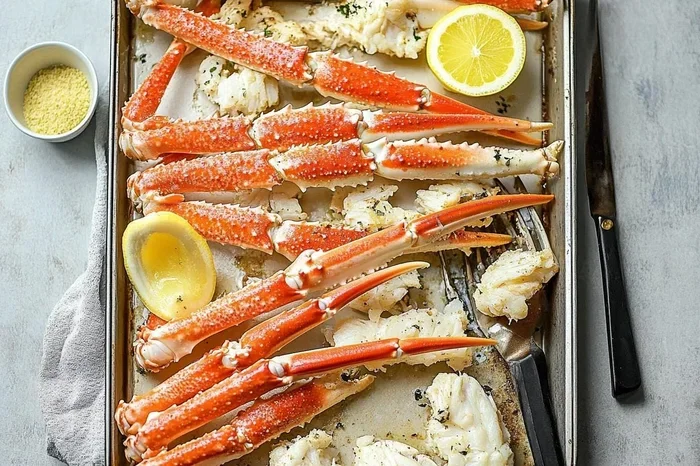
If you are cooking straight from the freezer, you will need a bit more baking time. Place the frozen crab legs directly on a baking sheet lined with parchment paper. Bake them at 400°F for about 25 to 30 minutes. The high heat will penetrate the shell and warm the meat inside. This method works great when you forgot to thaw your seafood ahead of time. It is a total lifesaver on busy weeknights when you need a seafood dish on the table fast. Just remember that the outside might get a little warm before the inside is fully heated through.
Timing For Fresh Or Thawed Crab Legs
When working with fresh crab legs or legs that have been properly thawed, the baking time is much shorter. You only need about 10 to 15 minutes at 400°F. The meat heats through quickly, preserving its natural sweetness and delicate texture. Overcooking thawed oven-baked crab can make it rubbery and tough. So, keep a close eye on your crab legs during this short window. Thawing your frozen crab legs in the refrigerator overnight is always the best practice if you have the time. This ensures the cooking time is perfectly even from start to finish.
| Crab Leg Type | Oven Temp | Cooking Time | Best For |
|---|---|---|---|
| Frozen | 400°F | 25-30 minutes | Quick weeknight meals |
| Thawed | 400°F | 10-15 minutes | Fresh catch or planned meals |
| Pre-cooked Frozen | 400°F | 15-20 minutes | Store-bought seafood |
Step By Step Guide To Baking Crab Legs
Now that you know the oven temperature and cooking time, let us walk through the process. Baking oven-baked seafood is incredibly easy. You do not need any fancy equipment to make this crab leg recipe a hit. Follow these simple steps for a flawless seafood dish every time.
Prepping Your Ingredients
First, gather your ingredients. You will need your crab legs, some melted butter, and fresh lemon wedges. If your frozen crab legs are still frozen, you can bake them straight from the freezer. However, placing them on a baking sheet lined with aluminum foil makes cleanup a breeze. You can also add a few cloves of garlic to the oven-safe dish for extra flavor. Some people like to drizzle a little olive oil over the crab legs before baking. This adds a subtle richness to the delicious crab meat. Keep it simple and let the quality of the seafood shine through. You can even add a splash of white wine to the pan for an extra layer of flavor. Just a tablespoon or two is enough to infuse the crab legs with a subtle, savory depth.
The Baking Process
Preheat your oven to 400°F. While the oven heats up, arrange your crab legs in a single layer. Do not stack them too high on the baking sheet. Placing them in one layer allows the hot air to circulate evenly around each crab leg. Put the baking sheet or oven-safe dish in the middle rack of your oven. Bake for the recommended time based on whether they are frozen or thawed. The seafood dish is ready when the shells are hot to the touch. You should smell a wonderful aroma filling your kitchen. This is the best part of baking oven-baked crab at home. The smell alone will get everyone excited for dinner. Make sure to check on them halfway through the baking time to ensure even cooking.
How To Tell When Crab Legs Are Done
Knowing when your baked crab legs are ready is just as important as the cooking time. Nobody wants to serve undercooked or overcooked seafood. Overcooked crab can be dry and disappointing. Here is how you can tell with confidence every time.
Visual And Texture Clues
Look at the shells. They should be bright red or orange and feel hot to the touch. When you bend or crack a shell, the meat inside should be white and flaky. If the meat looks translucent or gray, it needs more baking time. The aroma of delicious crab filling your kitchen is also a great sign that your seafood dish is almost ready. The shell should be slightly puffed up as well. This indicates that the steam inside has done its job perfectly. Cracking open a shell to reveal perfectly heated meat is incredibly satisfying.
Internal Temperature Check
For the most accurate result, use a meat thermometer. The internal temperature of the crab legs should reach 145°F. This ensures the seafood is safe to eat and perfectly heated through. Insert the thermometer into the thickest part of the leg, avoiding the hard shell. This oven-baked seafood trick takes the guesswork out of your crab leg recipe. It is especially helpful if you are new to cooking crab legs in the oven. Once you hit that 145°F mark, your baked crab legs are ready to serve immediately.
Quick Tips For Perfectly Baked Crab Legs
Want to elevate your oven-baked crab from good to amazing? These quick tips will help you serve the best seafood dish possible. Even small adjustments can make a big difference in flavor and presentation.
Add Some Butter And Lemon
Melted butter is the classic dipping sauce for baked crab legs. Squeeze some fresh lemon juice into the butter for a bright, zesty flavor. You can also add a pinch of Old Bay seasoning or garlic powder to the oven-safe dish before baking. This infuses the crab legs with incredible flavor as they heat up in the oven. Fresh herbs like dill or parsley make a wonderful garnish too. The combination of warm butter and tangy lemon cuts through the richness of the seafood perfectly. This simple addition turns a basic meal into a restaurant-quality experience. You can also serve the melted butter in small bowls on the side for dipping. This makes the meal feel more interactive and fun for everyone at the table.
Avoid Overcooking
Overcooked crab legs become tough and rubbery. Since frozen crab legs have extra moisture, they are slightly more forgiving. However, thawed crab legs cook very fast. Set a timer, and check them a few minutes early. It is always better to undercook slightly than to overcook your seafood. Remember that the crab legs will continue to release heat even after you take them out of the oven. This carryover cooking can add a few extra degrees to the internal temperature. Pulling them out just a touch early ensures they stay moist and tender. Use tongs to carefully remove the crab legs from the hot baking sheet. This prevents any steam burns and keeps the delicious crab intact.
Common Mistakes People Make When Baking Crab Legs
Even experienced home cooks make mistakes in the kitchen when preparing oven-baked seafood. Avoid these common pitfalls to ensure your crab legs turn out perfectly every single time. Learning from others’ errors can save you a lot of frustration and wasted ingredients.
Boiling Instead Of Baking
Many people default to boiling crab legs because it is the traditional method. However, boiling can leach out flavor into the water. Baking in the oven keeps all those delicious juices locked inside the shell. If you want a richer taste, stick to your oven-baked crab method. You will notice a big difference in the texture of the crab legs. The oven-baked version has a slightly firmer bite that many people prefer. It is a great alternative to a traditional seafood boil when you want something a bit more elegant. Plus, using the oven means you do not have to watch a big pot of water boil over on the stove.
Skipping The Thawing Step
While you can bake frozen crab legs directly, thawing them first yields better results. Thawing ensures the cooking time is even throughout the seafood dish for your holiday dinner or family gathering. If you choose to bake frozen, simply add five extra minutes to the baking time. This small change makes a big difference in texture. Uneven cooking is the most common complaint people have when they skip the thawing step. Taking the extra 30 minutes to thaw in the fridge can elevate your entire meal. Plan ahead and you will be rewarded with perfectly heated crab legs every time.
Conclusion
Baking crab legs in oven at 400 is the easiest way to enjoy this seafood dish at home. Whether you are dealing with frozen crab legs or fresh crab legs, knowing the right cooking time is the key to success. Remember, frozen legs need about 25 to 30 minutes, while thawed legs only need 10 to 15 minutes at 400°F.
With the right oven temperature and a little patience, you can serve oven-baked seafood that rivals any restaurant. Use our crab leg recipe tips to add extra flavor and avoid common mistakes. Your next holiday dinner or weeknight meal will be a hit with these perfectly baked crab legs. Enjoy your meal and the wonderful, juicy flavors of the ocean! The delicious crab will melt in your mouth, and your family will ask for this recipe again and again.
Frequently Asked Questions
Can I bake crab legs at 350 instead of 400?
Yes, you can bake crab legs at 350°F, but the cooking time will be longer. You will need to add about 5 to 10 extra minutes. The lower oven temperature means the heat takes longer to penetrate the shell. Check for doneness by ensuring the internal temperature reaches 145°F.
Do I need to thaw frozen crab legs before baking?
You do not need to thaw frozen crab legs before baking them at 400°F. You can place them straight from the freezer onto a baking sheet. However, thawing them first can help them cook more evenly. If you bake them frozen, simply add a few extra minutes to the baking time.
What is the best way to serve baked crab legs?
Serve baked crab legs with melted butter and lemon wedges for a classic seafood dish. You can also add a garlic butter sauce or a drizzle of melted herb butter. Place them on a platter with lemon wedges and a side of rice or roasted vegetables for a complete holiday dinner or family meal.
How do I store leftover baked crab legs?
Store any leftover oven-baked crab in an airtight container in the refrigerator. They will stay fresh for up to 3 days. When you are ready to eat them, gently reheat the crab legs in the oven at 350°F for about 10 minutes. Avoid microwaving, as it can make the seafood rubbery and tough.
Can I use aluminum foil when baking crab legs?
Yes, you can use aluminum foil to line your baking sheet for easy cleanup. However, covering the crab legs with foil traps steam, which can make the shell soggy. For a slightly crispier texture, leave the foil off and let the oven-baked seafood cook uncovered at 400°F.
What goes well with baked crab legs for a full meal?
Baked crab legs pair wonderfully with many sides. Consider serving them with roasted asparagus, garlic bread, or a fresh garden salad. For a more indulgent meal, add a creamy coleslaw or corn on the cob. These sides complement the rich, delicious crab flavors perfectly and make for a complete seafood dish.