How To Cook Summer Sausage In Oven For Delicious Results
Learn how to cook summer sausage in the oven for juicy, flavorful results. This guide covers oven temperature, timing, and simple steps for perfect baked sausage. You’ll discover tips for moist, delicious summer sausage every time.
There’s something deeply satisfying about pulling a tray of summer sausage out of the oven. The kitchen fills with a savory aroma, and you know you’re about to enjoy a snack that’s both simple and impressive. Cooking summer sausage in the oven is one of the easiest ways to get perfect results without any special gear.
Whether you have a classic pork summer sausage, a lean beef version, or a wild venison summer sausage, the oven handles the job beautifully. You don’t need a smoker or a complicated setup. Just a basic oven, a baking sheet, and a little patience. This guide walks you through every step so you can bake summer sausage that’s juicy, flavorful, and perfectly sliced.
We’ll cover the ideal oven temperature, how long to cook summer sausage, and the internal temperature you should aim for. You’ll also find tips for adding smoke flavor, preventing dry sausage, and serving your cooked summer sausage in the best way. By the end, you’ll feel confident enough to make oven-baked sausage a regular part of your meal prep.
Key Takeaways
- Low and slow baking keeps summer sausage juicy and tender.
- A meat thermometer is essential to hit the safe internal temp of 160°F for pork and beef.
- Rest the sausage for 10 minutes before slicing so juices redistribute.
- Slice thin for the best texture and to showcase the bark.
- Add wood chips for a smoky flavor without a smoker.
- Store cooked sausage in the fridge for up to 7 days or freeze for longer storage.
📑 Table of Contents
- Why Baking Summer Sausage In The Oven Is A Great Choice
- How To Cook Summer Sausage In Oven: Step-By-Step Guide
- The Perfect Oven Temperature And Timing Chart
- How To Know When Your Summer Sausage Is Done
- Tips For Maximum Flavor And Juicy Texture
- Serving Ideas And Storing Your Baked Sausage
- Common Mistakes To Avoid When Baking Summer Sausage
- Expert Insight: Why Oven-Baked Sausage Beats Other Methods
- Conclusion
Why Baking Summer Sausage In The Oven Is A Great Choice
The Beauty Of Oven-Baked Sausage
Baking summer sausage in the oven gives you hands-off control. You set the temperature, pop the tray in, and let the oven do the work. Unlike stovetop cooking, there’s no flipping or constant monitoring. The even heat surrounds the sausage and creates a beautiful bark on the outside while keeping the inside moist.
Another big win is consistency. When you cook summer sausage in oven at a steady temperature, you get the same great result every time. You can bake a large batch at once, which makes it perfect for meal prep or feeding a crowd. The sausage stays warm for hours, so it’s great for parties and gatherings.
No Special Equipment Needed
You don’t need a smoker, a grill, or a fancy convection setting. A standard home oven works perfectly for oven-baked sausage. All you need is a rimmed baking sheet, some parchment paper, and a meat thermometer. That’s it. The simplicity of this method is why so many home cooks turn to the oven for their summer sausage recipe.
How To Cook Summer Sausage In Oven: Step-By-Step Guide
Prep Your Sausage
Start by removing the summer sausage from the fridge about 15 minutes before baking. Letting it come to room temperature helps it cook more evenly. If your sausage is in a casing, you can leave it whole or slice it into rounds. For a classic presentation, keep it whole and slice after baking.
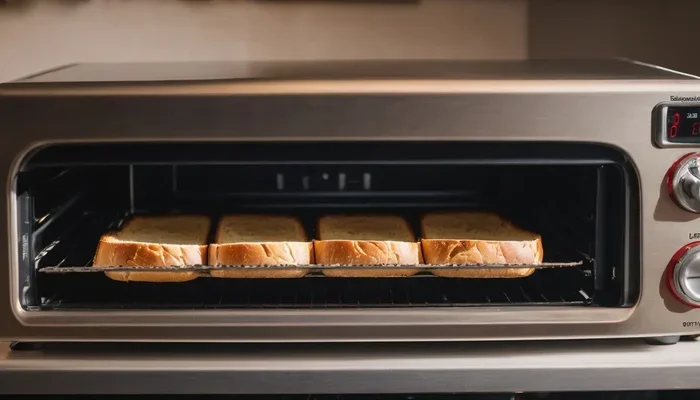
Line a baking sheet with parchment paper or aluminum foil. Place a wire rack on top if you have one. The rack allows hot air to circulate around the sausage, which promotes even browning. If you don’t have a rack, just place the sausage directly on the sheet.
Set The Oven Temperature
Preheat your oven to 325°F. This moderate temperature is the sweet spot for baking summer sausage. It’s hot enough to develop flavor and color, but gentle enough to keep the inside from drying out. Avoid cranking the heat up too high, as that can cause the casing to burst and the meat to lose moisture.
While the oven heats, pat the sausage dry with a paper towel. This small step helps the surface brown better. You can also prick the casing lightly with a fork if you’re worried about it puffing up, but whole sausages usually do fine without it.
Bake And Monitor Internal Temp
Place the sausage on the prepared sheet and slide it into the oven. The bake time depends on the size of the sausage. A typical 1-pound link takes about 45 to 60 minutes. Larger sausages or multiple pieces may need up to 90 minutes. Use a kitchen thermometer to check the internal temperature. For pork and beef summer sausage, aim for 160°F. For venison, 165°F is the safe target.
Basting the sausage with its own juices or a little broth halfway through adds extra moisture. Some cooks like to brush the outside with a thin layer of mustard or maple syrup for a sweet glaze. That step is optional, but it adds a lovely caramelized finish.
The Perfect Oven Temperature And Timing Chart
Getting the oven temperature for sausage right is the most important factor. The table below shows the recommended settings for different types of summer sausage.
| Sausage Type | Oven Temp | Approximate Bake Time | Internal Temp Target |
|---|---|---|---|
| Pork Summer Sausage | 325°F | 45–60 minutes | 160°F |
| Beef Summer Sausage | 325°F | 50–65 minutes | 160°F |
| Venison Summer Sausage | 325°F | 55–70 minutes | 165°F |
| Smoked Summer Sausage (pre-cooked) | 275°F | 25–35 minutes | 140°F (reheat only) |
| Thin Sausage Slices | 350°F | 12–18 minutes | 160°F |
These times are guidelines. Always rely on a meat thermometer rather than the clock alone. How long to cook summer sausage varies with thickness, fat content, and whether the sausage is whole or sliced. When in doubt, check the temp early and often.
Low And Slow Vs. High Heat
Some recipes call for a lower temperature like 275°F for a longer time. This low-and-slow approach is great if you want a very tender, almost pull-apart texture. It’s also ideal for pre-cooked smoked sausage that just needs warming. For traditional cooked summer sausage with a firm slice, 325°F is the best balance of flavor and texture.
A higher heat of 375°F can work for thin sausage slices you want crispy. But for whole links, high heat risks burning the outside before the inside reaches a safe temperature. Stick to 325°F for the most reliable results.
How To Know When Your Summer Sausage Is Done
Internal Temperature Guide
The single most reliable way to know your summer sausage is done is to use a kitchen thermometer. Insert the probe into the thickest part of the sausage, avoiding the baking sheet. For pork and beef, 160°F is the USDA-recommended safe internal temp. For venison and game sausages, go to 165°F to be safe.
If you don’t have a thermometer, you can press the sausage gently. It should feel firm but still have a slight give. However, this method is less precise, so I strongly recommend investing in a simple instant-read thermometer. It removes all the guesswork from baking sausage.
Visual And Texture Cues
A well-baked oven-baked sausage will have a deep, reddish-brown color on the outside. The surface should look dry and slightly shiny. If you tap it with a spoon, it should sound hollow, which indicates the inside is set. The casing will have tightened around the meat, which is normal and desirable.
Another sign is the way the sausage springs back when you press it lightly. If it leaves an indent, it needs more time. If it bounces back quickly, it’s likely done. Let the sausage rest for a few minutes after pulling it out, as the internal temp will rise a few degrees from carryover cooking.
Tips For Maximum Flavor And Juicy Texture
Add Wood Chips For Smokiness
One of the best things about baking summer sausage in the oven is that you can add smoke flavor without a smoker. Soak wood chips like hickory, apple, or cherry in water for 30 minutes. Spread them on a foil packet or in a smoker box and place it on the oven floor or on a lower rack. The chips will smolder and infuse the sausage with a beautiful smoky aroma.
This trick works especially well with plain pork or beef sausage that hasn’t been pre-smoked. You can also use liquid smoke in a marinade, but real wood chips give a more authentic flavor. Just remember to add the chips at the start of the bake so the smoke has time to penetrate.
Brine Or Cure For Extra Moisture
If you’re making summer sausage from scratch or using a very lean blend, a quick brine can make a big difference. Dissolve 1 tablespoon of salt and 1 tablespoon of sugar in 4 cups of water. Submerge the sausage for 2 to 4 hours before baking. The salt helps the meat retain moisture during cooking, resulting in a juicier bite.
Traditional summer sausage recipes include curing salt, which also inhibits bacterial growth and gives the sausage its characteristic pink color. If you’re using a store-bought sausage, it’s already cured, so you don’t need to add more. But for homemade links, following a proper curing recipe is essential for both safety and flavor.
Let It Rest Before Slicing
Resist the urge to slice into your summer sausage right out of the oven. Let it rest on the counter for at least 10 minutes. During this time, the juices inside the sausage redistribute. If you cut too soon, those juices will run out onto the cutting board, and your slices can turn dry and crumbly.
Resting also allows the internal temperature to stabilize. The sausage will continue to cook slightly from residual heat, which brings the center up to the final safe temp. This small pause makes a noticeable difference in the texture of your cooked summer sausage.
Serving Ideas And Storing Your Baked Sausage
Best Ways To Serve Sliced Sausage
Summer sausage shines as part of a charcuterie board or appetizer spread. Slice it thin against the grain for the most tender bite. Pair it with cheese, crackers, fresh fruit, and a handful of nuts. It’s a crowd-pleaser at parties and potlucks because it’s easy to prepare ahead of time.
You can also serve oven-baked sausage as a main course with mustard and pickles, or chop it into small pieces for a pasta salad or pizza topping. The smoky, savory flavor works well in sandwiches too. Try it on a crusty roll with mustard and pickled onions for a quick lunch.
Storage Tips For Leftovers
Store leftover cooked summer sausage in an airtight container in the refrigerator. It will keep for up to 7 days. For longer storage, wrap the sausage tightly in plastic wrap and then in foil, or place it in a freezer bag. Frozen baked sausage stays good for up to 3 months.
To reheat, warm slices in a skillet over medium-low heat for a minute or two. You can also microwave them, but the skillet method helps preserve the texture. Avoid reheating the whole sausage at high heat, as that can dry it out. Slicing before reheating ensures even warming throughout.
Common Mistakes To Avoid When Baking Summer Sausage
Skipping the meat thermometer is the biggest mistake home cooks make. Without it, you’re guessing, and guessing can lead to undercooked or overcooked sausage. Another error is using too high an oven temperature. A scorching hot oven will burn the outside while leaving the inside raw and unsafe to eat.
Some people forget to let the sausage rest after baking. This leads to dry, crumbly slices. Others slice the sausage too thick, which makes it tough to chew. Always slice summer sausage as thin as possible for the best texture. Finally, don’t leave cooked sausage out at room temperature for more than two hours. Bacteria can grow quickly, so refrigerate leftovers promptly.
Expert Insight: Why Oven-Baked Sausage Beats Other Methods
Professional charcuterie makers often agree that oven-baking is one of the most forgiving methods for home cooks. You have precise control over the heat, and the oven’s enclosed environment keeps the sausage from drying out too quickly. When you compare oven-baked sausage to grilling, the oven produces a more uniform cook with less risk of flare-ups drying out the meat.
Grilling can add great grill marks and a smoky char, but it requires more attention and skill. Smoking is fantastic but demands a smoker and hours of time. The oven strikes the perfect balance of convenience and quality. It’s why so many summer sausage recipes call for the oven as the go-to method.
For the best results, always start with good-quality sausage. Look for a balance of fat and lean meat, because fat carries flavor and keeps the sausage moist. If you’re buying from a butcher, ask for a sausage with a coarse grind. That texture holds up beautifully during baking and gives each slice a satisfying bite.
In the end, how to cook summer sausage in oven is a skill anyone can master. The process is simple, the results are delicious, and the leftovers make incredible sandwiches and snacks. Once you nail the basic method, you can experiment with different spices, wood chips, and serving styles. Your kitchen will smell amazing, and your family and friends will love you for it.
Conclusion
Cooking summer sausage in the oven is one of the easiest and most rewarding things you can do in the kitchen. With the right oven temperature, a reliable meat thermometer, and a little patience, you’ll produce perfectly baked sausage every single time. The steps are straightforward, the cleanup is minimal, and the results are far better than anything from a deli counter.
Remember to let the sausage rest before slicing, store leftovers safely, and experiment with wood chips for added flavor. Whether you’re serving it as an appetizer, a main course, or a quick snack, oven-baked summer sausage delivers satisfying taste and convenience. Now that you know the method, it’s time to fire up your oven and enjoy delicious, homemade sausage with confidence.
Frequently Asked Questions
Can I bake summer sausage at 350°F instead of 325°F?
Yes, you can bake at 350°F, but it will cook faster and may dry out more easily. Check the internal temperature early, and reduce the time by about 5 to 10 minutes. The higher heat can create a darker bark, which some people prefer. Just watch it closely to avoid overcooking.
Do I need to poke holes in the summer sausage casing before baking?
It’s not necessary, but poking small holes with a fork can help prevent the casing from bursting if the sausage is very plump. Whole sausages usually do fine without poking, especially at 325°F. If you notice the casing swelling excessively, reduce the oven temperature slightly and continue baking.
How do I know if my summer sausage is pre-cooked or raw?
Most store-bought summer sausage is cured and fully cooked, but it’s still safe to heat it in the oven for flavor and texture. Check the label for “fully cooked” or “ready to eat.” If it’s raw or fresh sausage, you must bake it to 160°F for pork and beef, or 165°F for venison, to ensure food safety.
Can I freeze cooked summer sausage?
Absolutely. Let the baked sausage cool completely, then wrap it tightly in plastic wrap and aluminum foil, or place it in a freezer-safe bag. It will keep in the freezer for up to 3 months. Thaw overnight in the refrigerator before reheating slices in a skillet.
What’s the best way to slice summer sausage for serving?
Use a sharp knife and slice thin, about 1/8 to 1/4 inch thick. Slicing against the grain gives the most tender bite. If the sausage is cold, let it sit at room temperature for 10 minutes before slicing. This makes it easier to cut clean, even pieces.
Can I add cheese or other ingredients to the sausage before baking?
You can wrap sausage in cheese or stuff it with cheese before baking, but it’s not traditional for classic summer sausage. If you want to try it, use a firm cheese like cheddar or gouda, and wrap it tightly in butcher paper before baking. The cheese will melt and create a delicious, gooey center. Just be mindful of the added fat and adjust the bake time slightly.