How Long To Cook Angus Steak In Oven The Right Way
Cooking Angus steak in the oven is easier than you think. This guide covers everything you need to know about timing, temperature, and technique. You will learn how long to cook Angus steak in the oven for every level of doneness. We share pro tips, common mistakes, and a simple steak recipe that works every time. Whether you prefer a thick cut steak or a lean sirloin, this guide has you covered.
There is something deeply satisfying about pulling a perfect Angus steak out of the oven. The aroma fills the kitchen. The crust looks golden brown. And when you slice into it, the juices run bright red.
If you have ever wondered how long to cook Angus steak in oven, you are not alone. This is one of the most searched cooking questions online. And the truth is, there is no single answer. The right cooking time depends on a few simple factors. In this beef cooking guide, we walk you through every step. You will learn about oven temperature, steak thickness, seasoning, and how to check for doneness. By the end, you will feel confident making restaurant-quality oven-baked steak right in your own kitchen.
Key Takeaways
- Right Temperature Matters: Most oven-baked steak works best at 400°F to 450°F for a juicy steak with a great crust.
- Thickness Controls Cooking Time: A 1-inch steak takes about 10-12 minutes, while a 2-inch thick cut steak may need 18-25 minutes.
- Use a Meat Thermometer: This is the single best tool for checking steak doneness and hitting the perfect internal temperature.
- Always Rest Your Steak: Letting the steak rest for 5-10 minutes keeps the juices locked in and makes every bite better.
- Season Simply: Salt, pepper, garlic, and olive oil are all you need for a great beef cooking guide at home.
- Reverse Sear Works Wonders: Cooking low and slow in the oven, then finishing with a hot sear gives you an evenly cooked steak every time.
📑 Table of Contents
Why Oven-Cooked Angus Steak Is Worth Trying
Many people reach for the stovetop when cooking steak. And a cast iron skillet on the burner works great. But the oven offers something special. It cooks the meat more evenly. There are fewer hot spots. And you get a consistent oven temperature all around the steak.
Angus beef steak is a popular choice for oven cooking. Why? Because Angus cattle are raised for quality marbling. That marbling means more flavor. More tenderness. And a juicier steak every time you cook it.
Here are a few reasons to love oven-baked steak:
- It is hands-off. You can prep the steak, set a timer, and relax.
- It is forgiving. The oven surrounds the meat with gentle heat.
- It works for thick cuts. A 2-inch steak can be tricky on the stove but easy in the oven.
- It gives you more control over steak doneness with a meat thermometer.
Once you try how long to cook Angus steak in oven using the right method, you may never go back to just pan-searing. The oven gives you freedom. It lets you focus on other parts of the meal while the steak cooks to perfection.
Oven-Baked Steak vs. Pan-Seared Steak
Both methods produce delicious results. But they work differently. A cast iron skillet gives you a bold, dark crust fast. The oven gives you even cooking from edge to center. Many home cooks now use a reverse sear method. This means starting in the oven at low heat and finishing with a quick sear on the stove.
The beauty of the oven approach is that you can set the steak temperature exactly where you want it. No guesswork. No stress. Just a perfectly cooked juicy steak on your plate.
Choosing the Right Angus Steak Cut
Not all steaks are the same. The cut you choose affects cooking time, flavor, and texture. When you are learning how long to cook Angus steak in oven, the first decision is picking the right piece of meat.
Here are the most popular cuts for oven cooking:
- Ribeye Steak: Rich marbling makes this a favorite. It stays moist even at higher temperatures. Perfect for oven-baked steak lovers.
- Sirloin Steak: Leaner than ribeye but still full of beefy flavor. A great choice if you prefer a lighter cut.
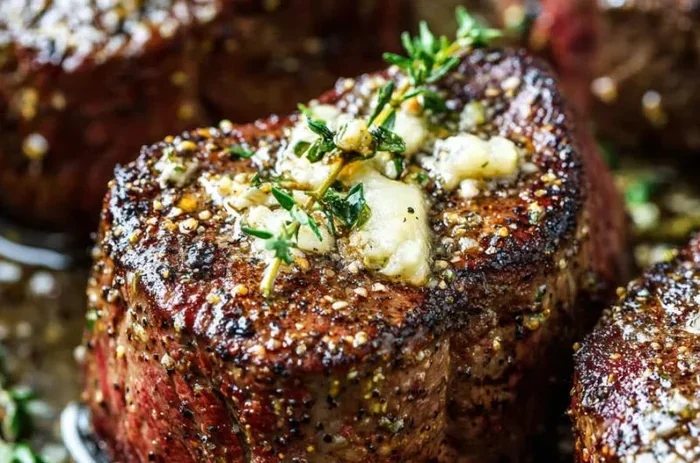
- Filet Mignon: The most tender cut. It cooks faster because it is lean. Watch it closely to avoid overcooking.
- New York Strip: A balanced cut with good marbling and a firm texture. Excellent for oven roasting.
What to Look for When Buying
Go for a steak that is at least 1 inch thick. Thinner steaks can dry out fast in the oven. A thick cut steak gives you more room for error. It also lets you hit your target internal temperature without rushing.
Look for bright red color and fine marbling. The fat should look creamy white, not yellow. Yellow fat can mean the cow was older, which changes the flavor. For the best steak recipe results, choose fresh Angus beef from a trusted butcher or grocery store.
Also think about how many people you are cooking for. A single 12-ounce ribeye serves one person generously. For a group, consider buying multiple smaller steaks instead of one large roast.
How to Prep Your Steak Before It Hits the Oven
Good prep is the secret behind every great oven-baked steak. You do not need fancy ingredients. Just a few simple steps make a huge difference.
Step 1: Take the Steak Out Early
Remove the steak from the fridge 30 to 45 minutes before cooking. Let it sit on the counter at room temperature. This helps the steak cook evenly. A cold steak going into a hot oven can lead to uneven cooking time and a gray band near the edge.
Step 2: Season Generously
Pat the steak dry with paper towels. Moisture on the surface creates steam, not a crust. Then season both sides with:
- Kosher salt
- Freshly ground black pepper
- A drizzle of olive oil
- Garlic powder or fresh minced garlic (optional)
- A pinch of smoked paprika for extra depth (optional)
Keep it simple. The quality of the Angus beef steak speaks for itself. You do not need a complicated steak recipe to get amazing results.
Step 3: Preheat the Oven
Set your oven to the right temperature before the steak goes in. Most oven-baked steak methods call for 400°F to 450°F. Preheating takes about 15 to 20 minutes. Do not skip this step. A cold oven throws off the entire cooking time.
Step 4: Choose Your Pan or Rack
You can place the steak directly on a sheet pan lined with foil. Or use a wire rack set over a baking sheet. A wire rack lets hot air circulate around the steak. This gives you a more even oven temperature and a better crust. If you have a cast iron skillet, that works too. You can start the steak on the stovetop and finish it in the oven.
The Perfect Oven Temperature and Timing Guide
This is the section most people search for. How long to cook Angus steak in oven really comes down to thickness and desired doneness. Use the guide below as your starting point.
General Timing Rules
A good rule of thumb is about 4 to 5 minutes per side for a 1-inch steak at 425°F. For a 1.5-inch steak, add a few minutes. For a 2-inch thick cut steak, you may need 18 to 25 minutes total. But these are estimates. The real answer lies in the internal temperature.
Comparison Table: Oven Steak Timing by Thickness
| Steak Thickness | Oven Temp | Approx. Cooking Time | Best For |
|---|---|---|---|
| 1 inch | 425°F | 10-14 minutes | Quick weeknight dinner |
| 1.5 inches | 425°F | 14-18 minutes | Medium-rare lovers |
| 2 inches | 400°F | 18-25 minutes | Reverse sear method |
| 2.5 inches | 375°F | 22-30 minutes | Extra thick ribeye |
The Reverse Sear Method
The reverse sear is a game-changer for oven-baked steak. Here is how it works:
- Preheat the oven to 275°F.
- Place the seasoned steak on a wire rack over a baking sheet.
- Cook slowly until the internal temperature is about 10-15 degrees below your target doneness.
- Remove the steak and let it rest briefly.
- Sear in a screaming hot cast iron skillet with butter for 60 seconds per side.
This method gives you a perfect pink center and a beautifully caramelized crust. It is the best way to cook a thick cut steak without overcooking the edges.
Quick Tips for Oven Temperature
- 400°F: Great for thicker steaks. Slower cook, more even results.
- 425°F: The sweet spot for most steaks. Fast and reliable.
- 450°F: Best for thinner steaks that need a quick roast.
- 375°F: Use for the reverse sear on very thick cuts.
Every oven is different. Get to know your oven’s hot spots. If your oven runs hot, drop the temperature by 10-15 degrees. If it runs cool, add a few minutes to the cooking time.
Checking Doneness: Internal Temperatures Explained
This is the most important part of learning how long to cook Angus steak in oven. Time is a guide. But the internal temperature is the truth. Invest in a good meat thermometer. It costs under $15 and it removes all the guesswork.
Steak Doneness Temperature Chart
Insert the thermometer into the thickest part of the steak. Avoid touching bone or fat. Here are the target steak temperatures for each level of doneness:
- Rare: 120-125°F. Cool red center. Very soft texture.
- Medium Rare: 130-135°F. Warm red center. The most popular choice for Angus beef steak.
- Medium: 140-145°F. Pink center with some firmness. A safe bet for most cooks.
- Medium Well: 150-155°F. Slight pink hint. Firmer texture throughout.
- Well Done: 160°F and above. No pink left. Not recommended for quality Angus cuts.
Why Medium Rare Wins
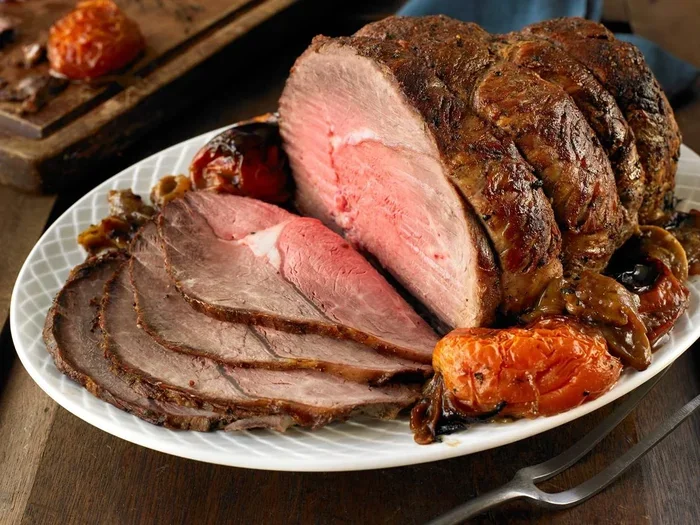
Most steak lovers prefer medium-rare steak. At this temperature, the marbling has melted enough to add rich flavor. The steak stays juicy and tender. Higher temperatures dry out the meat and mask the natural beef taste.
Remember that the internal temperature will rise 5-10 degrees after you remove the steak from the oven. This is called carryover cooking. Pull the steak off early and let it rest. Your oven-baked steak will reach the perfect temp on the plate.
Resting and Serving Your Angus Steak
Do not skip this step. Resting the steak is just as important as the cooking. When you cut into a hot steak right out of the oven, the juices flood the cutting board. They escape instead of staying in the meat.
Here is what to do:
- Remove the steak from the oven.
- Place it on a warm plate or cutting board.
- Loosely tent it with aluminum foil.
- Let it rest for 5 to 10 minutes.
During this time, the steak temperature equalizes. The juices redistribute throughout the meat. When you finally slice, every bite is moist and flavorful.
Best Ways to Serve Oven-Baked Steak
A great juicy steak needs simple sides. Here are some ideas:
- Roasted garlic mashed potatoes
- Sautéed green beans with lemon
- Classic Caesar salad
- Crispy roasted potatoes
- Grilled asparagus with Parmesan
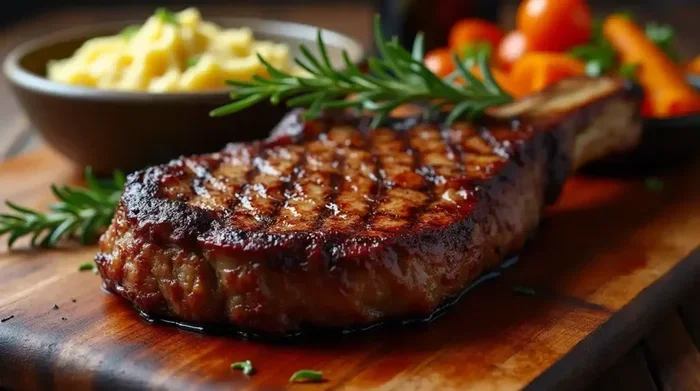
For extra flavor, top the rested steak with a pat of compound butter. Mix softened butter with fresh herbs like rosemary and thyme. As it melts over the steak, it adds richness and aroma that elevates the entire dish.
Common Mistakes to Avoid
Even experienced cooks make errors when learning how long to cook Angus steak in oven. Here are the most common ones:
- Skipping the rest period. This is the number one mistake. Always rest your steak.
- Not using a meat thermometer. Guessing leads to overcooked or undercooked meat.
- Starting with a cold steak. Cold meat in a hot oven cooks unevenly.
- Over-seasoning. Let the Angus beef flavor shine through.
- Opening the oven door too often. Every time you open the door, the oven temperature drops.
- Cutting too early. The steak continues cooking after removal. Patience pays off.
Expert Insights
Professional chefs agree that the reverse sear is the most reliable method for oven-cooked steak. It gives you precise control over the internal temperature while still delivering a great crust. Chef Thomas Keller once said that the secret to a perfect steak is patience and a good thermometer. That advice holds true whether you are a beginner or a seasoned cook.
Another expert tip is to finish the steak with a drizzle of high-quality finishing oil or a sprinkle of flaky sea salt right before serving. This adds a final layer of flavor and texture that makes your oven-baked steak taste like it came from a fine dining restaurant.
Key Takeaways
- Right Temperature Matters: Most oven-baked steak works best at 400°F to 450°F for a juicy steak with a great crust.
- Thickness Controls Cooking Time: A 1-inch steak takes about 10-12 minutes, while a 2-inch thick cut steak may need 18-25 minutes.
- Use a Meat Thermometer: This is the single best tool for checking steak doneness and hitting the perfect internal temperature.
- Always Rest Your Steak: Letting the steak rest for 5-10 minutes keeps the juices locked in and makes every bite better.
- Season Simply: Salt, pepper, garlic, and olive oil are all you need for a great beef cooking guide at home.
- Reverse Sear Works Wonders: Cooking low and slow in the oven, then finishing with a hot sear gives you an evenly cooked steak every time.
Conclusion
Learning how long to cook Angus steak in oven is a skill anyone can master. The key is understanding three things: temperature, timing, and internal steak temperature. Once you get those right, every steak comes out juicy, tender, and full of flavor.
Start with a good cut of Angus beef steak. Season it simply. Cook it at the right oven temperature for the right amount of time. Use a meat thermometer to check doneness. And always let the steak rest before slicing.
Whether you are making a quick weeknight dinner or impressing guests at a weekend gathering, this beef cooking guide gives you everything you need. Try the reverse sear method for your next thick cut steak. You will taste the difference immediately.
The best part? Once you nail the basics, you can experiment. Try different cuts. Play with seasoning blends. Adjust the cooking time to match your preferences. The oven gives you the control to make oven-baked steak that rivals any steakhouse. So fire up your oven, grab a quality ribeye steak or sirloin steak, and enjoy the process. A perfect steak at home is not just possible. It is expected.
Frequently Asked Questions
What is the best oven temperature for cooking Angus steak?
The best oven temperature for most Angus steaks is between 400°F and 450°F. This range gives you a nice crust on the outside while keeping the inside juicy. For thicker cuts over 2 inches, try 375°F using the reverse sear method for more even results.
How long should I let my steak rest after taking it out of the oven?
Let the steak rest for 5 to 10 minutes after cooking. This allows the juices to redistribute throughout the meat. If you cut too soon, the juices run out and the steak dries out. A simple rule is to rest the steak for about half the total cooking time.
Can I cook a frozen Angus steak in the oven?
It is best to thaw the steak first for even cooking. If you cook from frozen, the outside will overcook before the inside reaches the right internal temperature. Thaw in the fridge overnight for the best results with your oven-baked steak.
How do I know when my steak is done without a meat thermometer?
A meat thermometer is the most accurate tool. But you can use the touch test as a backup. Press the center of the steak with your finger. Rare feels soft. Medium rare has a slight give. Medium feels firm with a little spring. Well done feels very firm. Practice helps you get better at this over time.
What is the reverse sear method for oven steak?
The reverse sear means cooking the steak slowly in a low-temperature oven (around 275°F) until it is close to your target doneness. Then you finish it with a quick, hot sear in a cast iron skillet. This method produces an evenly cooked steak with a perfect crust. It is ideal for thick cut steak cuts over 1.5 inches.
Which Angus steak cut is best for oven cooking?
Ribeye and New York strip are the top choices for oven cooking. They have enough marbling to stay juicy throughout the cooking time. Filet mignon works well too but requires closer attention because it is leaner. For a leaner option, sirloin is a great budget-friendly choice that still delivers great flavor.