How Do You Roast Pine Nuts In The Oven For Best Results
Roasting pine nuts in the oven is the easiest way to unlock their rich, buttery flavor and satisfying crunch. This guide shows you exactly how to roast pine nuts in the oven for perfect results every time, from temperature and timing to cooling and storage. You’ll also learn quick tips, recipe ideas, and common mistakes to avoid.
Have you ever wondered how to roast pine nuts in the oven for the best flavor? Raw pine nuts taste good, but when you heat them, something magical happens. The oils bloom, the sugars caramelize, and you get a rich, buttery crunch that turns simple dishes into restaurant-worthy meals. Whether you are making a classic pesto, topping a fresh salad, or just snacking on them, roasting pine nuts in the oven is the way to go.
Many people think toasting nuts is tricky. They worry about burning them or ending up with a bitter taste. The truth is, roast pine nuts in the oven is one of the simplest kitchen skills you can learn. It takes just a few minutes of active time, a basic oven, and a little patience. This guide will walk you through every step, from choosing the right nuts to storing them so they stay fresh. You will also discover creative ways to use your toasted pine nuts and common mistakes to avoid.
By the end, you will know exactly how to get perfectly golden, crunchy pine nuts every single time. Let us dive in and make your pine nuts the star of your next meal.
Key Takeaways
- Low and slow roasting prevents burning and brings out the best flavor.
- Use parchment paper to avoid sticking and make cleanup easy.
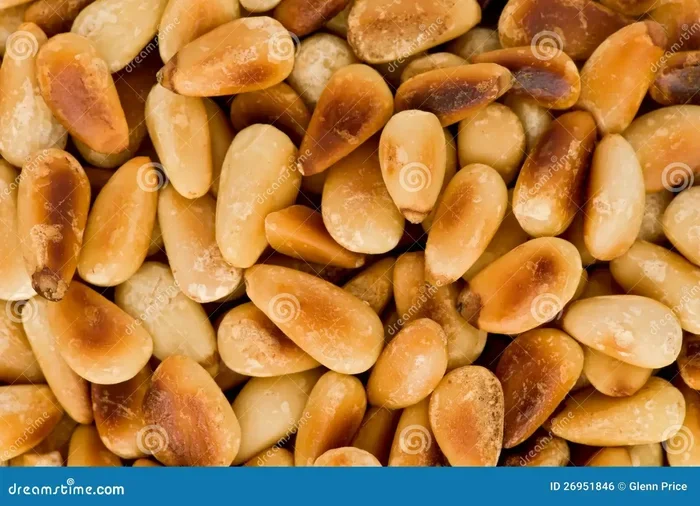
- Watch the color closely – golden brown means done, dark brown means bitter.
- Cool completely before storing to keep them crunchy.
- Add flavors like garlic or herbs for a gourmet touch.
- Store in an airtight container for up to two weeks.
- Roasted pine nuts elevate any dish from salads to pasta.
📑 Table of Contents
Why Roast Pine Nuts in the Oven?
Raw pine nuts have a mild, slightly sweet flavor. But when you heat them, the texture changes completely. They become crunchy and the flavor deepens into something rich and nutty. This transformation is why so many recipes call for toasted pine nuts. The oven method gives you even, hands-off cooking that is hard to beat.
The Flavor Difference
When pine nuts roast, their natural oils heat up and release a warm, buttery aroma. This is the same process that makes roasted coffee or toasted almonds so delicious. The Maillard reaction, which is just a fancy term for browning, creates hundreds of new flavor compounds. The result is a complex, savory taste that raw nuts simply cannot match. If you have ever tasted a fresh basil pesto with roasted pine nuts, you know exactly what I mean. The flavor is rounder, deeper, and more satisfying.
Oven vs. Stovetop
You can toast pine nuts in a dry skillet on the stove. That method works, but it requires constant stirring. The heat is uneven, and it is easy to scorch a few nuts while others stay pale. The oven solves this problem. It surrounds the nuts with gentle, consistent heat. You spread them on a sheet pan, pop them in, and walk away. This hands-off approach is perfect for busy cooks. It also scales easily. You can roast a big batch for a dinner party or a small handful for a weeknight salad. For most home cooks, roasting pine nuts in the oven is the clear winner.
How to Roast Pine Nuts in the Oven: Step-by-Step
Follow this simple process to get perfectly roasted pine nuts every time. The method works in any standard home oven.
Preparing Your Pine Nuts
Start with raw, shelled pine nuts. You can find them in the baking aisle or the bulk section of most grocery stores. Give them a quick look. Discard any nuts that are discolored or have a strange smell. Fresh pine nuts should look pale beige and smell mildly sweet. Next, spread them out on a rimmed baking sheet. Use a single layer so air can circulate around each nut. If you crowd the pan, they will steam instead of roast, and you will get soggy results.
Setting the Right Oven Temperature
Preheat your oven to 325°F (163°C). This is the sweet spot for roasting pine nuts in the oven. A lower temperature prevents the outside from burning before the inside is heated through. Some recipes call for 350°F, but 325°F gives you a wider window of perfect doneness. If your oven runs hot, drop it down to 300°F. Always use an oven thermometer if you are unsure. The goal is a gentle, even roast that brings out the nutty oils without scorching them.
Roasting Time and Monitoring
Place the baking sheet on the middle rack of your oven. Set a timer for 5 minutes. Pine nuts roast quickly, and they can go from golden to burnt in a matter of seconds. After 5 minutes, open the oven and give the pan a gentle shake. This redistributes the nuts so they brown evenly. Look for a light golden color and a fragrant, buttery smell. Most batches need 8 to 12 minutes total. Smaller nuts may be done in 7 minutes. Larger nuts might need 15 minutes. Keep a close eye on them during the last few minutes. The color will deepen fast once they start to brown.
Cooling and Storing
As soon as the roasted pine nuts reach a beautiful golden brown, pull the pan out. Do not wait. The residual heat will continue cooking them. Immediately transfer the nuts to a cool plate or a piece of parchment paper. Spread them out in a single layer. This stops the cooking process and keeps them from getting mushy. Let them cool completely, which takes about 15 to 20 minutes. Once cool, store them in an airtight container at room temperature. They will stay fresh for up to two weeks. You can also freeze them for up to three months. Frozen pine nuts thaw quickly on the counter.
Tips for Perfect Roasted Pine Nuts Every Time
Even a simple task like roasting pine nuts in the oven benefits from a few pro tips. These small adjustments make a big difference in flavor and texture.
Use Parchment Paper
Line your baking sheet with parchment paper before spreading the nuts. This prevents sticking and makes cleanup a breeze. Pine nuts have a lot of natural oil, and they can fuse to bare metal if you are not careful. Parchment creates a barrier. It also promotes even airflow, which helps the nuts roast uniformly. If you do not have parchment, a light silicone baking mat works just as well.
Avoid Overcrowding the Pan
Give each pine nut its own space. A crowded pan traps steam, which leads to pale, chewy nuts instead of crunchy ones. Use a large sheet pan for a big batch. If you need to roast a huge quantity, do it in two rounds. The extra effort is worth the perfect texture. Think of it as giving each nut room to breathe and caramelize.
Add Flavor Boosters
Plain roasted pine nuts are wonderful, but you can take them to the next level with a few simple additions. Toss the raw nuts with a tiny drizzle of olive oil and a pinch of salt before roasting. For a savory twist, add minced garlic, a sprinkle of rosemary, or a pinch of red pepper flakes. For something sweet, try a light coating of honey and a dash of cinnamon. Just be careful with wet additions. Too much liquid can cause the nuts to steam. A light touch is all you need. These flavored nuts are incredible on cheese boards, in granola, or simply eaten by the handful.
Creative Ways to Use Roasted Pine Nuts
Now that you know how to roast pine nuts in the oven, it is time to put them to work. These versatile little nuts add crunch, flavor, and elegance to a wide range of dishes.
Classic Toppings and Salads
The most traditional use for toasted pine nuts is in salads. A simple arugula salad with shaved Parmesan, lemon vinaigrette, and a handful of warm pine nuts is a classic for a reason. The heat of the nuts slightly wilts the greens, and the fat carries the dressing’s flavor. You can also scatter them over roasted vegetables, grain bowls, or avocado toast. They add a satisfying crunch that contrasts beautifully with soft ingredients.
Pine Nut Pesto and Sauces
No discussion of pine nuts is complete without mentioning pesto. Traditional Genovese pesto relies on roasted pine nuts for its signature creamy texture and rich taste. You can blend them with fresh basil, garlic, Parmesan, and olive oil. The roasted nuts create a smoother, more flavorful pesto than raw ones. You can also stir crushed pine nuts into pasta sauces, or use them as a thickener for soups. Their natural oils help bind ingredients together and add a luxurious mouthfeel.
Baked Goods and Snacks
Get creative with your roasted pine nuts in the baking aisle. Fold them into cookie dough, muffin batter, or bread dough. They pair wonderfully with chocolate, dried fruit, and citrus zest. Pine nut brittle is a simple candy that makes a great gift. Just caramelize sugar with a little butter, stir in the nuts, and let it harden. For a quick snack, toss roasted pine nuts with melted dark chocolate and a sprinkle of sea salt. Let it set, and you have a gourmet treat. They also work beautifully in trail mix, combined with dried cranberries and dark chocolate chips.
Common Mistakes to Avoid When Roasting Pine Nuts
Even with a simple recipe, it is easy to make a few missteps. Here are the most common mistakes people make when they roast pine nuts in the oven, and how to avoid them.
Burning the Nuts
Pine nuts have a high fat content, which makes them prone to burning. The moment you smell a sharp, acrid odor, they are already too far gone. Always set a timer and stay nearby. Do not walk away to check your phone or start another task. The difference between perfectly golden and bitter burnt is just a minute or two. If you are new to roasting nuts, set a timer for every 2 minutes and check the color. Pull them off the pan while they still look a shade lighter than your target color. The residual heat will finish the job.
Skipping the Cooling Step
It is tempting to toss warm pine nuts straight into a salad or container. Resist that urge. Warm nuts will continue to cook and then steam as they sit, turning soft and limp. Cooling them on a separate surface ensures they stay crunchy. This is a small step that makes a huge difference in texture. Give them at least 15 minutes to reach room temperature before you store or serve them.
Storing Them While Warm
Never put warm pine nuts into an airtight container. The trapped heat and moisture will create condensation, which makes them soggy and can even lead to mold. Always cool them completely first. Once they are cool, place them in a glass jar or a sealed plastic container. Keep them in a cool, dark place. If you live in a warm kitchen, the refrigerator is a better option. Just bring them to room temperature before using so the oils can flow and the flavor blooms.
Conclusion: Enjoy Your Perfectly Roasted Pine Nuts
Roasting pine nuts in the oven is a simple skill that transforms your cooking. You now know the exact temperature, the perfect timing, and the common pitfalls to avoid. The process is forgiving, fast, and incredibly rewarding. A batch of golden roasted pine nuts can elevate a weeknight dinner into something special. They add crunch to salads, depth to sauces, and a gourmet touch to baked goods.
Start with the basic method and experiment with flavors. Try adding rosemary, garlic, or a touch of honey. Use them in your favorite recipes or discover new ones. The more you practice, the more confident you will become. Soon, you will be able to roast pine nuts in the oven without even thinking about it. Keep a supply of raw pine nuts in your pantry, and you will always have a versatile ingredient ready to go. Enjoy the process, and savor every crunchy, buttery bite.
Frequently Asked Questions
Can I roast pine nuts in the oven without parchment paper?
Yes, you can use a bare baking sheet, but it makes cleanup harder. The natural oils in the nuts can stick to the metal. Parchment paper or a silicone baking mat prevents this and promotes even browning. If you use a bare pan, make sure it is well-greased or use a light dusting of flour to prevent sticking.
How do I know when pine nuts are done roasting?
Watch for a light golden brown color and a strong, buttery aroma. The nuts will also look slightly puffed and the edges may appear a shade darker. If you see any dark brown edges, they are already starting to burn. Pull the pan out just before you think they are done, because they continue to cook on the hot sheet.
Can I roast pine nuts at a higher temperature to save time?
You can, but it is risky. Higher temperatures like 400°F can burn the outside before the inside is heated. 325°F is the safest temperature for even roasting. If you need to speed things up, use 350°F and watch them very closely. Never leave them unattended at a higher heat.
Are roasted pine nuts healthy?
Yes, pine nuts are nutrient-dense. They are rich in healthy fats, protein, and minerals like magnesium and zinc. Roasting them does not significantly reduce their nutritional value. However, adding too much salt or sugar during roasting can increase sodium or calorie content. Enjoy them in moderation as part of a balanced diet.
Can I use roasted pine nuts in pesto instead of raw ones?
Absolutely. Roasted pine nuts create a smoother, more flavorful pesto. The toasting brings out their natural oils and adds a deeper, nuttier taste. Just let them cool completely before blending with basil, garlic, Parmesan, and olive oil. You will notice a richer texture and a more complex flavor profile.
How long do roasted pine nuts stay fresh?
Stored in an airtight container at room temperature, they last up to two weeks. In the refrigerator, they keep for up to a month. For longer storage, freeze them in a sealed bag for up to three months. Always let them cool completely before storing to prevent moisture buildup and sogginess.