How Often Should I Clean My Oven And Why It Matters
You should deep clean your oven every 3 to 6 months for regular home cooks, but heavy users may need to clean more often. Regular oven cleaning improves cooking performance, reduces fire risk, and keeps your kitchen smelling fresh. This guide covers the best cleaning frequency, warning signs, and simple methods to keep your oven in top shape.
Let us be honest. Most of us do not think about our oven until something goes wrong. Maybe you open it after a long cooking session and get hit with a burnt smell. Or perhaps you notice black flakes falling onto your food right when guests are coming over.
The truth is, how often should I clean my oven is one of those questions everyone should ask but rarely does. Your oven works hard for you every day. It bakes your favorite meals, roasts Sunday dinners, and keeps your family fed. Like any hardworking appliance, it deserves regular care.
In this guide, we will walk you through everything you need to know about oven cleaning frequency. You will learn the signs that tell you it is time, the benefits of keeping up with maintenance, and the easiest methods that actually work. Whether you have a standard oven or a self-cleaning oven, this guide has you covered.
Key Takeaways
- Clean your oven every 3 to 6 months for best results and kitchen safety.
- Watch for smoke, odors, and visible grime as signs your oven needs attention.
- Regular oven cleaning boosts cooking performance and energy efficiency.
- Use baking soda and vinegar for a safe, effective, and affordable clean.
- Avoid harsh chemicals on self-cleaning ovens to protect the interior coating.
- Wipe spills immediately to prevent tough baked-on food buildup.
- A clean oven door glass lets you monitor cooking without opening the door.
📑 Table of Contents
How Often Should You Clean Your Oven?
The short answer is every three to six months for most households. But the real answer depends on how much you use your oven and what you cook. A person who bakes once a week has different needs than someone who cooks daily.
Light Use: Every 6 Months
If you use your oven only occasionally, a thorough oven cleaning every six months should do the trick. Light users might only heat up leftovers or roast a chicken on special occasions. Even so, you should still do a quick inspection every few months to check for any grease buildup or food residue.
Moderate Use: Every 3 to 4 Months
For families who cook most days of the week, plan a deep clean every three to four months. Regular oven maintenance at this level prevents baked-on food from becoming a permanent fixture on your oven walls. It also keeps your oven temperature running accurately.
Heavy Use: Every 1 to 2 Months
Home chefs, bakers, and large families who use the oven daily should aim for a deep clean every one to two months. Grease buildup and smoke from oven use accumulate fast under heavy cooking conditions. In these cases, a consistent oven cleaning schedule makes a huge difference.
After Big Cooking Sessions
No matter how often you use your oven, always give it a quick wipe after big cooking events. Think holiday roasts, large batch cooking, or anything that causes significant splatter. A five-minute cleanup right after cooking saves you hours of scrubbing later.
Signs Your Oven Needs Cleaning Now
You do not always need to follow a strict calendar. Sometimes your oven tells you it needs attention. Here are the most common signs that it is time for a kitchen hygiene session.
Smoke or Burning Smells During Cooking
If you notice smoke or a burning smell while cooking, that is a clear signal. Old food residue and grease buildup are burning inside your oven. This not only affects your food but can also create a fire hazard. Do not ignore this sign.
Visible Black Grime on the Walls
Take a look inside your oven. Do you see black spots or crusty patches on the walls and ceiling? That is baked-on food that has built up over multiple cooking sessions. The more it accumulates, the harder it becomes to remove.
Unpleasant Odors When You Open the Door
A stale, rancid smell when you open your oven door is never a good sign. This usually comes from old food particles and food residue that have been reheated many times. A clean oven should smell neutral or have no smell at all.
Your Food Tastes Off
Have you ever noticed a slightly smoky or bitter taste on your food for no obvious reason? Odor and grime inside the oven can transfer to your dishes. If your food suddenly does not taste right, the oven might be the culprit.
Uneven Cooking or Hot Spots
Grease and food residue on the oven walls can affect how heat circulates inside the cavity. This can lead to uneven cooking or hot spots. If your meals are browning on one side but staying raw on the other, a dirty oven might be blocking proper heat distribution.
The Oven Door Glass Looks Dirty
A foggy or dirty oven door glass is more than just a cosmetic issue. It blocks your view of the food and may tempt you to open the door too often. Every time you open the door, heat escapes, and your cooking time increases. That wastes energy and affects your energy efficiency.
Benefits of Regular Oven Cleaning
Cleaning your oven regularly is not just about appearances. There are real, practical benefits that make the effort worth your time. Let us look at why regular oven cleaning matters so much.
Improved Cooking Performance
A clean oven heats more evenly and more efficiently. When the interior walls are free of grease buildup and food residue, heat radiates properly throughout the cavity. Your meals cook better, look better, and taste better.
Better Energy Efficiency
Did you know a dirty oven can use more energy? Grease and grime act as insulation inside the oven. Your appliance has to work harder and run longer to reach the desired oven temperature. A clean oven heats up faster and uses less electricity or gas.
Reduced Fire Risk
This is one of the most important reasons to stay on top of oven maintenance. Built-up grease and food debris can ignite inside a hot oven. A fire hazard in your kitchen is something you never want to ignore. Regular cleaning significantly reduces this risk.
Longer Appliance Lifespan
Just like any other appliance, your oven lasts longer with proper care. Oven cleaning prevents corrosive buildup that can damage interior components over time. A well-maintained oven can serve your family reliably for many years.
Healthier Kitchen Environment
Burnt food particles and grease buildup release unpleasant fumes every time you cook. These particles float around your kitchen and can affect indoor air quality. Keeping your oven clean supports a healthier kitchen hygiene routine for your entire household.
Easier Meal Prep
A clean oven is simply more pleasant to use. When you open a fresh, sparkling oven, you feel motivated to cook. It removes that mental block of “I do not want to make a mess in there.”
Best Methods for Cleaning Your Oven
Now that you know when and why to clean, let us talk about how. There are several effective methods for oven cleaning, ranging from natural DIY solutions to commercial products.
Method 1: Baking Soda and Vinegar (The Natural Way)
This is the most popular and safest method for most oven types. It works wonderfully for tough stains and light to moderate grease buildup.
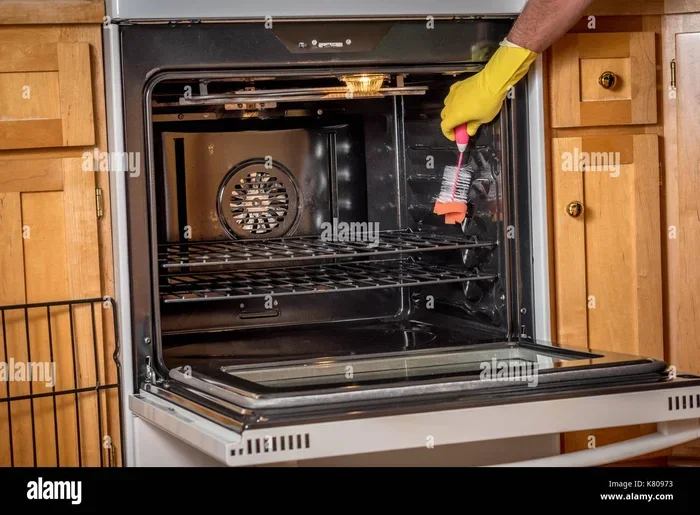
- Remove the oven racks and soak them in warm soapy water.
- Make a paste of baking soda and water. Spread it generously on the oven interior walls, avoiding the heating elements.
- Let the paste sit for at least 12 hours or overnight.
- Wipe away the dried paste with a damp cloth.
- Spray white vinegar on any remaining residue. It will fizz and help lift the last bits of grime.
- Wipe clean with a fresh damp cloth and dry thoroughly.
Method 2: Commercial Oven Cleaners
Store-bought oven cleaners are powerful and fast-acting. They work well on heavy baked-on food and stubborn grease buildup. However, use them with caution.
- Always ventilate your kitchen well before spraying.
- Wear gloves to protect your hands from harsh chemicals.
- Never use commercial cleaners on a self-cleaning oven unless the manufacturer says it is safe.
- Follow the product instructions carefully and rinse thoroughly afterward.
Method 3: Self-Cleaning Cycle
If you have a self-cleaning oven, this feature uses high heat to burn off food residue and grease. It is convenient but requires some preparation.
- Remove all racks, trays, and any loose debris before starting the cycle.
- Run the cycle in a well-ventilated room or with a window open.
- Expect some smoke and odor during the process. This is normal.
- After the cycle, wipe the interior with a damp cloth to remove the ash residue.
Method 4: Steam Cleaning
Steam cleaning is a gentler approach that works well for light maintenance between deep cleans. Boil a small pot of water inside the oven for about 15 minutes. The steam loosens tough stains and makes them easier to wipe away. This method is perfect for quick oven maintenance.
How to Maintain a Clean Oven Between Deep Cleans
The best way to make oven cleaning less overwhelming is to do small things regularly. A little effort each week keeps your oven in great shape and extends the time between deep cleans.
Wipe Spills Immediately
The moment you notice a spill or splatter, wipe it up. The longer food sits in a hot oven, the harder it becomes to remove. Keep a damp cloth or sponge nearby when you are cooking.
Use Oven Liners
An oven liner is a simple sheet you place on the bottom rack to catch drips and spills. It catches most of the mess before it can bake onto the oven floor. Just remove and wash the liner regularly.
Cover Your Dishes
When you are cooking something that might splatter, cover the dish with foil or a lid. This prevents food residue from sticking to the oven walls and ceiling.
Do Quick Wipe-Downs
Once a week, open your oven and give the interior a quick visual check. If you see any spots or splatters, wipe them with a damp cloth while the oven is still warm from recent use. Warm surfaces make cleaning much easier.
Clean the Racks Separately
Your oven racks collect a lot of grease and food bits. Remove them every few weeks and soak them in hot soapy water. Scrub gently with a non-abrasive sponge and dry them completely before putting them back.
Common Mistakes People Make When Cleaning Their Oven
Even with the best intentions, many of us make mistakes when it comes to oven cleaning. Avoiding these common errors will protect your appliance and make the process more effective.
Using Abrasive Scrubbers
Steel wool and harsh scouring pads can scratch the interior coating of your oven. Once the surface is damaged, grease buildup becomes worse because it sticks to the scratches. Always use soft cloths or non-abrasive sponges.
Skipping the Racks
People often focus only on the walls and forget the oven racks. Dirty racks transfer grime back onto your clean interior. Clean them separately as part of every oven maintenance routine.
Using Too Much Chemical Cleaner
More product does not mean a better clean. Excess chemical residue can linger inside your oven and transfer to your food. Use cleaners sparingly and rinse thoroughly.
Never Cleaning Between Uses
Some people only think about oven cleaning when the grime is already heavy. By then, the job is much harder. A little regular attention prevents the buildup from becoming overwhelming.
Ignoring the Door Glass
The oven door glass is often overlooked during cleaning sessions. A dirty glass makes it hard to see your food and can reduce your ability to monitor cooking progress. Clean it with a glass-safe cleaner every time you do a deep clean.
Using the Self-Cleaning Feature Too Often
The self-cleaning oven cycle uses extreme heat that puts stress on the appliance components. Running it too frequently can shorten the lifespan of your oven. Reserve it for when you genuinely need a deep clean, not for routine maintenance.
Expert Tips for a Sparkling Oven
Here are some pro tips from kitchen experts that make oven cleaning faster and more effective.
- Clean your oven on a slightly warm day. Warm but not hot. This softens the grime and makes it easier to wipe away.
- Always remove the racks first. You get better access to all surfaces and can clean them separately.
- Let cleaning solutions sit. Do not rush the process. Let pastes and sprays work for at least 30 minutes before wiping.
- Use a toothbrush for corners. The small bristles reach into crevices and corners where grime loves to hide.
- Dry the interior completely. Moisture left behind can lead to rust or mold. Always dry thoroughly after cleaning.
- Set a recurring reminder. Put a reminder on your phone every three months. Consistency is the key to easy oven maintenance.
Conclusion
How often should I clean my oven does not have to be a complicated question. The answer is simpler than most people think. Every three to six months for most households, with more frequent attention for heavy users, keeps your oven running at its best.
Regular oven cleaning is about more than just appearances. It improves your cooking results, protects your kitchen from fire hazards, boosts energy efficiency, and keeps your food tasting fresh. A little consistent effort goes a long way toward preventing the tough baked-on food and grease buildup that make deep cleans so difficult.
Start with small habits. Wipe spills right away, use an oven liner, and do quick weekly checks. Pair these habits with a proper oven cleaning schedule, and your oven will serve you well for years to come. Your kitchen will smell better, your food will taste better, and you will have peace of mind knowing your appliance is clean and safe.
Take action today. Open your oven, take a look inside, and decide when your next cleaning session will be. Your future self and your future meals will thank you.
Frequently Asked Questions
Can I clean my oven too often?
It is unlikely to harm your oven with regular cleaning, but using harsh chemicals too frequently can wear down the interior coating over time. Stick to gentle methods like baking soda for routine oven maintenance, and reserve strong cleaners for heavy grease buildup only.
How long does a self-cleaning oven cycle take?
Most self-cleaning oven cycles take between two and four hours. The process uses high heat to burn off food residue and grease, leaving behind ash that you can easily wipe away. Always ventilate your kitchen during the cycle.
What is the best homemade oven cleaner?
A paste made from baking soda and water is the most effective and safest homemade oven cleaner. Apply it to the interior, let it sit overnight, and wipe clean with a damp cloth. Adding vinegar to the final wipe helps lift any remaining residue.
How do I remove baked-on food from oven racks?
Soak your oven racks in a bathtub or large sink with hot water and a cup of dishwasher detergent for a few hours. The warm water loosens the baked-on food and grease, making it much easier to scrub clean with a non-abrasive sponge.
Does a dirty oven affect cooking times?
Yes, it can. Grease and grime inside the oven can block heat circulation and create uneven cooking temperatures. A dirty oven may also take longer to reach the desired oven temperature, which increases cooking times and energy use.
Is it safe to use oven cleaner on a self-cleaning oven?
Most manufacturers advise against using chemical cleaners on a self-cleaning oven. The interior coating is designed to handle the high heat of the self-cleaning cycle, and harsh chemicals can damage it. Stick to the self-cleaning feature or use only water and baking soda for maintenance.