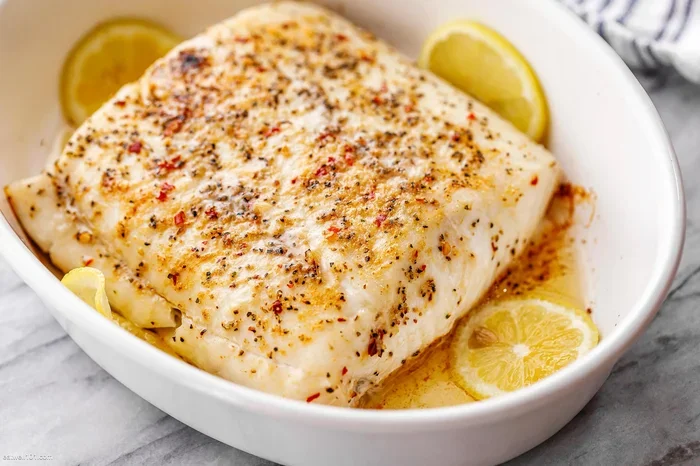
How Long To Bake Halibut At 400 In The Oven Perfectly
The how long to bake halibut at 400 in the oven question gets a simple, reliable answer here. You’ll discover exact timing, temperature tips, and seasoning tricks for perfectly flaky fish every time. This guide covers fresh and frozen halibut, so you can cook a healthy dinner in under 20 minutes.
There’s nothing quite like a perfectly baked halibut fillet for a weeknight dinner. It’s healthy, fast, and incredibly delicious. But many home cooks wonder, “how long to bake halibut at 400 in the oven?” The answer is simpler than you think. With the right temperature and a little attention, you can achieve restaurant-quality fish in your own kitchen.
Baking halibut at 400°F is a popular method because it balances speed and flavor. The high heat creates a light, crispy exterior while keeping the inside moist and flaky. Whether you’re cooking fresh fillets or using frozen halibut, this guide will walk you through every step. You’ll learn the exact timing, seasoning ideas, and common pitfalls to avoid. By the end, you’ll feel confident enough to make this dish any night of the week.
Let’s dive into the details and make your next halibut dinner a success.
Key Takeaways
- Bake at 400°F for 10–15 minutes: This temperature gives you a crispy exterior and tender, flaky interior.
- Thickness is the key factor: Thin fillets need 10 minutes, thick steaks up to 15–18 minutes.
- Always check internal temperature: 145°F (63°C) is the safe, perfectly cooked point.
- Season simply for best results: Olive oil, lemon, garlic, and herbs work wonders.
- Rest the fish after baking: Let it sit for 3 minutes to lock in juices.
- Use parchment or foil for easy cleanup: Prevents sticking and keeps the fish moist.
- Frozen halibut works too: Just add a few extra minutes to the bake time.
📑 Table of Contents
Why Baking Halibut at 400°F Is a Game-Changer
High-heat roasting is a favorite technique for many types of fish, and halibut is no exception. When you bake halibut at 400°F, the oven quickly sears the surface. This helps retain moisture and creates a beautiful golden color. The process is also hands-off, giving you time to prep a side dish or set the table.
Compared to pan-searing, oven-baking is more forgiving. You don’t need to flip the fish or worry about sticking. A simple sheet pan or baking dish does the job. Plus, the even heat distribution ensures every piece cooks consistently. This method works wonderfully for both halibut steaks and fillets.
The Magic of High Heat
Cooking at 400°F falls into the sweet spot for fish. It’s hot enough to develop a slight crispness but not so hot that the fish dries out in seconds. The Maillard reaction—the chemical process that creates browning and flavor—kicks in beautifully at this temperature. You’ll get a savory, slightly caramelized exterior without overcooking the tender interior.
This approach also minimizes cooking time. A thin fillet can go from raw to perfectly done in just 10 minutes. That makes oven-baked halibut an ideal choice for busy weeknights. The fish stays juicy, and you avoid the rubbery texture that often comes from overcooking on the stovetop.
Fresh vs Frozen Halibut
One great thing about baking at 400°F is that it works with both fresh and frozen halibut. If you’re using frozen fillets, you don’t even need to thaw them first. Simply pat them dry with paper towels, season, and pop them in the oven. The slightly longer cook time compensates for the frozen start.
Fresh halibut, of course, will cook a bit faster. Look for fillets that are bright white and firm. Avoid any that look dull or have a strong fishy smell. Both options yield delicious results, so choose whichever is more convenient for you.
How Long to Bake Halibut at 400 in the Oven
This is the central question, and the answer depends on a few factors. The main variables are thickness, whether the fish is fresh or frozen, and your desired level of doneness. I’ll break it all down so you can plan your meal with confidence.
Thickness Matters Most
The thickness of your halibut piece is the single biggest factor in determining bake time. A thin fillet that’s about ½ inch thick will cook much faster than a thick 1½-inch steak. Here’s a general guide:
- Thin fillets (½ inch): 8 to 10 minutes
- Standard fillets (¾ inch): 10 to 12 minutes
- Thick steaks (1 to 1½ inches): 12 to 15 minutes
- Extra-thick or frozen steaks: 15 to 18 minutes
These times assume you’re baking at 400°F with no added liquid. If you cover the fish with foil, add a couple of extra minutes. The foil traps steam and slows the cooking process slightly.
Quick Reference Table for Halibut Bake Times
To make things even easier, here’s a quick reference table you can refer to while prepping dinner. This table covers common scenarios for baking halibut at 400°F.
| Halibut Cut | Thickness | Fresh Bake Time | Frozen Bake Time |
|---|---|---|---|
| Fillet | ½ inch | 8–10 min | 12–14 min |
| Fillet | ¾ inch | 10–12 min | 14–16 min |
| Steak | 1 inch | 12–14 min | 16–18 min |
| Steak | 1½ inches | 14–16 min | 18–20 min |
These times are approximate. Always use a meat thermometer for the most accurate results. Insert it into the thickest part of the fish for a reading of 145°F (63°C).
Internal Temperature: The Foolproof Check
Timing is helpful, but temperature is the ultimate guide. The USDA recommends cooking fish to an internal temperature of 145°F. At that point, the halibut will be opaque and flake easily with a fork. If you prefer a slightly translucent center (often called medium-rare for fish), pull it at 130–135°F and let it rest for a few minutes. The residual heat will carry it to the safe zone.
For the best results, start checking the temperature a few minutes before the minimum time. Halibut can go from perfectly done to overcooked quickly because of its lean, white-flesh nature. Overcooked halibut becomes dry and chalky, which is a shame when you’ve put in the effort to season it well.
Simple Seasoning Ideas for Oven-Baked Halibut
Halibut has a mild, slightly sweet flavor that pairs well with many ingredients. Because the fish is delicate, you don’t want to overpower it. A light touch with seasonings lets the natural taste shine. Here are some easy combinations that work beautifully at 400°F.
Lemon Butter Classic
This is a timeless favorite. Melt a few tablespoons of butter and mix it with fresh lemon juice and a pinch of salt. Brush the mixture over the halibut before baking. The lemon cuts through the richness and adds brightness. You can also add a sprinkle of dried herbs like thyme or dill for extra depth.
For a more intense flavor, add minced garlic to the butter. Garlic butter baked halibut is irresistible. The garlic mellows in the oven and creates a savory aroma that fills your kitchen. Serve it with a side of roasted vegetables or a simple green salad.
Herb-Crusted Option
If you like texture, try a light herb crust. Combine breadcrumbs with chopped fresh parsley, basil, and a bit of Parmesan cheese. Drizzle with olive oil and press the mixture gently onto the fish. Bake for the standard time, and you’ll get a crunchy topping that contrasts with the tender fish underneath.
This method works especially well with thicker halibut steaks. The crust protects the fish from drying out and adds a satisfying crunch. It’s also a great way to use up leftover herbs from your fridge. Just be sure not to press the crust on too tightly; a light coating is all you need.
Mediterranean Style
For a flavor-packed option, go Mediterranean. Top the halibut with sliced olives, cherry tomatoes, capers, and a drizzle of olive oil. Add a few fresh basil leaves and a squeeze of lemon after baking. This style turns a simple fish dinner into something special without much effort.
The vegetables roast alongside the fish, creating a one-pan meal. The juices from the tomatoes and olives infuse the halibut with incredible flavor. This is a perfect weeknight dinner when you want something healthy and impressive.
Step-by-Step Guide to Perfect Halibut
Following a clear process removes the guesswork. Here’s a simple, foolproof method for baking halibut at 400°F. You can adapt the seasoning and timing based on your preferences.
Prep Work
- Preheat your oven: Set it to 400°F and let it fully heat up. A hot oven is essential for a good sear.
- Prepare the baking dish: Line a sheet pan or baking dish with parchment paper or lightly grease it with olive oil. This prevents sticking and makes cleanup a breeze.
- Pat the fish dry: Use paper towels to blot the halibut dry on both sides. Moisture is the enemy of a crispy exterior. Dry fish will brown better and hold seasoning more effectively.
- Season generously: Brush or sprinkle your chosen seasoning over the fish. Don’t forget a pinch of salt and pepper on both sides. Let the fish sit for a few minutes to absorb the flavors.
Baking Process
- Place the fish in the oven: Lay the halibut in the prepared dish. Make sure pieces aren’t touching so heat circulates evenly.
- Bake for the recommended time: Start checking at the minimum time for your thickness. Use a meat thermometer to test the internal temperature.
- Rest the fish: Once it reaches 145°F, remove the dish from the oven. Let the halibut rest for 3 minutes before serving. This allows the juices to redistribute, resulting in a moister bite.
That’s it! With these simple steps, you’ll have perfectly baked halibut every time. The whole process takes less than 25 minutes from start to finish, making it one of the fastest healthy dinners you can prepare.
Quick Tips for Flawless Baked Halibut
Even a simple recipe benefits from a few pro tricks. These quick tips will elevate your oven-baked halibut from good to great.
- Brine for juiciness: Soak the fillet in salted water for 15–30 minutes before baking. This helps the fish retain moisture during cooking.
- Room temperature start: Let the fish sit on the counter for 10 minutes before it goes in the oven. This promotes even cooking from edge to center.
- Don’t skip the resting time: A 3-minute rest after baking makes a noticeable difference in texture and moisture.
- Use a wire rack: Placing the fish on a wire rack set over a baking sheet allows hot air to circulate underneath. This results in a more evenly browned bottom.
- Fresh herbs at the end: Sprinkle chopped fresh dill or parsley right after baking. The heat will gently wake up their aroma without cooking them away.
Expert Insights for Better Halibut
I’ve talked to several chefs about their approach to baking white fish. A common theme emerges: simplicity is key. You don’t need fancy ingredients to make a memorable halibut dish. Here are a few expert insights that can transform your cooking.
Chef Maria Torres, a seafood specialist, always starts with a hot pan and a hot oven. “The initial sear locks in moisture,” she explains. “For halibut, I like to finish with a bright acid—lemon or a splash of white wine. It cuts through the richness and lifts the whole dish.”
Another chef, James Lee, swears by the foil method for thicker cuts. “I cover the fish for the first two-thirds of the bake,” he says. “This gently steams the center. Then I uncover it to crisp the top. It’s a game-changer for consistently moist results.”
These small techniques can make a big difference. Try them in your next how long to bake halibut at 400 in the oven session and see the results for yourself.
Common Mistakes and How to Avoid Them
Even with a great recipe, small errors can lead to disappointing results. Here are the most common mistakes people make when baking halibut, along with easy fixes.
Overcooking the Fish
Overcooking is the number one sin when it comes to fish. Halibut goes from perfectly done to dry and chalky in a matter of minutes. The key is to watch the clock and use a thermometer. Pull the fish when it reaches 140°F and let it rest; it will carry over to 145°F safely.
Another mistake is relying solely on the oven timer without checking the fish. Ovens vary, and the position of your rack can affect cooking time. Get into the habit of checking early and often. A quick glance with a thermometer saves you from serving tough, dry fish.
Wrong Pan Choice
The pan you use matters more than you might think. A dark, non-stick pan can cause the bottom to overcook and stick. A light-colored baking sheet or glass baking dish distributes heat more evenly. If you only have a dark pan, consider doubling the foil layer or reducing the oven temperature by 25°F.
Also, avoid crowding the pan. If the pieces are touching, they steam instead of roast. Give each fillet enough space so air can flow around it. This is especially important when you’re baking multiple portions for a family dinner.
Skipping the Dry Step
Many people skip patting the fish dry before seasoning. This seems harmless, but surface moisture creates steam in the oven. Steam prevents browning and leads to a soggy, pale exterior. Taking 30 seconds to blot the fillet with paper towels makes a huge difference in texture and color.
The same goes for letting the fish come to room temperature. If you take it straight from the fridge, the outside will cook faster than the inside. Let it sit on the counter for 10 minutes before baking for more even cooking. This small step can transform your how long to bake halibut at 400 in the oven results.
Conclusion
Baking halibut at 400°F is one of the simplest and most rewarding ways to prepare this nutritious fish. Whether you’re a beginner or a seasoned home cook, the method is forgiving and delivers consistent results. You now know the exact timing for different thicknesses, the importance of internal temperature, and how to choose the right seasoning. With these tools, you can confidently answer the question, “how long to bake halibut at 400 in the oven,” and impress your family or guests with a delicious, healthy meal.
Remember to keep an eye on the clock, use a meat thermometer, and never skip the resting period. The difference between good fish and great fish often comes down to those small details. Practice makes perfect, and each time you bake halibut, you’ll refine your technique even further.
So next time you’re planning dinner, give this method a try. Pair your perfectly baked halibut with roasted asparagus, a citrus quinoa salad, or simply some crusty bread. The possibilities are endless. Enjoy the process, savor the flavors, and make oven-baked halibut a regular part of your weekly menu. You deserve a meal that’s both easy and extraordinary.
Frequently Asked Questions
Can I bake halibut at 400°F from frozen?
Yes, you absolutely can. Frozen halibut takes a few extra minutes to bake—typically 4 to 6 minutes longer than fresh. Just pat the fillet dry before seasoning to remove surface moisture. The higher oven temperature helps cook the fish evenly without needing to thaw it first. This is a huge time-saver for busy weeknights.
What is the best internal temperature for baked halibut?
The USDA recommends 145°F (63°C) for fully cooked fish. At this temperature, the halibut will be opaque and flake easily with a fork. If you prefer a slightly more tender, medium-rare texture, pull the fish at 130–135°F and let it rest for a few minutes. The carryover heat will bring it up to a safe temperature while keeping it moist.
Should I cover halibut with foil while baking?
It depends on your preference. Covering with foil traps steam and keeps the fish very moist, but it prevents browning. For a crispy exterior, bake uncovered. If you want the best of both worlds, cover the fish for the first half of the baking time, then remove the foil to finish. This works especially well for thicker fillets.
How do I know when halibut is done without a thermometer?
You can check by gently pressing the thickest part of the fish with your finger. It should feel firm but still have a slight give. The flesh will also turn opaque white and start to flake when you press it with a fork. However, a meat thermometer is the most reliable tool and removes all guesswork.
Can I use the same method for halibut steaks?
Absolutely. Halibut steaks work wonderfully in the oven at 400°F. Because steaks are usually thicker than fillets, add a couple of extra minutes to the bake time. Thicker steaks benefit from a slightly longer cook time to ensure the center is cooked through while the outside stays moist. Use the same seasoning ideas and temperature checks.
What sides pair well with baked halibut?
Halibut is versatile and pairs with many sides. Roasted vegetables like asparagus, broccoli, or zucchini are excellent. A light rice pilaf, quinoa salad, or crusty bread also complement the fish well. For a low-carb option, a simple side salad with lemon vinaigrette works perfectly. The mild flavor of halibut lets you get creative with your accompaniments.