What Oven Temp For Braised Short Ribs You Must Know
The best oven temp for braised short ribs is between 300°F and 325°F. This low and slow approach breaks down tough connective tissue and turns humble cuts into fall-off-the-bone tender meat. Whether you use bone-in or boneless ribs, the right oven temperature ensures a flavorful braise with minimal effort.
There is something truly special about braised short ribs. The way tough, humble cuts of beef transform into rich, tender, and deeply flavorful dishes is nothing short of magic. If you have ever wondered about the oven temp for braised short ribs, you are in exactly the right place. Getting the temperature right is the single most important factor in achieving that perfect, melt-in-your-mouth texture that everyone loves. In this guide, we will walk you through everything you need to know about cooking braised short ribs in the oven, from the ideal temperature to the timing and techniques that make all the difference.
Many home cooks feel intimidated by braising. They think it requires advanced skills or fancy equipment. But the truth is, braising is one of the simplest and most forgiving cooking methods out there. As long as you know the right braising temperature and give the meat enough time, you will get amazing results. This article breaks down the science, the step-by-step process, and the common pitfalls so you can cook braised short ribs with total confidence. Let us dive in and explore the world of oven braising together.
Key Takeaways
- 300°F to 325°F is the sweet spot: This range delivers the most tender and flavorful braised short ribs every time.
- Low and slow cooking is essential: Gentle heat melts collagen and connective tissue for a perfect texture.
- Braising time varies by cut: Bone-in ribs take 3 to 4.5 hours, while boneless may need less time.
- Always sear the meat first: A good sear builds a rich flavor base for your flavorful braise.
- Use an oven-safe Dutch oven: The right cookware makes a big difference in even heat distribution.
- Rest your meat after cooking: Letting it rest redistributes juices for a better eating experience.
📑 Table of Contents
The Best Oven Temp For Braised Short Ribs
The short answer to “what is the best oven temp for braised short ribs” is between 300°F and 325°F. This range is widely considered the sweet spot for low and slow cooking. At these temperatures, the heat gently breaks down the tough collagen and connective tissue in the meat without drying it out. The result is fall-off-the-bone tender ribs packed with rich flavor.
You might wonder why not just crank the oven up to 350°F or higher. The answer comes down to how collagen breakdown works. Collagen is a tough protein found in connective tissue. It needs time and gentle heat to convert into gelatin. Gelatin is what gives braised dishes their silky, luscious texture. If the temperature is too high, the outer layers of the meat dry out before the collagen has time to melt properly.
Why Low and Slow Cooking Works Best
Low and slow cooking is the golden rule of braising. When you cook at 300°F to 325°F, the heat penetrates the meat gradually. This slow process allows the muscle fibers to relax and the fats to render slowly. The braising liquid also stays at a gentle simmer, which creates a moist environment that keeps the meat juicy.
Here is a simple way to think about it. Imagine you are melting butter. If you use high heat, the outside burns before the inside melts. But on low heat, the butter melts evenly and smoothly. The same principle applies to braised beef. Gentle heat means even cooking and better texture throughout.
Quick Tip: If your oven runs hot or cold, use an oven thermometer to verify the actual temperature. Many ovens can be off by 15 to 25 degrees, which can affect your braise significantly.
The Science Behind the Braising Temperature
Understanding the science behind oven braising helps you make better decisions. When meat cooks, several things happen at the cellular level. First, the proteins in the muscle fibers begin to denature. This starts around 140°F and continues as the temperature rises. Second, the collagen in the connective tissue begins to break down into gelatin. This process starts around 160°F but works best over long periods at lower temperatures.
At 300°F to 325°F, the internal temperature of the meat slowly climbs. The braising liquid stays below boiling point, which is 212°F. This creates a stable, moist environment. The meat cooks evenly, and the flavors from the liquid and aromatics penetrate deeply into the connective tissue. This is why braised short ribs taste so much better than grilled or roasted short ribs. The long, gentle cook builds layers of flavor that high-heat methods simply cannot replicate.
| Oven Temperature | Braising Time | Texture Result | Best For |
|---|---|---|---|
| 300°F | 3.5 to 4.5 hours | Very tender, rich flavor | Bone-in short ribs |
| 325°F | 3 to 4 hours | Tender, slightly firmer | Boneless short ribs |
| 350°F | 2.5 to 3.5 hours | Moderately tender | Thinner cuts or time-saving |
| 275°F | 5 to 6 hours | Ultra-tender, deep flavor | Special occasions, weekends |
As you can see from this oven temperature comparison, lower temperatures require more time but deliver superior texture. The 300°F to 325°F range offers the best balance of flavor and convenience for most home cooks.
Bone-In vs Boneless Short Ribs: Does It Change the Temp?
The cut of meat you choose does matter when it comes to braising short ribs. Both bone-in and boneless short ribs work beautifully in the oven, but they have slightly different needs. The oven temp for braised short ribs remains the same for both, but the cooking time and technique differ a bit.
Bone-In Short Ribs Cooking Guide
Bone-in short ribs are the classic choice for braising. The bone adds extra flavor to the dish as it slowly releases minerals and marrow into the braising liquid. When you cook bone-in ribs, you also get a beautiful presentation. The meat pulls away from the bone in a dramatic way that looks impressive on the plate.
For bone-in beef short ribs, stick with 300°F and plan for about 3.5 to 4.5 hours of braising time. The bone acts as an insulator, so the meat near the bone takes slightly longer to cook through. This is perfectly fine because the slow cook ensures everything becomes tender at the same pace.
Quick Tip: Look for bone-in short ribs with a good layer of fat. The fat renders during cooking and adds richness to both the meat and the sauce. Ask your butcher for well-marbled cuts for the best results.
Boneless Short Ribs Temperature Notes
Boneless short ribs cook a bit faster because there is no bone to conduct heat. You can use the same braising temperature of 300°F to 325°F, but reduce the cooking time by about 30 to 60 minutes. Boneless ribs are great for weeknight dinners when you are short on time.
One thing to watch for with boneless cuts is that they can dry out more easily. The lack of bone means less insulation, so the meat is more exposed to direct heat. To prevent this, make sure your braising liquid comes at least halfway up the meat. You can also cover the Dutch oven tightly with a lid or foil to trap moisture inside.
Some cooks prefer boneless short ribs because they are easier to slice and serve. The meat comes off in clean, uniform pieces that look great on a plate. Either cut works wonderfully for braised beef, so choose based on your preference and what is available at your local grocery store.
Step-by-Step Oven Braising Method
Now that you know the right oven temperature for braised short ribs, let us walk through the actual cooking process. Following a clear method ensures consistent, delicious results every single time. This short rib recipe approach is simple enough for beginners but produces restaurant-quality dishes.
Searing the Meat First
Searing the meat is the most important step you should never skip. Before the ribs go into the oven, you need to brown them on the stovetop. Searing creates a flavorful crust through the Maillard reaction. This is a chemical process that transforms proteins and sugars into hundreds of complex flavor compounds that make your dish taste incredible.
Here is how to do it properly. Pat the short ribs completely dry with paper towels. Season them generously with salt and pepper. Heat a small amount of oil in your oven-safe Dutch oven over medium-high heat. Once the oil is shimmering, place the ribs in the pot. Do not crowd them. Cook in batches if needed. Sear each side for about 3 to 4 minutes until you get a deep golden-brown crust.
After searing, remove the ribs and set them aside. You will notice browned bits stuck to the bottom of the pot. These are called fond, and they are packed with flavor. Do not wash them away. Instead, add your aromatics, such as onions, carrots, and garlic, and scrape up the fond as they cook. This builds the flavor foundation for an amazing flavorful braise.
Choosing the Right Braising Liquid
The braising liquid is the soul of your dish. It becomes the sauce that coats the meat and adds moisture during cooking. There are many great options, and you can get creative here. Common choices include beef broth, red wine, beer, or a combination of these.
A classic combination works like this. Use one cup of red wine and one cup of beef broth. Add tomato paste, a splash of soy sauce, and your favorite herbs like thyme and rosemary. The wine adds acidity and depth, while the broth provides body and richness. The tomato paste thickens the sauce slightly, and the soy sauce adds umami.
Quick Tip: Always use enough liquid to come at least halfway up the meat. The liquid should not cover the ribs completely. You want the meat to steam and braise, not boil. Boiling makes the meat tough and stringy. Think of the liquid as a flavor bath, not a swimming pool.
Covering vs Uncovering During Cooking
One of the most debated questions in oven braising is whether to cover the pot or leave it uncovered. The answer depends on what you are trying to achieve. For the first two-thirds of the braising time, keep the lid on. This traps moisture and creates a humid environment that gently cooks the meat.
For the final third of cooking, remove the lid. This allows some of the liquid to reduce and concentrate. The sauce thickens, and the surface of the meat develops a deeper, more complex flavor. This two-stage approach gives you the best of both worlds: tender, moist meat and a rich, flavorful sauce that tastes incredible over mashed potatoes or egg noodles.
How Long to Cook Braised Short Ribs at Different Temps
The cooking time for braised short ribs depends on the oven temperature you choose. Lower temperatures need more time, but they also produce more tender results. Let us break down the different temperature options so you can choose what works best for your schedule and preferences.
300°F Braising Method
Cooking at 300°F is the most popular method for braised short ribs. This temperature provides a gentle, even heat that is perfect for breaking down collagen. Plan for about 3.5 to 4.5 hours for bone-in ribs and 2.5 to 3.5 hours for boneless cuts.
At 300°F, the braising liquid stays at a very gentle simmer. The meat cooks slowly and evenly, absorbing all the flavors from the liquid and aromatics. This method is ideal for weekend cooking when you have plenty of time. The results are outstanding, with meat that is practically falling off the bone and a sauce that tastes like it simmered for hours.
325°F Braising Method
325°F is a slightly faster option that still delivers excellent results. This temperature is great for boneless short ribs because the meat cooks a bit more quickly without drying out. Expect a braising time of about 3 to 4 hours for bone-in and 2 to 3 hours for boneless cuts.
Many experienced cooks prefer 325°F because it offers a good balance of speed and tenderness. The meat develops a nice brown crust during the long cook, and the sauce reduces to a beautiful consistency. This temperature also works well if you are cooking for a dinner party and need the dish ready at a specific time.
350°F Braising Method
Using 350°F is the fastest oven braising method. While it still produces tender meat, the results are not quite as melt-in-your-mouth as the lower temperatures. Plan for about 2.5 to 3.5 hours. This method works best for thinner cuts or when you are short on time.
If you choose 350°F, be extra careful not to let the liquid boil. Check the pot periodically and reduce the heat if needed. You can also use a lower rack position in the oven to keep the meat further from the direct heat source. Some cooks also add a little extra braising liquid to compensate for the faster evaporation rate at this higher temperature.
Expert Insight: Professional chefs often recommend a two-stage approach. Start at 325°F for the first two hours to develop flavor through searing and browning, then reduce to 300°F for the remainder of the braising time. This technique gives you the best of both worlds: a rich, flavorful crust and incredibly tender meat that falls apart at the touch of a fork.
Common Mistakes That Ruin Braised Short Ribs
Even with the right oven temp for braised short ribs, mistakes can happen. Knowing what to avoid saves you from disappointing meals and wasted ingredients. Here are the most common errors home cooks make when braising short ribs.
Skipping the Sear
This is the number one mistake people make. Skipping the sear means your dish will lack the deep, rich flavor that makes braised short ribs so special. The Maillard reaction that happens during searing creates hundreds of flavor compounds that cannot be replicated any other way. Always take the time to brown your meat thoroughly before it goes into the oven.
If you are in a hurry, do not skip this step. Instead, adjust your schedule. A good sear only takes about 15 minutes, but it makes a world of difference in the final dish. Your taste buds will thank you every time you sit down to eat.
Using the Wrong Pan
Not all pots and pans are created equal for oven braising. You need a heavy, oven-safe Dutch oven that distributes heat evenly. Thin pots create hot spots, which lead to uneven cooking. Some areas of the meat may burn while other areas remain undercooked.
A cast iron Dutch oven or enameled cast iron pot is ideal. These materials hold heat well and maintain a consistent braising temperature throughout the cook. If you do not have a Dutch oven, you can use a heavy oven-safe roasting pan with a tight-fitting lid. Avoid using thin sheet pans or non-oven-safe pots, as these can warp or release harmful chemicals at high temperatures.
Overcrowding the Pot
Crowding the pot is another common mistake. When you stack too many ribs in the Dutch oven, they steam instead of sear. The moisture from the meat prevents the Maillard reaction from happening. This means you lose all that beautiful browning flavor.
Cook in batches if necessary. It takes a little extra time, but the results are worth it. Brown the ribs in two or three batches, then combine them in the pot for the braise. This small extra effort makes a huge difference in the final flavor and texture of your braised short ribs.
Opening the Lid Too Often
Every time you open the oven door or lift the lid, you lose heat and moisture. This extends the cooking time and can result in drier meat. Resist the urge to peek too often. Trust the process and let the oven do its work. Check the ribs only when the braising time is nearly complete, or when you need to add more liquid.
If you are worried about moisture loss, you can wrap the pot tightly in aluminum foil before putting the lid on. This creates an extra seal that traps steam inside. Some professional kitchens use this technique to ensure perfectly moist braises every single time.
Expert Tips for Perfectly Tender Braised Short Ribs
Now that you know the right temperature and common mistakes to avoid, let us look at some expert tips that will take your braised short ribs to the next level. These tips come from professional chefs and experienced home cooks who have perfected the art of oven braising.
Resting the Meat After Cooking
Resting is just as important as cooking. When you remove the ribs from the oven, let them rest for at least 15 to 20 minutes before serving. During resting, the juices redistribute throughout the meat. If you cut too soon, the juices run out onto the plate instead of staying in the meat, leaving you with dry ribs.
You can rest the ribs in the pot with the lid on. This keeps them warm while allowing the juices to settle. The meat will continue to cook slightly from residual heat, which actually helps it become even more tender. Use this resting time to prepare your side dishes and make the sauce.
Using a Meat Thermometer
A meat thermometer is your best friend when it comes to braised beef and other slow-cooked dishes. The internal temperature tells you exactly how done the meat is. For braised short ribs, you want the internal temperature to reach between 200°F and 205°F. At this range, the collagen has fully broken down into gelatin, and the meat is perfectly tender.
Insert the thermometer into the thickest part of the meat, avoiding the bone. The bone conducts heat differently and can give you a false reading. If the meat is not quite tender enough at 205°F, you can always return it to the oven for another 30 to 60 minutes. Check again until it reaches the desired tenderness.
Storing and Reheating Leftovers
Braised short ribs taste even better the next day. The flavors have time to meld and develop overnight. Store leftovers in an airtight container in the refrigerator for up to 3 to 4 days. You can also freeze them for up to 3 months.
When reheating, use low heat on the stovetop or warm them in the oven at 300°F. Avoid microwaving, as it can make the meat tough and rubbery. If the sauce has thickened too much after refrigeration, add a splash of beef broth or water when reheating to loosen it back up. The ribs will taste just as good, if not better, than the first time around.
Pairing Braised Short Ribs with the Right Sides
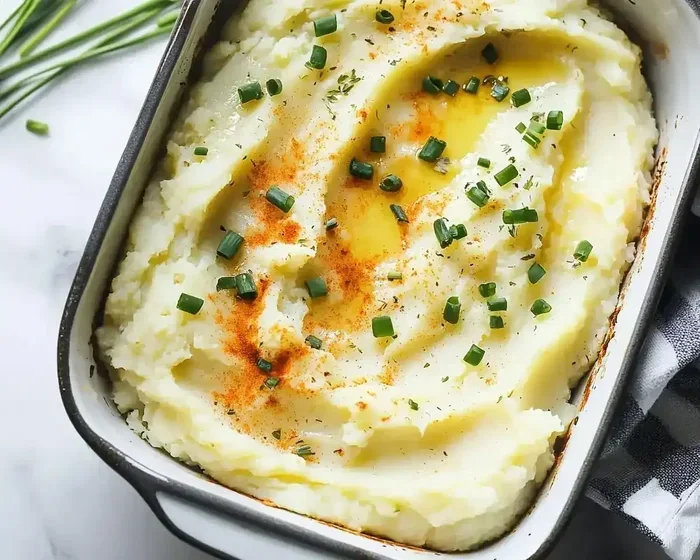
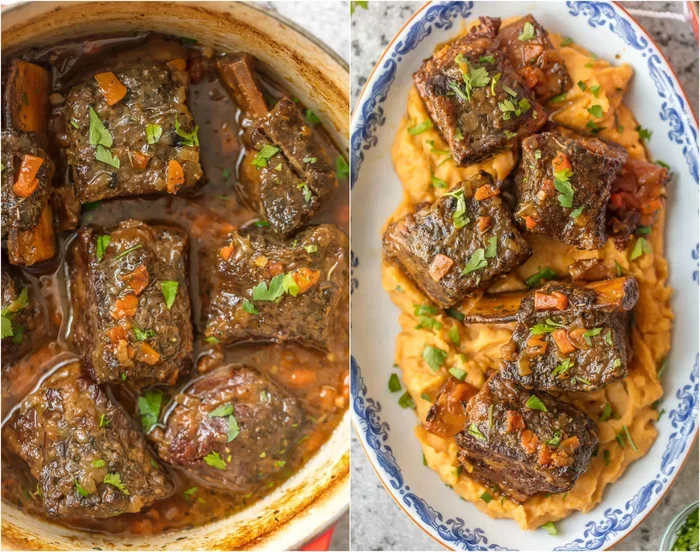
The right side dishes can elevate your braised short ribs from great to unforgettable. Creamy mashed potatoes are a classic pairing because they absorb the rich sauce beautifully. Braised short ribs also pair wonderfully with buttery egg noodles, creamy polenta, or fluffy rice. For a lighter option, serve them over a bed of roasted root vegetables or alongside a fresh green salad.
Quick Tip: Spoon some of the braising liquid over your side dish. That liquid is packed with concentrated flavor and adds an extra layer of richness to every bite. Do not let it go to waste. A little extra sauce can turn a simple side into something extraordinary.
Conclusion
Getting the oven temp for braised short ribs right is the key to unlocking restaurant-quality results in your own kitchen. The ideal range of 300°F to 325°F provides the perfect balance of gentle heat and flavorful cooking. This low and slow cooking approach transforms tough cuts into fall-off-the-bone tender masterpieces that will impress everyone at your table.
Remember to always sear your meat first, use a quality oven-safe Dutch oven, and give the ribs enough time to cook through. Avoid common mistakes like skipping the sear or opening the lid too often. With the right braising temperature and a little patience, you will create braised short ribs that are rich, flavorful, and incredibly tender every single time.
Now that you have all the knowledge you need, it is time to put it into practice. Grab a good short rib recipe, preheat your oven, and enjoy the wonderful process of creating a truly memorable meal. Happy cooking!
Frequently Asked Questions
Can I braise short ribs at 350°F instead of 300°F?
Yes, you can braise at 350°F, but the results will be slightly different. The meat cooks faster but may not be as tender as it would be at 300°F or 325°F. If you use 350°F, keep an eye on the liquid level and add more if needed. The higher temperature also increases the risk of the meat drying out, so make sure the braising liquid comes at least halfway up the ribs.
How do I know when braised short ribs are done?
The best way to check is by using a meat thermometer. The internal temperature should reach 200°F to 205°F for perfectly tender ribs. You can also test by inserting a fork into the thickest part of the meat. If the fork slides in easily and the meat pulls apart with gentle pressure, the ribs are done. The collagen has fully broken down at this point.
Can I braise short ribs in a slow cooker instead of the oven?
Absolutely. A slow cooker is a great alternative to oven braising. Set it on low for 8 to 10 hours or on high for 4 to 6 hours. The results are similar, though oven braising tends to develop a richer flavor because of the dry heat environment. If you prefer the oven method, the oven temp for braised short ribs should be between 300°F and 325°F.
Should I use bone-in or boneless short ribs for braising?
Both work wonderfully, but bone-in short ribs are the traditional choice. The bone adds extra flavor to the braising liquid and helps insulate the meat during the long cook. Boneless ribs cook faster and are easier to serve, making them great for weeknight meals. The oven temp for braised short ribs stays the same for either cut.
Can I braise short ribs the day before and reheat them?
Yes, and many chefs actually prefer this. Braised short ribs taste even better the next day as the flavors have time to meld together. Store them in the refrigerator overnight and reheat gently on the stovetop or in the oven at 300°F. The meat will absorb the sauce even more, making each bite more flavorful than the first time around.
What is the difference between braising and stewing?
The main difference is the size of the meat pieces. Braising uses larger, whole cuts of meat like short ribs, while stewing uses smaller, bite-sized pieces. Both methods use low and slow cooking in liquid, but braising typically involves searing the meat first and using less liquid that comes partway up the food. The braising temperature for both is similar, usually between 300°F and 325°F in the oven.
=== CONCLUSION ===
The oven temp for braised short ribs is the foundation of a perfect dish. Stick with 300°F to 325°F for the best results. This gentle heat range ensures that tough collagen melts into gelatin, creating fall-off-the-bone tender meat with a rich, deeply flavorful sauce. Whether you choose bone-in or boneless, searing first and using a quality oven-safe Dutch oven will take your braised short ribs from good to extraordinary.
Remember that patience is your best ingredient. Low and slow cooking cannot be rushed, but the rewards are well worth the wait. Now go preheat your oven, gather your ingredients, and enjoy the wonderful process of creating braised short ribs that will impress everyone at your table.