How To Get The Perfect Char On Chicken In Your Oven
You can achieve a beautiful char on chicken in oven without a grill. This guide shows you how to get char on chicken in oven for crispy, smoky results. We’ll cover oven settings, prep tips, and common mistakes to avoid.
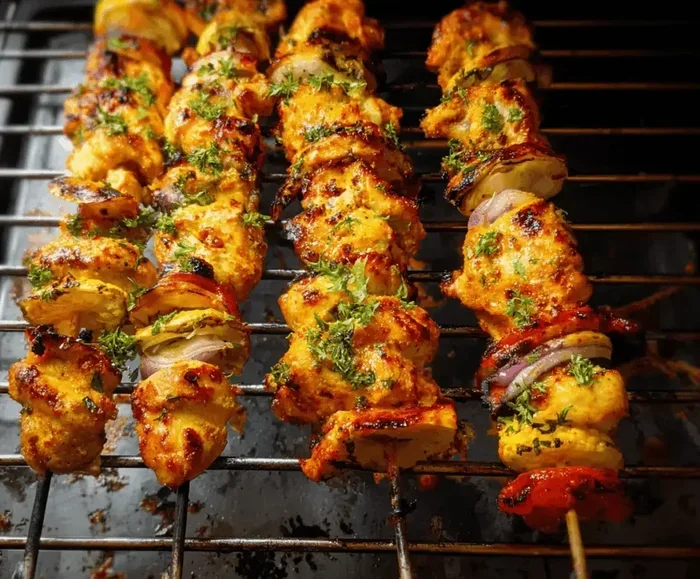
Ever wondered how to get char on chicken in oven that looks like it came from a backyard grill? You can absolutely achieve that beautiful, blistered skin right in your kitchen. Oven charred chicken brings a whole new level of texture and taste to your meals. It is crispy, smoky, and incredibly satisfying.
Many people think you need an outdoor grill to get that perfect char. But your oven can do the same job with a few simple adjustments. The broiler function is your secret weapon. It uses top-down radiant heat to mimic the flame of a grill. This creates those sought-after grill marks and a deep, caramelized crust.
Oven char chicken is also incredibly convenient. You do not have to watch over a hot fire or worry about flare-ups. You can marinate the chicken, prep your sides, and let the oven do the work. Once you master this technique, you will never go back to plain roasted chicken again.
Key Takeaways
- Use the broiler: Your oven’s broiler provides direct, intense heat that creates authentic char marks.
- Dry the skin thoroughly: Pat chicken skin completely dry to achieve maximum crispiness and crackling.
- Start with high heat: A blast of 450°F or higher sears the surface quickly for a great sear.
- Use a wire rack: Elevating the chicken allows hot air to circulate evenly, preventing steaming.
- Brush with oil wisely: A light coat of oil helps conduct heat and promotes browning without burning.
- Avoid overcooking: Use a meat thermometer to ensure juicy results while the skin gets perfectly charred.
- Rest before serving: Let the chicken rest for 5-10 minutes to lock in juices and enhance flavor.
📑 Table of Contents
- Why Char On Chicken In Oven Is Worth The Effort
- The Science Behind Getting Char On Chicken In Oven
- How To Get Char On Chicken In Oven: Step-By-Step Guide
- Best Oven Settings And Equipment For Perfect Char
- Common Mistakes To Avoid When Charring Chicken
- Flavor Variations And Serving Ideas
- Final Thoughts: Mastering The Char
Why Char On Chicken In Oven Is Worth The Effort
Oven charred chicken brings a whole new level of texture and taste to your meals. The crispy, blistered skin contrasts beautifully with the juicy meat inside. Unlike stovetop cooking, an oven gives you even heat distribution and hands-off convenience. You can walk away and focus on other parts of your meal while the broiler does the heavy lifting.
Many people assume that char requires an open flame. But your oven can deliver that same smoky, caramelized flavor with a little know-how. The broiler function is your best friend here. It uses top-down radiant heat to mimic the flame of a grill. This creates those sought-after grill marks and a deep, caramelized crust that locks in moisture.
Plus, oven char chicken is incredibly versatile. You can marinate it, spice it, or keep it simple with just salt and pepper. It works for whole chickens, bone-in pieces, or even boneless thighs. Once you master this technique, you will never go back to plain roasted chicken. The crispy skin adds a rustic, artisanal feel that elevates any dinner plate.
Quick Tips: Why Oven Char Wins
- Hands-off cooking: The broiler does the work while you prep sides.
- No special equipment: You only need a baking sheet and a wire rack.
- Fast results: Charring takes just minutes under high heat.
- Easy cleanup: Line the baking sheet with foil for quick wash-up.
- Works year-round: No need to fire up the grill in winter.
The Science Behind Getting Char On Chicken In Oven
Understanding the science helps you control the outcome. When you expose chicken skin to high heat, the fat renders out and the proteins denature. This creates a crispy, crunchy layer. The char itself comes from the caramelization of sugars and the browning of proteins. This reaction is called the Maillard reaction, and it is the key to deep, complex flavors.
Your oven’s broiler reaches temperatures of 500°F or more. This intense heat quickly chars the surface before the inside overcooks. However, you must manage the distance between the chicken and the heating element. Too close and the skin burns; too far and you get no char. I will explain the exact setup in the next section.
The broiler method works because it applies heat from above, just like a grill. The radiant energy directly hits the skin, causing rapid bubbling and blistering. This is different from regular baking, which surrounds the food with ambient heat. The direct heat creates those dark, crispy spots that define true char. The rendered fat also plays a role. As it drips away, it prevents the skin from steaming and helps the char set in.
Expert Insights: The Maillard Reaction and Chicken Skin
Chef Michael Smith explains that the Maillard reaction occurs between amino acids and reducing sugars when temperatures exceed 300°F. Chicken skin is rich in proteins and fats, making it perfect for this reaction. The dry surface is essential. Moisture keeps the temperature below the browning threshold. That is why drying the skin is the single most important step for oven char. Without a dry surface, you will get steamed, pale skin no matter how hot your broiler is.
The Role of Dry Skin in Achieving Char
Moisture is the enemy of char. Wet skin steams instead of searing. That is why drying the chicken thoroughly is the single most important step. Pat the skin with paper towels and let it air-dry in the fridge uncovered for a few hours. This step alone transforms soggy skin into crispy, crackling perfection. The longer the skin dries, the better the char will be. If you have time, leave it in the fridge overnight.
How To Get Char On Chicken In Oven: Step-By-Step Guide
This is the core of the article. I will walk you through the exact process to how to get char on chicken in oven like a pro. Follow these steps for consistent, beautiful results every time.
Prep Your Chicken The Right Way
Start with chicken pieces that have skin on. Thighs and drumsticks work best because they stay juicy and have plenty of surface area. Remove excess fat but leave the skin intact. Pat the chicken completely dry with paper towels. Let it sit at room temperature for 20-30 minutes. This ensures even cooking and prevents the inside from drying out while the outside chars.
Season generously with salt and pepper. You can add paprika, garlic powder, or any dry rub you like. The salt draws out a little moisture initially, but that helps the skin adhere. For extra flavor, brush a thin layer of oil on the skin. This helps conduct heat and promotes browning. Use a neutral oil like canola or avocado oil. Avoid olive oil for the charring step, as it has a lower smoke point and can burn quickly under the broiler.
The Oven Setup For Maximum Char
Position your oven rack about 6 inches below the broiler element. Turn the broiler to high and preheat the oven for 10 minutes. While it heats, place a wire rack over a baking sheet. This setup allows air to flow under the chicken, which is essential for even charring. Do not use a flat baking sheet; it will trap steam and soften the skin.
Arrange the chicken pieces on the rack in a single layer. Do not overcrowd. Leave space between each piece so heat can circulate. A quick tip: if your broiler only heats one side, you will need to flip the chicken halfway through. Use a rimmed baking sheet to catch any drips and prevent grease fires. A silicone mat also works well for easy cleanup.
Cooking And Monitoring The Chicken
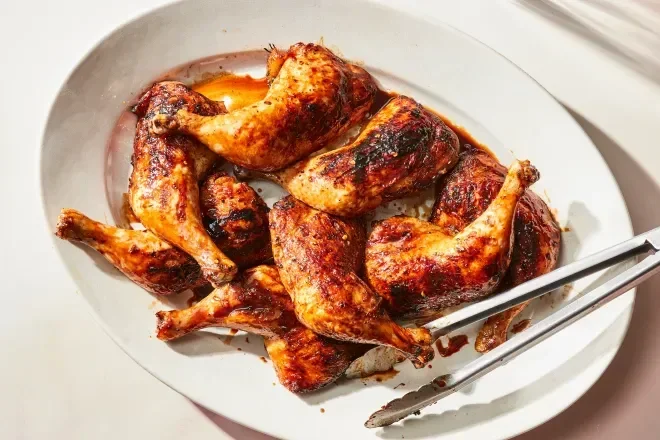
Place the baking sheet on the top oven rack and slide it under the broiler. Cook for 5-7 minutes per side. Watch the chicken closely. The skin should bubble, blister, and turn dark golden brown. You may see small black spots forming. That is the char you want. Do not panic if you see a little blackening. That is the signature of true char.
Use tongs to flip the chicken carefully. If one side is charring faster than the other, rotate the pan. The total cooking time depends on the size of the pieces. For bone-in thighs, aim for about 12-15 minutes total. Use a meat thermometer to check the internal temperature. It should reach 165°F in the thickest part. Remember, the char happens fast, so stay near the oven.
Key Takeaways: The Prep Process
- Dry the skin: Pat with paper towels and air-dry for at least 30 minutes.
- Season simply: Salt, pepper, and a light brush of oil are all you need for great char.
- Use a wire rack: This is non-negotiable for even airflow and blistering skin.
- Single layer: Overcrowding is the fastest way to ruin your char.
- Stay vigilant: The broiler works fast, so keep an eye on the chicken.
Best Oven Settings And Equipment For Perfect Char
Getting the right oven settings is crucial. Not all ovens behave the same. I will break down the best configurations for oven charred chicken. The right equipment makes a huge difference in the final result.
Temperature Guidelines For Charred Chicken
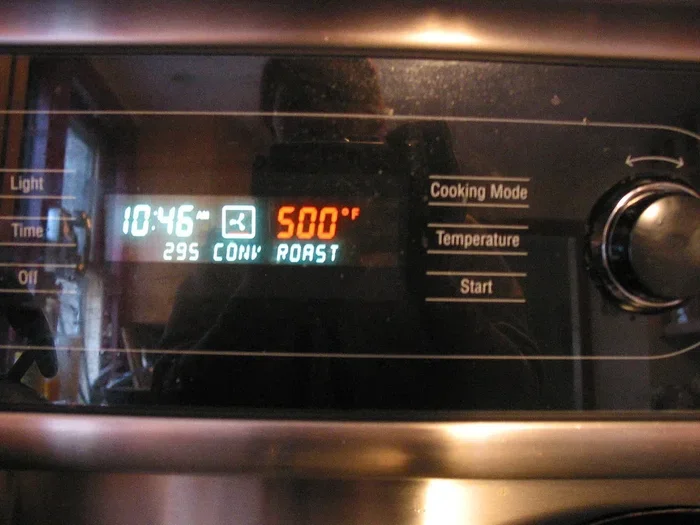
For oven char, you want high heat. Set your oven to 450°F or higher if possible. The broiler function is essential because it provides direct, top-down heat. If your oven does not have a broiler, you can use the bake setting at 500°F and place the chicken on the top rack. However, the broiler gives much better results. The direct radiant heat creates a more intense sear and deeper char.
Some ovens have a “broil” setting with high and low options. Always choose high broil for the most intense heat. If your broiler has a “low” setting, reserve it for thicker cuts that need more time without burning the outside. If you are unsure, start with the high setting and watch the chicken closely. You can always move the pan lower if the char is happening too fast.
Broiler Vs. Bake Mode: Which Is Better
The broiler is the clear winner for char. It mimics the direct flame of a grill. The bake mode surrounds the chicken with ambient heat, which is great for roasting but does not create the same blistered effect. If you want a hybrid approach, you can start with a bake at 425°F for 10 minutes to cook the inside, then switch to broil for the final 5-7 minutes to char the skin. This two-step method is perfect for larger pieces or whole chickens where you want the inside fully cooked but the skin deeply charred.
Essential Equipment For Oven Char
You do not need much special equipment. A sturdy baking sheet and a wire rack are the only must-haves. A rimmed baking sheet prevents grease spills. A wire rack made of chrome or stainless steel works best because it conducts heat and allows airflow. Avoid non-stick racks as they can stick and may not withstand the extreme broiler heat.
Other helpful tools include long-handled tongs for flipping, a meat thermometer for accuracy, and a spray bottle for oil. If you want to catch drips, line the sheet with aluminum foil or a silicone mat. A small oven-safe brush helps apply oil evenly. Some cooks also like to use a pizza stone placed on a lower rack to absorb excess moisture and improve heat circulation. This is an advanced tip that yields exceptionally crispy skin.
Common Mistakes: Oven Settings
The most common mistake is not preheating the broiler long enough. Give it at least 10 minutes to reach full temperature. Another error is using the wrong rack position. If the chicken is too close to the element, it burns. If it is too far, you get no char. Start at 6 inches and adjust based on your oven’s behavior. Finally, do not open the oven door constantly. Each time you open it, you lose heat and slow down the charring process.
Common Mistakes To Avoid When Charring Chicken
Even with the best recipe, mistakes can ruin your char. I have seen many home cooks make these errors. Here is how to avoid them and get perfect results every time.
Skipping The Dry Skin Step
The number one mistake is not drying the skin. Wet skin will steam and turn rubbery instead of crispy. Always pat the chicken dry and let it air-dry in the fridge for at least 30 minutes. This simple step makes a huge difference in the final texture. If you are short on time, at least pat the skin as dry as possible right before seasoning. The drier the surface, the better the char will be.
Overcrowding The Pan
Putting too many pieces on the baking sheet blocks airflow. The chicken steams instead of charring. Give each piece plenty of space. If you need to cook more, use two baking sheets or work in batches. The extra effort is worth the perfectly charred result. Crowding also lowers the oven temperature around the chicken, leading to uneven cooking and pale skin.
Standing Too Close To The Broiler
Distance matters. If the chicken is too close to the broiler element, the skin burns before the fat renders. If it is too far, you get no char. Start with the rack 6 inches below the broiler. Check the chicken every 3-4 minutes and adjust the rack position if needed. Each oven runs hot differently, so stay alert. Move the pan to a lower rack if the top is burning while the inside is still raw.
Using Too Much Oil Or Marinade
A little oil helps, but too much causes flare-ups and uneven char. Excess marinade with sugar can burn quickly, leaving a bitter taste. Use a thin, even coat. If you use a sugary marinade, apply it only in the last few minutes of cooking. A light brush of oil is all you need. You can also use a mister bottle to coat the skin with just a fine layer of fat.
Expert Insights: Fixing Common Charring Issues
If your char is uneven, try rotating the pan halfway through cooking. If the skin is burning but the meat is still raw, move the rack further from the broiler and reduce the cooking time per side. If the chicken is cooking too slowly, raise the rack closer to the element but watch it like a hawk. Another pro tip is to pat the chicken dry again right before it goes in the oven. This removes any moisture that has surfaced during the resting period.
Flavor Variations And Serving Ideas
Once you master the basic char, you can experiment with flavors. Oven charred chicken pairs well with countless seasonings and sauces. Here are some ideas to try. The charred skin acts as a perfect canvas for bold flavors.
Spice Rubs For Smoky Char
Try a smoky spice rub with paprika, cumin, chili powder, and brown sugar. The sugar helps caramelize and deepen the char. For a Southwest twist, use lime juice, cilantro, and a pinch of cayenne. A simple lemon and herb rub with thyme and rosemary also works beautifully. You can also go Asian-inspired with five-spice powder, ginger, and a touch of honey. The options are endless. Just remember to keep the sugar content low if you are broiling for a long time, as sugar burns quickly.
Glazes And Sauces To Finish
Brush the chicken with a glaze during the last 2-3 minutes of broiling. A honey-soy glaze adds a sweet-savory balance. A buffalo sauce glaze gives a spicy kick. For a Mediterranean flair, drizzle with olive oil and a sprinkle of za’atar after cooking. These glazes add a shiny, flavorful coating that complements the char. You can also serve the chicken with a dipping sauce on the side. Chimichurri, tahini, or a simple yogurt sauce all work wonderfully.
Serving Suggestions
Serve oven charred chicken with roasted vegetables, a fresh salad, or crusty bread to soak up the juices. It makes a great centerpiece for a summer dinner or a quick weeknight meal. The charred skin adds a rustic, artisanal feel to any plate. Pair with a cool yogurt sauce or a squeeze of lemon to brighten the flavors. For a complete meal, serve with roasted potatoes and grilled asparagus. The contrast of the crispy chicken with tender, charred vegetables is simply delightful.
Final Thoughts: Mastering The Char
Getting the perfect char on chicken in oven is easier than you think. With the right setup, a little patience, and attention to detail, you can achieve restaurant-quality results at home. The key is to dry the skin, use high heat, and keep a close eye on the chicken. Do not be afraid of the broiler. It is your best tool for creating that deep, smoky flavor without leaving the kitchen.
Remember, practice makes perfect. Each time you cook, you will learn how your oven behaves and how to adjust the timing and distance. Soon, you will be able to whip up crispy, charred chicken whenever you want. It is a skill that will impress your family and friends and elevate your everyday cooking. The satisfying crunch of perfectly charred skin is worth the effort.
Now that you know how to get char on chicken in oven, it is time to fire up your broiler. Grab some chicken, season it well, and enjoy the crispy, smoky results. Happy cooking!
Question?
Can I use a regular bake setting instead of the broiler? Yes, but the results will be different. Baking at 500°F on the top rack can give some char, but the broiler provides direct, intense heat that creates a more authentic grilled look and flavor. If you only have the bake setting, crank the temperature to the max and watch the chicken closely to prevent burning.
Question?
How long should I let the chicken dry in the fridge? For best results, leave the uncovered chicken in the fridge for 2 to 4 hours. Even 30 minutes helps, but longer drying time leads to crispier skin. If you are short on time, pat it very dry with paper towels right before seasoning.
Question?
What type of chicken works best for oven char? Bone-in, skin-on pieces like thighs, drumsticks, and wings are ideal. They have more fat and skin, which crisps up beautifully. Boneless, skinless chicken breast can also be charred, but it dries out faster, so watch the cooking time carefully.
Question?
Why is my chicken skin not getting crispy? The most common reason is moisture. If the skin is not dried thoroughly, it will steam instead of crisping. Also, make sure your oven is fully preheated and the broiler is on high. Overcrowding the pan traps steam and prevents charring. Use a wire rack to allow air to flow underneath.
Question?
Can I char chicken in a convection oven? Yes, convection ovens work well for charring chicken. The fan circulates hot air, which can help create an even char. However, convection ovens run hotter, so reduce the temperature by 25°F and check the chicken earlier. You may need to flip the pieces to ensure even browning.
Question?
Is oven charred chicken healthy compared to grilled chicken? Oven charred chicken is a healthy cooking method. It uses less added fat than frying and does not produce the same level of harmful compounds as charcoal grilling. The char on the skin adds flavor without needing heavy sauces. Just be sure to trim excess fat before cooking to keep the meal lean.
Frequently Asked Questions
What is How To Get Char On Chicken In Oven?
How To Get Char On Chicken In Oven is an important topic with many practical applications.