How Long To Cook Skinless Salmon In Oven For Perfect Results
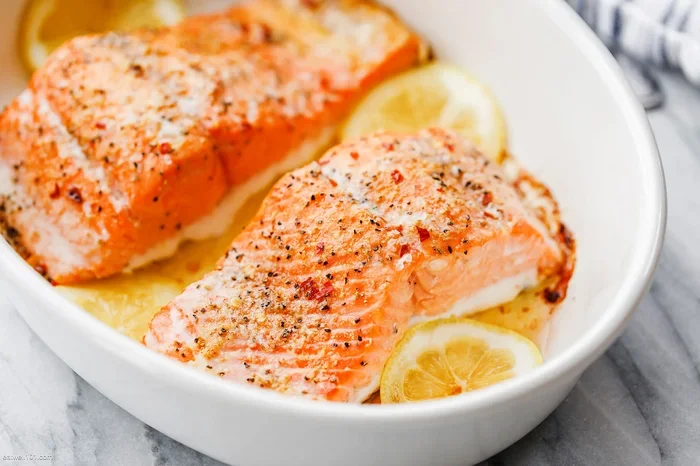
Cooking skinless salmon in the oven takes about 12 to 15 minutes at 400°F. The exact time depends on the thickness of your fillet and whether you want it medium or well done. This guide covers everything you need to know about oven baked salmon, from temperature settings to pro tips for moist, flavorful results.
There are few things as satisfying as pulling a beautiful piece of skinless salmon out of the oven. The fish is golden on the outside, flaky on the inside, and packed with flavor. But getting it just right can feel tricky if you have never done it before.
If you have ever wondered how long to cook skinless salmon in oven, you are in the right place. This guide walks you through every step. We cover temperatures, timing, common mistakes, and simple tips that make a huge difference. Whether you are a beginner or a seasoned home cook, you will find useful advice here.
The good news is that baking salmon is one of the easiest meals you can make. It does not require fancy equipment or complicated techniques. With the right oven temperature for salmon and a little patience, you can serve restaurant-quality fish at home.
Key Takeaways
- Standard Cook Time: Most skinless salmon fillets need 12 to 15 minutes at 400°F.
- Thickness Matters: Thicker cuts take longer, while thin fillets cook fast.
- Internal Temp Is Key: The FDA recommends an internal temperature of 145°F for safe eating.
- Pat Dry Before Cooking: Removing moisture helps get a nice sear and crispy edges.
- Rest Your Salmon: Let it sit for 3 to 5 minutes after baking for juicier results.
- Avoid Overcooking: Check early and often to keep the fish tender and moist.
📑 Table of Contents
- The Ideal Oven Temperature For Skinless Salmon
- How Long To Cook Skinless Salmon In Oven
- Step-By-Step Guide To Baking Skinless Salmon
- Tips For Perfectly Moist Salmon Every Time
- Common Mistakes To Avoid When Cooking Skinless Salmon
- Best Side Dishes To Serve With Baked Salmon
- How To Store And Reheat Leftover Salmon
- Final Thoughts On Cooking Skinless Salmon
The Ideal Oven Temperature For Skinless Salmon
Getting the oven temperature for salmon right is the first step to great results. Most recipes call for 400°F. This temperature cooks the fish evenly without drying it out. It also helps develop a light crust on the outside while keeping the inside tender.
Some cooks prefer 375°F for a slower, gentler cook. This works well for thicker fillets. The lower heat gives the salmon more time to cook through without overcooking the edges. On the other hand, 425°F is great if you are short on time. The higher heat speeds things up but requires closer attention.
Why 400°F Is The Sweet Spot
At 400°F, the salmon cooking time falls in a perfect range. The outside gets a subtle golden color while the inside stays moist and juicy. This temperature also works well with most seasonings. Herbs, lemon, and garlic all bloom nicely at 400°F, adding deep flavor to your oven roasted salmon.
Here is a quick comparison of common temperatures:
- 375°F: Slower cook, great for thick fillets, very gentle.
- 400°F: The most popular choice. Balanced cook time and flavor.
- 425°F: Faster cook, ideal for thin fillets or when you are in a hurry.
- 450°F: Quick sear effect, but higher risk of drying out.
For most bake salmon fillet recipes, 400°F gives the best balance of speed and quality. It is the go-to temperature for how to cook salmon in a standard home oven.
How Long To Cook Skinless Salmon In Oven
The salmon fillet cooking time depends on a few factors. The thickness of the fillet is the biggest one. A thin piece of skinless salmon cooks much faster than a thick steak-style cut. The starting temperature of the fish also matters. Cold salmon straight from the fridge takes longer than salmon that sits at room temperature for a few minutes.
Here is a general guide for cooking salmon at 400°F:
- Thin fillets (1/2 inch): 8 to 10 minutes
- Medium fillets (3/4 inch): 10 to 12 minutes
- Thick fillets (1 inch): 12 to 15 minutes
- Extra thick cuts (1.5 inches): 15 to 18 minutes
These times are estimates. The best way to know if your salmon filet is done is to use a meat thermometer. Insert it into the thickest part of the fish. The salmon internal temp should read 145°F for safe and fully cooked fish.
Cooking Time By Weight
If you are cooking salmon per pound, the time is roughly the same across sizes. A one-pound fillet and a two-pound fillet of the same thickness will cook in similar time. The thickness is what really matters, not the total weight. A wide, thin piece of fresh salmon will cook faster than a narrow, thick piece, even if the narrow one weighs less.
For best results, measure the thickest part of your fillet. Use that measurement to estimate your cooking time salmon. This simple trick takes the guesswork out of the process.
Step-By-Step Guide To Baking Skinless Salmon
Now that you know the temperature and timing, let us walk through the process. Baking skinless salmon is simple, but a few small steps make a big difference in the final result.
Step 1: Prep The Salmon
Take your skinless salmon out of the fridge about 10 to 15 minutes before cooking. Letting it warm up slightly helps it cook more evenly. Pat the fillet dry with paper towels. This step is important. Moisture on the surface creates steam, which prevents a nice golden crust from forming.
Season your salmon dish with salt, pepper, and any herbs or spices you like. Olive oil, lemon juice, and garlic are classic choices. Keep it simple. Good fresh salmon does not need a lot of fuss.
Step 2: Preheat The Oven
Preheat your oven to 400°F. Let it fully heat up before the salmon goes in. A properly preheated oven ensures even cooking from the start. If you place the fish in a cold oven, the salmon cooking time increases and the results are less consistent.
While the oven heats, line a baking sheet with parchment paper or aluminum foil. This makes cleanup much easier. If you are using a toaster oven, check is parchment paper toaster oven safe before lining your tray. Most parchment papers handle up to 425°F, which works perfectly for this recipe.
Step 3: Place The Salmon On The Baking Sheet
Lay the fillet skin-side down on the prepared baking sheet. Make sure the pieces are not touching if you are cooking multiple fillets. Space them out so hot air can circulate around each piece. This helps the oven baked salmon cook evenly on all sides.
If you are using a glass or ceramic dish, make sure it is can I put a plate in the oven safe. Most oven-safe dishes work fine, but always check the manufacturer’s guidelines to avoid any accidents.
Step 4: Bake And Monitor
Place the baking sheet on the center rack of your oven. Set a timer based on the thickness guide above. Start checking the fish a couple of minutes before the estimated time is up. Every oven is slightly different, so the actual salmon fillet cooking time may vary.
Use a meat thermometer to check the internal temperature. When it reaches 145°F, the salmon is done. If you do not have a thermometer, look for the fish to flake easily with a fork and appear opaque throughout.
Step 5: Rest And Serve
Remove the salmon from the oven and let it rest for 3 to 5 minutes. This resting period allows the juices to redistribute throughout the fillet. The result is a more moist and flavorful piece of fish.
Serve your oven roasted salmon with lemon wedges, fresh dill, or your favorite side dishes. The fish pairs beautifully with roasted vegetables, rice, or a light salad.
Tips For Perfectly Moist Salmon Every Time
Even with the right temperature and timing, small details can make or break your bake salmon fillet. Here are some proven tips to get the best results every time you cook skinless salmon in the oven.
Buy Quality Fish
The starting quality of your fresh salmon matters a lot. Look for bright-colored fillets with a clean, ocean-like smell. Avoid any fish that looks dull or has a strong fishy odor. Good-quality salmon pieces from a trusted source will always taste better.
Do Not Overcook
Overcooking is the number one mistake people make with cooking salmon. The fish goes from perfectly done to dry and chalky very quickly. Start checking early. It is always better to pull the salmon out a minute or two early and let carryover cooking finish the job.
Use A Baking Rack
If you want even crispier results, place a small wire rack on top of your baking sheet. Set the salmon on the rack. This allows air to flow underneath the fillet, promoting even cooking and a better texture. It is a small change that makes a noticeable difference.
Add A Glaze Near The End
If you like a sweet or savory glaze, apply it in the last 3 to 4 minutes of cooking. Honey, soy sauce, and maple syrup all work well. Adding the glaze too early causes it to burn in the hot oven. A late addition gives you a beautiful, caramelized finish without any risk of charring.
Clean Your Oven Afterward
Baking salmon can leave some residue in the oven, especially if there is any oil splatter. If you are using a Hamilton Beach toaster oven, cleaning it after use keeps it running efficiently. A quick wipe-down after the oven cools makes the next cooking session much easier. Check out our guide on how to clean Hamilton Beach toaster oven for step-by-step instructions.
Common Mistakes To Avoid When Cooking Skinless Salmon
Even experienced cooks sometimes make errors when preparing skinless salmon. Knowing what to avoid saves time and prevents disappointing meals.
Skipping The Pat-Dry Step
Moisture is the enemy of a good crust. If you skip drying the fillet, the surface steams instead of searing. This leads to pale, soft skin-like areas on the fish. Always pat your skinless salmon thoroughly with paper towels before seasoning.
Using The Wrong Pan
Not all pans are equal for oven roasted salmon. Thin, flimsy baking sheets can cause the fish to stick or cook unevenly. Use a sturdy, heavy baking sheet or a glass baking dish. A well-made pan distributes heat more evenly, which is especially important for thinner fillets.
Opening The Oven Door Too Often
Every time you open the oven door, heat escapes. This can extend the salmon cooking time and lead to uneven results. Trust your timer and only open the door when you are ready to check the fish. Use the oven light to peek if you need to.
Ignoring Carryover Cooking
The salmon continues to cook after you take it out of the oven. This carryover effect raises the internal temperature by a few degrees. Pulling the fish out at 140°F and letting it rest will bring it up to the safe 145°F. This trick keeps the salmon moist and prevents overcooking.
Best Side Dishes To Serve With Baked Salmon
Oven baked salmon pairs well with a wide variety of sides. Here are some ideas that complement the fish without overwhelming it.
- Roasted vegetables: Asparagus, broccoli, and zucchini all work great. You can cook them on the same sheet pan as the salmon to save time.
- Rice or quinoa: A light grain absorbs the salmon’s juices beautifully.
- Mashed potatoes: A classic comfort pairing that works every time.
- Salad: A fresh green salad with a light vinaigrette balances the richness of the fish.
- Roasted potatoes: If you want something heartier, crispy roasted potatoes are a great choice. You can bake them alongside the salmon, though keep in mind that how long do potatoes take to cook in the oven is longer than salmon, so start the potatoes first.
These sides are simple to prepare and let the salmon filet shine as the star of the meal.
How To Store And Reheat Leftover Salmon
If you have leftover skinless salmon, storing it properly keeps it fresh and safe to eat.
Let the salmon cool to room temperature within two hours of cooking. Place it in an airtight container and refrigerate. Properly stored, cooked salmon lasts 3 to 4 days in the fridge.
To reheat, use a low oven temperature around 275°F. Cover the fillet loosely with foil to prevent it from drying out. Heat for about 10 to 15 minutes, or until the internal temperature reaches 145°F. Avoid using the microwave, as it tends to make the fish rubbery and unevenly heated.
Final Thoughts On Cooking Skinless Salmon
Learning how long to cook skinless salmon in oven is a simple skill that opens up a world of quick, healthy, and delicious meals. With the right temperature, timing, and a few basic tips, you can serve beautiful bake salmon fillet dishes any night of the week.
Remember to pat the fish dry, use a meat thermometer, and avoid overcooking. These small habits separate good salmon from great salmon. The more you practice, the more confident you will become in the kitchen.
Skinless salmon is versatile, nutritious, and incredibly satisfying. It is one of the best proteins you can cook at home. So preheat your oven, grab some fresh salmon, and give it a try. You will be amazed at how easy it is to make restaurant-quality fish in your own kitchen.
Whether you are cooking for yourself, your family, or guests, perfectly baked salmon always impresses. Keep this guide handy for your next salmon recipe adventure. Happy cooking!
Frequently Asked Questions
How Long Does It Take To Cook Skinless Salmon At 400 Degrees?
At 400°F, most skinless salmon fillets take 12 to 15 minutes. Thinner fillets may be done in 8 to 10 minutes, while thicker cuts can take up to 18 minutes. Always check the internal temperature to be sure it reaches 145°F.
Can I Cook Skinless Salmon At A Lower Temperature?
Yes, you can cook salmon at 375°F. It will take a few minutes longer but results in a gentler, more even cook. This method works well for thicker fillets that need more time in the oven without drying out.
Do I Need To Flip The Salmon While Baking?
No, you do not need to flip skinless salmon. Place it skin-side down and let the oven cook it from one side. The top will cook evenly without turning. Just make sure your oven rack is in the center position for the best heat distribution.
Is It Safe To Eat Salmon That Is Slightly Pink In The Middle?
The FDA recommends cooking salmon to an internal temperature of 145°F. At this temperature, the fish is fully opaque and flakes easily. A slightly pink center may indicate the fish is undercooked, which can pose a food safety risk. Use a meat thermometer to be certain.
What Is The Best Way To Tell If Salmon Is Done?
The easiest way is to use a meat thermometer. Insert it into the thickest part of the fillet. When it reads 145°F, the salmon is done. You can also check by gently pressing the top of the fish with your finger. It should feel firm but still give slightly, and the fish should flake apart easily with a fork.
Can I Use Frozen Skinless Salmon For Oven Baking?
Yes, you can bake frozen salmon, but you will need to increase the cooking time by about 50 percent. It is best to let the fish thaw slightly at room temperature first for more even cooking. Pat it dry after thawing, then season and bake as usual.