How Long Do You Cook Kalbi In The Oven For Juicy Results
Cooking kalbi in the oven is one of the easiest ways to get tender, flavorful Korean short ribs at home. The cooking time for kalbi in the oven typically ranges from 2.5 to 4 hours depending on the cut and temperature you choose. Low and slow oven roasting breaks down the connective tissue in beef ribs, creating a juicy, caramelized result that rivals any grill. Whether you are using a bone-in or boneless cut, this guide covers everything you need to know about oven-baked kalbi timing, temperature, and technique.
Key Takeaways
- Cook kalbi at 300-325°F for 2.5 to 4 hours for the best balance of tenderness and flavor.
- Bone-in short ribs need more time than boneless cuts, so plan accordingly.
- Marinating your kalbi for at least 4 hours (overnight is best) deepens the flavor significantly.
- Use a meat thermometer to check that the internal temperature reaches 200-205°F for fall-off-the-bone tenderness.
- Let the kalbi rest for 10-15 minutes after cooking to lock in the juices.
- Line your baking dish with parchment for easy cleanup and to prevent sticking.
- Pair your oven kalbi with steamed rice and roasted vegetables for a complete Korean BBQ experience at home.
📑 Table of Contents
- What Is Kalbi and Why Cook It in the Oven?
- How Long Do You Cook Kalbi In The Oven?
- The Best Oven Temperature for Kalbi
- Preparing Your Kalbi for Oven Cooking
- Tips for Juicy and Tender Oven Kalbi
- Common Mistakes to Avoid When Cooking Kalbi in the Oven
- Serving and Storing Your Oven Kalbi
- Final Thoughts on Cooking Kalbi in the Oven
What Is Kalbi and Why Cook It in the Oven?
Kalbi is a beloved Korean dish made from beef short ribs. The meat is typically marinated in a sweet and savory blend of soy sauce, sesame oil, garlic, and sugar. Then it gets grilled or roasted until it turns tender and caramelized. Many people love Korean BBQ at restaurants, but making oven-baked kalbi at home is just as rewarding.
Cooking kalbi in the oven gives you hands-free time. You do not need to stand over a hot grill flipping ribs every few minutes. Instead, you set the temperature, pop the dish in, and let the oven do the work. This low and slow oven ribs method is perfect for weeknight dinners or weekend gatherings. It also works well if you do not have access to an outdoor grill.
The oven acts like a sealed environment that traps moisture. This means your marinated beef ribs stay juicy throughout the cooking process. The slow heat also allows the glaze to penetrate deep into the meat. You end up with caramelized oven kalbi that has a rich, complex flavor profile.
If you have ever wondered whether you can replicate restaurant-quality kalbi at home, the answer is absolutely yes. The key lies in understanding how long do you cook kalbi in the oven and getting the temperature right. This guide walks you through every step of the process.
How Long Do You Cook Kalbi In The Oven?
The cooking time for kalbi in the oven depends on several factors. The thickness of the ribs, whether they are bone-in or boneless, and the oven temperature all play a role. Here is a general breakdown to help you plan your cooking schedule.
Bone-In Kalbi Cooking Time
Bone-in short ribs oven cooking takes longer because the bone slows down heat transfer to the meat. You should plan for about 3 to 4 hours at 325°F. The bone adds flavor, but it also means the meat around it takes more time to become tender.
For bone-in kalbi, I recommend starting the check at the 2.5-hour mark. Use a fork to test the meat. If it easily pulls away from the bone, your oven-baked kalbi is ready. If it still feels tough, give it another 30 minutes and check again.
Boneless Kalbi Cooking Time
Boneless kalbi cooks faster because there is no bone to conduct heat slowly. At 325°F, boneless cuts typically need about 2 to 2.5 hours. Thinner slices may be done in as little as 1.5 hours, while thicker pieces could take closer to 3 hours.
The advantage of boneless kalbi is that you can cut it into more uniform pieces. This ensures even cooking throughout. If you buy pre-cut boneless short ribs, ask your butcher to slice them to about 1-inch thickness for the best results.
Quick Reference: Kalbi Cooking Times
- Bone-in kalbi at 325°F: 3 to 4 hours
- Boneless kalbi at 325°F: 2 to 2.5 hours
- Bone-in kalbi at 300°F: 3.5 to 5 hours (low and slow)
- Boneless kalbi at 300°F: 2.5 to 3.5 hours
- Thin-sliced kalbi at 350°F: 1.5 to 2 hours
These times are guidelines, not rigid rules. Every oven runs slightly differently. Always use a meat thermometer to confirm doneness. The internal temperature should reach 200 to 205°F for the most tender results.
The Best Oven Temperature for Kalbi
Temperature is just as important as time when it comes to oven-braised short ribs. Too high and the outside burns before the inside becomes tender. Too low and the meat dries out before the connective tissue has time to break down.
Why 325°F Is the Sweet Spot
Most experts agree that 325°F is the ideal oven temperature for kalbi. At this temperature, the fat renders slowly and evenly. The collagen in the connective tissue converts to gelatin, which gives the meat its silky, tender texture. The marinade also caramelizes beautifully without burning.
If you want a slightly richer flavor with a deeper glaze, you can drop the temperature to 300°F. This extends the cooking time but produces incredibly tender meat. Think of it as a low and slow oven ribs approach. The trade-off is more time, but the results are worth it.
Can You Cook Kalbi at Higher Temperatures?
You can cook kalbi at 375°F or even 400°F, but you need to watch it closely. Higher temperatures reduce cooking time but increase the risk of the glaze burning. If you choose to go this route, check the ribs every 20 to 30 minutes. You may also want to cover the dish with foil for the first half of cooking to prevent excessive browning.
Some people like to start at a higher temperature for 15 minutes to sear the surface. Then they drop it down to 325°F for the remainder of the cooking time for kalbi in the oven. This two-step method gives you a nice crust on the outside while keeping the inside moist.
Preparing Your Kalbi for Oven Cooking
Proper preparation makes a huge difference in your final result. Taking the time to prep your kalbi correctly ensures that every bite is full of flavor and tenderness.
Choosing the Right Cut
Look for beef short ribs that have a good amount of marbling. The fat keeps the meat moist during the long cooking process. Bone-in English cut short ribs are the most traditional choice for kalbi. They have a nice balance of meat and fat that renders beautifully in the oven.
If you prefer a leaner option, you can use boneless short ribs. Just know that they will cook faster and may not have quite as much depth of flavor. You can also ask your butcher to trim the ribs to your preferred thickness.
Marinating Your Kalbi
The marinade is the soul of kalbi. A classic Korean short ribs marinade includes soy sauce, brown sugar, sesame oil, garlic, ginger, and pear or apple juice. The fruit juice acts as a natural tenderizer, breaking down the proteins in the meat.
For the best flavor, marinate your kalbi for at least 4 hours. Overnight marinating in the refrigerator is even better. The longer the meat sits in the marinade, the deeper the flavor penetrates. If you are short on time, even 2 hours of marinating will make a noticeable difference.
Make sure you place the marinating ribs in a covered container or a zip-lock bag. This prevents the marinade from drying out and keeps everything sanitary. Turn the ribs occasionally so that all sides absorb the flavors evenly.
Setting Up Your Baking Dish
Use a oven-safe baking dish that is large enough to hold the ribs in a single layer. If your ribs are too crowded, they will steam instead of roast. This prevents proper caramelization and leads to soggy results.
You can line the dish with parchment paper for easy cleanup. Just make sure the parchment you use is safe for oven use. Check out whether parchment paper is toaster oven safe if you are using a smaller oven or toaster oven setup. For regular ovens, standard parchment paper works perfectly at kalbi cooking temperatures.
Also, make sure your dish is oven-safe and can handle the heat. If you are using a glass dish, reduce the temperature by 25°F to prevent thermal shock. Metal baking dishes and ceramic lasagna pans work great for oven kalbi.
Tips for Juicy and Tender Oven Kalbi
Getting juicy oven ribs every time comes down to a few key techniques. These tips will help you avoid common mistakes and achieve restaurant-quality results at home.
Use a Meat Thermometer
This is the single most important tool for cooking kalbi in the oven. Visual cues can be misleading, and every oven has hot spots. A meat thermometer takes the guesswork out of the equation. Insert it into the thickest part of the meat, avoiding the bone if you are cooking bone-in ribs.
Target an internal temperature of 200 to 205°F. At this temperature, the collagen has fully broken down and the meat is tender enough to pull apart with a fork. If you pull the ribs too early at 180°F, they may still be tough and chewy.
Do Not Skip the Resting Period
Once your kalbi comes out of the oven, let it rest for at least 10 to 15 minutes. This allows the juices to redistribute throughout the meat. If you cut into it immediately, the juices will run out and the meat will dry out faster.
Cover the dish loosely with foil during resting. This keeps the heat in without trapping too much steam, which could make the glaze soggy.
Baste Your Kalbi During Cooking
Basting is an easy way to keep your kalbi moist and build flavor. Every 45 minutes or so, spoon the pan juices over the ribs. This adds layers of caramelized soy and sugar to the surface of the meat.
If you notice the glaze getting too dark, you can tent the dish with foil. This slows down the browning while the inside continues to cook. It is a simple trick that makes a big difference in your final oven-baked kalbi.
Pair with the Right Side Dishes
Kalbi tastes best when served with classic Korean sides. Steamed white rice is the traditional pairing. You can also serve it with oven-roasted potatoes for a hearty, comforting meal. Kimchi, pickled radish, and a fresh cucumber salad all complement the rich flavors of kalbi perfectly.
If you are serving kalbi at a dinner party, set up a Korean BBQ station. Let your guests build their own plates with rice, banchan, and slices of warm kalbi. It makes for a fun and interactive dining experience.
Common Mistakes to Avoid When Cooking Kalbi in the Oven
Even experienced cooks can run into trouble when making oven-baked kalbi. Here are the most common mistakes and how to avoid them.
Using the Wrong Temperature
Too high a temperature is the number one mistake people make. Cranking the oven to 400°F or higher might seem faster, but it dries out the meat before the collagen has time to break down. Stick with 300 to 325°F for the best results.
Overcrowding the Baking Dish
If you squeeze too many ribs into one dish, they steam instead of roast. This creates a boiled texture rather than the caramelized, slightly crispy exterior you want. Use a larger dish or cook in batches if needed.
Not Marinating Long Enough
Marinating for just 30 minutes is not enough time for the flavors to penetrate the meat. While any marinating time is better than none, aim for at least 4 hours. Overnight marinating produces the most flavorful results.
Opening the Oven Door Too Often
Every time you open the oven door, you lose heat and moisture. This extends the cooking time and can lead to drier meat. Resist the urge to peek too frequently. Check the ribs only when the timer goes off or when you are ready to baste.
Forgetting to Rest the Meat
Cutting into hot kalbi right out of the oven releases all the juices onto the cutting board instead of keeping them in the meat. Always let it rest for 10 to 15 minutes before slicing or serving.
Serving and Storing Your Oven Kalbi
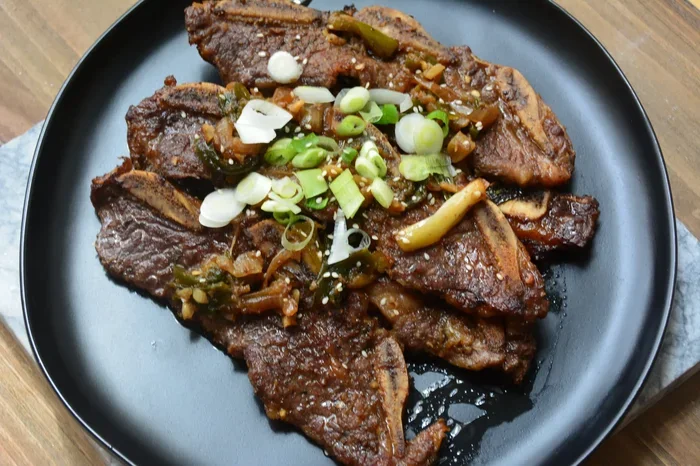
Once your juicy oven ribs are done, it is time to serve them. Slice the kalbi against the grain for the most tender bite. Arrange the pieces on a platter and spoon any remaining pan juices on top. Garnish with sesame seeds and sliced green onions for a pop of color and freshness.
Leftover kalbi stores well in the refrigerator for up to 3 days. Place the cooled meat in an airtight container. When you are ready to eat it again, you can reheat it in the oven at 300°F for about 15 to 20 minutes. This keeps the meat moist better than using a microwave.
You can also freeze cooked kalbi for up to 3 months. Wrap individual portions tightly in plastic wrap and then in aluminum foil. Thaw overnight in the refrigerator before reheating. The marinated beef ribs actually taste better the next day as the flavors continue to develop.
If you want to make kalbi more often without spending hours in the kitchen, consider doubling the batch. Cooked kalbi freezes beautifully and makes for quick, delicious meals on busy weeknights. Simply reheat and serve with rice and your favorite banchan.
For those who love the convenience of a smaller kitchen appliance, you can also reheat leftover kalbi in a toaster oven. Just make sure your dish or plate is safe for the toaster oven. If you are unsure about what cookware works, check out whether you can put a plate in the oven before reheating your kalbi.
Another great option is to use leftover oven kalbi in tacos, sandwiches, or fried rice. The sweet soy glaze adds incredible flavor to any dish. Get creative with your leftovers and you will never get bored of this delicious Korean short ribs recipe.
Final Thoughts on Cooking Kalbi in the Oven
How long do you cook kalbi in the oven? The answer is anywhere from 2 to 4 hours depending on your cut and temperature. But the real secret to perfect kalbi is patience. Low and slow heat transforms tough beef short ribs into melt-in-your-mouth perfection. The marinade does the heavy lifting on flavor, while the oven handles the tenderness.
Remember to marinate your ribs for at least 4 hours, cook them at 325°F, and use a meat thermometer to check for doneness. Let the meat rest before serving, and do not be afraid to experiment with different marinade variations. Once you master oven-baked kalbi, you will never need to wait for a Korean BBQ restaurant again.
Whether you are cooking for a family dinner or a weekend gathering with friends, oven kalbi is a showstopper dish. It is impressive, delicious, and surprisingly easy. With the tips and timing guide in this article, you are fully equipped to make the best kalbi of your life right in your own kitchen. So fire up your oven, grab your favorite cut of short ribs, and get ready to enjoy some incredible Korean beef ribs recipe magic.
Frequently Asked Questions
Can I Cook Kalbi in a Toaster Oven Instead of a Full-Size Oven?
Yes, you can cook kalbi in a toaster oven, but you will need to adjust the cooking time. Toaster ovens heat up faster and have less space, so check your kalbi about 30 minutes earlier than the recommended time for a full-size oven. Make sure your baking dish fits inside the toaster oven and that it is oven-safe. For more tips on using toaster ovens safely, check out our guide on parchment paper toaster oven safety.
What Is the Difference Between Kalbi and Short Ribs?
Kalbi specifically refers to a Korean-style preparation of beef short ribs that are marinated in a sweet and savory sauce. Short ribs can refer to any cut of rib meat, whether beef, pork, or lamb. When people say oven-baked kalbi, they mean marinated beef short ribs cooked in the oven with a Korean-style glaze. The cooking method is similar to cooking filet mignon in the oven in that both use controlled oven heat to achieve tenderness.
Can I Use a Slow Cooker Instead of the Oven for Kalbi?
Absolutely. A slow cooker is another great option for making tender kalbi at home. The cooking time is similar to low oven roasting, usually about 6 to 8 hours on low. The result is equally tender and flavorful. However, the oven method gives you a better caramelized glaze on the surface of the meat, which is why many people prefer oven-baked kalbi for special occasions.
How Do I Know When Kalbi Is Done in the Oven?
The best way to tell is by using a meat thermometer. Insert it into the thickest part of the meat and look for an internal temperature of 200 to 205°F. At this temperature, the meat should be very tender and easily pull apart from the bone. You can also test it with a fork. If the meat falls apart with gentle pressure, your oven-baked kalbi is ready to serve.
Can I Freeze Raw Kalbi Before Cooking It in the Oven?
Yes, you can freeze raw marinated kalbi for up to 3 months. Thaw it overnight in the refrigerator before placing it in the oven. The marinating time continues to work its magic even in the freezer, so frozen and thawed kalbi often has a deeper flavor. Just add an extra 30 minutes to the cooking time for kalbi in the oven to account for the colder starting temperature.
What Are the Best Side Dishes to Serve with Oven Kalbi?
Classic Korean sides like kimchi, pickled radish, and steamed white rice are perfect with oven kalbi. You can also serve roasted vegetables or oven-roasted potatoes for a heartier meal. A fresh cucumber salad adds a nice crunch and cool contrast to the rich, caramelized flavors of the kalbi. For a complete Korean BBQ experience at home, set out multiple banchan dishes and let everyone build their own plate.