Can I Put A Plate In The Oven Everything You Need To Know
The answer to can I put a plate in the oven depends entirely on the plate’s material and construction. Oven-safe plates made from ceramic, porcelain, or tempered glass can handle high heat, while plastic or melamine plates will melt or release harmful fumes. This guide covers which plates are safe, how to identify oven-safe labels, and practical tips to prevent thermal shock and kitchen accidents.
Have you ever found yourself staring at a beautiful dinner plate and thought, can I put a plate in the oven? Maybe you want to keep a meal warm, bake a small dish, or serve something straight from the heat. It’s a simple question that can save you from a ruined plate or a kitchen disaster. The truth is, not all plates are created equal when it comes to heat resistance.
Using the wrong plate in a hot oven can lead to cracks, shattering, or even a fire. That’s why it’s so important to know which kitchenware can handle the heat. In this guide, we’ll break down everything you need to know about oven-safe plates, from the best materials to common mistakes you should avoid. By the end, you’ll feel confident about using your plates in the oven without any worries.
Whether you have a set of ceramic plates, a favorite glass dish, or metal baking trays, understanding heat limits is key to food safety and kitchen longevity. Let’s dive into the details and make sure your next oven session goes smoothly.
Key Takeaways
- Material Matters: Only ceramic, porcelain, glass, and metal plates are safe for oven use.
- Check The Label: Always look for “oven-safe” or “heat-resistant” markings on the bottom of the plate.
- Avoid Thermal Shock: Never place a cold plate directly into a hot oven or onto a hot surface.
- Temperature Limits: Most oven-safe plates can withstand 350°F to 450°F, but check the manufacturer’s guidelines.
- No Plastic Or Melamine: These materials will warp, melt, or release toxic fumes in the oven.
- Use Oven Mitts: Hot plates retain heat for a long time; always use protective gloves when handling them.
- Preheating Is Key: Place the plate in the oven before preheating or add it to a cold oven to avoid cracking.
📑 Table of Contents
Can I Put A Plate In The Oven? Check The Material First
The very first step before placing any dish in the oven is to check what it’s made of. Material is everything when it comes to oven safety. A plate that looks sturdy might still be ruined by high heat if it contains the wrong components.
Why Material Matters
Different materials expand and contract at different rates when heated. This process is called thermal expansion, and if a plate can’t handle it, it will crack or shatter. Ceramic and porcelain plates are often kiln-fired at high temperatures, making them naturally resistant to oven heat. Glass plates need to be tempered or labeled as oven-safe, because regular glass can break from sudden temperature changes. Metal plates and trays are generally the most durable, but you should avoid any with plastic handles or decorative coatings that aren’t heat-proof.
On the other hand, plastic, melamine, and wood plates should never go in the oven. Melamine is a common material in colorful dinnerware, but it will warp and release harmful chemicals when heated. Plastic will melt, and wood can dry out, crack, or even catch fire. Always keep these materials far away from the oven’s heat.
Quick Tips For Checking Plates
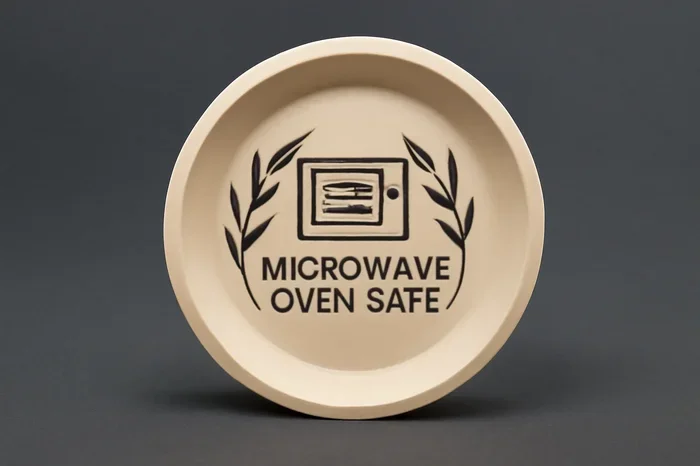
- Flip the plate over. Look for a symbol that looks like an oven with wavy lines. This is the universal oven-safe icon.
- Check the packaging or brand website. If you still have the box or the manufacturer’s site, search for heat resistance details.
- Feel the weight. Heavier plates made of dense ceramic or thick glass tend to be more oven-safe than thin, lightweight ones.
- Avoid plates with metallic paint. Decorative gold or silver rims can spark in the oven, causing a fire hazard.
Common Mistakes People Make
One of the biggest mistakes is assuming a plate is oven-safe just because it’s thick or looks sturdy. Another is taking a plate straight from the refrigerator and placing it in a preheated oven. This sudden temperature change causes thermal shock, which is the number one reason plates crack. Always let a cold plate come to room temperature first, or place it in a cold oven and let it heat up gradually with the oven.
Which Plates Are Safe For The Oven?
Not all plates can go in the oven, and knowing which ones can will save you money and prevent accidents. Here’s a breakdown of the most common types of plates and their oven safety.
| Plate Material | Oven-Safe? | Max Temp (°F) | Notes |
|---|---|---|---|
| Ceramic | Yes | 450°F – 500°F | Check for glazes; some decorated ceramics may not be safe. |
| Porcelain | Yes | 500°F+ | Very durable and heat-resistant; ideal for baking. |
| Tempered Glass | Yes | 450°F – 500°F | Look for “tempered” or “oven-safe” label; avoid regular glass. |
| Stoneware | Yes | 450°F – 500°F | Heavy and retains heat well; great for casseroles. |
| Metal (Stainless Steel, Aluminum) | Yes | 500°F+ | Check for non-stick coatings; some coatings can’t handle high heat. |
| Melamine | No | N/A | Will warp and release toxins; never use in the oven. |
| Plastic | No | N/A | Melts at low temperatures; not for oven use. |
| Wood | No | N/A | Can dry out, crack, or catch fire; avoid entirely. |
As you can see, ceramic, porcelain, tempered glass, stoneware, and certain metal plates are your best bets. If you’re unsure about a specific plate, it’s always safer to use a known baking dish or casserole dish instead. These are designed for oven use and can handle direct heat.
Ceramic And Porcelain Plates
Ceramic plates are a popular choice for everyday dining, and many are oven-safe. The key is to check if they are glazed and fired at high temperatures. Hand-painted or decorated ceramics might have a lower heat tolerance, so always check the manufacturer’s guidelines. Porcelain is a type of ceramic that is fired at even higher temperatures, making it exceptionally durable for oven use. It’s a great choice for baking and serving hot dishes.
Glass Plates And Oven Safety
Glass plates can be oven-safe, but only if they are tempered or labeled as heat-resistant. Regular glass plates, like those from a cheap set, can shatter when exposed to high heat. If you want to use a glass plate in the oven, look for brands that specifically state “oven-safe” or “can withstand temperatures up to 450°F.” Pyrex and similar tempered glass bakeware are excellent alternatives if you don’t have dedicated oven-safe plates.
Metal Plates And Baking Sheets
Metal plates, including stainless steel and aluminum trays, are generally the most heat-resistant option. They can handle very high temperatures and are perfect for baking. However, if your metal plate has a non-stick coating, check the maximum temperature. Most non-stick coatings degrade above 500°F, so avoid using them under the broiler. You can also use a plain baking sheet as a serving plate for hot food, which is both practical and safe.
How To Tell If Your Plate Is Oven-Safe
Sometimes the label is missing, or you inherited a set of plates from a family member. How do you know if they can handle the oven? Here are some reliable ways to find out.
Look For The Label
The easiest way is to look on the bottom of the plate. Many manufacturers print a small symbol or text that says “oven-safe,” “heat-resistant,” or shows an oven icon with wavy lines. If you see a crossed-out oven symbol, that means it’s not safe. If there’s no symbol at all, you might need to do a bit more research.
Test For Thermal Shock Resistance
One simple test is to place the plate in a cold oven, set the temperature to 350°F, and let it heat up with the oven. After 15 minutes, carefully remove it with oven mitts and check for any cracks or stress marks. If it comes out fine, it’s likely oven-safe. Never do this test with a plate you suspect might be delicate, as it could still crack. This is just a general guideline.
Expert Insights: What Manufacturers Say
Industry experts recommend always erring on the side of caution. According to kitchenware manufacturers, even plates labeled as oven-safe have limits. Most can handle temperatures between 350°F and 450°F, but they are not designed for the broiler or temperatures above 500°F. If you’re using a convection oven, the circulating hot air can heat plates more evenly, which is actually a plus for oven-safe dishware.
Key Takeaways
- Always look for an oven-safe label on the bottom of the plate.
- Test with a gradual temperature increase if unsure.
- Follow the manufacturer’s maximum temperature recommendation.
- Avoid using plates with metallic paint or decorations in the oven.
Common Mistakes People Make With Plates In The Oven
Even with oven-safe plates, mistakes can happen. Knowing what to avoid will keep your plates in good condition and your kitchen safe.
Skipping The Preheat Warning
Some plates should not be placed in a preheated oven. The sudden blast of heat can cause them to crack. If a plate is not explicitly labeled as “preheat-safe,” it’s best to place it in the oven before turning it on. This allows the plate to heat up slowly along with the oven, reducing the risk of thermal shock.
Using A Cold Plate In A Hot Oven
This is the most common cause of plate breakage. A cold plate placed on a hot oven rack or tray expands rapidly on the bottom while the top remains cool. This uneven expansion creates stress fractures that lead to cracking. Always let plates reach room temperature before putting them in the oven, or start with a cold oven.
Overloading The Oven With Plates
Stacking plates or crowding the oven can block airflow and lead to uneven heating. In a convection oven, blocked airflow can cause hot spots that may damage your plates or cook food unevenly. Give each plate enough space so hot air can circulate freely around it.
Using Plates With Plastic Or Wooden Handles
Many decorative plates have handles made of plastic or wood. These materials are not oven-safe and will melt or burn. Always remove any plates from the oven that have non-heat-resistant components, even if the plate itself is made of ceramic or glass.
Quick Tip: If you’re unsure about a plate’s handles, hold them with a glove after a short oven use. If they feel hot, the whole plate is likely oven-safe; if they stay cool, the handle material is not heat-resistant.
Tips For Safely Baking And Serving With Plates
Using plates in the oven can be a great way to serve food directly at the table. Here are some practical tips to do it safely.
Preheating The Plate Gradually
If you want a hot plate to keep food warm, don’t just toss a cold plate into a hot oven. Place the plate in a cold oven and set the temperature to 200°F. Let it heat up slowly for 10-15 minutes. This gradual warming prevents thermal shock and ensures the plate is evenly heated. You can also place the plate on a low stove burner for a few minutes to warm it up before transferring it to the oven.
Using Oven Mitts And Plate Holders
Oven-safe plates can still get extremely hot, especially thick ceramic or stoneware. Always use oven mitts or a plate holder when removing them from the oven. A plate that looks cool on the outside can still burn your fingers if it’s been in the oven for a long time. Keep a pair of heat-resistant gloves near the oven at all times.
Cleaning And Storage Tips
After using a plate in the oven, let it cool completely before washing. Sudden temperature changes, like pouring cold water on a hot plate, can also cause thermal shock and cracks. Hand washing is gentler than dishwashing for delicate ceramics and glass. Store plates in a dry, cool place to prevent moisture damage, especially for stoneware and porcelain which can absorb moisture over time.
Can You Use A Plate In A Toaster Oven?
Yes, the same rules apply for a toaster oven. However, toaster ovens heat up faster and can reach high temperatures quickly, so the risk of thermal shock is higher. Always ensure the plate fits inside the toaster oven without touching the heating elements. Use the same material guidelines: ceramic, porcelain, tempered glass, or metal are safe; plastic and melamine are not.
Final Verdict: Can You Put A Plate In The Oven?
The answer to can I put a plate in the oven is yes, as long as the plate is made from oven-safe materials like ceramic, porcelain, tempered glass, or metal. Always check for the oven-safe label, avoid sudden temperature changes, and never use plastic, melamine, or wood plates in the heat. By following these simple guidelines, you can confidently bake, warm, and serve food on your plates without any worries.
Remember: your kitchenware is an investment, and treating it right will extend its life for years. Next time you’re tempted to pop a plate in the oven, take a moment to verify it’s safe. A little caution goes a long way in keeping your kitchen safe and your meals delicious.
Frequently Asked Questions
Can any ceramic plate go in the oven?
Not all ceramic plates are oven-safe. Only those that are specifically labeled as oven-safe or made from high-fired ceramic and porcelain can handle oven temperatures. Check the bottom of the plate for the oven-safe symbol or consult the manufacturer’s guidelines before placing it in the heat.
What happens if you put a non-oven-safe plate in the oven?
A non-oven-safe plate can crack, shatter, or release harmful chemicals when exposed to high heat. Plastic and melamine plates will melt, while certain glass plates may explode due to thermal shock. This can damage your oven and create a safety hazard. Always verify the plate’s heat resistance before use.
Is it safe to put a plate under the broiler?
Most oven-safe plates can handle the top heat of a broiler, but only for short periods. Broilers reach very high temperatures, often above 500°F, which can exceed the limits of some ceramics and glasses. If you plan to use the broiler, use a metal plate or a dedicated broiler-safe dish and monitor it closely.
How can you tell if a glass plate is oven-safe?
Look for a label that says “tempered” or “oven-safe” on the bottom of the glass plate. Tempered glass is treated to withstand high heat and sudden temperature changes. Regular glass plates, such as those from a standard set, are not designed for oven use and can break easily.
Can you put a paper plate in the oven?
No, paper plates should never go in the oven. They are made of combustible material and will ignite at high temperatures. Even at low heat, a paper plate can brown, burn, or start a fire. Always use oven-safe dishware for any baking or heating task.
What temperature can a plate withstand in the oven?
Most oven-safe plates can withstand temperatures between 350°F and 450°F. Some high-quality porcelain or metal plates can handle up to 500°F or more. Always check the manufacturer’s recommended maximum temperature, and avoid using any plate under the broiler unless it’s explicitly labeled as broiler-safe.