How Long To Preheat Oven To 500 For Perfect Cooking
How Long To Preheat Oven To 500 depends on your oven type, but most home ovens need 15 to 25 minutes. Preheating to 500 degrees is essential for crispy pizza, perfect searing, and golden roasted vegetables. Preheating to 500 degrees ensures even heat distribution and better cooking results. Know the exact oven preheat time to avoid undercooking or burning your food.
There is something magical about cooking at extreme heat. Whether you are making a Neapolitan-style pizza or searing a gorgeous steak, how long to preheat oven to 500 is the first question you need answered. Getting the temperature right changes everything about your final dish.
Most home cooks underestimate the importance of a full preheat. They set the dial and toss food in after just a few minutes. That shortcut leads to soggy crusts, uneven cooking, and disappointing results. Preheating to 500 degrees demands patience, but the payoff is worth every second you wait.
In this guide, we will walk you through everything you need to know. You will learn exact timing, the factors that change oven preheat time, and pro tips that make a real difference. By the end, you will feel confident firing up your home oven to its max setting every single time.
Key Takeaways
- Most ovens take 15 to 25 minutes to preheat to 500 degrees Fahrenheit
- Convection ovens preheat faster than standard gas or electric models
- Use an oven thermometer to verify the actual temperature inside
- Place a pizza stone inside during preheat for better crispy crust results
- Avoid opening the door frequently, as it slows down the warm-up process
- High heat cooking works best with proper rack positioning
- Give your oven extra time if it is older or has been used recently
📑 Table of Contents
- How Long Does It Take To Preheat Oven To 500?
- Why Preheating To 500 Degrees Matters
- Factors That Affect Preheat Time To 500
- Step-By-Step Guide To Preheating Your Oven To 500
- Common Mistakes When Preheating To High Temperatures
- Best Dishes To Cook At 500 Degrees
- How To Speed Up Your Oven Preheat
- Conclusion
How Long Does It Take To Preheat Oven To 500?
The honest answer is that it depends. There is no single magic number that fits every kitchen. But understanding the basics will help you plan your cooking like a pro.
Typical Preheat Times By Oven Type
Different ovens heat up at different speeds. Here is a general breakdown of what you can expect when you are preheating to 500 degrees:
- Standard electric ovens: 20 to 25 minutes
- Standard gas ovens: 15 to 20 minutes
- Convection ovens: 10 to 15 minutes
- Wood-fired ovens: 30 to 45 minutes
- Portable countertop ovens: 10 to 15 minutes
These numbers are averages. Your actual oven preheat time may be shorter or longer depending on several factors we will cover below.
What The Experts Say
Professional chefs agree that waiting an extra five minutes beyond the minimum makes a big difference. When you bake at 500, the oven needs to reach thermal equilibrium. That means the walls, the racks, and the air inside all need to stabilize at the target temperature. Rushing this step is the number one mistake home cooks make.
Many experts also recommend using a standalone oven thermometer. The dial on your oven can be off by 25 to 50 degrees. That gap matters a lot when you are working at extreme heat. A cheap thermometer takes the guesswork out entirely.
Why Preheating To 500 Degrees Matters
Some people skip the preheat and just throw food in while the oven warms up. That might work for a slow roast at 325 degrees. But when you are pushing your oven temperature to 500, the preheat step becomes non-negotiable.
The Science Behind High Heat
At 500 degrees, the heat distribution inside the oven needs to be uniform. When the oven is not fully preheated, hot spots form. These uneven zones cause some parts of your food to burn while other parts stay raw. That is especially true for thin pizzas and delicate pastries.
High heat cooking relies on a concept called thermal shock. When cold food hits a scorching hot surface, the outside sears almost instantly. This creates a crispy exterior while locking moisture inside. If the oven is not hot enough, the food steams instead of sears. You lose that beautiful crispy crust and end up with something closer to soggy than crispy.
When You Need 500 Degrees
Not every dish requires this extreme temperature. But here are the times when preheating to 500 degrees really matters:
- Pizza: A blisteringly hot oven is the secret to authentic Neapolitan-style pizza. The pizza oven temperature needs to be at max for a proper char and leopard-spotted crust.
- Searing meats: A sear and roast method starts with extreme heat to lock in juices before lowering the temperature.
- Roasting vegetables: High heat caramelizes natural sugars fast, giving you golden, crispy edges without overcooking the inside.
- Bread and flatbreads: Artisan loaves and naan need a blast of heat to rise properly and develop a crackly exterior.
- Quick bakes: Some pastries and scones benefit from an initial burst of high heat before the oven is lowered.
Each of these dishes depends on the oven being fully up to temperature from the very first second the food goes in.
Factors That Affect Preheat Time To 500
Understanding what slows down or speeds up your oven warm-up helps you plan better. Several variables play a role in how long it takes to reach 500 degrees.
Oven Type And Size
Not all ovens are created equal. A large double wall oven takes more energy to heat than a compact single unit. Gas ovens generally warm up faster than electric ones because the flame heats the air directly. Electric ovens rely on heating elements that take longer to radiate heat throughout the cavity.
Convection ovens use a fan to circulate hot air, which cuts preheat time significantly. If you have a convection model, you can expect to reach 500 degrees about 5 to 10 minutes faster than a standard oven.
Starting Temperature
If your kitchen is cold in winter, your oven will take longer to reach 500. A cold start in a chilly garage is very different from preheating in a warm kitchen during summer. The ambient temperature around the oven affects how hard the heating elements need to work.
Oven Load And Rack Position
This one surprises a lot of people. If you leave stone baking tiles, heavy cast iron pans, or multiple racks inside the oven during preheat, the thermal mass absorbs extra heat. The oven has to warm up all that additional material before it reaches 500 degrees. Remove unnecessary items from the oven cavity before you start the oven preheat time countdown.
Also, rack position matters for heat distribution. The middle rack is usually the most even. Placing racks too close to the top or bottom can create hotspots and slow the overall warm-up.
Oven Age And Condition
Older ovens often have worn-out heating elements that do not perform as efficiently. If your oven is more than 10 to 15 years old, it might take 5 to 10 extra minutes to reach target temperature. A failing thermostat can also cause the oven to overshoot or undershoot, adding to the confusion.
Comparison Table: Oven Types And Preheat Times
| Oven Type | Average Preheat To 500°F | Key Advantage |
|---|---|---|
| Standard Electric | 20 to 25 minutes | Even heat, widely available |
| Standard Gas | 15 to 20 minutes | Faster warm-up, responsive heat |
| Convection | 10 to 15 minutes | Fan-assisted circulation, fastest |
| Wood-Fired | 30 to 45 minutes | Authentic flavor, extreme heat |
| Countertop/Compact | 10 to 15 minutes | Small cavity, quick recovery |
Use this table as a rough guide. Always verify with your own oven thermometer for the most accurate results.
Step-By-Step Guide To Preheating Your Oven To 500
Now that you understand the why and the timing, let us walk through the actual process. Following these steps ensures your oven is truly ready when your food goes in.
Step One: Clear The Cavity
Before you touch the dial, remove any unnecessary items from inside the oven. Take out extra racks, leftover baking sheets, and anything that is not part of your cook. The fewer items inside, the faster the oven warm-up process. This also improves heat distribution once the oven reaches temperature.
Step Two: Position Your Racks
Place your racks in the positions you need for your specific recipe. For pizza, the lower third of the oven is ideal. For roasting vegetables, the middle rack works best. Setting racks after the oven is already hot can be risky and slow you down.
Step Three: Set The Temperature
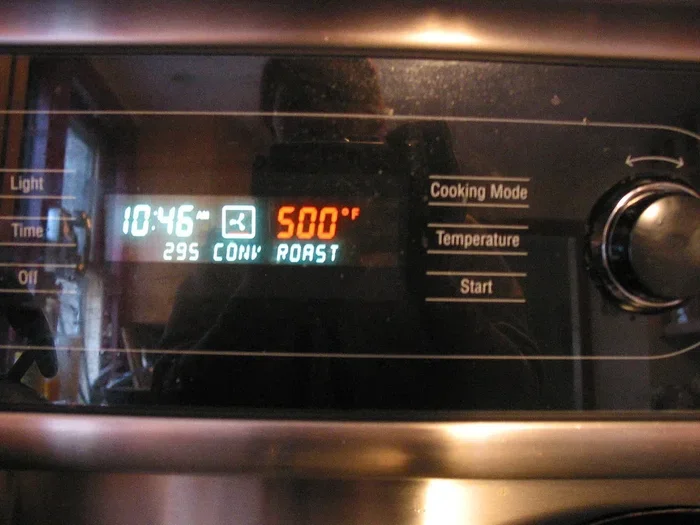
Turn your oven to 500 degrees. On most ovens, you will see a digital display or a dial. If your oven has a preheat indicator light, watch for it to turn off. But do not rely on that light alone. As mentioned earlier, the built-in thermostat can be inaccurate.
If you are using a convection oven preheat setting, select that mode before cranking the temperature. The fan will kick in once the oven reaches the target, helping to stabilize the heat evenly.
Step Four: Wait And Verify
This is where most people cut corners. Set a timer for at least 15 minutes. After the timer goes off, check the temperature with your oven thermometer. If it reads 475 or below, wait another 5 to 10 minutes. The goal is a fully stable 500 degrees throughout the cavity.
Step Five: Load And Cook Immediately
Once your oven hits 500 and the temperature is stable, get your food in quickly. Every second the door stays open lets heat escape. Have your prepared food on a ready-to-go tray or peel. Slide it in, close the door fast, and start your timer.
Quick Tip: If you are baking pizza, place your pizza stone preheat inside the oven at least 30 minutes before you need it. The stone acts as a thermal mass that stores intense heat and transfers it directly to the dough. This is the secret behind restaurant-quality crispy crust at home.
Common Mistakes When Preheating To High Temperatures
Even experienced cooks make errors when baking at high temperature. Knowing what goes wrong helps you avoid the same pitfalls.
Opening The Door Too Often
Every time you open the oven door, you lose a significant amount of heat. At 500 degrees, the temperature can drop 25 to 50 degrees in just a few seconds. The oven then has to work hard to recover. Resist the urge to peek. Use the oven light and a window to check on your food instead.
Skipping The Oven Thermometer
Your oven’s built-in dial is a rough guide at best. It can be off by 25 to 50 degrees, which is a huge margin when you are preheating to 500 degrees. A simple oven thermometer costs just a few dollars and takes all the guesswork out of the process. Place it on the middle rack and check it every time.
Not Giving Enough Time
This is the most common mistake of all. Many people assume the oven is ready when the preheat indicator light turns off. But that light usually just means the heating element has reached temperature, not the entire oven cavity. Give your oven a full 15 to 25 minutes at 500 before you start cooking. The extra wait is never wasted.
Overcrowding The Oven
Trying to cook too many things at once at 500 degrees is a recipe for disaster. Overcrowding blocks heat distribution and traps steam. Your food will steam instead of roast or crisp. Cook in batches if you need to. The quality of the result is worth the extra effort.
Ignoring Rack Placement
Where you place your food inside the oven matters a great deal at extreme temperatures. The top rack is closer to the upper heating elements, which can cause burning. The bottom rack is closest to the broil setting area, which can also cause uneven cooking. The middle rack gives you the most balanced heat distribution for high heat cooking.
Expert Insight: Professional chefs often preheat their home oven for a full 30 minutes when cooking at 500 degrees. They know that the oven walls and floor need to absorb enough heat to radiate it back onto the food. This extra step is what separates good home cooking from great home cooking.
Best Dishes To Cook At 500 Degrees
Now that your oven is properly preheated, what should you cook? The options are surprisingly diverse when you embrace high heat cooking.
Pizza And Flatbreads
Baking at 500 is the gold standard for homemade pizza. The extreme heat creates a crispy crust with bubbly, charred spots in just 60 to 90 seconds for Neapolitan-style pies. For thicker American-style pizzas, 8 to 12 minutes at 500 gives you a golden, crunchy base without drying out the toppings.
If you use a pizza stone preheat method, place the stone on the lowest rack at least 30 minutes before baking. The stone stores intense heat and transfers it to the dough bottom instantly. This mimics the floor of a professional pizza oven and delivers restaurant-quality results at home.
Roast Vegetables And Proteins
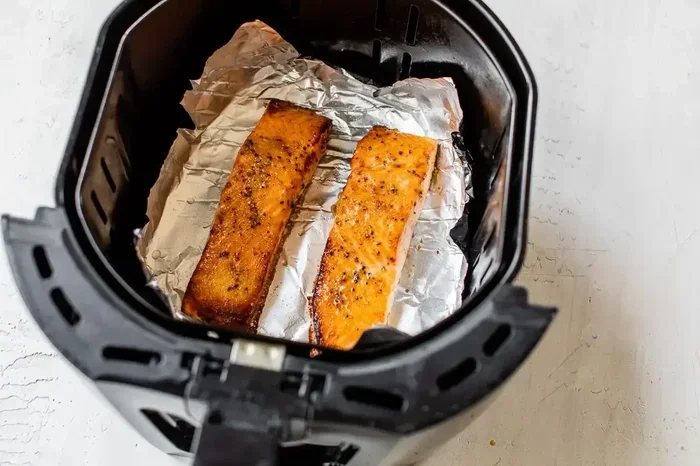
Sear and roast is a technique that starts with a blast of 500-degree heat. Toss vegetables in olive oil, spread them on a sheet pan, and roast for 10 to 15 minutes. The high heat caramelizes the natural sugars on the outside, creating crispy edges while keeping the inside tender. The same method works beautifully for chicken thighs, salmon fillets, and thick-cut steaks.
Quick Bakes And Pastries
Some pastries and quick breads benefit from an initial high-heat phase. Croissants, scones, and puff pastry all need a hot oven to rise properly before the temperature is lowered. Starting at 500 for the first 5 to 7 minutes, then dropping to 375 or 400, creates a dramatic rise and a flaky, golden exterior.
Broiling At High Heat
If your oven has a broil setting, you can use it at 500 for finishing dishes. Broiling exposes food directly to the top heating elements, creating a crispy, caramelized top layer. This works wonderfully for melting cheese on casseroles, browning the tops of gratins, or giving fish fillets a beautiful golden finish.
Quick Tip: When you are done cooking at 500 degrees, turn off the oven and leave the door cracked open for a few minutes. This lets the residual heat escape safely and prevents the oven from holding excessive temperature while you clean up. It also extends the life of your oven’s internal components.
How To Speed Up Your Oven Preheat
Sometimes you need your oven at 500 degrees right now. Here are a few tricks to shave minutes off your oven preheat time without compromising results.
- Start with a clean oven: Food debris and grease absorb heat, slowing down warm-up. A quick wipe-down before preheating helps.
- Remove unused racks: Fewer items inside means less material to heat up. Keep only the rack you need.
- Use convection mode: The fan circulates hot air faster, cutting warm-up time by several minutes.
- Preheat with a pizza stone: The stone absorbs heat and radiates it back, helping the oven stabilize faster once loaded with food.
- Check your heating elements: If the top or bottom element is glowing unevenly or not glowing at all, it may be time for a replacement. Worn elements significantly increase oven preheat time.
These small adjustments add up. You will notice the difference every time you fire up the oven for a high-heat cook.
Conclusion
How Long To Preheat Oven To 500 is a question with a simple answer: plan for 15 to 25 minutes depending on your oven type. But the real secret is not just the timing. It is about understanding why preheating matters and giving your oven the time it needs to do its job properly.
Whether you are making pizza, searing meat, or roasting vegetables, preheating to 500 degrees is the foundation of great results. Use an oven thermometer to verify temperature, avoid the common mistakes we covered, and trust the process. The extra few minutes of waiting make all the difference between mediocre food and something truly memorable.
Now that you have the knowledge and the timing guide, put it to use. Fire up your home oven, preheat to 500, and enjoy the incredible dishes that only extreme heat can deliver. Your kitchen is about to become your favorite restaurant.
Frequently Asked Questions
How long does it take a gas oven to preheat to 500?
A standard gas oven typically takes 15 to 20 minutes to reach 500 degrees. Gas ovens heat up faster than electric models because the flame warms the air directly. However, older gas ovens with worn burners may take a few extra minutes.
Can I put food in the oven before it fully preheats to 500?
You can, but the results will not be as good. Food placed in a partially heated oven cooks unevenly and misses the initial burst of high heat that creates crispy exteriors. For the best results, always wait until the oven has fully stabilized at 500 degrees before loading your food.
Does a pizza stone help when preheating to 500?
Yes, absolutely. A pizza stone preheat stores intense heat and radiates it directly onto the dough. This creates a crispy bottom crust that mimics a professional pizza oven. Place the stone inside at least 30 minutes before you plan to bake for the best results.
How do I know if my oven has reached 500 degrees?
The best way is to use a standalone oven thermometer. The built-in dial on most ovens can be off by 25 to 50 degrees. Place the thermometer on the middle rack and wait until it reads a stable 500 before you start cooking.
Is it safe to preheat an empty oven to 500?
Yes, it is completely safe. In fact, preheating empty is the standard practice. Just make sure there are no leftover food items, foil, or paper inside the cavity. An empty oven at 500 degrees is normal and poses no safety risk when left unattended for the recommended preheat time.
Why does my oven take longer than expected to preheat to 500?
Several factors can slow down your oven preheat time. These include a cold kitchen environment, an older oven with weak heating elements, too many racks or items inside the cavity, and a faulty thermostat. Using a convection oven preheat setting can help speed things up significantly.