Discover What Type Of Bowls Can Go In The Oven Today
Not all bowls can handle oven heat. This guide reveals exactly what type of bowls can go in the oven, from ceramic and glass to metal options. You’ll learn how to spot oven-safe dishes, avoid dangerous mistakes, and pick the best bowl for your next bake.
Not all bowls are created equal when it comes to oven heat. If you have ever wondered what type of bowls can go in the oven, you are not alone. Many people grab a bowl from the cabinet without thinking, only to hear a scary crack or pop later. The truth is, using the wrong bowl in a hot oven can ruin the dish, damage your cookware, and even cause injury. This guide will walk you through exactly which bowls are safe, which ones to avoid, and how to tell the difference.
Whether you are reheating leftovers, baking a casserole, or making a savory side dish, picking the right bowl matters. Oven-safe bowls are designed to handle high temperatures without breaking or releasing harmful chemicals. They are a kitchen essential for anyone who loves to cook. In this article, we will cover the materials that work, the red flags to watch for, and simple tips to keep your dishware in great shape. By the end, you will feel confident choosing the right bowl for any oven task.
The good news is that most common kitchen materials have oven-safe versions. You just need to know what to look for. From ceramic bowls to stainless steel bowls, there is an option for every cooking need. Let us break it down so you can use your oven with peace of mind.
Key Takeaways
- Know your materials: Ceramic, tempered glass, stainless steel, and cast iron are generally oven-safe, while plastic and thin glass are not.
- Check for labels: Look for “oven-safe” or “heat-resistant” markings on the bottom of the bowl.
- Avoid thermal shock: Never place a cold bowl directly into a hot oven, and don’t put a hot bowl on a cold surface.
- Metal bowls work well: Stainless steel and aluminum bowls heat evenly and are durable for oven use.
- Ceramic and stoneware are popular: They retain heat beautifully, but make sure they are glazed and ovenproof.
- Glass needs caution: Only use tempered or borosilicate glass; regular glass can shatter.
- When in doubt, don’t: If you’re unsure about a bowl’s oven safety, use a different dish or check the manufacturer’s guidelines.
📑 Table of Contents
What Type Of Bowls Can Go In The Oven? The Quick Answer
The short answer is that bowls made from certain materials can handle oven temperatures safely. Ceramic bowls, tempered glass bowls, metal bowls, and cast iron dishes are all generally oven-safe. On the other hand, plastic bowls, thin glass, and wooden bowls with glue are not meant for the oven. The key is to check the material and look for an oven-safe label.
Not every bowl is built for high heat. Some can crack at 350°F, while others can handle 500°F or more. Understanding the limits of your kitchenware helps you cook with confidence. Below, we break down the most common materials and explain which ones belong in your oven.
Quick Tip
Quick Tip: When in doubt, flip the bowl over. Most oven-safe bowls have a symbol on the bottom that looks like a little oven or the words “oven-safe.” If you do not see it, do not put it in the oven.
Oven-Safe Materials: A Closer Look
Let us dive deeper into the materials that can go in the oven. Each type has its own strengths and limitations. Knowing these helps you choose the best bowl for the job.
| Material | Oven-Safe? | Max Temperature | Best For |
|---|---|---|---|
| Ceramic / Stoneware | Yes (if ovenproof) | Up to 450°F | Baking casseroles, cobblers, and hot dips |
| Tempered Glass | Yes | Up to 450°F | Baking, reheating, fridge-to-oven storage |
| Stainless Steel | Yes | Up to 500°F+ | Roasting, sautéing, mixing, and baking |
| Cast Iron | Yes | Up to 500°F+ | Baking cornbread, cobblers, and slow roasting |
| Anodized Aluminum | Yes | Up to 450°F | Baking sheets, roasting pans, and mixing |
| Porcelain | Yes (ovenproof) | Up to 450°F | Serving and baking elegant dishes |
| Regular Glass | No | — | Cold or room-temperature use only |
| Plastic | No | — | Cold storage, not for heat |
| Wood | No | — | Serving, mixing, not for oven |
This table gives you a quick visual guide. However, always double-check the manufacturer’s instructions. Some ceramic bowls are decorative and not meant for oven use, even if they look sturdy. The same goes for porcelain that is not labeled ovenproof.
Ceramic and Stoneware Bowls
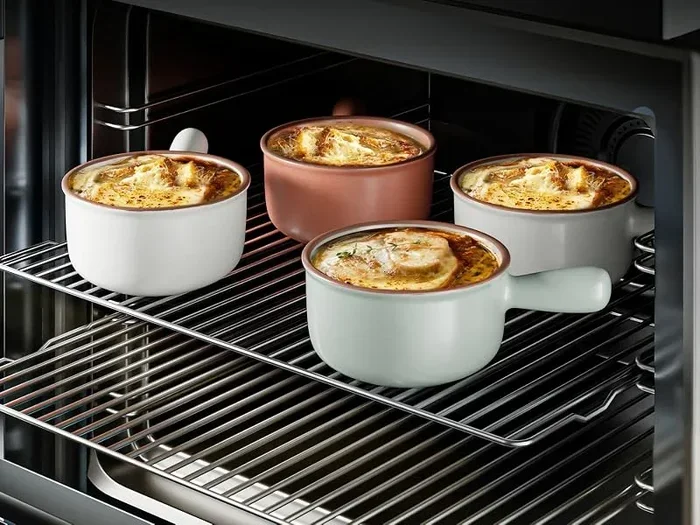
Ceramic bowls are a popular choice in many kitchens. They come in beautiful designs and distribute heat evenly. However, not all ceramics are oven-safe. Glazed stoneware and porcelain that are labeled ovenproof can handle high temperatures. They are great for baking casseroles, cobblers, and savory dips.
One thing to watch out for is thermal shock. This happens when a cold bowl meets a hot oven or when a hot bowl hits a cold counter. The sudden temperature change can cause cracks. To avoid this, let your ceramic bowl warm up gradually. Place it in a cold oven and then turn the heat on, or let it sit at room temperature for a few minutes before baking.
Expert Insight: “Ceramic bowls are fantastic for oven cooking because they retain heat so well,” says chef David Chen. “Just make sure they are fully glazed and labeled ovenproof. A decorative bowl that is not oven-safe can crack and ruin your meal.”
Glass Bowls: Tempered vs. Regular
Glass bowls can be tricky. Regular glass, like the kind used in many drinking glasses, is not oven-safe. It can shatter when exposed to high heat. Tempered glass and borosilicate glass, on the other hand, are designed to withstand oven temperatures. They are often used for baking dishes, mixing bowls, and storage containers that go from fridge to oven.
If you are unsure whether your glass bowl is tempered, look for a label. Many oven-safe glass bowls have a symbol that shows a little oven or the words “tempered glass.” Never put a regular glass bowl in the oven, even for a short time. The risk of breakage is too high.
Quick Tip: When using a tempered glass bowl in the oven, place it on a dry, oven-safe tray or baking sheet. This adds stability and helps distribute heat evenly.
Metal Bowls That Handle the Heat
Metal bowls are among the most durable oven-safe options. Stainless steel, aluminum, and cast iron all conduct heat well and can handle high temperatures. Stainless steel bowls are a staple in many kitchens. They are lightweight, non-reactive, and easy to clean. You can use them for mixing batters, marinating, and then popping them straight into the oven.
Cast iron bowls and skillets are excellent for baking and roasting. They hold heat for a long time, which makes them perfect for cornbread, cobblers, and deep-dish dishes. Just remember that cast iron is heavy, so handle it with oven mitts. Anodized aluminum bowls are also safe for oven use and heat up quickly. They are a great choice for roasting vegetables or baking small batches of cookies.
Key Takeaway: Metal bowls heat up fast and evenly. They are ideal for tasks that require high, direct heat. Just avoid using bowls with plastic or wooden handles, as those parts may not be oven-safe.
What About Plastic and Wood?
Plastic bowls should never go in the oven. They melt at relatively low temperatures and can release harmful chemicals into your food. Even if a plastic bowl looks sturdy, the heat will warp it and ruin it. Wooden bowls are also not oven-safe. The heat can dry them out, cause cracking, and weaken the glue joints. Keep these materials away from the oven entirely.
If you need a bowl for mixing ingredients that will go in the oven, choose a metal or ceramic option instead. This keeps your food safe and your kitchenware in good condition. Oven-safe bowls made from glass, ceramic, or metal are the only reliable choices for baking and roasting.
How to Tell If a Bowl Is Oven-Safe
Sometimes the bottom of a bowl does not have a clear label. You might have inherited a beautiful set of dishware and wonder if it can handle the heat. Here are a few ways to find out.
Look for Manufacturer Symbols
Most oven-safe bowls have a symbol on the bottom. It might be an image of an oven, a fork and fork crossed, or the words “oven-safe” or “heat-resistant.” If you see these markings, you are good to go. If there is no symbol and no text, it is best to assume the bowl is not oven-safe.
Pay attention to the material code too. Look for numbers like 5 (polypropylene) for plastic, which is not oven-safe, or symbols that indicate tempered glass. If you are shopping for new kitchen essentials, always choose pieces that clearly state they are oven-safe.
The Water Test and Other Tricks
One old trick is the water test. Fill the bowl with a small amount of water and place it in the oven at 350°F for a few minutes. If the bowl stays cool while the water heats up, it is not absorbing heat and is likely oven-safe. However, this test is not foolproof and can damage some bowls. A safer approach is to check the brand website or contact the manufacturer directly.
Common Mistake: Assuming a bowl is oven-safe just because it is thick or heavy. Some decorative ceramics are dense but not designed for high heat. Always verify with a label or the manufacturer.
Expert Insight: When to Trust Your Instincts
Expert Insight: “If a bowl does not explicitly say it is oven-safe, do not risk it,” says kitchen expert Maria Lopez. “The cost of a new bowl is far less than the cost of a broken dish or a kitchen accident. When in doubt, use a different dish or check the manufacturer’s guidelines online.”
Common Mistakes That Damage Bowls in the Oven
Even with an oven-safe bowl, mistakes can happen. Learning what not to do will keep your dishware safe for years.
Sudden Temperature Changes
The biggest enemy of oven-safe bowls is sudden temperature change. This is called thermal shock. Imagine taking a cold bowl straight from the refrigerator and placing it in a hot oven. The rapid expansion of the material can cause it to crack or shatter. The same goes for moving a hot bowl onto a cold, wet surface.
To prevent thermal shock, always let bowls come to room temperature before placing them in the oven. If you are using a cold bowl, put it in the oven before you turn it on, and let it heat up slowly with the oven. This small step makes a big difference in protecting your dishware.
Using the Wrong Bowl for the Job
Another common mistake is using a bowl that is too small or shallow for the oven. A bowl that is not deep enough can cause spills and uneven cooking. Grease can drip onto the oven floor and create smoke or even a fire. Always choose a bowl that fits the task and leaves enough room for bubbling or rising food.
Common Mistake: Placing a decorative bowl in the oven. Many beautiful bowls are purely for display and serving. They are not designed to handle high heat. Check the label or the manufacturer’s website before using any fancy dishware in the oven.
Common Mistake: Ignoring the Maximum Temperature
Every oven-safe bowl has a maximum temperature rating. Using a bowl beyond its limit can cause it to crack or release harmful substances. For example, some tempered glass bowls are safe up to 450°F, but not higher. If you are broiling or cooking at very high temperatures, choose a metal or cast iron bowl instead. Always check the rating before you start cooking.
Quick Tip: Write the maximum temperature on a piece of tape and stick it to the bottom of your favorite oven-safe bowls. This saves you time and guesswork during busy cooking sessions.
Best Bowls for Oven Cooking: Practical Picks
So, which bowls should you actually use? Here are some practical picks for everyday oven cooking.
Everyday Bowls You Probably Already Own
Most kitchens have a set of ceramic mixing bowls or a stainless steel bowl set. If yours are labeled oven-safe, they are perfect for a wide range of tasks. Use a ceramic bowl for baking a single-serving casserole or a metal bowl for reheating leftovers. These everyday bowls are versatile and easy to clean.
Quick Tip: Keep a dedicated oven-safe mixing bowl in your kitchen. Use it for baking, reheating, and even serving. This saves time and reduces the risk of grabbing the wrong bowl.
Investing in Quality Oven-Safe Dishware
If you cook often, consider investing in high-quality oven-safe dishware. A good stoneware baking bowl or a set of tempered glass dishes will last for years. Look for brands that clearly state their products are oven-safe and heat-resistant. Quality dishware not only performs better but also looks great on the table.
When shopping, pay attention to the maximum temperature rating. Some bowls are safe up to 400°F, while others can handle 500°F or more. Choose bowls that match your cooking needs. If you bake bread or roast vegetables at high heat, go for metal or thick stoneware. If you mostly reheat leftovers, tempered glass works perfectly.
Quick Tips for Choosing the Right Bowl
- Check the label: Look for “oven-safe” or “heat-resistant” on the bottom.
- Know your material: Stick with ceramic, tempered glass, stainless steel, or cast iron.
- Avoid decorations: Bowls with metallic paint or glue may not be oven-safe.
- Consider the size: Choose a bowl that fits the dish and leaves room for bubbling.
- Read reviews: If buying online, check reviews for real-world oven performance.
Final Thoughts on Oven-Safe Bowls
Choosing the right bowl for oven use does not have to be confusing. Stick with ceramic, tempered glass, stainless steel, and cast iron for safe, reliable results. Avoid plastic, regular glass, and wood. Always check for oven-safe labels and avoid sudden temperature changes. With these simple rules, you can cook with confidence and keep your kitchenware in great shape.
What Type Of Bowls Can Go In The Oven is a question with a clear answer: the right material makes all the difference. Now that you know what to look for, you can tackle any recipe that calls for an oven-safe bowl. Happy cooking!
Frequently Asked Questions
Can I put a ceramic bowl in the oven?
Yes, as long as the ceramic bowl is labeled ovenproof. Glazed stoneware and porcelain are generally safe up to 450°F. Always check the bottom for an oven-safe symbol before using.
Is tempered glass safe for the oven?
Yes, tempered glass and borosilicate glass are designed to handle oven temperatures. They can safely go from the fridge to the oven without shattering. Regular glass is not oven-safe and should be avoided.
What happens if you put a non-oven-safe bowl in the oven?
Non-oven-safe bowls can crack, shatter, or warp under high heat. Plastic may melt and release harmful chemicals, while regular glass can explode. This can damage your food, your oven, and cause injury.
How do you know if a bowl is oven-safe?
Look for an “oven-safe” or “heat-resistant” label on the bottom. Many bowls also have a symbol of an oven. If you do not see any markings, contact the manufacturer or avoid using it in the oven.
Can you put a metal bowl in the oven?
Yes, stainless steel, aluminum, and cast iron bowls are all oven-safe. They heat evenly and can handle high temperatures. Just make sure the bowl has no plastic or wooden parts that could melt or burn.
What is the safest material for oven bowls?
Stainless steel and cast iron are among the safest because they do not crack or release chemicals at high heat. Tempered glass and ovenproof ceramic are also excellent, reliable choices for everyday oven cooking.