Oven Makes Noise When Heating Up How To Fix The Problem
Oven makes noise when heating up is a frustrating but common problem that can stem from several simple causes. This guide walks you through the most likely reasons, from a loose fan blade to a failing motor, and shows you exactly how to fix each one. You’ll learn quick troubleshooting steps, preventive maintenance tips, and when it’s time to call a professional.
Is your oven making strange sounds when it starts to heat up? A noisy oven can be unsettling, but the good news is that oven makes noise when heating up is a common issue that you can often fix yourself. Whether it’s a gentle hum, a loud rattle, or an annoying squeal, understanding the source is the first step toward a quiet kitchen. I’ve helped countless homeowners troubleshoot their ovens, and I’m here to walk you through the same process in plain, simple language.
In this guide, you’ll learn exactly what causes your oven to make noise when heating up, how to tell the difference between normal sounds and warning signs, and the step-by-step fixes you can try today. We’ll cover fan motors, heating elements, loose parts, and more. By the end, you’ll feel confident tackling the problem and know when to bring in a pro. Let’s get started.
Before you dive into repairs, remember that safety comes first. Always unplug your oven or turn off the circuit breaker before you open it up. Give the controls time to cool down, and never stick your fingers near moving parts. With those basics in mind, let’s explore why your oven sounds the way it does.
Key Takeaways
- Loose fan blades are the #1 cause of rattling noises when the oven heats up.
- Humming or buzzing sounds often point to the convection fan motor or normal thermal expansion.
- Clicking noises during preheat are usually the igniter or relay working normally.
- Squealing or grinding means the fan motor bearings need lubrication or replacement.
- DIY fixes like tightening screws and cleaning debris can solve most noise issues.
- Call a technician if you hear loud grinding, see sparks, or smell burning.
- Regular maintenance keeps your oven quiet and extends its lifespan.
📑 Table of Contents
- Why Does Your Oven Make Noise When Heating Up?
- Common Types of Oven Noises and What They Mean
- Step-by-Step Troubleshooting: How to Fix Oven Noise When Heating Up
- When to Call a Professional for Oven Noise Issues
- Preventive Maintenance Tips to Keep Your Oven Quiet
- Final Thoughts: Silence Is Golden in the Kitchen
Why Does Your Oven Make Noise When Heating Up?
Every oven makes some noise when it heats up. That’s just physics. Metal expands, air moves, and electrical components hum. But when the sound becomes loud, persistent, or unusual, it’s your oven telling you something needs attention. Oven makes noise when heating up for a variety of reasons, and most of them are easy to diagnose.
Normal Sounds vs. Warning Noises
It helps to know what’s normal. A soft humming or a faint clicking when the oven starts is usually fine. Thermal expansion—the way metal parts shift as they warm up—often creates gentle pops or clicks. These sounds are brief and harmless. On the other hand, loud rattling, grinding, or squealing that lasts through the entire heating cycle is a red flag. If the noise makes you worry, it’s worth investigating.
Common Culprits Behind Oven Noise
Several components can cause oven makes noise when heating up problems. Here are the usual suspects:
- Convection fan motor: This fan circulates hot air. A worn motor or loose blade creates humming or rattling.
- Bake or broil element: A failing element can buzz, crackle, or glow unevenly.
- Loose screws or panels: Vibration from the oven’s operation can make metal panels rattle.
- Debris on the fan blade: Food spills or grease buildup can unbalance the fan.
- Igniter or relay: A clicking sound during preheat is often the igniter doing its job, but rapid clicking can signal a fault.
Quick Tip: Before you open the oven, listen carefully with the door closed. Note the type of sound—humming, rattling, clicking, or squealing—and when it happens. Does it start right when you turn the dial, or only after the oven gets hot? That timing clue helps narrow down the cause.
Common Types of Oven Noises and What They Mean
Not all oven sounds are created equal. Learning to match the noise with its source saves you time and money. Let’s break down the most common types of oven noise you’ll hear during the heating cycle.
Humming or Buzzing Sounds
A low, steady hum is often the sound of the convection fan doing its work. In a convection oven, this fan runs whenever the oven is on. If the hum gets louder or changes pitch, the fan motor might be struggling. Dust and grease can clog the motor, causing it to work harder and sound louder. Sometimes the hum points to a normal thermal expansion sound from the oven’s metal walls. If the hum stops once the oven reaches temperature, it’s usually nothing to worry about.
Rattling or Vibrating Noises
Rattling is one of the most common complaints. It often comes from a loose fan blade, a misaligned convection fan, or even a small piece of food debris caught in the fan assembly. Oven rattling when heating up can also be caused by oven racks that are slightly off-center. Give the oven a gentle shake (with it off and cooled) and check if the racks move too much. Tightening the screws on the side panels can also stop the rattle.
Clicking or Ticking Noises
Clicking during preheat is typically the igniter trying to light the gas (in a gas oven) or the relay switching in an electric oven. A single, brief click that leads to heating is normal. However, rapid, continuous clicking that never results in heat could mean a faulty igniter or a bad relay. This is a clear sign that oven makes noise when heating up because of an electrical issue that needs attention.
Squealing or Grinding Sounds
High-pitched squealing or grinding is never normal. It usually points to a lack of lubrication in the fan motor bearings or a failing motor. Over time, the grease inside the motor dries out, causing metal-on-metal contact. If you hear this sound, stop using the oven and inspect the fan motor. Ignoring it can lead to a complete motor failure and a much more expensive repair.
Expert Insight: Many homeowners think a little squealing means the oven is just “getting old.” In reality, a well-maintained oven should run nearly silently. A slight sound is okay, but a persistent squeal is your cue to act.
Quick Comparison: Normal vs. Problem Sounds
| Sound Type | When It Happens | Likely Cause | DIY Fix? |
|---|---|---|---|
| Soft humming | During heating | Convection fan running | Usually no action needed |
| Gentle clicking | At the start of preheat | Igniter or relay | No, if heating starts |
| Loud rattling | Throughout heating | Loose fan blade or debris | Yes, clean or tighten |
| Squealing or grinding | After reaching temperature | Worn motor bearings | No, call a pro |
| Rapid clicking without heat | During preheat | Faulty igniter or relay | No, professional repair |
This table helps you quickly decide whether to try a fix yourself or call for oven repair. If the sound matches a “No” in the DIY Fix column, it’s time to explore professional help.
Step-by-Step Troubleshooting: How to Fix Oven Noise When Heating Up
Now that you know the common causes, let’s get hands-on. Fixing oven makes noise when heating up often requires just a few simple tools and a little patience. Work through these steps in order, and you’ll likely solve the problem.
Step 1: Check the Oven Fan and Motor
The convection fan is the most common source of noise. Start by removing the oven racks and the bottom panel (if accessible). Look for the fan assembly. Spin the blade by hand—it should turn smoothly with no wobble. If the blade moves loosely, the motor mount may be loose. Tighten any screws you find. If the blade is dirty, wipe it clean with a damp cloth. Grease and food bits can throw the fan off balance, causing a rattling sound every time the oven heats up.
Quick Tip: Place a towel on the oven floor before removing panels to catch any debris. This keeps the interior clean and prevents small parts from falling into the heating chamber.
Step 2: Inspect the Heating Elements
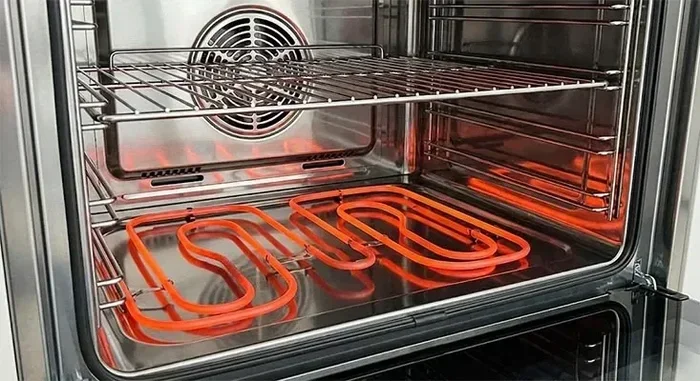
For electric ovens, the bake and broil elements can make noise when they fail. Turn off the power and visually inspect the elements. Look for cracks, blistering, or areas where the element glows unevenly when the oven is on. A damaged element often buzzes or crackles. If you see damage, the element needs replacement. This is a common fix that many homeowners can do themselves with a screwdriver and a multimeter to confirm the element is dead.
Common Mistake: Many people ignore a slightly uneven glow on the bake element, thinking it’s normal. In reality, an even glow means the element is working properly. Uneven glow or bright spots mean it’s about to fail and could cause buzzing noises.
Step 3: Examine the Convection Fan (If Applicable)
If your oven has a convection setting, the fan motor is a key player in oven makes noise when heating up scenarios. Remove the fan cover (usually held by a few screws at the back of the oven). Check the fan blade for cracks or warping. A bent blade will hit the housing and create a loud rattling or humming. If the blade looks fine, the motor itself may be failing. You can test the motor by spinning the blade—smooth, quiet motion is good. Grinding or resistance means the motor bearings are shot and need replacement.
Expert Insight: Convection fan motors are sealed units, so you can’t lubricate them yourself. When the bearings go, the whole motor must be replaced. This is a moderate-level repair that a handy homeowner can often handle, but if you’re unsure, a technician can do it quickly.
Step 4: Tighten Loose Components
Vibration is the enemy of a quiet oven. Walk around your oven with a flashlight and tighten any visible screws on the control panel, door hinges, and side panels. Check the oven racks for bent rails that might rattle against the walls. Even a loose crumb tray at the bottom can vibrate and create a persistent hum. This simple step often solves the mystery of why the oven makes noise when heating up.
Step 5: Address Thermal Expansion Sounds
Metal expands when heated, and that can cause pops and clicks. This is normal and not a defect. However, if the sounds are loud enough to be bothersome, you can reduce them by ensuring the oven is level. An unlevel oven puts stress on the frame, amplifying the expansion noises. Use a bubble level on the oven door and adjust the feet until the oven sits flat. This won’t stop thermal expansion, but it can minimize the rattling that comes with it.
When to Call a Professional for Oven Noise Issues
DIY fixes are great, but some problems are beyond the average homeowner’s scope. Knowing when to call for oven repair saves you from making things worse and keeps you safe.
Signs That Point to a Serious Problem
Call a technician if you notice any of the following:
- Loud grinding that doesn’t stop: This suggests the fan motor is seizing up. Running it further can burn out the motor completely.
- Burning smell or smoke: An electrical short or overheating element is dangerous. Turn off the oven immediately and seek help.
- Visible sparks or arcing: If you see sparks near the elements or wiring, do not use the oven. This is a fire hazard.
- Noises accompanied by no heat: If the oven runs but doesn’t warm up, the heating element or control board may have failed.
- Persistent loud humming after trying the steps above: The motor or a relay on the control board could be defective.
Cost Considerations: A simple fan motor replacement might cost $150–$300, while a control board repair can run $300–$500. A new oven can be $800–$2000. Knowing the cost ahead of time helps you decide between repair and replacement. Always ask for a diagnostic fee estimate before the technician starts work.
Preventive Maintenance Tips to Keep Your Oven Quiet
Prevention is the best medicine. A little regular care can stop oven makes noise when heating up issues before they start. Here’s how to keep your oven running quietly for years.
Regular Cleaning Habits
Food spills and grease buildup are the enemies of a quiet oven. After every use, wipe up any drips on the oven floor. Once a month, remove the racks and clean them with warm, soapy water. Check the fan blade area for debris—crumbs and grease can collect there and unbalance the fan. A clean oven runs smoother and quieter.
Lubricating Moving Parts
While the fan motor is sealed, you can still reduce noise from other moving parts. Apply a thin layer of food-safe silicone lubricant to the oven door hinges and the rack sliders. This prevents squeaking and ensures smooth operation. Never use petroleum-based grease inside the oven, as it can contaminate food and create smoke.
Scheduling Professional Tune-Ups
Just like a car, your oven benefits from a professional check-up. Once a year, have a technician inspect the heating elements, fan motor, and control board. They can spot worn bearings, loose wiring, and failing relays before they turn into loud noises or breakdowns. A yearly tune-up is a small cost that pays off in a quiet, efficient oven.
Quick Tip: Keep a log of your oven’s sounds and when they happen. If a new noise appears, the log helps you and your technician diagnose it faster. This simple habit makes oven troubleshooting much easier.
Final Thoughts: Silence Is Golden in the Kitchen
A noisy oven doesn’t have to be a permanent part of your kitchen. With the right knowledge, you can silence most sounds and enjoy a calm, efficient cooking environment. Remember that oven makes noise when heating up for a reason, and that reason is usually simple and fixable. Start with the easy checks—fan blade, loose screws, and debris. If the problem persists, don’t hesitate to call a professional. Regular maintenance and a watchful ear will keep your oven running quietly for years to come. Now go enjoy the peace of a silent preheat cycle.
Frequently Asked Questions
Why does my oven make a loud humming noise when it heats up?
A loud hum usually comes from the convection fan motor working harder than it should. Dust, grease, or a slightly bent fan blade can cause the motor to strain. Clean the fan assembly and check for loose parts. If the hum continues, the motor bearings may be worn and need replacement.
Is it normal for an oven to make clicking sounds during preheat?
Yes, a single click followed by heating is normal. The click is the igniter (in a gas oven) or the relay switching on. However, if you hear rapid, continuous clicking without the oven ever getting hot, the igniter or relay is likely faulty and needs professional attention.
Can a loose oven rack cause rattling noises when heating?
Absolutely. A rack that doesn’t sit flat can vibrate against the oven walls every time the heating element cycles on. Remove the rack, check for bends, and reinsert it so it slides in and out smoothly. Tightening the rack supports can also help.
How do I know if my oven fan motor needs replacement?
Listen for grinding or squealing sounds that get louder as the oven heats. Spin the fan blade by hand (with the oven off). If it wobbles, catches, or feels rough, the motor bearings are failing. A multimeter can confirm the motor has no continuity, which means it must be replaced.
What should I do if my oven smells like burning while making noise?
Turn off the oven immediately and unplug it or switch off the circuit breaker. A burning smell combined with noise could indicate an overheating element or a short in the wiring. Do not use the oven again until a qualified technician inspects it.
How often should I clean the oven fan to prevent noise?
Inspect the fan blade and housing every three to six months. If you notice grease or food buildup, clean it gently with a damp cloth and a mild degreaser. Regular cleaning keeps the fan balanced and prevents the rattling and humming that come with debris accumulation.