How To Self Clean Bosch Oven A Full Step By Step Guide
Your Bosch oven’s self-clean feature makes deep cleaning effortless. This guide shows you exactly how to self clean Bosch oven using the pyrolytic or steam-clean cycle, from prep to finish. You’ll get clear steps, safety tips, and maintenance advice to keep your oven spotless.
Learning how to self clean Bosch oven is one of the easiest ways to keep your kitchen fresh and functional. The self-cleaning feature saves you time and effort, but many owners skip it or use it incorrectly. This guide walks you through every step so you can trust the Bosch self-clean mode to do the heavy lifting.
Whether you have a pyrolytic or steam-clean model, the process is simple once you know the basics. You will learn how to prep the oven, choose the right cycle, and handle the aftermath safely. By the end, you will feel confident running a self-cleaning cycle on your Bosch oven model without any guesswork.
Key Takeaways
- Always remove racks and accessories before starting the cycle to prevent damage.
- Choose pyrolytic for heavy grease and steam clean for light messes.
- Run the cycle in a ventilated area and keep pets away.
- Let the oven cool completely before wiping out the ash residue.
- Use baking soda paste for stubborn spots after the self-clean cycle.
- Never use abrasive cleaners during or after the self-clean mode.
- Clean the door seal regularly to prevent odors and grime buildup.
📑 Table of Contents
- Understanding Your Bosch Oven’s Self-Clean Options
- How To Prepare Your Bosch Oven For Self-Cleaning
- How To Self Clean Bosch Oven: The Complete Step-by-Step Process
- Post-Cleaning Maintenance And Tips
- Common Mistakes To Avoid When Self-Cleaning Your Bosch Oven
- When To Call A Professional
- Expert Insight: Getting The Most From Your Bosch Self-Clean
Understanding Your Bosch Oven’s Self-Clean Options
Bosch ovens offer two main self-cleaning methods. Each one uses a different approach to break down grease and food splatters. Knowing the difference helps you pick the right oven cleaning cycle for the job.
Pyrolytic Cleaning vs. Steam Clean
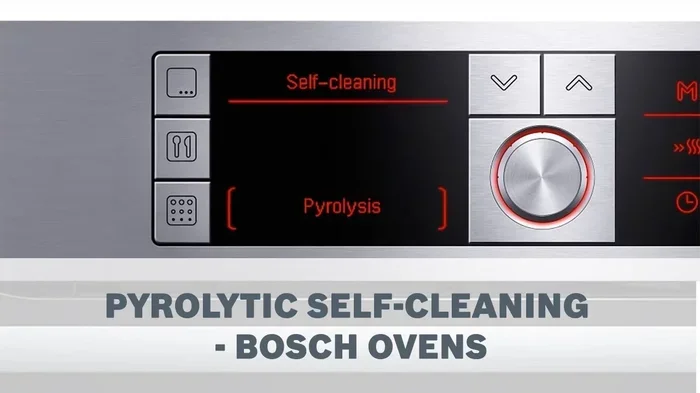
Pyrolytic cleaning uses extreme heat to burn off food residue into ash. The oven heats up to around 480°C (900°F) and locks the door automatically. This pyrolytic cleaning process takes about 2 to 4 hours and works best on heavy, baked-on grease.
Steam cleaning uses lower heat and water to loosen grime. It takes only 20 to 30 minutes and is ideal for light messes or regular maintenance. The steam clean option does not lock the door and produces less odor. It is perfect for quick oven maintenance between deep cleans.
| Feature | Pyrolytic Cleaning | Steam Clean |
|---|---|---|
| Temperature | 480°C (900°F) | 100°C (212°F) |
| Duration | 2–4 hours | 20–30 minutes |
| Best For | Heavy grease, burnt food | Light spills, routine cleaning |
| Door Lock | Automatic lock during cycle | No lock, cool to touch |
| Odor Level | Moderate to strong | Minimal |
| Rack Removal | Must remove racks | Racks can stay in |
How The Bosch Self-Clean Mode Works
When you select the self-clean mode, the oven ramps up to the target temperature. The oven door lock engages automatically for safety. A fan circulates hot air inside the cavity to carbonize all food debris. Once the cycle ends, the oven cools down on its own before the lock releases. This Bosch self-clean mode ensures that no harmful fumes escape during the process.
How To Prepare Your Bosch Oven For Self-Cleaning
Proper preparation is the key to a successful self-cleaning cycle. Skipping this step can lead to smoke, odors, or damage to the oven interior. Follow these simple prep steps every time.
Removing Racks and Accessories
Always pull out the cleaning rack, oven grates, and any stone or metal inserts. These parts are not designed to withstand the extreme heat of a pyrolytic cleaning cycle. Leaving them inside can cause warping, discoloration, or permanent damage. Hand-wash the racks separately with warm soapy water or place them in the dishwasher if the manufacturer allows.
Cleaning Loose Debris
Before starting the cycle, sweep out any loose crumbs or large food particles. Use a damp cloth to wipe the oven floor and walls. This grease removal step reduces smoke during the self-cleaning cycle and helps the oven reach the target temperature faster. For sticky spots, a paste of baking soda and water works wonders without harsh chemicals.
How To Self Clean Bosch Oven: The Complete Step-by-Step Process
Running the self-clean cycle on your Bosch oven is straightforward. Follow this exact sequence to get the best results every time.
- Empty the oven completely. Remove all racks, trays, and pans.
- Close the door firmly until it clicks into place.
- Select the self-clean setting. Choose pyrolytic for heavy soil or steam clean for light messes.
- Set the time. For pyrolytic, the oven will auto-select the correct duration. For steam clean, add about one cup of water to the bottom tray.
- Start the cycle. The door lock will engage automatically. Do not force the door open.
- Wait for the cycle to finish. The oven will cool down on its own. The lock releases only when the interior is safe to touch.
- Wipe out the residue. Once cool, use a damp microfiber cloth to remove the ash. A vacuum with a brush attachment works well for stubborn particles.
This process works for any Bosch oven model with a self-clean function. If you are unsure which cycle to pick, check your user manual. The oven cleaning cycle instructions are model-specific, but the core steps remain the same.
Quick Tips During the Cycle
- Ventilate your kitchen by opening a window or turning on the range hood. The pyrolytic cleaning process can produce mild odors that dissipate quickly.
- Keep pets away from the kitchen during the cycle. The heat and smells can be uncomfortable for animals.
- Do not use oven cleaner spray inside the oven during or immediately after the self-clean cycle. The high heat already sanitized the interior.
- Listen for the fan. The cooling fan will run after the cycle ends. This is normal and helps the oven cool safely.
Post-Cleaning Maintenance And Tips
After the self-cleaning cycle, a little follow-up care keeps your oven in top shape. These simple habits extend the life of your Bosch oven and make the next clean even easier.
Wiping Down The Interior
Once the oven is completely cool, wipe the walls, floor, and ceiling with a soft damp cloth. The ash residue from pyrolytic cleaning is fine and can settle into corners. A microfiber cloth picks it up without scratching the enamel. For a fresh scent, dampen the cloth with a splash of white vinegar.
Dealing With Lingering Odors
If you notice a slight smell after the cycle, leave the door open for 15 to 20 minutes. A bowl of baking soda placed inside overnight absorbs any remaining odors. Never use abrasive pads or harsh oven cleaner spray on the interior right after self-cleaning. The enamel is already sanitized and just needs a gentle wipe.
Keeping The Oven Interior Fresh
Regular oven maintenance prevents heavy buildup. After each use, wipe up spills while the oven is still warm. Place a baking sheet under dishes that might bubble over. This simple habit reduces the need for frequent self-cleaning cycles and keeps the oven interior looking new.
Common Mistakes To Avoid When Self-Cleaning Your Bosch Oven
Even with a simple process, small mistakes can cause big problems. Avoid these common errors to protect your oven and get the best results.
Skipping Pre-Cleaning
Some users start the cycle with large food chunks still inside. This creates excessive smoke and can trigger the oven’s safety shut-off. Always remove large debris first. A quick sweep of loose crumbs makes the grease removal process much more efficient.
Using The Wrong Cycle
Choosing pyrolytic cleaning for a light spill wastes energy and time. The high heat is unnecessary and can wear down the oven seal over time. Reserve pyrolytic cleaning for baked-on carbon and heavy grease. Use the steam clean option for everyday messes or quick refreshes.
Forcing The Door Open
The door lock is a safety feature, not an inconvenience. Forcing the door open while the oven is still hot can damage the lock mechanism. Wait for the lock to release naturally. If the lock stays engaged after the oven has cooled, check for debris around the seal or contact Bosch support.
Neglecting The Door Seal
The rubber seal around the door traps heat during the self-cleaning cycle. If the seal is caked with grease, it cannot perform properly. Wipe the seal with a damp cloth every few weeks. This small step improves cleaning efficiency and prevents odors from escaping into your kitchen.
When To Call A Professional
Most self-cleaning cycles go smoothly, but sometimes issues arise. Knowing when to seek help saves you from costly repairs.
Persistent Stains After Cleaning
If you still see dark spots after the cycle, do not scrub aggressively. A paste of baking soda and water applied gently can lift remaining stains. Let it sit for 30 minutes, then wipe with a damp cloth. If the stain remains, the oven’s enamel may be damaged and a professional should inspect it.
Malfunctioning Door Lock
A door that will not unlock after the cycle could signal a faulty lock motor or temperature sensor. Unplug the oven and check for visible debris around the lock. If the issue persists, contact a certified Bosch technician. Attempting to open the door manually can cause further damage to the oven door lock system.
Unusual Noises Or Smells
A slight fan noise during cooling is normal. Grinding, rattling, or burning plastic smells are not. These could indicate a loose component or an electrical issue. Stop using the oven immediately and schedule a service call. Regular oven maintenance helps prevent these problems, but wear and tear can still occur.
Expert Insight: Getting The Most From Your Bosch Self-Clean
Expert Insight: Bosch engineers recommend running the self-clean cycle once a month for heavy users and every two to three months for regular cooking. This frequency prevents deep carbon buildup and keeps the oven interior in excellent condition. Always refer to your specific Bosch oven model manual for the exact recommended cycle length and temperature settings. Following these guidelines ensures your oven operates safely and efficiently for years to come.
The self-clean feature is a powerful tool, but it works best when paired with simple daily habits. Wipe spills promptly, use oven-safe liners, and avoid overloading the oven with messy dishes. These small actions reduce the need for intense pyrolytic cleaning and keep your kitchen smelling fresh. With the right approach, how to self clean Bosch oven becomes a quick, painless task that anyone can master.
Remember that the steam clean option is your best friend for everyday upkeep. It uses less energy, produces no strong odors, and takes only half an hour. Make it a habit to run a quick steam clean after any major spill. Your oven will stay cleaner longer, and the occasional pyrolytic cycle will handle the tough stuff with ease.
Now that you know exactly how to care for your Bosch oven, put these steps into practice. The Bosch self-clean mode does the hard work for you, so you can spend less time scrubbing and more time enjoying your meals. A clean oven cooks better, smells better, and lasts longer. Start your first self-cleaning cycle today and feel the difference in your kitchen.
Frequently Asked Questions
Can I use oven cleaner spray during the self-clean cycle?
No. The self-cleaning cycle already reaches temperatures that sanitize the oven interior. Using oven cleaner spray during or right after the cycle can damage the enamel and produce harmful fumes. Stick to a damp cloth and baking soda for any follow-up cleaning.
How long does the Bosch self-clean cycle take?
The pyrolytic cleaning cycle usually takes 2 to 4 hours depending on soil level. The steam clean option takes only 20 to 30 minutes. Check your Bosch oven model manual for the exact duration, as some models offer shorter or longer settings.
Is it safe to self-clean a Bosch oven with racks inside?
No. Always remove all racks, trays, and accessories before starting the self-clean mode. The extreme heat of pyrolytic cleaning can warp or discolor metal parts. Hand-wash racks separately with warm soapy water.
What should I do if the door lock won’t release after the cycle?
Wait at least 30 minutes after the cycle ends. The lock releases automatically once the interior cools to a safe temperature. If it stays locked, check for food debris around the seal. If the problem continues, contact a certified Bosch technician to inspect the oven door lock mechanism.
Can self-cleaning remove burnt food on the bottom of the oven?
Yes. Pyrolytic cleaning is specifically designed to burn off even heavily carbonized, burnt food on the oven floor. For the best results, scrape off large chunks before starting the cycle. The high heat reduces the remaining residue to a fine, easy-to-wipe ash.
How often should I run the self-clean cycle on my Bosch oven?
For regular cooking, running the self-clean cycle every two to three months is sufficient. Heavy users or those who frequently bake messy dishes may benefit from a monthly pyrolytic cleaning. Using the steam clean option after each major spill helps maintain a fresh oven interior between deep cleans.