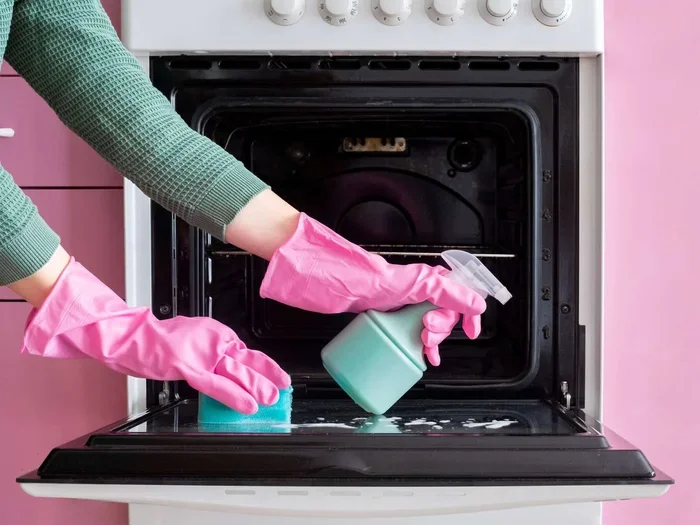
Why Does My Oven Smell Weird And Here Is How To Fix It
Why does my oven smell? The most common culprits are food spills, grease buildup, and burnt residue inside the oven. A weird oven smell can also signal a gas leak or a faulty heating element that needs immediate attention. This guide covers every cause and gives you easy, proven fixes to remove oven odor for good.
Have you ever opened your oven and been hit with a weird smell that makes you question what you are cooking? A strange oven smell is one of those annoying kitchen problems that almost everyone deals with at some point. Whether it is a burnt odor, a chemical scent, or something that smells like gas, your oven is trying to tell you something. Understanding why does my oven smell is the first step toward fixing the problem for good. In this guide, we will walk you through every possible cause, what each smell means, and simple steps you can take today to get your oven smelling clean again.
The good news is that most oven smells are not dangerous. They usually come from food spills, grease buildup, or leftover residue from past cooking sessions. But some odors can point to real safety issues that need quick attention. We will cover both the harmless and the serious causes so you know exactly what to do. By the end of this article, you will have a clear plan to tackle any oven odor and keep your kitchen fresh every time you cook.
Key Takeaways
- Food residue and grease are the #1 cause of a smelly oven and regular cleaning prevents this.
- Different smells mean different things — a burning plastic smell is not the same as a gas odor.
- Natural cleaners like baking soda and vinegar work great for removing stubborn oven smells.
- A new oven may smell for the first few uses but should fade within a short time.
- Call a professional if you smell gas or notice a burning smell that won’t go away.
- Prevent oven odor by cleaning spills right away and using oven liners.
📑 Table of Contents
Common Reasons Why Does My Oven Smell
A smelly oven is rarely random. There is almost always a reason behind it, and once you know the cause, fixing it becomes much easier. Let us look at the most common reasons your oven might be giving off an unpleasant smell.
Food Spills and Residue
The number one reason for a burnt oven smell is food that has spilled and baked onto the inside of your oven. When sauce, grease, or crumbs get baked onto the oven walls or floor, they keep smoking every time you turn the heat on. Even small spills that you do not notice can build up over time and create a strong odor. This is especially common after roasting or broiling foods that tend to drip, like chicken or pizza.
Here is what happens step by step. Food drops to the bottom of the oven. You do not clean it right away. The next time you bake at a high temperature, that food carbonizes. Carbonized food turns black and hard, and it releases a smoky smell every time you use the oven. The longer you let it sit, the worse the oven odor gets. Regularly wiping down the inside of your oven after each use can stop this cycle before it starts.
Grease and Grime Buildup
Grease buildup is a silent problem. Over weeks and months of cooking, fat and oil coat the inside surfaces of your oven. This layer of grease catches food particles and keeps burning at low temperatures. Even if you are not cooking anything, residual grease can start to smoke and stink when the oven warms up. This is why some people notice a foul oven smell even when they have not used it in days.
Grease buildup is especially bad around the oven racks and the bottom tray. These areas collect the most drippings and are the hardest to reach during a quick wipe-down. If you have not done a deep clean in a while, there is a good chance grease is the hidden cause of your weird oven smell. The fix is a thorough cleaning that targets those greasy spots directly.
Burnt Food Particles on the Oven Floor
Tiny food particles that fall through the grates or slide to the back of the oven can burn without you noticing. These particles may be too small to see but they are big enough to create smoke and smell. This is very common when you bake bread or roast vegetables that have loose crumbs or pieces. The particles land on the oven floor or on the heating element and scorch immediately when the heat kicks on.
A quick way to check for this is to look at the bottom of your oven with a flashlight. If you see black specks or crispy bits stuck to the floor or the heating element, that is your culprit. Removing these particles with a damp cloth or a gentle scrape can eliminate the smell quickly. This is one of the easiest oven cleaning tips you can follow to keep your oven smelling fresh.
What Different Oven Smells Mean
Not all oven smells are the same, and each type of odor can point to a different cause. Learning to identify the smell helps you figure out the right fix fast. Here is a breakdown of the most common types of oven smells and what they mean.
Burning Plastic Smell
A burning plastic smell is alarming but it is usually not an emergency. This smell often happens when you have a new oven and the insulation or protective coatings are burning off for the first time. It can also occur if a plastic wrapper or oven bag accidentally touches a hot surface inside the oven. In older ovens, plastic parts like wire insulation or oven knobs can heat up and release this odor.
If you just got a new oven and wonder why does my oven smell like plastic, do not panic. Run the oven empty at a moderate temperature for about 30 minutes with the kitchen window open. This burns off the manufacturing residue. If the smell persists after several uses, check for any plastic items left inside the oven or near the heating elements. If you cannot find the source, it may be time to call a technician.
Gas or Rotten Egg Smell
This is the most serious smell on this list. A gas odor from oven or a rotten egg smell means there could be a gas leak. Natural gas is odorless on its own, but utility companies add a chemical called mercaptan so leaks are easy to detect. If you smell this when you turn on your oven, do not use any open flames, do not flip light switches, and get out of the house if the smell is strong.
For a mild gas smell that goes away after a few minutes, it may just be the initial burst of gas when you first ignite the burner or oven. This is normal in small amounts. But if the smell stays or gets stronger, turn off the gas supply and call your gas company or a professional immediately. A gas leak from oven is a safety hazard that should never be ignored. Proper oven maintenance includes checking gas connections regularly for any signs of wear or damage.
Chemical or Metallic Odor
A chemical or metallic smell often comes from the oven racks or the interior walls. New ovens sometimes have a factory coating that smells metallic when heated. Oven racks made of certain metals can also release an odor when they get very hot. If you recently bought new racks or replaced parts inside your oven, this is likely the cause.
In older ovens, a chemical smell can come from cleaning products that were not fully rinsed out. If you use a strong oven cleaner, make sure you wipe the interior thoroughly with water after cleaning and let it air out before using the oven again. Some people also notice a metallic smell when they cook acidic foods like tomatoes in a pan that has scratches on the surface. Using the right cookware inside your oven can prevent this type of odor.
Smoke or Smoky Smell
A smoky smell is usually the most straightforward to identify. It means something is actually burning inside the oven. This could be an oversized piece of food that is touching the heating element, a forgotten piece of foil, or a spill that has turned into a hard, burnt crust. Smoke smells are common when you first use the oven after a long break or when you are cooking at very high temperatures.
The fix is simple. Turn off the oven, let it cool, and remove whatever is causing the smoke. Clean the affected area with warm soapy water. If the smoke smell lingers, place a bowl of vinegar inside the oven and heat it at a low temperature for 15 minutes. The vinegar absorbs the smoke odor naturally. This is one of the best natural odor removal methods for your oven.
How To Clean Your Oven and Remove Odors
Once you know what is causing the smell, the next step is cleaning. A clean oven does not smell. Period. There are several effective ways to clean your oven, from natural methods to store-bought products. Let us walk through the best options.
Natural Cleaning Methods That Work
You do not need harsh chemicals to get rid of oven smells. Some of the most effective oven cleaning methods use items you already have in your kitchen. Baking soda and vinegar are a powerful combination that breaks down grease and neutralizes odors without any toxic fumes.
Start by making a paste with baking soda and water. Spread it all over the inside of your oven, avoiding the heating elements. Let it sit overnight. The next morning, wipe it away with a damp cloth. Then spray a mix of vinegar and water inside the oven. The fizzing reaction helps lift remaining grime and leaves your oven smelling fresh. This method works great for baking soda odor removal and is safe for every type of oven surface.
Another natural trick is to heat a bowl of lemon water inside your oven. Fill a heat-safe bowl with water, squeeze in the juice of one lemon, and let it simmer on the lowest oven setting for about 20 minutes. The steam loosens grease and the lemon scent replaces any lingering odors. This is a gentle, effective way to keep your kitchen smells fresh and clean.
Store-Bought Oven Cleaners
For tough, baked-on grime that natural methods cannot handle, a commercial oven cleaner can do the job. Look for a cleaner that is designed for your type of oven. Self-cleaning ovens should not be scrubbed with abrasive cleaners, while traditional ovens benefit from heavy-duty degreasers.
Always follow the instructions on the label and make sure your kitchen is well-ventilated when using chemical cleaners. Wear gloves and avoid touching the heating elements with the cleaner. After using a store-bought product, wipe the oven interior thoroughly with clean water several times to remove any chemical residue. A residue left behind can cause a new smell the next time you use the oven. This is an important step in oven maintenance that many people skip.
Using the Self-Cleaning Feature
If your oven has a self-cleaning cycle, this is one of the easiest ways to deep clean it. The self-cleaning feature heats the oven to very high temperatures, burning off all food residue and grease into ash. You simply wipe away the ash with a damp cloth when the cycle is done.
However, the self-cleaning cycle can sometimes produce a lot of smoke and smell during the process. This is normal. Turn on your kitchen exhaust fan and open a window before starting the cycle. If your oven smells bad after self-cleaning, it may be because there was a large amount of grease that burned off all at once. Running the self-cleaning cycle twice with a light wipe in between can help. Also, make sure you do not use the self-cleaning feature too often, as the extreme heat can wear out oven parts over time.
Preventing Oven Odors in the Future
Cleaning is important, but prevention is even better. A few simple habits can keep your oven from smelling in the first place. Here is how to stop oven odors before they start.
Clean Spills Right Away
The best time to clean a spill is as soon as the oven cools down after cooking. Do not let food sit inside the oven overnight. A quick wipe with a damp cloth after each use prevents buildup and keeps your oven odor-free. This takes less than two minutes and saves you from deep cleaning sessions later.
Use Oven Liners and Covers
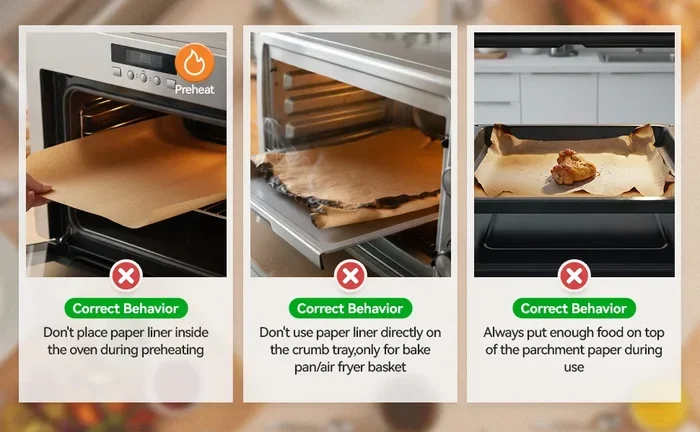
Oven liners are a simple but effective tool for catching drips and crumbs before they reach the oven floor. You can place a liner on the bottom rack or on the oven floor beneath your cooking tray. After cooking, just remove the liner and shake off the debris. This keeps the inside of your oven much cleaner and reduces the chances of a burnt smell in oven.
You can also use aluminum foil loosely shaped to cover dishes that tend to drip. This prevents grease from splattering onto the oven walls and heating elements. Just make sure the foil does not touch the heating element directly, as this can cause a spark or a burning smell.
Regular Deep Cleaning Schedule
Set a schedule for deep cleaning your oven every one to two months. Even if you do not notice a smell, regular deep cleaning prevents grease from building up to problematic levels. Mark it on your calendar or set a reminder on your phone. A consistent cleaning routine is the best long-term strategy for a fresh-smelling oven.
When to Call a Professional for Oven Smell Issues
Most oven smells go away with a good cleaning. But some situations require professional help. Knowing when to call a technician can save you time, money, and keep your kitchen safe.
Gas Leaks and Safety Concerns
If you ever smell a strong gas odor that does not go away, do not try to fix it yourself. Turn off the gas supply, open windows, leave the house, and call your gas utility company or emergency services. A persistent gas smell could indicate a damaged gas line, a faulty valve, or a problem with the oven igniter. A licensed technician can inspect the gas connections and repair any issues safely.
Heating Element Problems
A damaged heating element can produce strange smells. If one of the heating elements is visibly broken, sparking, or glowing unevenly, it may need to be replaced. A faulty element can also cause your oven to heat unevenly, which leads to food burning in certain spots and creating more odors. Replacing a heating element is a job best left to a professional unless you have experience with appliance repair.
Persistent Smells After Cleaning
If you have cleaned your oven thoroughly and the smell still does not go away, there may be an issue deeper inside the oven. This could be a cracked insulation layer, a damaged seal, or debris stuck in a part of the oven you cannot reach. A professional technician can open up the oven and inspect it fully. Do not keep using an oven that smells strange after cleaning, as it could indicate a problem that gets worse over time.
Quick Tips for a Fresh-Smelling Oven
Here are some fast, practical tips you can start using today to keep your oven smelling great:
- Wipe the oven interior with a damp cloth after every use to remove fresh spills.
- Place a baking dish of water in the oven when you are broiling to catch drips and reduce smoke.
- Use the steam clean feature if your oven has one. It uses low heat and water to loosen grime without harsh chemicals.
- Check the oven door seal regularly for food buildup or damage, as this can trap odors.
- Store oven-safe cookware outside the oven to prevent accidental burning of plastic handles or lids.
- Run a vinegar steam once a month to absorb any mild odors before they become strong.
- Replace oven racks if they are warped or heavily corroded, as they can trap grease and food particles.
These small habits take very little effort but they make a big difference over time. A well-maintained oven cooks better, lasts longer, and smells fresh every time you open the door.
Conclusion
Now you know exactly why does my oven smell and what you can do about it. From food spills and grease buildup to gas leaks and faulty heating elements, there are many possible causes for a weird oven smell. The good news is that most of them are easy to fix with simple cleaning and maintenance. Whether you prefer natural methods like baking soda and vinegar or you rely on store-bought cleaners, staying on top of your oven cleaning routine is the best way to prevent odors from returning. If you ever notice a gas smell or a persistent burning odor that does not go away, do not hesitate to call a professional. Your safety always comes first. Keep your oven clean, stay on top of small spills, and your kitchen will smell fresh every time you cook.
Frequently Asked Questions
Why does my oven smell like burning plastic?
A burning plastic smell usually comes from the protective coatings on new oven parts burning off during the first few uses. It can also happen if a plastic item like a wrapper or oven bag touches a hot surface inside the oven. Open a window and run the oven empty for 30 minutes to clear the smell. If it persists, check for any plastic items left inside the oven.
Is it normal for a new oven to smell weird?
Yes, it is completely normal for a new oven to have a strange smell for the first few uses. The insulation and interior coatings release odors when heated for the first time. To speed up the process, run the oven at 400 degrees for 30 minutes with the window open. The smell should go away after two or three self-cleaning cycles.
Can I use baking soda to remove oven smells?
Absolutely. Baking soda is one of the best natural ways to remove oven smells. Make a paste with baking soda and water, spread it inside the oven, let it sit overnight, and wipe it clean the next day. You can also place an open box of baking soda inside the oven overnight to absorb lingering odors.
What should I do if my oven smells like gas?
If you smell gas, turn off the oven immediately, open windows for ventilation, and do not use any flames or electrical switches in the kitchen. If the smell is mild and goes away quickly, it may just be the initial gas burst when you ignite the oven. If the smell stays, contact your gas company or a professional technician right away.
How often should I clean my oven to prevent bad smells?
A quick wipe after each use helps a lot, but a deep clean every one to two months is ideal for preventing stubborn odors. If you cook frequently or use your oven for greasy foods, you may need to clean it more often. Regular cleaning stops grease and food buildup that causes oven smells.
Can a dirty oven affect how my food tastes?
Yes, a dirty oven can affect food taste. Burnt grease and food residue release smoke and odors that can transfer to your food during cooking. This can give baked goods or roasted meals a stale or smoky flavor. Keeping your oven clean ensures your food tastes fresh and clean every time.