How Long To Cook 2 Lb Steak In Oven For Perfect Results
Cooking a 2 lb steak in the oven takes about 20 to 30 minutes at 400°F for a perfect medium-rare finish. This guide walks you through every step, from choosing the right cut to resting your steak properly. You will learn exact temperatures, timing tricks, and common mistakes to avoid. Whether you prefer a rare, medium, or well-done steak, this guide has you covered. Follow along and impress everyone with a restaurant-quality meal at home.
There is nothing quite like a perfectly cooked steak. The sizzle. The aroma. That first juicy bite that melts in your mouth. If you have ever wondered how long to cook 2 lb steak in oven, you are in the right place. This guide gives you everything you need to know. No guesswork. No stress. Just simple steps to get it right every single time.
A 2 lb steak is a generous cut. It feeds a small family or makes for incredible leftovers. But cooking it in the oven can feel tricky. Too hot and it burns. Too long and it dries out. The good news? With the right temperature and timing, you can achieve restaurant-quality results from your own kitchen. Let us dive in.
Key Takeaways
- Cook Time: A 2 lb steak needs 20 to 30 minutes in a 400°F oven for medium-rare.
- Internal Temp Matters: Use a meat thermometer. 130°F for medium-rare, 140°F for medium.
- Sear First: Always sear your steak on the stovetop before putting it in the oven.
- Rest Your Steak: Let it rest for 5 to 10 minutes after cooking for juicier results.
- Avoid Common Mistakes: Skip skipping the sear, overcooking, and not resting the meat.
- Choose the Right Cut: Ribeye, New York strip, and filet mignon work best for oven cooking.
📑 Table of Contents
How Long To Cook 2 Lb Steak In Oven — The Basics
The short answer is about 20 to 30 minutes at 400°F. But that number changes based on a few factors. The thickness of your steak matters a lot. A thick cut needs more time than a thin one. The starting temperature of the meat also plays a role. A steak straight from the fridge cooks differently than one brought to room temperature first.
Here is a quick reference for oven-baked steak at 400°F:
- Rare: 18 to 22 minutes (internal temp of 120°F)
- Medium Rare: 22 to 26 minutes (internal temp of 130°F)
- Medium: 26 to 30 minutes (internal temp of 140°F)
- Well Done: 30 to 35 minutes (internal temp of 155°F)
These times assume a steak that is about 1.5 inches thick. Thicker steaks need a few extra minutes. Thinner ones cook faster. Always use a meat thermometer to check the internal temperature. This is the single most important tool for perfect steak.
Why Temperature Control Is Everything
Oven temperature determines everything. Too high and the outside burns before the inside cooks. Too low and you end up with a gray, tough steak. 400°F is the sweet spot for most oven-baked ribeye and strip steaks. It creates a beautiful crust on the outside while keeping the inside juicy and pink.
Some cooks prefer a low and slow approach. They start at 250°F and slowly bring the steak up to temperature. This method works well for thicker cuts. It gives you more control over the final doneness. But for most home cooks, 400°F is simple and effective.
Choosing the Right Cut of Steak
Not all steaks are created equal. The cut you choose affects cooking time, flavor, and texture. Some steaks are better suited for the oven than others. Here are the best options for a 2 lb beef roast or steak.
Ribeye Steak
The ribeye is a crowd favorite. It has beautiful marbling, which means fat runs through the meat. This fat melts during cooking and keeps the steak incredibly juicy. A ribeye roast at 2 lbs cooks beautifully in the oven. Expect a rich, beefy flavor with a tender bite.
New York Strip
The New York strip is leaner than the ribeye but still very flavorful. It has a firm texture and a clean beef taste. This cut is great for those who prefer less fat. A 2 lb strip steak takes about the same time as a ribeye at 400°F.
Filet Mignon
Filet mignon is the most tender cut of beef. It is lean and buttery. Because it has less fat, it can dry out faster. Watch your cooking time carefully. A 2 lb filet may need slightly less time than fattier cuts. Aim for medium-rare or below to keep it tender.
Top Sirloin
Top sirloin is an affordable option that still delivers great flavor. It is leaner than ribeye but more flavorful than filet. A 2 lb sirloin steak works well in the oven. Just do not overcook it, or it can become tough.
| Cut | Fat Content | Best For | Cook Time at 400°F |
|---|---|---|---|
| Ribeye | High | Juicy, flavorful steak | 22 to 26 min |
| New York Strip | Medium | Firm, beefy flavor | 22 to 26 min |
| Filet Mignon | Low | Tender, lean steak | 18 to 24 min |
| Top Sirloin | Low-Medium | Budget-friendly option | 20 to 26 min |
Step-by-Step Guide to Cooking a 2 Lb Steak
Now let us get into the actual cooking process. Follow these steps for a perfect oven-baked steak every time. This method works for any of the cuts listed above.
Step 1: Bring the Steak to Room Temperature
Take your steak out of the fridge about 30 to 45 minutes before cooking. This lets the meat warm up evenly. A cold steak in a hot oven cooks unevenly. The outside burns while the inside stays cold. Room temperature steak cooks more consistently throughout.
Step 2: Season Generously
Keep it simple or go bold. A basic steak seasoning of salt and pepper works beautifully. Add garlic powder and a pinch of smoked paprika for extra flavor. Coat both sides evenly. The salt helps draw out moisture, which then gets reabsorbed into the meat. This makes the steak more flavorful and tender.
Step 3: Preheat Your Oven
Set your oven to 400°F. Let it fully preheat before the steak goes in. A properly heated oven ensures even cooking from the start. Use the convection setting if your oven has it. It circulates hot air for more consistent results.
Step 4: Sear on the Stovetop
Heat a cast iron skillet over high heat. Add a small amount of oil with a high smoke point, like avocado oil. Once the pan is smoking hot, place the steak in. Sear each side for about 1 to 2 minutes. This creates a charred crust that locks in juices and adds incredible flavor.
Step 5: Transfer to the Oven
After searing, move the skillet directly into the oven. Alternatively, transfer the steak to an oven-safe baking dish or wire rack. Cooking on a rack allows air to circulate underneath, which helps the bottom cook evenly. Place the steak in the center of the oven on the middle rack.
Step 6: Check the Internal Temperature
This is the most important step. Use an instant-read meat thermometer. Insert it into the thickest part of the steak, away from the bone if there is one. Check the temperature a few minutes before the estimated cook time ends. Remember these target temps:
- Rare: 120°F
- Medium Rare: 130°F
- Medium: 140°F
- Well Done: 155°F
Step 7: Rest the Steak
Once your steak hits the target temperature, pull it out. Let it rest on a cutting board for 5 to 10 minutes. This step is non-negotiable. Resting allows the juices to redistribute throughout the meat. If you cut into it right away, all those juices run out onto the board. A rested steak is a juicy steak.
Step 8: Slice and Serve
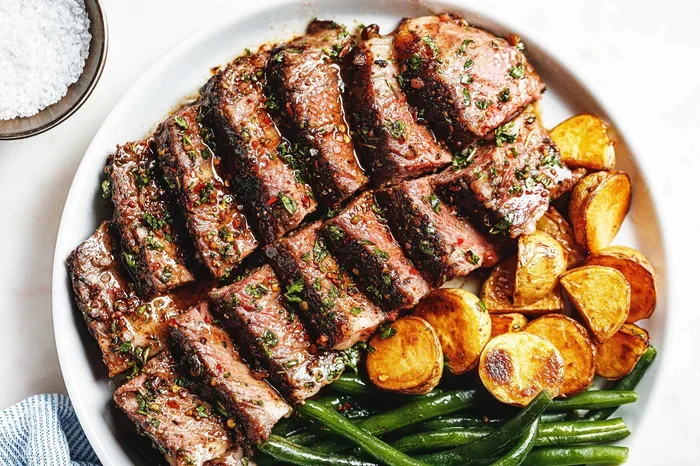
Slice against the grain for maximum tenderness. Serve immediately with your favorite sides. Roasted vegetables, mashed potatoes, or a simple side salad all pair wonderfully with a perfectly cooked oven-baked steak.
Internal Temperatures for Perfect Doneness
Understanding steak doneness is key to cooking the perfect steak. Many people guess at doneness, but a thermometer removes all guesswork. Here is a detailed breakdown of what each temperature looks like and feels like.
Rare (120°F to 125°F)
A rare steak is cool red in the center. It feels very soft when you press it. This is for true steak lovers who want maximum juiciness with a barely cooked center. The outside has a nice crust from searing, but the inside is almost raw.
Medium Rare (130°F to 135°F)
This is the gold standard for most steak enthusiasts. The center is warm and pink with a hint of red. The steak feels soft but has a slight give when pressed. Most chefs recommend medium-rare as the best balance of flavor, juiciness, and texture.
Medium (140°F to 145°F)
A medium steak has a pink center that is more uniform in color. It feels firm but still springy. This doneness is popular among families and those who prefer their steak less red. It is still juicy but slightly less so than medium-rare.
Medium Well (150°F to 155°F)
The center has very little pink left. The steak feels firm when pressed. This is a good option for those who do not like pink meat at all. Be careful not to overcook, as the steak can dry out quickly in this range.
Well Done (160°F and above)
A well-done steak has no pink at all. It is gray-brown throughout. It feels very firm. While some people prefer this level of doneness, it is the hardest to achieve without drying out the meat. If you must cook to well done, use a leaner cut and add extra moisture during cooking.
Quick Tip: Remember that the temperature will rise 5 to 10 degrees after you pull the steak from the oven. This is called carryover cooking. Pull your steak a few degrees early to account for this rise.
Common Mistakes to Avoid
Even experienced cooks make mistakes with oven-baked steak. Learning what not to do is just as important as learning what to do. Here are the most common errors people make.
Starting with a Cold Steak
Never put a cold steak directly into a hot oven. The outside overcooks while the inside stays cold. Always bring the meat to room temperature first. This simple step makes a huge difference in even cooking.
Skipping the Sear
The oven alone will not give you a flavorful crust. Searing on the stovetop first is essential. That Maillard reaction creates hundreds of complex flavors. Skip this step and your steak will taste flat.
Not Using a Thermometer
guessing when a steak is done leads to disappointment. A $15 instant-read thermometer is the best investment you can make. It takes the guesswork out entirely and gives you perfect results every time.
Overcooking the Steak
It is easy to leave the steak in the oven too long. Set a timer and check early. Better to undercook slightly and add a minute or two than to overcook and ruin a good cut of meat.
Skipping the Rest
Cutting into your steak immediately after cooking is one of the biggest mistakes. The juices need time to settle. A good rest of 5 to 10 minutes makes your steak significantly juicier.
Using the Wrong Pan
Do not use a plastic or flimsy pan for searing. A cast iron skillet is ideal. It holds heat evenly and creates an excellent sear. If you do not have cast iron, use a heavy stainless steel pan.
Expert Tips for Restaurant-Quality Results
Want to take your oven-baked steak to the next level? These expert tips will help you achieve restaurant-quality results at home.
Dry Brine Your Steak
Dry brining means salting your steak and letting it sit uncovered in the fridge for 1 to 24 hours. The salt draws out moisture, which then gets reabsorbed. This seasons the meat deeply and creates a drier surface, which leads to a better sear. Try this with your next ribeye roast and notice the difference.
Use a Wire Rack
Cooking your steak on a wire rack set over a baking sheet allows hot air to flow around the meat. This promotes even cooking on all sides. It also prevents the bottom from steaming and getting soggy.
Add Butter and Herbs at the End
After your steak comes out of the oven and rests, add a tablespoon of butter and fresh herbs like thyme or rosemary to the hot skillet. Baste the steak with this compound butter. It adds richness and a beautiful aroma that elevates the entire dish.
Let the Steak Finish with a Reverse Sear
The reverse sear method involves cooking the steak low and slow in the oven first, then finishing with a hard sear on the stovetop. Set your oven to 250°F and cook until the steak is 10 degrees below your target temperature. Then sear hard in a cast iron skillet for 1 minute per side. This gives you perfect edge-to-edge doneness.
Slice Against the Grain
Always cut your steak against the direction of the muscle fibers. This shortens the muscle and makes each bite more tender. Look closely at the meat and you will see the lines. Cut perpendicular to those lines for the most tender result.
How to Store and Reheat Leftover Steak
Sometimes you cook a 2 lb steak and do not finish it all at once. That is perfectly fine. Leftover steak can be just as delicious the next day if stored and reheated properly.
Let the steak cool to room temperature before storing. Wrap it tightly in plastic wrap or aluminum foil. Place it in an airtight container and refrigerate. Properly stored steak lasts 3 to 4 days in the fridge.
To reheat, use a low oven temperature of 250°F. Place the steak on a wire rack and warm it for 10 to 15 minutes. You can also reheat in a skillet with a little butter over medium-low heat. Avoid the microwave, as it tends to dry out the meat and make it rubbery.
Quick Tip: If you have leftover steak slices, use them in sandwiches, salads, or stir-fries the next day. They add amazing flavor and protein to any meal.
Conclusion
How long to cook 2 lb steak in oven comes down to a few simple factors. Temperature, timing, and the right cut all play a role. A 2 lb steak at 400°F takes about 20 to 30 minutes for a perfect medium-rare finish. Always use a meat thermometer to check your internal temperature. Bring the steak to room temperature before cooking. Sear it first on the stovetop for a beautiful crust. And never skip the resting step.
With these tips and techniques, you can cook a steak that rivals any restaurant. Choose your favorite cut, season it well, and trust the process. The more you practice, the more confident you will become. Soon, oven-baked steak will be one of the easiest dishes you can make at home.
So fire up your oven, grab a good cut of beef, and enjoy the process. A perfectly cooked steak is one of life’s simple pleasures. And now you have all the knowledge to make it happen. Happy cooking!
Frequently Asked Questions
Can I cook a 2 lb steak at 350°F instead of 400°F?
Yes, you can cook a 2 lb steak at 350°F. It will take longer, about 30 to 40 minutes. The lower temperature cooks the steak more gently. This can work well if you prefer a more even doneness throughout. Just check the internal temperature with a thermometer.
Do I need to cover the steak with foil while it rests?
No, you do not need to cover the steak with foil while it rests. Simply place it on a cutting board and let it sit for 5 to 10 minutes. Covering it with foil can trap steam and soften the crust you worked hard to create. A loose tent of foil is okay if your kitchen is very cold, but it is not necessary.
What is the best steak for cooking in the oven?
The best steaks for oven cooking are ribeye, New York strip, and filet mignon. These cuts have the right balance of fat and tenderness for oven roasting. A 2 lb ribeye is especially popular because the marbling keeps it juicy during cooking. Choose a steak that is at least 1.5 inches thick for the best results.
How do I know when my steak is done without a thermometer?
You can use the touch test as a rough guide. Press the center of the steak with your finger. If it feels very soft, it is rare. Slightly soft means medium-rare. Firm but springy means medium. Very firm means well done. However, a thermometer is always more accurate and recommended for consistent results.
Can I use a baking sheet instead of a cast iron skillet for searing?
You can, but cast iron is much better for searing. Cast iron holds heat extremely well and creates a superior crust. If you do not have cast iron, use the heaviest stainless steel or oven-safe skillet you have. Avoid non-stick pans for searing, as they do not get hot enough to create a good crust.
Is it better to cook steak on a wire rack or directly on a baking sheet?
A wire rack is better for even cooking. It allows hot air to circulate underneath the steak, so the bottom cooks at the same rate as the top. If you cook directly on a baking sheet, the bottom can steam and become soggy. A wire rack is a small investment that makes a big difference in your oven-baked steak results.