How Long To Cook Broccoli And Cauliflower In The Oven
How long to cook broccoli and cauliflower in the oven depends on the size of your florets and your oven temperature, but most recipes take between 20 and 30 minutes. Roasting at 400°F to 425°F brings out the best flavor, giving you golden brown edges and tender-crisp texture every single time. Whether you use fresh or frozen vegetables, this guide covers everything you need to know.
There are few things in the kitchen that feel as simple and satisfying as roasted broccoli and cauliflower. These two vegetables are affordable, nutritious, and incredibly versatile. Yet so many people end up with soggy, bland, or burnt results every time they try to bake broccoli or roast cauliflower in the oven.
The good news is that getting great results is easier than you think. Once you understand the basics of oven temperature, cooking time, and a few simple tricks, you will never go back to boiling these veggies again. This guide walks you through everything you need to know about how long to cook broccoli and cauliflower in the oven, step by step.
Whether you are meal prepping for the week, making a quick side dish for dinner, or trying to get more vegetables into your diet, this article has you covered. We will talk about temperatures, timing, seasoning ideas, and common mistakes that can ruin your roasted vegetables. Let us get started.
Key Takeaways
- Standard Cook Time: Most broccoli and cauliflower roast in 20 to 30 minutes at 400°F to 425°F.
- Temperature Matters: Higher temps like 425°F create crispier edges, while lower temps keep vegetables more tender.
- Cut Size Affects Timing: Smaller florets cook faster, so adjust your cooking time accordingly.
- Fresh vs Frozen: Frozen vegetables need a few extra minutes and should be thawed and dried first.
- Don’t Crowd the Pan: Spreading vegetables in a single layer ensures even roasting and caramelized edges.
- Season Simply: Olive oil, salt, and pepper go a long way, but garlic and parmesan add great flavor too.
- Check Doneness: Pierce with a fork to confirm tenderness, and look for golden brown color on the edges.
📑 Table of Contents
- Why Roasting Broccoli and Cauliflower Works So Well
- How Long To Cook Broccoli And Cauliflower In The Oven
- The Best Oven Temperature for Roasted Broccoli and Cauliflower
- Step-by-Step Instructions for Perfectly Roasted Vegetables
- Tips for Getting Crispy Broccoli and Golden Cauliflower
- Common Mistakes to Avoid When Roasting Broccoli and Cauliflower
- How to Meal Prep Roasted Broccoli and Cauliflower
- Comparing Roast, Steam, and Boil: Which Method Is Best?
- Conclusion
Why Roasting Broccoli and Cauliflower Works So Well
Roasting is hands down the best way to cook broccoli and cauliflower in the oven. Unlike boiling or steaming, roasting uses dry heat. This means the vegetables caramelize on the outside while staying tender inside. That golden brown color and slightly crispy texture is something no other cooking method can match.
When you roast broccoli and cauliflower, the natural sugars in the vegetables concentrate. This creates a deeper, sweeter flavor that even picky eaters love. You also get caramelized edges that add a wonderful contrast to the soft, fluffy interior of the florets.
Another big reason people love vegetable roasting is convenience. You just toss everything on a sheet pan, pop it in the oven, and wait. There is no standing over a hot stove stirring or monitoring. You can use that time to prepare the rest of your meal. Sheet pan vegetables like broccoli and cauliflower also pair beautifully with proteins like chicken, salmon, or tofu.
From a nutrition standpoint, roasting preserves more vitamins than boiling. Water-soluble vitamins like vitamin C stay in the vegetable instead of leaching into the cooking water. So not only does roasting taste better, but it is also better for you.
How Long To Cook Broccoli And Cauliflower In The Oven
The answer to how long to cook broccoli and cauliflower in the oven depends on a few factors. The main ones are oven temperature, the size of your florets, and whether you are using fresh or frozen vegetables. Let us break it down.
Cooking Times at Different Temperatures
Here is a general guide for roasting broccoli and cauliflower at various temperatures:
- 400°F (200°C): 25 to 30 minutes. This is the most popular temperature for oven-roasted vegetables. It gives you a good balance of crispy edges and tender florets.
- 425°F (220°C): 20 to 25 minutes. Higher heat speeds up cooking and creates more crispy broccoli and deeper browning.
- 375°F (190°C): 30 to 35 minutes. Lower heat takes longer but produces a more uniformly tender result.
- 350°F (175°C): 35 to 40 minutes. This is the slowest method and works well if you want very soft, melt-in-your-mouth vegetables.
These times are for standard-sized florets. If your pieces are much larger or smaller, you will need to adjust. Always check for doneness by poking a fork into the thickest part of a floret. It should slide in easily with just a little resistance.
Fresh vs Frozen: Does It Change the Time?
Yes, it does. Fresh broccoli and cauliflower generally roast faster than frozen ones. This is because frozen vegetables contain ice crystals that need to melt before the roasting process can begin. If you cook frozen vegetables straight from the freezer, add about 5 to 10 extra minutes to the cooking time.
Here is the best way to handle frozen vegetables for oven roasting:
- Thaw the vegetables in a colander for about 15 minutes.
- Pat them completely dry with paper towels or a clean kitchen towel. This step is crucial because excess moisture creates steam, which leads to soggy vegetables.
- Toss with olive oil and seasoning before spreading on the baking sheet.
If you skip the drying step, your roasted cauliflower and broccoli will steam instead of roast. You will not get those beautiful caramelized edges that make roasted vegetables so delicious.
The Best Oven Temperature for Roasted Broccoli and Cauliflower
Temperature is one of the most important factors in getting great roasted vegetables. Too low and your broccoli will turn soft and pale. Too high and the outside will burn before the inside cooks through.
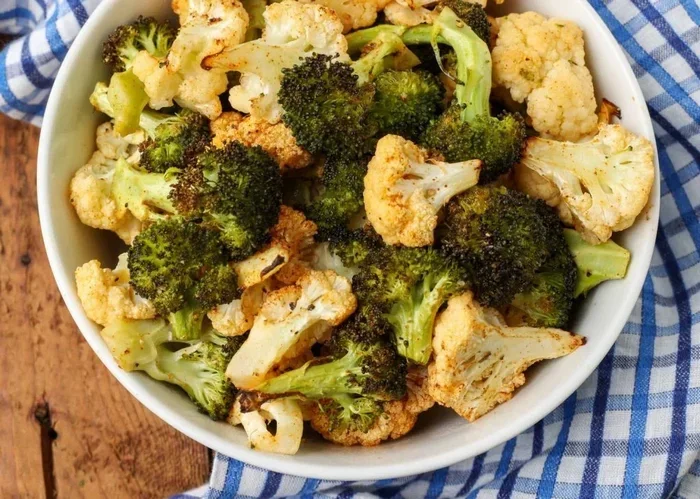
Most experts agree that 400°F to 425°F is the sweet spot for vegetable roasting. At 400°F, you get even cooking with a nice golden color. At 425°F, the edges brown faster and you get more crispy broccoli with a deeper flavor profile.
If your oven runs hot, stick with 400°F. If it runs cool, try 425°F. Every oven is different, and knowing your oven’s true temperature can make a big difference in your roasting results. An oven thermometer is a cheap and useful tool if you are serious about getting consistent baked vegetables.
Why Convection Mode Changes Things
If your oven has a convection setting, you should know it affects cooking times. Convection fans circulate hot air around the food, which cooks vegetables faster and more evenly. If you use convection, reduce the temperature by about 25°F and check your vegetables a few minutes early.
For example, if a recipe calls for 425°F for 25 minutes in a regular oven, try 400°F for 20 to 22 minutes on convection. You will still get beautifully roasted broccoli and cauliflower, but with less risk of burning.
Step-by-Step Instructions for Perfectly Roasted Vegetables
Now that you know the times and temperatures, let us walk through the actual process. Following these steps will give you perfectly roasted broccoli and cauliflower every time.
Step 1: Prep Your Vegetables
Start by washing your fresh broccoli and cauliflower thoroughly. Cut them into even-sized florets. Try to keep the pieces similar in size so they cook at the same rate. If you have thick stems, you can peel them and slice them into rounds too. The stems are delicious when roasted!
For roasted cauliflower specifically, you can also cut it into larger chunks or even roast it whole if it is small enough. A whole head of cauliflower roasted in the oven looks impressive and tastes amazing.
Step 2: Season Generously
Place your florets in a large bowl and drizzle with olive oil. Use about one to two tablespoons per large head of vegetables. Add salt and pepper, then toss everything together until the pieces are evenly coated.
Here are some seasoning ideas to try:
- Classic: Garlic powder, onion powder, salt, and pepper
- Spicy: Paprika, cayenne pepper, and a squeeze of lemon
- Italian: Dried oregano, basil, and grated parmesan
- Asian-Inspired: Soy sauce, sesame oil, and a sprinkle of sesame seeds
- Simple and Clean: Just olive oil, salt, and a squeeze of fresh lemon
The key to great roasted vegetables is not overcomplicating things. Good olive oil, salt, and pepper will take you a long way. But the seasoning options above can add exciting new flavors whenever you want variety.
Step 3: Arrange on the Baking Sheet
This step is where many people go wrong. You want a single layer of florets on the baking sheet with no overlapping. Do not crowd the pan. If the vegetables pile on top of each other, they will steam instead of roast, and you will end up with soggy results.
If you need to roast a large batch, use two sheet pans or work in two rounds. A little extra dishwashing is worth perfectly crispy broccoli and cauliflower.
Step 4: Roast and Check
Place the baking sheet on the middle rack of your oven. Set a timer for the recommended time based on your temperature. At 425°F, start checking at the 18-minute mark. At 400°F, check around the 22-minute mark.
Use a spatula to flip or toss the vegetables halfway through cooking. This ensures even browning on all sides. You want to see golden brown edges forming, and the florets should feel tender when you poke them with a fork.
Step 5: Serve Immediately
Roasted vegetables are best served right away while they are still warm and crispy. They make an excellent side dish for grilled chicken, roasted fish, pasta, or rice bowls. You can also toss them into salads or grain bowls for added flavor and nutrition.
If you need to hold them for a few minutes, keep them on the warm sheet pan and cover loosely with foil. But do not let them sit for too long or they will lose their crispy texture.
Tips for Getting Crispy Broccoli and Golden Cauliflower
Getting the perfect crispy broccoli and golden cauliflower comes down to a few key details. Here are my best tips:
- Dry your vegetables thoroughly. Any surface moisture creates steam, which prevents browning. Always pat your florets dry after washing or thawing.
- Use enough oil. Too little oil means the vegetables dry out and burn. Too much oil makes them greasy. A light, even coating is the goal.
- Space them out on the pan. Leave at least half an inch between each floret. This allows hot air to circulate freely around every piece.
- Do not move them too much. Let the vegetables sit undisturbed for at least half the cooking time. Moving them too often prevents the formation of caramelized edges.
- Add a finishing touch. A sprinkle of lemon juice, a drizzle of balsamic glaze, or a shower of parmesan cheese right after roasting takes your roasted vegetables to the next level.
- Use parchment paper or a silicone mat. These prevent sticking and make cleanup easier. They also promote even browning compared to bare metal pans.
If you want to take your oven-roasted vegetables even further, try adding a small amount of butter or balsamic vinegar during the last five minutes of cooking. This adds richness and a subtle sweetness that complements the natural flavor of the broccoli and cauliflower beautifully.
Common Mistakes to Avoid When Roasting Broccoli and Cauliflower
Even experienced home cooks make mistakes when roasting vegetables. Here are the most common ones and how to avoid them:
Overcrowding the Pan
This is the number one mistake people make. When you stuff too many vegetables onto one sheet pan, they trap steam against each other. Instead of roasting, they essentially steam. The result is pale, soggy broccoli florets with no browning at all. Give your vegetables room to breathe.
Skipping the Drying Step
Whether you are using fresh or frozen vegetables, surface moisture is the enemy of crispiness. Wet vegetables release steam in the oven, which prevents the Maillard reaction from happening. That is the chemical process responsible for browning and flavor development. Dry your vegetables well before they go on the pan.
Using the Wrong Temperature
Some people set their oven too low, thinking it will be gentler on the vegetables. But too low a temperature just makes the vegetables release all their moisture before they can brown. You need high enough heat to evaporate surface moisture quickly and create that golden brown exterior.
Not Seasoning Enough
Vegetables need salt to taste good, just like everything else. Many people are too timid with seasoning. Be generous with salt and pepper. You can always adjust at the table, but you cannot take salt away once the vegetables are roasted.
Waiting Too Long to Serve
Roasted vegetables continue to cook slightly after you take them out of the oven. If you leave them on the hot sheet pan for too long, they will overcook and lose their crispy texture. Serve them within a few minutes of pulling them from the oven.
How to Meal Prep Roasted Broccoli and Cauliflower
Meal prepping roasted vegetables is one of the best ways to save time during the week. Once you know how long to cook broccoli and cauliflower in the oven, you can batch cook them on Sunday and have ready-to-eat sides all week long.
Roasted broccoli and cauliflower store well in the refrigerator for up to four days. Keep them in an airtight container. When you are ready to eat, you can reheat them in the oven at 375°F for about 5 to 7 minutes. Microwaving works in a pinch, but it can make the vegetables a bit soggy. The oven brings back the crispy edges much better.
You can also freeze roasted vegetables for up to three months. Let them cool completely, then spread them on a baking sheet and freeze until solid. Transfer to freezer bags and store. When you are ready to eat, reheat from frozen in the oven at 400°F for about 10 to 15 minutes.
Meal prepping your roasted vegetables makes it so much easier to eat healthy during busy weeks. Toss them into lunches, fold them into wraps, or serve them alongside dinner proteins. They are a quick and easy way to add more nutrients to any meal.
Comparing Roast, Steam, and Boil: Which Method Is Best?
There are three main ways to cook broccoli and cauliflower. Let us compare them quickly:
- Roasting: Produces crispy edges and concentrated flavor. Takes 20 to 30 minutes at 400°F to 425°F. Best for side dishes and meal prep.
- Steaming: Preserves nutrients well and keeps vegetables soft. Takes about 5 to 7 minutes on the stovetop. Best for salads or when you want a very tender texture.
- Boiling: Fastest method at about 3 to 5 minutes. But it leaches water-soluble vitamins into the water. Results are often bland and mushy.
For most people, roasting is the clear winner. It tastes the best, is the easiest hands-off method, and produces the most appealing results. If you have been boiling your broccoli and cauliflower, I strongly encourage you to try the oven-roasted method instead.
An air fryer can also work well for these vegetables and is a great alternative to the oven. Air fryer roasted broccoli and cauliflower take about 10 to 15 minutes at 400°F. The results are similar to oven roasting but with even faster cook times and extra crispiness.
Conclusion
How long to cook broccoli and cauliflower in the oven is a question with a straightforward answer: 20 to 30 minutes at 400°F to 425°F. But the real secret to great roasted vegetables lies in the details. Dry your florets well, give them space on the pan, season generously, and do not be afraid of high heat.
Once you master these basics, you can experiment with different seasonings, temperatures, and timing variations to find your perfect roasted broccoli and cauliflower recipe. Whether you like your crispy broccoli lightly charred or your roasted cauliflower perfectly golden, the principles remain the same.
These vegetables are some of the easiest and most rewarding things you can cook in the oven. They require minimal prep, almost no hands-on time, and deliver incredible flavor every single time. So next time you are planning a meal, grab some fresh broccoli and cauliflower, preheat your oven, and give roasting a try. You will not be disappointed.
Start with the times and temperatures in this guide, adjust based on your oven and your preferences, and before long, roasting broccoli and cauliflower will become second nature. Your taste buds and your health will thank you.
Frequently Asked Questions
Can I roast broccoli and cauliflower together on the same sheet pan?
Yes, absolutely. Broccoli and cauliflower have similar cooking times and roast beautifully together. Just make sure your florets are similar in size so they cook evenly. Toss them with the same seasoning and spread them in a single layer on the pan.
How do I know when roasted broccoli is done?
Your roasted broccoli is done when the edges are golden brown and the florets feel tender when you poke them with a fork. The stems should be easily pierced but not completely soft. If you like extra crispy broccoli florets, let them go a couple of minutes longer.
What is the best way to store leftover roasted vegetables?
Let the roasted vegetables cool completely, then store them in an airtight container in the refrigerator. They will keep for up to four days. Reheat in the oven at 375°F for 5 to 7 minutes to restore the crispy texture. Avoid microwaving if possible, as it makes them soggy.
Can I use frozen broccoli and cauliflower for roasting?
Yes, you can roast frozen broccoli and cauliflower. The key is to thaw them first and pat them completely dry. Excess moisture will cause steaming instead of roasting. Add about 5 to 10 extra minutes to the cooking time compared to fresh vegetables.
Why did my roasted broccoli turn out soggy?
Soggy roasted broccoli usually happens for one of three reasons: the vegetables were too wet before going in the oven, the pan was overcrowded, or the oven temperature was too low. Make sure to dry your florets well, give them space on the pan, and use at least 400°F for the best results.
What temperature is best for roasting cauliflower?
400°F to 425°F is the best temperature for roasting cauliflower. This range creates golden brown edges while keeping the inside tender and fluffy. If you prefer a softer texture, you can drop to 375°F and add about 5 to 10 extra minutes to the cooking time.