What Temp To Reheat Meat In Oven Without Drying It Out
Reheating meat in the oven the right way keeps it juicy, safe, and full of flavor. The ideal temp to reheat meat in oven is between 250°F and 325°F, depending on the cut. This low and slow approach prevents moisture loss and avoids overcooking. Whether you are reheating roast chicken, steak, or brisket, the right temperature and method make all the difference. Follow our simple steps and your leftovers will taste almost as good as fresh.
There is nothing worse than pulling a plate of leftovers out of the oven only to find dry, rubbery meat. You spent time cooking it the first time, and now it tastes like a shadow of its former self. The good news is that knowing the correct temp to reheat meat in oven transforms your leftovers into a meal that feels almost brand new.
Reheating meat is not just about warming it up. It is about doing so safely while preserving the moisture, texture, and flavor you worked hard to achieve the first time around. Whether you are dealing with a Sunday roast, leftover grilled chicken, or a slice of prime rib, the oven temperature for reheating plays a huge role in the outcome.
This guide walks you through everything you need to know. From the best temperatures for different cuts to step-by-step instructions and common mistakes to avoid, you will have all the tools to reheat meat like a pro. Let us dive in and make sure your leftovers never disappoint again.
Key Takeaways
- Low and slow is the golden rule: Reheat at 250°F to 325°F for moist, tender results.
- Always use a meat thermometer: The internal temperature should reach 165°F for poultry and 145°F for most other meats.
- Cover with foil: Trapping steam keeps meat from drying out during reheating.
- Let meat rest after reheating: Carryover cooking raises the internal temperature naturally.
- Different meats need different approaches: Chicken, steak, roast, and ground beef each have ideal reheating methods.
- Avoid the microwave when possible: The oven delivers far better texture and flavor for leftover meat.
📑 Table of Contents
The Best Temperature to Reheat Meat In Oven
The short answer to what temp to reheat meat in oven is between 250°F and 325°F. This range is low enough to warm the meat through gently without squeezing out all the moisture. High heat may seem tempting because it is faster, but it is the number one enemy of juicy reheated meat.
Most chefs and food safety experts agree that a low and slow reheating method works best. Here is a quick breakdown of recommended temperatures for different types of meat:
- Chicken and poultry: 275°F to 300°F
- Beef roast and brisket: 250°F to 275°F
- Steak and pork loin: 275°F to 300°F
- Ground beef and meatballs: 300°F to 325°F
- Ribs and pulled pork: 250°F to 275°F
The reason these temperatures work so well comes down to food science. When you expose meat to high heat, the muscle fibers contract tightly and push out moisture. This is called moisture loss, and it is what makes reheated meat dry and tough. By keeping the oven temperature for reheating moderate, you allow the heat to penetrate slowly and evenly. The fibers relax rather than squeeze, and the juices stay put.
Why Low and Slow Works Better Than High Heat
Think of it this way. If you blast cold meat with 400°F heat, the outside burns before the inside warms up. You end up with a crispy, overcooked exterior and a cold, undercooked center. That is the exact opposite of what you want.
Low heat gives you a gentle, even warm throughout. The internal temperature rises gradually, giving the proteins time to relax and hold onto their moisture. This is the same principle behind slow cooking and sous vide. It is not about speed. It is about control.
Another benefit of low and slow reheating leftovers is that you reduce the risk of overcooking. Meat continues to cook even after you take it out of the oven, a phenomenon known as carryover cooking. Starting at a lower temperature gives you a bigger safety margin.
How To Reheat Different Types of Meat
Not all meat is the same. A whole roast chicken needs a different approach than a slice of steak or a rack of ribs. Understanding how each type of meat responds to heat helps you choose the right temp to reheat meat in oven for the best results.
Reheating Chicken and Poultry
Chicken is one of the trickiest meats to reheat because it dries out so easily. The breast meat, in particular, loses moisture fast. For reheating chicken in the oven, set your temperature to 275°F.
Place the chicken in an oven-safe dish and add a splash of chicken broth or water to the bottom of the dish. Cover tightly with aluminum foil to create a steamy environment. The steam bathes the meat and prevents it from drying out. Heat for about 15 to 20 minutes per pound, or until the internal temperature reaches 165°F.
Pro tip: If you are reheating a whole chicken, rub a little olive oil or butter on the skin before covering it with foil. This adds a layer of moisture and helps the skin stay tender instead of turning into leather.
Reheating Steak and Red Meat
Steak is forgiving when it comes to reheating roast cuts. A thick steak holds its moisture better than thin slices. For steak, set the oven to 275°F and place the meat on a wire rack over a baking sheet. The wire rack allows air to circulate around the meat, which promotes even warming.
Reheat for about 10 to 15 minutes for a thick steak. Check the internal temperature with a meat thermometer. You want it to reach about 110°F to 120°F for medium-rare. Then let it rest for a few minutes before serving.
For reheating steak that you plan to sear afterward, you can skip the foil cover entirely. The dry oven heat warms the meat gently, and a quick sear in a hot skillet for 30 to 60 seconds per side gives you a beautiful crust.
Reheating Roast Beef and Brisket
Large cuts like roast beef and brisket benefit from the lowest oven temperature for reheating. Set your oven to 250°F and place the meat in an oven-safe skillet or Dutch oven. Add a cup of beef broth to the bottom of the pan. The liquid creates steam and adds flavor back into the meat.
Cover with foil and reheat for about 20 to 30 minutes per pound. Brisket and roast beef are forgiving meats, so they do not overcook easily at this low temperature. Once the internal temperature hits 165°F, remove the foil and let the meat rest for 10 to 15 minutes before slicing.
For beef brisket reheating, some people like to add a layer of BBQ sauce or au jus before covering with foil. This adds extra moisture and intensifies the flavor. Just be careful not to add too much sugar-heavy sauce, as it can burn at even low temperatures over long cooking times.
Reheating Ground Beef and Pork
Reheating ground beef is quick and straightforward because the pieces are small. Set the oven to 300°F and spread the ground beef in a single layer on a baking sheet lined with parchment paper. Cover with foil and heat for 10 to 15 minutes, stirring once halfway through.
For pork loin or pork chops, follow the same approach as reheating steak. Set the oven to 275°F, add a little chicken broth or water, cover with foil, and reheat until the internal temperature reaches 145°F. Pork tends to dry out faster than beef, so keeping the temperature moderate is essential.
Reheating Ribs and Pulled Pork
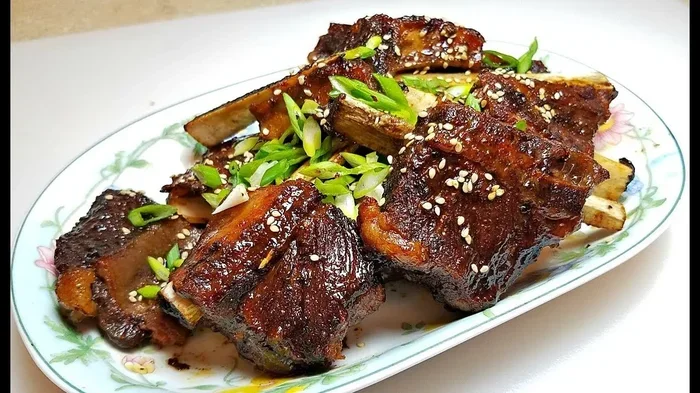
Ribs and pulled pork need special care because they are already cooked low and slow the first time around. For reheating ribs, wrap them tightly in foil with a splash of apple juice or broth. Set the oven to 250°F and reheat for about 20 to 30 minutes. The foil packet method traps steam and keeps the meat succulent.
For pulled pork reheating, place the meat in a baking dish, add a little barbecue sauce or broth, cover with foil, and heat at 275°F for 15 to 20 minutes. The sauce helps lock in moisture and adds a fresh layer of flavor.
Step-by-Step Guide to Reheating Meat in the Oven
Now that you know the right temperatures, let us walk through the full process. This step-by-step method works for almost any type of meat and ensures you get the best possible results every time.
- Preheat your oven to the right temperature. For most meats, 250°F to 300°F is the sweet spot. Let the oven fully preheat before placing the meat inside.
- Choose the right pan. Use an oven-safe dish or oven-safe skillet. Glass, ceramic, and cast iron all work well. Avoid plastic or non-stick pans not rated for oven use.
- Add moisture. Pour a small amount of broth, water, or sauce into the bottom of the pan. This creates steam and prevents the meat from drying out.
- Place the meat in the pan. Arrange it in a single layer if possible. Do not stack pieces on top of each other, as this leads to uneven heating.
- Cover with foil. Create a loose tent with aluminum foil. Do not wrap it too tightly. You want the foil to trap steam without pressing down on the meat.
- Heat for the right amount of time. This depends on the type and size of the meat. Use a meat thermometer to check the internal temperature rather than guessing.
- Remove the foil and check the temperature. Once the meat reaches the target internal temperature, remove the foil and let it rest for 5 to 10 minutes.
- Rest before serving. Resting allows the juices to redistribute throughout the meat. This is one of the most overlooked steps in reheating leftovers but it makes a huge difference.
Common Mistakes That Dry Out Your Meat
Even with the right temperature, certain mistakes can sabotage your reheating meat in the oven efforts. Here are the most common errors and how to avoid them.
Using Too High a Temperature
This is the single biggest mistake people make. Cranking the oven up to 350°F or 400°F because you are in a hurry will dry out your meat every time. The temp to reheat meat in oven should always stay in the 250°F to 325°F range for best results. Patience is your best friend here.
Skipping the Meat Thermometer
guessing whether the meat is warm enough is a recipe for disaster. Without a meat thermometer, you either underheat the meat, which is a food safety risk, or overheat it, which dries it out. A good instant-read thermometer costs just a few dollars and takes the guesswork out completely.
Forgetting to Add Moisture
Reheating meat in a dry oven without any liquid means the meat has no source of steam. The result is dry, tough meat that nobody wants to eat. Always add at least a small amount of broth, water, or sauce to the pan. This simple step alone can transform the texture of your leftovers.
Not Covering the Meat
Leaving the meat uncovered in the oven lets the dry heat attack it from all sides. The surface dries out quickly while the inside may still be cold. Always cover your meat with foil during the main reheating phase. You can uncover it at the end for a brief period if you want a little extra browning.
Reheating Meat Multiple Times
Each time you reheat meat, it loses more moisture and quality. Reheating the same batch twice or three times leads to increasingly dry and unappetizing results. Only reheat what you plan to eat in one sitting. If you have a large batch, consider freezing portions you will not eat right away.
Cutting Into the Meat Too Soon
When you slice into meat immediately after taking it out of the oven, the juices run out onto the cutting board instead of staying in the meat. Let it rest for at least 5 to 10 minutes. This resting period is just as important for reheated meat as it is for freshly cooked meat.
Pro Tips for Juicy, Flavorful Reheated Meat
Once you have the basics down, these pro tips will take your reheated leftovers to the next level. These small adjustments make a surprisingly big difference in flavor and texture.
Use a Wire Rack for Even Heating
Placing meat on a wire rack set over a baking sheet allows hot air to circulate underneath. This promotes even warming and prevents the bottom from getting soggy. It works especially well for steaks, chicken pieces, and small roasts.
Add a Splash of Stock or Wine
A tablespoon of beef stock, chicken broth, or even red wine added to the pan before reheating adds moisture and deepens the flavor. The liquid steams gently and infuses the meat with extra richness. This trick works wonders for roast beef, chicken, and pork.
Let the Meat Come to Room Temperature First
Take the meat out of the refrigerator 15 to 20 minutes before reheating. Letting it sit at room temperature means it starts closer to the target temperature, so it spends less time in the oven. Less oven time means less moisture loss. This is one of the easiest oven reheating tips that most people overlook.
Use Convection Mode Wisely
If your oven has a convection setting, use it with caution. Convection fans circulate hot air, which can dry out meat faster. If you do use convection, lower the temperature by about 25°F and keep a close eye on the meat. For most reheating leftovers, the conventional bake setting is safer and more forgiving.
Revive the Crust on Steak and Roast
After the meat is warmed through and has rested, you can give it a quick sear for added texture. Heat a cast iron skillet over high heat with a little oil, then sear the meat for 30 to 60 seconds per side. This adds a crispy, caramelized exterior that makes reheated steak taste almost as good as new.
Store Meat Properly Before Reheating
The way you store leftovers affects how well they reheat. Store meat in an airtight container in the refrigerator within two hours of cooking. Proper storage preserves moisture and prevents the meat from absorbing fridge odors. When you are ready to reheat, take it out of the container and place it in an oven-safe dish or oven-safe skillet for even heating.
When To Reheat Meat and When Not To
Knowing how to reheat meat properly is only half the battle. Understanding when reheating makes sense and when it does not is equally important.
Reheat meat when it has been stored properly in the refrigerator and has not been sitting out for more than two hours. Leftovers that have been kept at a safe temperature are perfectly fine to reheat and enjoy within three to four days of cooking.
Do not reheat meat that has been left out at room temperature overnight. Bacteria can grow rapidly in the danger zone between 40°F and 140°F. When in doubt, throw it out. No reheated leftovers are worth a foodborne illness.
Also, avoid reheating meats that were already dry to begin with. If the original cooking method produced a dry result, reheating will only make it worse. Save those pieces for dishes like soups, stews, or casseroles where added moisture can help.
Finally, consider whether reheating is the best use of the meat. Some leftovers taste even better repurposed. Shredded beef or pork makes fantastic tacos, sandwiches, or tacos the next day. Chicken works great in salads, wraps, or stir fries. Sometimes the best way to enjoy leftover meat is to transform it into something new entirely.
Conclusion
Knowing the right temp to reheat meat in oven is a simple skill that changes everything about your leftovers. Stick to the 250°F to 325°F range, always cover your meat with foil, add a little moisture to the pan, and use a meat thermometer to check the internal temperature. These straightforward steps prevent dried out meat and keep your reheated meals juicy and delicious.
Remember that low and slow is your best friend. Whether you are reheating chicken, a beef roast, steak, or ribs, patience pays off. Take the time to reheat properly, and your leftovers will taste just as good as the first time around.
With the tips and guidelines in this article, you have everything you need to reheat meat in the oven like a seasoned cook. Your next batch of leftovers will be something to look forward to, not something to dread. Happy reheating.
Frequently Asked Questions
What is the safest internal temperature for reheating meat in the oven?
The safest internal temperature for reheating most meats is 165°F for poultry and 145°F for beef, pork, and lamb. Always use a meat thermometer to verify the temperature. Let the meat rest for a few minutes after reheating, as carryover cooking will raise the temperature slightly.
Can I reheat meat in the oven without foil?
You can, but covering with foil helps trap steam and keeps the meat moist. If you prefer not to use foil, add extra liquid to the pan and reduce the reheating time slightly. For meats like steak where you want a crispy exterior, uncover during the last few minutes of reheating.
How long does it take to reheat meat in the oven?
Reheating time depends on the type and size of the meat. Small cuts like chicken breasts or steak take 10 to 15 minutes, while larger roasts can take 30 to 60 minutes or more. The key is to heat slowly and check the internal temperature rather than relying on time alone.
Is it better to reheat meat in the oven or microwave?
The oven is generally better for reheating meat because it heats evenly and preserves texture and moisture. Microwaves tend to heat unevenly and can make meat rubbery or soggy. However, the microwave works in a pinch for small portions when speed is more important than quality.
Can I reheat frozen meat directly in the oven?
It is not recommended to reheat frozen meat directly in the oven. The outside will overcook before the inside thaws, leading to uneven results and potential food safety issues. Always thaw meat in the refrigerator overnight before reheating for the best quality and safety.
What is the best way to reheat a whole roast chicken in the oven?
The best way to reheat a whole chicken is at 275°F, covered with foil, and with a splash of broth in the pan. This keeps the meat moist and prevents the skin from drying out. Heat for about 20 to 25 minutes per pound and check that the internal temperature reaches 165°F in the thickest part of the thigh.