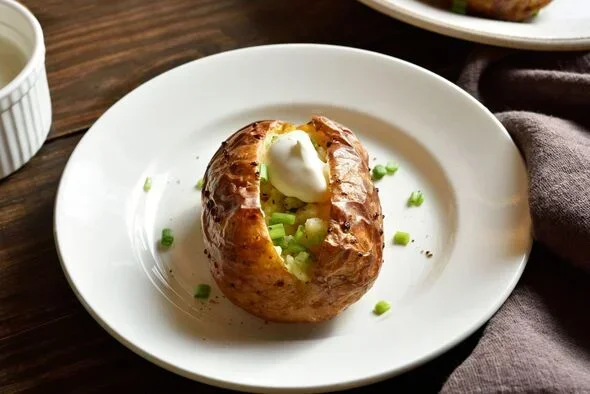
How To Bake A Potato In The Microwave And Oven Today
Baking a potato has never been easier with our complete guide to both microwave and oven methods. You will learn exactly how to bake a potato in the microwave and oven, from prep to perfect finish. Whether you need a quick weeknight side dish or a hearty meal, these methods deliver fluffy, golden results every single time.
There is something deeply satisfying about a perfectly baked potato. The crispy skin gives way to soft, fluffy flesh, and it pairs with almost any meal. Whether you are feeding a crowd or making a quick dinner for one, how to bake a potato in the microwave and oven is a skill worth mastering.
Both methods have their strengths. The microwave saves you time, while the oven delivers that classic, golden crust everyone loves. In this guide, we walk you through each approach step by step. You will learn the best potato types, cooking times, and tips for getting perfect results every time.
By the end, you will never second-guess your potato game again. Let us dive in and explore the world of baked potatoes together.
Key Takeaways
- Microwave method is fast: You can have a baked potato ready in 5 to 10 minutes.
- Oven method gives crispy skin: The classic oven approach creates a golden, crunchy exterior.
- Both methods are simple: You only need a few basic steps and common kitchen tools.
- Toppings make it fun: From butter and cheese to broccoli and bacon, the options are endless.
- Russet potatoes work best: Their high starch content gives you the fluffiest interior.
- Avoid common mistakes: Skipping the fork pricks or overcooking can ruin your potato.
📑 Table of Contents
Why Baking Potatoes Is So Easy and Rewarding
Baking a potato is one of the simplest things you can cook. It requires almost no prep work and very few ingredients. You just need a potato, a little oil or butter, and your choice of seasonings. That is it.
The beauty of a baked potato recipe is its versatility. You can eat it as a side dish, a main course, or even a snack. It works with breakfast, lunch, or dinner. And once you know the basics, you can get creative with all kinds of potato toppings.
Many people think baking potatoes takes a long time, especially in the oven. But with the right technique, you can speed things up significantly. The microwave method cuts cooking time dramatically, while the oven method gives you that unbeatable texture.
Health Benefits of Baked Potatoes
Baked potatoes are naturally healthy. They are low in fat and high in fiber, especially when you eat the skin. A plain baked potato is also a great source of vitamin C, potassium, and vitamin B6. It is a filling, nutritious food that fits well into most diets.
When you compare a baked potato to fried potatoes, the difference is clear. Baking uses little to no added oil. This means fewer calories and less grease. It is a smart choice for anyone who wants a hearty meal without the guilt.
How To Bake A Potato In The Microwave
The microwave method is perfect when you are short on time. It is fast, simple, and surprisingly effective. If you have ever wondered how to bake a potato in the microwave, you are in the right place.
Step-by-Step Microwave Potato Instructions
Follow these simple steps for a perfectly cooked microwave potato every time:
- Choose your potato. Pick a medium to large russet potato. Russets are ideal because they have a high starch content. This starch helps the inside become fluffy and light.
- Wash the potato thoroughly. Rinse it under cold running water. Use a vegetable brush to remove any dirt from the skin. You want a clean surface before cooking.
- Pat it dry. Use a clean towel to dry the potato completely. This helps the skin cook evenly and prevents excess steam.
- Prick the potato with a fork. Use a fork to poke several holes all over the potato. This step is very important. It allows steam to escape during cooking. Without these holes, the potato can burst in the microwave.
- Rub with oil and season. Lightly coat the potato with olive oil or melted butter. Sprinkle salt and pepper over the surface. This adds flavor and helps crisp up the skin.
- Place on a microwave-safe plate. Set the potato in the center of the plate. Do not stack it on anything else.
- Cook on high power. Microwave for 5 minutes on one side. Then flip it over and cook for another 5 minutes. If the potato is very large, you may need 1 to 2 more minutes.
- Check for doneness. Squeeze the potato gently with an oven mitt. It should feel soft and give slightly. If it still feels hard, cook for another 1 to 2 minutes.
- Let it rest. Allow the potato to sit for 1 to 2 minutes after cooking. This helps the heat distribute evenly inside.
Tips for the Perfect Microwave Baked Potato
Here are some quick tips to elevate your microwave potato game:
- Use a damp paper towel. Placing a damp paper towel over the potato helps create steam. This keeps the skin from drying out too much.
- Do not skip the fork pricks. This is the number one mistake people make. Steam needs a way to escape, or the potato will pop.
- Adjust for potato size. Smaller potatoes cook faster, while very large ones may need extra time. Use your judgment and check frequently.
- Let it rest before cutting. Cutting into a hot potato right away can cause the steam to escape too quickly. A brief rest helps keep the inside fluffy.
Common Mistakes When Microwaving Potatoes
Even simple tasks come with pitfalls. Here are mistakes to avoid when you bake potato in the microwave:
- Not washing the potato. Dirt and bacteria can linger on the skin. Always clean it well, even if you plan to peel it later.
- Skipping the oil. Without oil, the skin can turn tough and leathery. A light coating makes a big difference in texture.
- Overcrowding the plate. The potato needs space to cook evenly. Do not place it on top of other items.
- Undercooking. Some potatoes need more time than others. Always check by squeezing gently before serving.
How To Bake A Potato In The Oven
The oven method is the traditional way to bake a potato. It takes a bit longer, but the results are worth the wait. A oven baked potato comes out with a beautifully crispy skin and a soft, fluffy center that is hard to beat.
Step-by-Step Oven Potato Instructions
Follow these steps to make a classic oven baked potato that impresses everyone:
- Preheat your oven. Set the oven to 425°F (220°C). Let it fully heat up before placing the potato inside. A hot oven is essential for crispy skin.
- Choose the right potato. Again, russet potatoes are the best choice. Their thick skin and starchy interior are perfect for oven baking. Look for potatoes that are firm and free of sprouts.
- Wash and dry the potato. Clean it well under running water. Scrub the skin gently with a brush. Dry it completely with a towel.
- Prick the potato with a fork. Just like with the microwave method, poke several holes into the potato. This prevents it from bursting in the oven and allows heat to penetrate evenly.
- Rub with oil and season. Coat the potato lightly with olive oil or melted butter. Sprinkle coarse salt generously over the surface. The salt helps draw out moisture, which contributes to a crispier skin.
- Place on a baking sheet. Set the potato directly on the oven rack or on a lined baking sheet. Leave space between potatoes if you are baking more than one.
- Bake for 45 to 60 minutes. The exact time depends on the size of the potato. A medium russet usually takes about 50 minutes. Very large potatoes may need up to 75 minutes.
- Check for doneness. Use a fork or knife to pierce the center. It should slide in easily with no resistance. If it feels hard, keep baking for another 10 to 15 minutes.
- Rest and serve. Remove the potato from the oven and let it sit for 5 minutes. This allows the inside to settle and become fluffy.
Tips for the Perfect Oven Baked Potato
These tips will help you achieve golden potato skin and a perfect interior every time:
- Wrap in foil for softer skin. If you prefer a softer skin, wrap the potato in aluminum foil before baking. This traps moisture and creates a steamed effect.
- Skip the foil for crispy skin. If you love a crunchy, crispy exterior, leave the potato unwrapped. The direct oven heat will crisp up the skin beautifully.
- Use a wire rack. Placing the potato on a wire rack set over a baking sheet allows air to circulate all around. This promotes even browning and crispiness.
- Rotate halfway through. Turn the potato over at the 25-minute mark. This helps it cook more evenly on all sides.
- Add salt after baking. For the crispiest skin, apply salt before baking. But if you prefer a less salty crust, add salt after.
Common Mistakes When Baking Potatoes in the Oven
Avoid these errors to get the best oven baked potato results:
- Not preheating the oven. A cold oven means uneven cooking. Always let the oven reach the target temperature first.
- Using the wrong potato type. Waxy potatoes like red or Yukon gold do not bake as well. Stick with russets for the best texture.
- Baking at too low a temperature. Low heat dries out the potato before the inside cooks through. 425°F is the sweet spot.
- Cutting too soon. Cutting into the potato right out of the oven releases all the steam at once. The inside turns dense instead of fluffy.
Microwave vs Oven: Which Method Wins?
Both methods produce excellent baked potatoes, but they serve different needs. Let us compare them side by side so you can decide which works best for you.
Comparison Table: Microwave vs Oven Baked Potato
| Factor | Microwave | Oven |
|---|---|---|
| Cooking Time | 10 to 15 minutes | 45 to 60 minutes |
| Skin Texture | Soft and slightly chewy | Thin and crispy |
| Interior Texture | Fluffy and soft | Fluffy and light |
| Best For | Quick weeknight meals | Sunday dinners and gatherings |
| Skill Level | Beginner friendly | Beginner friendly |
| Number of Potatoes | Best for 1 to 2 | Great for multiple potatoes |
| Energy Use | Low energy consumption | Higher energy consumption |
When to Use the Microwave
The microwave is your best friend when time is short. On a busy weeknight, you do not want to wait an hour for dinner. The microwave potato method gives you a fully cooked, fluffy potato in a fraction of the time.
This method is also great when you are cooking for just one or two people. You do not need to preheat anything. Simply wash, prick, season, and cook. Cleanup is minimal too.
When to Use the Oven
The oven shines when you want that classic baked potato experience. The crispy skin and even cooking are hard to replicate in a microwave. If you are hosting a dinner party or making a baked potato bar, the oven method is the clear winner.
The oven also works well when you need to cook multiple potatoes at once. You can fit several potatoes on a single baking sheet. This makes it ideal for family meals or gatherings.
Can You Combine Both Methods?
Yes! Many home cooks use a hybrid approach. They start the potato in the microwave for a few minutes to speed things up. Then they transfer it to the oven for the last 10 to 15 minutes. This gives you the speed of the microwave and the crispy skin of the oven. It is a great baking potato hack worth trying.
Toppings and Serving Ideas for Your Baked Potato
A plain baked potato is delicious on its own, but toppings take it to the next level. The possibilities are nearly endless. Here are some ideas to inspire you.
Classic Toppings
- Butter and sour cream. The timeless combination. Warm butter melts into the fluffy interior, and a dollop of sour cream adds tang.
- Shredded cheese. Cheddar, mozzarella, or Monterey Jack all work beautifully. The heat of the potato melts the cheese perfectly.
- Bacon bits. Crispy bacon adds crunch and smoky flavor. A sprinkle on top of a loaded potato is irresistible.
- Chives or green onions. Fresh herbs add color and a mild onion bite. They are a classic finishing touch.
Hearty Meal Toppings
- Broccoli and cheese. Steamed broccoli florets with melted cheese make the potato a full meal.
- Chili. A bowl of bean or meat chili poured over a baked potato is comfort food at its finest.
- Pulled pork or chicken. Shredded meat with barbecue sauce turns a baked potato into a hearty dinner.
- Steamed vegetables and olive oil. For a lighter option, try roasted vegetables with a drizzle of olive oil and herbs.
Creative Topping Combos
Get adventurous with your potato toppings and try these fun combinations:
- Avocado, lime juice, and a sprinkle of cotija cheese for a Mexican-inspired twist.
- Sautéed mushrooms, garlic, and parmesan for an earthy, rich flavor.
- Hummus, roasted red peppers, and feta cheese for a Mediterranean feel.
- Steamed spinach, cream cheese, and a poached egg for a brunch-style potato.
No matter which toppings you choose, a well-baked potato is a canvas for creativity. Once you master the baked potato recipe base, you can experiment with flavors all week long.
Common Mistakes and How to Avoid Them
Even experienced cooks make mistakes when baking potatoes. Knowing what to avoid helps you get better results every time.
Mistake 1: Not Pricking the Potato
This is the most common error. Without fork holes, steam builds up inside the potato with nowhere to go. The result is a potato that bursts open in the microwave or oven. Always poke several holes before cooking. It takes just a few seconds and saves you a big mess.
Mistake 2: Choosing the Wrong Potato Type
Not all potatoes are created equal for baking. Waxy potatoes like red bliss or fingerlings hold too much moisture. They stay dense and chewy when baked. Russet potatoes have the ideal starch-to-moisture ratio. They become light and fluffy on the inside while the skin turns crispy.
Mistake 3: Skipping the Oil or Salt
Some people bake potatoes completely plain. While a plain baked potato is fine, a little oil and salt transform the skin. The oil helps crisp it up, and the salt adds essential flavor. Do not skip this step if you want the best results.
Mistake 4: Cutting Too Soon
It is tempting to slice into a hot potato the moment it comes out of the oven or microwave. But doing so releases all the steam at once. The inside turns dense and wet instead of fluffy. Let the potato rest for a few minutes before cutting.
Mistake 5: Overcooking or Undercooking
Every potato is slightly different in size and density. A fixed cooking time is just a guideline. Always check for doneness by squeezing gently or piercing with a fork. Adjust your timing based on the potato you are cooking.
Expert Insights and Pro Tips
Here are some insider tips from experienced cooks and chefs that will take your baked potato skills to the next level:
- Soak the potato before baking. Soaking in cold water for 30 minutes removes excess starch. This leads to crispier skin. Pat it dry thoroughly before seasoning.
- Use a baked potato bag. These reusable cotton bags absorb moisture and help crisp the skin in the oven. They are a cheap and effective tool.
- Choose uniform-sized potatoes. If you are baking multiple potatoes, pick ones that are similar in size. This ensures they all finish cooking at the same time.
- Store leftover baked potatoes properly. Let them cool completely, then wrap in foil or place in an airtight container. Refrigerate and reheat in the oven or microwave for best results.
- Add a little garlic butter. Mixing softened butter with minced garlic and spreading it inside the split potato adds incredible flavor.
These small changes make a big difference. They separate a good baked potato from a truly great one.
Conclusion
Learning how to bake a potato in the microwave and oven opens up a world of quick, delicious meals. The microwave method gives you speed, while the oven method delivers that classic crispy skin and fluffy center. Both approaches are simple, healthy, and endlessly customizable.
With the right potato, proper preparation, and attention to cooking times, you can bake a perfect potato every single time. Remember to prick the skin, season generously, and let the potato rest before serving. These small steps make a huge difference.
Now that you know the ins and outs of baking potatoes in both appliances, it is time to put your knowledge into action. Grab a russet potato, pick your favorite method, and enjoy the process. A great baked potato is more than just food. It is a comforting, satisfying experience that brings people together at the table.
Frequently Asked Questions
Can I bake a potato in the microwave without pricking it?
No, you should always prick the potato with a fork before microwaving. The fork holes allow steam to escape during cooking. Without them, the potato can burst open inside the microwave, creating a mess and potentially causing burns. It is a quick step that prevents big problems.
How long does it take to bake a potato in the oven at 400 degrees?
At 400°F, a medium russet potato typically takes about 50 to 60 minutes to bake. Larger potatoes may need up to 75 minutes. The potato is done when a fork slides easily into the center with no resistance. Always check for doneness before serving.
Is it better to bake a potato in foil or without foil?
It depends on your preference. Foil traps moisture and creates a softer skin. Leaving the potato unwrapped allows the skin to become crispy and golden. For the classic baked potato experience with a crunchy exterior, skip the foil and place the potato directly on the oven rack.
Can I bake a sweet potato using the same methods?
Yes, sweet potatoes can be baked using both the microwave and oven methods. However, sweet potatoes are denser and may take slightly longer in the oven. In the microwave, they usually need 5 to 8 minutes, flipping halfway through. The same prep steps apply, including washing and pricking.
What is the best potato type for baking?
Russet potatoes are the best choice for baking. Their high starch content and thick skin produce a fluffy interior and crispy exterior. Avoid waxy varieties like red or new potatoes, as they tend to stay dense and moist when baked. Look for firm, large russets at your local grocery store.
How do I reheat a leftover baked potato?
The best way to reheat a baked potato is in the oven at 350°F for 15 to 20 minutes. This restores the crispy skin and fluffy interior. You can also reheat in the microwave, but the skin may become soft. Wrapping the potato in foil before reheating in the oven helps retain moisture and warmth.