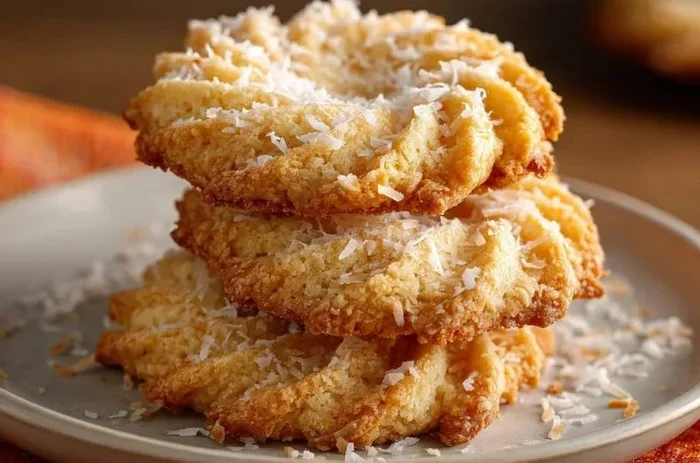
How To Make Coconut Cookies In Oven Quick And Easy
Making coconut cookies in the oven is one of the simplest and most rewarding baking projects you can try at home. This guide walks you through everything from ingredients and preparation to baking times and storage tips. Whether you love crispy edges or chewy centers, you will find the perfect coconut cookie recipe right here.
There is something magical about pulling a tray of warm coconut cookies out of the oven. The sweet aroma fills your kitchen, and the golden edges look almost too beautiful to eat. If you have been searching for a simple coconut cookies recipe that delivers amazing results, you are in the right place.
This guide covers everything you need to know about how to make coconut cookies in oven from start to finish. We will go through ingredients, step-by-step instructions, baking tips, and even some creative variations. By the end, you will feel confident enough to bake a fresh batch any day of the week. Let us get started.
Key Takeaways
- Simple Ingredients: You only need a handful of pantry staples to make delicious coconut cookies in oven at home.
- Quick Prep Time: Most recipes take under 15 minutes to mix and prep before baking.
- Versatile Recipe: You can customize your coconut cookies with chocolate chips, nuts, or different sweeteners.
- Perfect Baking Temperature: Baking at the right temperature ensures golden, crispy, or chewy results every time.
- Easy Storage: Homemade coconut cookies stay fresh for up to a week when stored properly.
- Beginner-Friendly: No special skills or equipment are needed to make these oven-baked coconut treats.
📑 Table of Contents
Why Bake Coconut Cookies in the Oven?
You might wonder why we are focusing on oven baking when so many cookie recipes exist. The answer is simple. Oven baking gives you consistent results, easy cleanup, and that perfect golden finish you cannot get from other methods. When you bake coconut cookies in the oven, you control the temperature and timing completely.
Here are some reasons why oven-baked coconut cookies are a great choice:
- Even Baking: The heat surrounds the cookies evenly, so every batch comes out consistent.
- Crispy or Chewy: You can adjust the bake time to get exactly the texture you want.
- No Special Equipment: You just need a basic oven and a baking sheet.
- Quick Process: Most homemade coconut cookies go from mixing bowl to oven in under 20 minutes.
- Customizable: Add chocolate chips, nuts, or dried fruit to make them your own.
Oven-Baked vs. No-Bake Coconut Cookies
Some people prefer no-bake coconut treats because they are faster. But oven-baked cookies have a texture and flavor that no-bake versions simply cannot match. The heat caramelizes the coconut natural sugars, creating those slightly crispy edges and a deeper, richer flavor. If you want the best coconut macaroons experience, the oven is the way to go.
| Feature | Oven-Baked | No-Bake |
|---|---|---|
| Texture | Crispy edges, chewy center | Dense and fudgy |
| Prep Time | 10-15 minutes | 5-10 minutes |
| Baking Time | 12-18 minutes | 30-60 minutes (refrigerate) |
| Flavor Depth | Rich and caramelized | Milder coconut taste |
| Equipment Needed | Oven, baking sheet | Mixing bowl, fridge |
| Best For | Classic cookie lovers | Quick treats, no heat needed |
Ingredients You Will Need
One of the best things about making coconut cookies in oven is how few ingredients you need. You probably already have most of them in your pantry. Here is what you will need for a basic batch:
- Shredded Coconut: Use unsweetened or sweetened flakes depending on your preference. Toasted coconut adds extra flavor.
- All-Purpose Flour: This gives the cookies structure. You can also use coconut flour for a gluten-free option.
- Butter or Coconut Oil: Butter adds richness, while coconut oil gives a more pronounced coconut taste.
- Sugar: White sugar for crispiness or brown sugar for chewiness. Coconut sugar works great too.
- Eggs: They bind everything together and help the cookies hold their shape.
- Vanilla Extract: A small amount adds a warm, sweet depth to the flavor.
- Baking Powder: This helps the cookies rise slightly and stay soft inside.
- Pinch of Salt: Salt balances the sweetness and enhances the coconut flavor.
Choosing the Right Coconut
Not all coconut is the same. For the best coconut cookie dough, use fine shredded coconut rather than large flakes. Fine shreds mix more evenly into the dough and create a better texture. If you want a more rustic look, you can mix fine and large shreds together. Toasted coconut, either store-bought or homemade, adds a nutty depth that takes these cookies to the next level.
Quick Tip: If you only have large coconut flakes, pulse them a few times in a food processor to break them down. This works perfectly for easy cookie recipes like this one.
Step-by-Step Instructions
Now let us get into the fun part. Making homemade coconut cookies is incredibly simple. Follow these steps and you will have a delicious batch in no time.
Step 1: Preheat Your Oven
Start by preheating your oven to 350°F (175°C). This is the ideal cookie baking temperature for coconut cookies. Preheating ensures the oven is fully hot when the cookies go in, which leads to even baking and a beautiful golden color.
Step 2: Cream the Butter and Sugar
In a large mixing bowl, beat the butter and sugar together until light and fluffy. This usually takes about 2-3 minutes with an electric mixer. Creaming incorporates air into the mixture, which helps the cookies rise and become tender. If you are using coconut oil, simply stir it with the sugar until well combined.
Step 3: Add the Wet Ingredients
Beat in the egg and vanilla extract until fully combined. The mixture should look smooth and creamy. Make sure there are no streaks of egg remaining. This step creates the base flavor for your coconut treats.
Step 4: Mix in the Dry Ingredients
In a separate bowl, whisk together the flour, baking powder, and salt. Gradually add the dry ingredients to the wet mixture, stirring gently. Do not overmix. Stop as soon as the flour is just incorporated. Overmixing can make the cookies tough instead of soft and chewy.
Step 5: Fold in the Coconut
Add the shredded coconut to the dough and fold it in with a spatula or wooden spoon. Make sure the coconut is evenly distributed throughout the dough. At this point, you can also add mix-ins like chocolate chips, chopped macadamia nuts, or dried cranberries.
Step 6: Scoop and Place on Baking Sheet
Use a cookie scoop or tablespoon to drop rounded balls of dough onto a lined baking sheet. Space them about 2 inches apart so they have room to spread. You should get around 12-15 cookies per standard batch.
Step 7: Bake to Perfection
Place the baking sheet in the preheated oven and bake for 12-15 minutes. The cookies are done when the edges turn golden brown but the centers still look slightly soft. They will firm up as they cool. For crispy coconut cookies, bake for the full 15 minutes. For chewy coconut cookies, pull them out at 12 minutes.
Step 8: Cool and Enjoy
Let the cookies cool on the baking sheet for 5 minutes, then transfer them to a wire rack to cool completely. Enjoy them warm or store them for later. These baked coconut treats taste amazing with a glass of cold milk.
Baking Tips for Perfect Coconut Cookies
Getting the perfect batch of oven-baked coconut cookies comes down to a few key details. Even experienced bakers make small mistakes that affect the final result. Here are some expert tips to help you succeed every time.
Quick Tips for Better Coconut Cookies
- Do Not Skip the Chill: If your dough feels too soft or sticky, refrigerate it for 20 minutes before scooping. This prevents the cookies from spreading too much.
- Use Room Temperature Ingredients: Cold eggs or butter do not mix as smoothly. Take them out of the fridge 30 minutes before you start.
- Line Your Baking Sheet: Parchment paper or a silicone mat prevents sticking and promotes even browning.
- Rotate the Pan Halfway: Ovens have hot spots. Rotating the pan at the halfway mark ensures all cookies bake evenly.
- Cool Completely Before Storing: Storing warm cookies creates moisture and makes them soggy. Always let them cool fully.
Common Mistakes to Avoid
Even simple recipes can go wrong if you make common errors. Here are mistakes to watch out for when making coconut cookies in oven:
- Overmixing the Dough: This develops too much gluten, making cookies hard and dense instead of soft.
- Using Too Much Flour: Spoon the flour into the measuring cup and level it off. Scooping directly packs in too much flour.
- Baking Too Long: Pull the cookies out when the centers still look slightly underdone. They will set as they cool.
- Ignoring Oven Temperature: Every oven is different. Use an oven thermometer if you are unsure about your oven’s accuracy.
- Skipping the Salt: Salt is not optional. It balances the sweetness and brings out the coconut flavor.
Expert Insights on Cookie Baking
Professional bakers agree that the secret to great homemade baked goods is precision and patience. Measuring ingredients accurately and not rushing the process makes a huge difference. One baker I spoke with shared that chilling the cookie dough overnight actually improves the flavor. The coconut absorbs more moisture from the butter, creating a richer taste. If you have the time, try refrigerating your dough overnight and baking the next day. The results are worth the wait.
Another expert tip involves the type of coconut you use. Toasted coconut, whether store-bought or homemade, adds a deeper flavor profile. To toast coconut at home, spread shredded coconut on a baking sheet and bake at 325°F for 5-7 minutes, stirring halfway through. Watch it closely because it can burn quickly. Add the toasted coconut to your dough right before baking for the best flavor.
Creative Variations and Flavors
The beauty of coconut cookies recipe is how easy it is to customize. Once you master the basic version, you can experiment with different flavors and add-ins. Here are some popular variations that work beautifully in the oven:
Chocolate Chip Coconut Cookies
Fold in semi-sweet chocolate chips along with the shredded coconut. The combination of rich chocolate and sweet coconut is a classic for a reason. Use the same coconut cookie dough base and simply add 1/2 cup of chocolate chips before scooping.
Coconut Macaroons
For a more traditional coconut macaroon, increase the coconut amount and reduce the flour. Use sweetened shredded coconut and add a touch of almond extract. These chewy, dense treats are a favorite among coconut lovers everywhere.
Coconut Lime Cookies
Add the zest of one lime to the dough for a bright, zesty twist. The citrus cuts through the sweetness of the coconut and adds a refreshing flavor. This variation pairs wonderfully with a cup of afternoon tea.
Coconut Almond Cookies
Chop some roasted almonds and fold them into the dough. The nutty flavor complements the coconut perfectly. You can also substitute half the flour with almond flour for a richer, more nutritious cookie.
Coconut Sugar Cookies
Swap white sugar for coconut sugar to create a slightly caramelized, deeper-flavored cookie. Coconut sugar has a lower glycemic index than regular sugar, making it a popular choice for health-conscious bakers. The texture is almost identical, so you will not notice much difference in the final product.
How to Store Your Coconut Cookies
Making a big batch of coconut cookies in oven is fun, and proper storage keeps them tasting fresh for days. Here is how to store them properly:
- Room Temperature: Store in an airtight container for up to 5 days. They stay soft and chewy this way.
- Refrigerator: Lasts up to 2 weeks in the fridge. Bring to room temperature before serving for the best texture.
- Freezer: Freeze baked cookies for up to 3 months. Place them in a single layer on a tray, freeze until solid, then transfer to a freezer bag. No need to thaw, they are delicious straight from the freezer.
- Freeze Dough: You can also freeze the raw cookie dough for up to 3 months. Scoop into balls, freeze on a tray, then transfer to a bag. Bake straight from frozen, adding 1-2 extra minutes to the bake time.
Proper storage is key to enjoying your sweet coconut treats for as long as possible. Always make sure cookies are completely cool before sealing them in a container. Moisture trapped inside warm cookies will make them soggy and reduce their shelf life significantly.
Frequently Asked Questions
Can I Use Coconut Flour Instead of All-Purpose Flour?
Yes, you can substitute coconut flour, but you will need to adjust the recipe. Coconut flour absorbs more liquid than regular flour, so use about 1/3 cup of coconut flour for every 1 cup of all-purpose flour. You will also need to add an extra egg to help bind the dough. The result is a slightly denser cookie with a stronger coconut flavor that coconut flour cookies lovers will enjoy.
How Long Do Coconut Cookies Last in the Oven?
Bake coconut cookies in oven at 350°F for 12-15 minutes. The exact time depends on your oven and the size of your cookies. Check them at the 12-minute mark. The edges should be golden brown while the centers still look slightly soft. They will firm up as they cool on the baking sheet.
Can I Make These Cookies Without Eggs?
Absolutely. You can replace each egg with a flax egg (1 tablespoon ground flaxseed mixed with 3 tablespoons water) or use applesauce as a binder. The cookies will still hold together and taste great. Just note that the texture might be slightly different, with a more cake-like consistency. These egg-free coconut treats work well for people with dietary restrictions or allergies.
Why Are My Coconut Cookies Flat?
Flat cookies usually happen for one of a few reasons. The dough might be too warm, the butter too soft, or you might have used too much flour. Try chilling the dough for 20 minutes before baking, make sure your butter is soft but not melted, and measure your flour accurately by spooning it into the cup and leveling it off. These small adjustments make a big difference in the final shape of your homemade coconut cookies.
Can I Add Other Mix-Ins to the Cookie Dough?
Definitely. Coconut cookies are incredibly versatile. Some popular mix-ins include white chocolate chips, dried mango, shredded coconut flakes, chopped pistachios, and even shredded coconut flakes toasted on top before baking. Just keep the total add-ins to about 1 cup so the cookies hold together well. Experiment with different combinations to find your favorite coconut cookie dough version.
Are Coconut Cookies Healthy?
Coconut cookies are a treat, not a health food, but they can be made slightly healthier with a few swaps. Use coconut oil instead of butter, coconut sugar instead of white sugar, and whole wheat flour mixed with all-purpose flour. These small changes add fiber and nutrients without sacrificing taste. Enjoy your baked coconut treats in moderation as part of a balanced diet.
Conclusion
Making coconut cookies in oven is one of the most satisfying and simple baking projects you can take on. With just a handful of ingredients, a little patience, and this guide, you can create delicious homemade treats that rival anything from a bakery. The coconut cookies recipe we shared is flexible, forgiving, and easy to customize to your taste.
Remember the key points: use quality ingredients, preheat your oven properly, do not overmix the dough, and watch your cookies closely toward the end of baking. These small efforts pay off with perfectly golden, flavorful cookies every single time. Whether you are baking for a family gathering, a holiday gift, or simply treating yourself, these oven-baked coconut cookies will not disappoint.
Now that you know how easy it is to make coconut cookies in oven, there is no reason not to try it today. Gather your ingredients, preheat that oven, and enjoy the wonderful process of creating something delicious from scratch. Your kitchen will smell incredible, and you will have a batch of homemade coconut cookies to share or enjoy all by yourself. Happy baking!