How Long To Cook Marinated Salmon In Oven Perfectly
This guide reveals exactly how long to cook marinated salmon in oven for juicy, flavorful results every time. You’ll discover the perfect baking times for different cuts, the best temperatures for crispy skin, and simple marinade ideas that elevate your oven-baked salmon. Follow these steps to serve restaurant-quality salmon at home with minimal effort.
There’s something magical about a perfectly baked salmon fillet. The outside turns golden and slightly crispy, while the inside stays buttery and tender. If you’ve ever wondered how long to cook marinated salmon in oven, you’re in the right place.
This guide gives you clear, reliable times and temperatures. You won’t have to guess anymore. I’ll walk you through every step, from choosing your marinade to pulling the fish out at just the right moment.
Whether you prefer a simple lemon herb marinade or a sweet honey garlic glaze, the oven method works beautifully. You’ll learn the exact minutes for different thicknesses, the best pan setup, and how to avoid the common mistake of overcooking. By the end, you’ll feel confident serving oven-baked salmon that impresses everyone at the table.
Key Takeaways
- Exact cooking times: 12-20 minutes depending on thickness and temperature
- Best oven temp: 400°F for balanced crispiness and moisture
- Marinade matters: Acidic marinades need shorter cook times to avoid mushiness
- Rest the fish: Let salmon rest 5 minutes after baking for juicy texture
- Internal temp: 145°F at the thickest part ensures perfect doneness
- Skin-on vs skinless: Skin-on fillets need slightly longer and benefit from a hot start
- Avoid overcooking: Use a thermometer and watch for flaking to prevent dry salmon
📑 Table of Contents
- Why Marinating Salmon Makes a Difference
- How Long To Cook Marinated Salmon In Oven: The Exact Times
- Step-by-Step Oven Method for Juicy Results
- Oven Temperature Showdown: Which Heat Wins?
- How to Tell When Marinated Salmon Is Done
- Flavor Variations and Glazes to Try
- Storing and Reheating Leftover Salmon
- Conclusion
Why Marinating Salmon Makes a Difference
A good salmon marinade does more than add flavor. It tenderizes the fish and creates a beautiful crust when it hits the heat. The acid in citrus or vinegar gently breaks down proteins, while oils keep the flesh moist during baking. This is why many cooks swear by marinating before they bake marinated salmon.
What a Marinade Does to the Fish
When you soak salmon in a mixture of oil, acid, and seasonings, several things happen. The surface absorbs flavors deeply. The acid starts to “cook” the outer layer very slightly, which helps form that appealing caramelized edge. However, too much acid for too long can make the fish mushy. That’s why timing your marinade matters just as much as timing your bake.
- Oil-based marinades (olive oil, sesame oil) protect moisture.
- Acidic marinades (lemon juice, lime, vinegar) add brightness but need shorter bake times.
- Enzymatic marinades (pineapple, kiwi) break down proteins fast and should only be used for 15-30 minutes.
Best Marinade Flavors for Oven Baking
Not all marinades behave the same in the oven. Thick, sugar-rich glazes caramelize beautifully at high heat. Light, citrus-based marinades stay delicate and fresh. Here are some winning combinations for your next oven-baked salmon:
- Lemon Dill: Olive oil, fresh lemon juice, dill, garlic, and a pinch of salt. Classic and foolproof.
- Honey Garlic: Honey, soy sauce, minced garlic, and a touch of ginger. Sweet and savory.
- Asian Sesame: Sesame oil, rice vinegar, soy sauce, and a dash of chili flakes. Bold and aromatic.
- Maple Mustard: Whole grain mustard, maple syrup, and a little olive oil. Perfect for fall.
How Long To Cook Marinated Salmon In Oven: The Exact Times
The short answer is 12 to 20 minutes at 400°F. But that range hides important details. The exact cooking time for marinated salmon in oven depends on fillet thickness, whether the skin is on or off, and your desired level of doneness. I’ll break it down so you never have to guess again.
Cooking Time for Different Cuts and Thicknesses
A thin fillet (less than 1 inch) cooks fast. A thick center-cut steak needs more time. Here’s a simple guide for bake marinated salmon based on thickness:
- Thin fillets (½ inch): 10-12 minutes at 400°F. Watch closely to avoid drying out.
- Standard fillets (1 inch): 12-15 minutes at 400°F. This is the sweet spot for most home cooks.
- Thick steaks (1.5 inches): 15-18 minutes at 400°F. The center stays juicy and just opaque.
- Skin-on fillets: Add 2-3 minutes because the skin acts as a barrier that slows heat transfer.
Temperature Guide: 375°F vs 400°F vs 425°F
Higher temperatures give you crispier skin and faster cooking. Lower temperatures cook more gently but take longer. The table below compares the three most common oven settings for how long to cook marinated salmon in oven.
| Oven Temp | Thickness | Approx. Time | Result |
|---|---|---|---|
| 375°F | 1 inch | 16-18 minutes | Gentle, very moist, less crispy |
| 400°F | 1 inch | 12-15 minutes | Balanced moisture and light crisp |
| 425°F | 1 inch | 10-12 minutes | Very crispy edges, slightly more risk of drying |
Quick Tips for Perfect Timing
Getting the timing right is easier when you follow a few simple habits. These quick tips will save you from dry, overcooked fish:
- Preheat your oven fully. A cold oven adds 3-5 minutes to the bake time and cooks the fish unevenly.
- Pat the fillet dry before marinating. This helps the marinade stick and promotes browning.
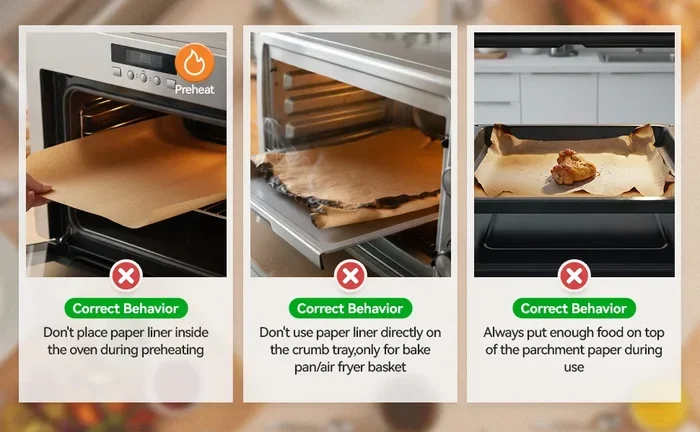
- Use a rimmed baking sheet lined with parchment. It prevents sticking and makes cleanup easy.
- Place the salmon skin-side down if skin-on. The skin protects the flesh and renders into a crispy layer.
- Set a timer for the minimum time. Check at 10 minutes for thin fillets and 12 minutes for standard ones.
Common Mistakes That Ruin the Timing
Even experienced cooks sometimes mess up the bake time. Here are the errors I see most often with oven-baked salmon:
- Starting with a cold fish. Always take the salmon out of the fridge 15 minutes before baking. A cold center throws off the timing.
- Using a dark baking pan. Dark pans absorb more heat and can burn the bottom. Stick to light-colored or parchment-lined sheets.
- Overcrowding the pan. Leave space between fillets so hot air circulates. Crowded fish steams instead of baking.
- Guessing doneness. The only reliable way is to use an instant-read thermometer. Visual cues can fool you.
- Skipping the rest. Salmon continues cooking after you pull it out. Skipping the rest leads to overcooked edges.
Step-by-Step Oven Method for Juicy Results
Now that you know the times, let’s walk through the actual process. This method works for any salmon marinade and guarantees consistent results. I’ve used this approach hundreds of times, and it never fails.
Prep and Preheat the Right Way
First, prepare your salmon while the oven heats. A hot oven is non-negotiable for good bake marinated salmon. Here’s the prep sequence:
- Line a baking sheet with parchment paper or a silicone mat.
- Pat the salmon fillets completely dry with paper towels.
- Place the fillets in a shallow dish or zip-top bag.
- Pour your chosen salmon marinade over the fish, turning to coat.
- Let it marinate for 15-30 minutes in the fridge (no more than 1 hour for acidic marinades).
- Preheat the oven to 400°F (or your chosen temperature).
Baking and Resting the Salmon
Once the oven is ready, remove the salmon from the marinade. Shake off excess liquid so the surface browns nicely. Place the fillets skin-side down on the prepared sheet. Bake for the time that matches your thickness. When the timer goes off, check the thickest part with a thermometer. If it reads 140-145°F, it’s done. If not, add 2-3 minutes and check again.
Transfer the salmon to a plate and let it rest for 5 minutes. This step is crucial. The juices redistribute, and the internal temperature rises a few more degrees. After resting, the flesh will be flaky, moist, and perfectly tender. Serve immediately with a squeeze of fresh lemon or a drizzle of the remaining marinade.
Oven Temperature Showdown: Which Heat Wins?
Choosing the right oven temperature changes everything about your finished dish. Low heat gives you gentle cooking, while high heat delivers a dramatic sear. The table below shows the trade-offs so you can pick the best setting for your how long to cook marinated salmon in oven plan.
| Temperature | Best For | Pros | Cons |
|---|---|---|---|
| 375°F | Thin fillets, delicate marinades | Very moist, forgiving timing | Less crispy skin, longer bake |
| 400°F | Most fillets, balanced results | Great texture, reliable timing | Needs attention to prevent drying |
| 425°F | Thick cuts, crispy skin lovers | Fast, caramelized edges | Higher risk of overcooking edges |
Expert Insights on Heat Levels
Chef and food writer J. Kenji López-Alt recommends starting salmon at a higher temperature (425-450°F) for the first 5 minutes, then dropping to 400°F to finish. This technique gives you crispy skin without drying out the center. It’s a great trick if you want to impress guests with minimal effort. For everyday cooking, a steady 400°F works perfectly and is easier to manage.
Another pro tip is to use an oven thermometer. Many home ovens run 10-25 degrees off from the dial setting. An inexpensive thermometer takes the guesswork out of the equation and ensures your bake marinated salmon gets the right heat from the start.
How to Tell When Marinated Salmon Is Done
Timing is just one piece of the puzzle. You also need to know the visual and textural signs that your oven-baked salmon is ready. Relying on the clock alone can lead to dry fish. Use these cues alongside your timer for foolproof results.
Visual Cues and Flake Test
A properly cooked salmon fillet looks opaque from edge to center. The flesh should separate easily into large, moist flakes when you press it with a fork. If it still looks translucent in the middle, it needs more time. If it’s turning chalky white all the way through, it’s already overdone.
- Perfectly done: Light pink center, flakes gently, juicy surface.
- Slightly under: Translucent center, very soft, needs 2 more minutes.
- Overcooked: Dry, chalky white throughout, flakes fall apart quickly.
Internal Temperature: The Foolproof Method
The most reliable way to check doneness is an instant-read thermometer inserted into the thickest part of the fillet. The USDA recommends an internal temperature of 145°F. However, many chefs prefer to pull salmon at 140°F and let it rest. The carryover heat will bring it up to 145°F while keeping the center incredibly moist. This is the secret behind restaurant-quality oven-baked salmon every time.
Flavor Variations and Glazes to Try
Once you’ve mastered the basic timing, you can experiment with different salmon marinades. A glaze applied in the last few minutes of baking adds a beautiful sheen and extra flavor. Here are some of my favorite variations that pair perfectly with the oven method.
Honey Garlic and Maple Glazes
These sweet glazes caramelize quickly and create a sticky, delicious crust. Mix 2 tablespoons of honey or maple syrup with 1 tablespoon of soy sauce, 2 minced garlic cloves, and a pinch of red pepper flakes. Brush the glaze over the salmon during the last 5 minutes of baking. Watch it closely because sugar burns fast. The result is a glossy, sweet-savory finish that pairs beautifully with bake marinated salmon.
Citrus Herb and Asian-Inspired Marinades
For lighter flavors, a citrus herb marinade is hard to beat. Combine orange juice, lemon zest, fresh thyme, and olive oil. Marinate for 20 minutes. The acid brightens the salmon without overpowering it. For an Asian twist, use a mix of rice vinegar, mirin, grated ginger, and a splash of sesame oil. These marinades work best at 400°F because they need enough heat to set the surface without breaking down the delicate flavors.
Storing and Reheating Leftover Salmon
Cooked oven-baked salmon keeps well in the fridge for up to 3 days. Store it in an airtight container. When reheating, the goal is to warm it gently without drying it out. The best method is to place the salmon in a baking dish, add a splash of broth or water, cover tightly with foil, and warm at 275°F for 10-15 minutes. This keeps the fish moist and preserves the texture. Avoid microwaving if possible, as it tends to make the edges rubbery.
Conclusion
Cooking marinated salmon in the oven is simpler than most people think. Once you know how long to cook marinated salmon in oven for your specific cut, you can set it and forget it. The combination of a good marinade, the right temperature, and a reliable timer takes the guesswork out of the equation. Whether you’re feeding a family of four or prepping meals for the week, this method delivers consistent, delicious results.
Remember to pat the fish dry, use a hot oven, and check the internal temperature. Let the salmon rest after baking, and you’ll enjoy a dish that’s juicy, flavorful, and far better than anything from a takeout menu. Start with the basic 400°F, 12-15 minute template and adjust from there. Soon enough, perfect oven-baked salmon will be second nature to you. Happy cooking!
Frequently Asked Questions
Can I cook marinated salmon straight from the fridge?
Yes, but it will add a few minutes to the cooking time. For the most even results, take the salmon out 15 minutes before baking so it comes closer to room temperature. This small step helps the heat penetrate evenly and prevents a cold center.
What is the best oven temperature for marinated salmon?
400°F is the sweet spot for most fillets. It cooks the fish through without drying it out and gives you a lightly crispy exterior. If you prefer very crispy skin, bump it up to 425°F, but watch it carefully to avoid overcooking.
How do I prevent my baked salmon from drying out?
Keep the skin on if possible, don’t over-marinate with acidic ingredients, and pull the fish at 140°F. Letting it rest for 5 minutes after baking allows the juices to redistribute. Using parchment paper and a light-colored baking sheet also helps maintain moisture.
Can I use the same marinade for basting during baking?
Yes, but only if you haven’t had raw salmon touch it. If you used the marinade as a bath, set aside a portion before adding the fish to use as a baste. Brush it on during the last few minutes of baking for a flavorful glaze.
How long should I marinate salmon before baking?
15 to 30 minutes is ideal for most marinades. Acidic marinades with lemon or vinegar should not exceed 30 minutes, or they can start to break down the proteins and create a mushy texture. Oil-based marinades can go up to 1 hour safely.
Is it better to bake salmon with skin on or off?
Skin-on fillets are easier to handle and stay moister because the skin acts as a protective layer. It also crisps up beautifully when baked skin-side down. If you prefer skinless, just reduce the baking time by 2-3 minutes and be extra careful not to overcook.