How Long Does It Take To Make Chicken Breast In The Oven
Learning how long does it take to make chicken breast in the oven depends on size, thickness, and temperature. Most boneless chicken breasts bake in 20 to 30 minutes at 400°F, while bone-in pieces take 35 to 45 minutes. This guide covers everything you need to know for perfectly cooked oven-baked chicken breast every single time.
Key Takeaways
- Standard Bake Time: Boneless chicken breast takes 20–30 minutes at 400°F, while bone-in breast needs 35–45 minutes.
- Internal Temperature Matters: Always cook chicken breast to 165°F for safe eating.
- Thickness Changes Everything: Thicker cuts need more time, so pound them evenly for consistent cooking.
- Resting Is Essential: Let chicken rest for 5–10 minutes after baking to keep juices inside.
- Seasoning Makes a Difference: Simple seasoning boosts flavor without adding cook time.
- Oven Thermometer Helps: Ovens can be off by 25°F, so use a thermometer for accuracy.
- Avoid Overcooking: Overcooked chicken dries out fast, so use a meat thermometer and watch closely.
[FEATURED_IMAGE_PLACEHOLDER]
📑 Table of Contents
- Why Oven-Baked Chicken Breast Is a Great Choice
- How Long Does It Take to Make Chicken Breast in the Oven
- The Best Oven Temperature for Chicken Breast
- Bone-In vs Boneless Chicken Breast: Cooking Time Comparison
- Tips for Juicy and Flavorful Chicken Breast
- Common Mistakes to Avoid When Baking Chicken Breast
- How to Know When Chicken Breast Is Done
- Quick Recipe Ideas for Oven Chicken Breast
- Conclusion
Why Oven-Baked Chicken Breast Is a Great Choice
Chicken breast is one of the most popular proteins in the world. It is lean, versatile, and works with almost any flavor profile. When you bake chicken breast in the oven, you get a hands-off cooking method that frees you up to prepare sides or set the table.
Unlike stovetop cooking, oven baking gives you even heat distribution. There is less risk of burning or uneven cooking. Plus, you can cook multiple breasts at once, which makes it perfect for meal prep. Whether you are feeding a family of four or prepping lunches for the week, the oven-baked chicken breast method saves time and effort.
Another big reason people love this approach is consistency. Once you learn the right chicken breast bake time and temperature, you can repeat the results every time. No more guessing or hoping for the best. You get tender, juicy chicken with a golden finish. Let us walk through everything you need to know.
How Long Does It Take to Make Chicken Breast in the Oven
Standard Bake Times at Common Temperatures
The answer to how long does it take to make chicken breast in the oven depends on a few key factors. The most important ones are thickness, whether the chicken is bone-in or boneless, and the oven temperature. Here is a quick breakdown of typical bake times.
- Boneless, skinless chicken breast at 350°F: 25 to 30 minutes
- Boneless, skinless chicken breast at 400°F: 20 to 25 minutes
- Bone-in chicken breast at 350°F: 35 to 45 minutes
- Bone-in chicken breast at 400°F: 30 to 40 minutes
- Thin chicken breast (under 1/2 inch) at 400°F: 12 to 15 minutes
- Large thick chicken breast (over 1 inch) at 400°F: 28 to 35 minutes
These times are general guidelines. Your actual chicken cooking time may vary based on your specific oven, the starting temperature of the chicken, and how many pieces you are cooking at once. Always use a meat thermometer to check for doneness. The safe internal temperature for chicken is 165°F.
Factors That Affect Chicken Breast Bake Time
Several factors can change how long your oven-baked chicken breast takes. Understanding these helps you plan better meals and avoid undercooked or overcooked results.
- Thickness: A thicker breast takes longer to cook through. A thin cut may be done in half the time.
- Starting Temperature: Chicken straight from the fridge takes longer than chicken that has been sitting at room temperature for 20 minutes.
- Bone-In vs. Boneless: Bone acts as an insulator, so bone-in pieces need extra time.
- Oven Accuracy: Many home ovens run hot or cold by 10 to 25 degrees, which affects bake time.
- Crowding the Pan: Overlapping or crowded chicken pieces block heat flow and slow cooking.
- Whether You Cover or Uncover: Covering traps moisture and can slightly increase cook time.
Keep these variables in mind each time you cook. Over time, you will develop a feel for how your oven handles baking chicken breast. That intuition makes the process faster and more reliable.
The Best Oven Temperature for Chicken Breast
Why 400°F Is the Sweet Spot
Most chefs and home cooks agree that 400°F is the best oven temperature for chicken breast. At this heat, the outside gets a nice golden sear while the inside stays moist. The higher temperature also reduces overall cook time compared to lower settings like 350°F.
When you bake at 400°F, the chicken develops a slightly crispy exterior without drying out. The Maillard reaction, which is the browning process that creates flavor, kicks in faster at this temperature. The result is a more appealing and flavorful piece of chicken.
When to Use 350°F Instead
There are times when 350°F makes more sense. If you are cooking a very large or stuffed chicken breast, a lower temperature gives the inside more time to cook without burning the outside. It is also a good choice when you want a gentler cook that retains maximum moisture.
Some people prefer 350°F for meal prep chicken breast because the longer, slower cook can result in a more tender texture. However, you need to add about 5 to 10 extra minutes to the total chicken breast bake time at this temperature.
Can You Go Higher Than 400°F?
Yes, you can bake chicken breast at 425°F or even 450°F. Higher temperatures shorten cook time and create a crispier skin. But there is a trade-off. Thin breasts can dry out quickly at these temperatures. You need to watch them closely and pull them out as soon as they hit 165°F internally.
If you choose a higher temperature, reduce your expected chicken breast cook time by about 3 to 5 minutes. Always check early and often. It is much easier to add a few more minutes than to rescue a dried-out breast.
Bone-In vs Boneless Chicken Breast: Cooking Time Comparison
Boneless Chicken Breast
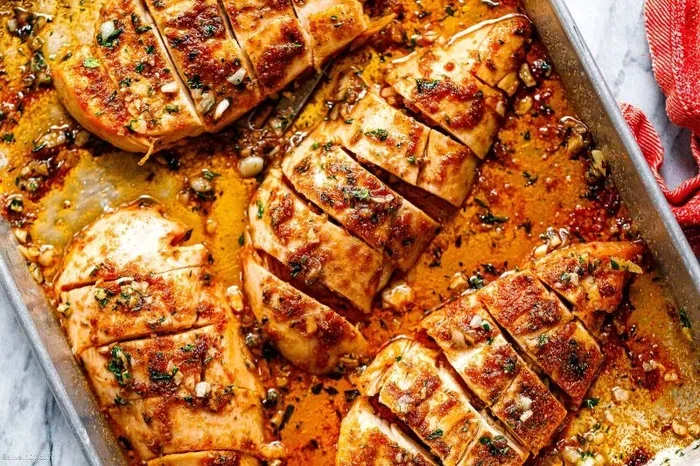
Boneless chicken breast is the most common cut people cook in the oven. It is quick, easy, and cooks evenly. Because there is no bone blocking heat, the chicken reaches 165°F faster. Most boneless breasts take between 20 and 30 minutes at 400°F.
One thing to watch for with boneless chicken is uneven thickness. Many store-bought breasts have a thin end and a thick end. The thin part will overcook while the thick part is still underdone. Pounding the chicken to an even thickness solves this problem and leads to more consistent results.
Bone-In Chicken Breast
Bone-in chicken breast takes longer to cook because the bone slows heat transfer. You should add 10 to 15 minutes to the standard bake time. At 400°F, plan for 30 to 40 minutes for bone-in pieces.
The benefit of bone-in chicken is flavor. The bone adds a richer taste and the meat near the bone tends to stay juicier. Some people also find bone-in chicken more visually appealing on the plate. If you are serving a dinner party or family meal, bone-in oven-baked chicken breast looks impressive and tastes great.
| Type | Temperature | Cook Time | Internal Temp |
|---|---|---|---|
| Boneless, thin | 400°F | 12–15 min | 165°F |
| Boneless, standard | 400°F | 20–25 min | 165°F |
| Boneless, thick | 400°F | 25–30 min | 165°F |
| Bone-in, standard | 400°F | 30–40 min | 165°F |
| Bone-in, large | 375°F | 35–45 min | 165°F |
| Boneless at 350°F | 350°F | 25–30 min | 165°F |
Tips for Juicy and Flavorful Chicken Breast
Brine or Pound for Better Results
One of the best chicken breast tips is to brine your chicken before baking. A simple brine of water, salt, and sugar helps the chicken retain moisture during cooking. Even a 30-minute soak makes a noticeable difference in juiciness.
If you do not have time to brine, try pounding the chicken to an even thickness. This ensures every part of the breast cooks at the same rate. Use a meat mallet or a rolling pin wrapped in plastic wrap. Pound from the center outward until the thickness is uniform, about 3/4 to 1 inch.
Season Simply but Effectively
You do not need a complicated chicken breast recipe to get great flavor. Olive oil, salt, pepper, garlic powder, and paprika go a long way. Brush the chicken lightly with olive oil before seasoning. This helps the spices stick and creates a better texture on the outside.
For something more flavorful, try adding a sprinkle of onion powder, cumin, or smoked paprika. Fresh herbs like rosemary or thyme also work well. The key is to season both sides generously. Under-seasoned chicken breast is one of the most common complaints people have about oven-baked chicken.
Rest Your Chicken After Baking
This step is often overlooked but it is critical. When you pull chicken breast out of the oven, let it rest for 5 to 10 minutes before cutting. During resting, the juices redistribute throughout the meat. If you cut too soon, those juices run out onto the cutting board instead of staying in the chicken.
Tent the chicken loosely with aluminum foil during resting. This keeps the heat in without trapping steam, which could make the skin soggy. That short wait makes a big difference in the final bite.
Common Mistakes to Avoid When Baking Chicken Breast
Overcooking the Chicken
The number one mistake people make is overcooking. Chicken breast has very little fat, so it dries out quickly once it passes the right temperature. If you leave it in the oven just 5 minutes too long, the texture changes from tender to tough and chalky.
Set a timer and check the internal temperature early. Pull the chicken out when it reaches 160°F and let carryover cooking bring it up to 165°F during resting. This small trick keeps your oven-baked chicken breast moist and delicious every time.
Skipping the Meat Thermometer
guessing whether chicken is done by its color or texture is unreliable. The only accurate way to check is with a meat thermometer inserted into the thickest part of the breast. Get into the habit of using one every time you bake chicken.
A good instant-read thermometer takes the guesswork out of cooking. You will know exactly when the chicken is safe to eat. Over time, this practice protects you from foodborne illness and improves your cooking results.
Not Letting Chicken Come to Room Temperature
Putting cold chicken straight into a hot oven creates uneven cooking. The outside may be done while the center is still cold. Take the chicken out of the fridge 15 to 20 minutes before baking. This small step promotes more even chicken breast cook time and better texture.
How to Know When Chicken Breast Is Done
The chicken breast temperature you are aiming for is 165°F. This is the standard set by food safety authorities. At this temperature, harmful bacteria are destroyed and the chicken is safe to eat.
Use a meat thermometer inserted into the center of the thickest part. Avoid touching bone with the probe, as bone conducts heat differently and can give a false reading. If the thermometer reads 165°F, your chicken is done.
Visual cues can also help. Properly cooked chicken breast is white throughout with no pink remaining. The juices should run clear, not pink or red. The meat should feel firm but still have some give when pressed. If it feels rubbery or very hard, it has been overcooked.
Another sign of well-cooked oven-baked chicken breast is slight shrinkage. The chicken will reduce in size by about 10 to 15 percent when it is fully cooked. This is normal and expected. If you notice significant shrinking, check the internal temperature to confirm doneness.
Quick Recipe Ideas for Oven Chicken Breast
Classic Herb Chicken Breast
Brush chicken breast with olive oil and rub with garlic powder, dried oregano, thyme, salt, and pepper. Bake at 400°F for 20 to 25 minutes until the internal temperature reaches 165°F. Let rest for 5 minutes before serving.
Honey Mustard Chicken Breast
Mix equal parts honey and Dijon mustard with a splash of olive oil. Coat the chicken evenly and bake at 400°F for 22 to 25 minutes. The glaze caramelizes in the oven and creates a sweet and tangy flavor profile.
Spicy Chicken Breast
Rub chicken with chili powder, smoked paprika, cumin, garlic powder, salt, and a touch of cayenne pepper. Drizzle with olive oil and bake at 400°F for 20 to 25 minutes. Serve with a dollop of sour cream or Greek yogurt to cool the heat.
Conclusion
How long does it take to make chicken breast in the oven is a question with a straightforward answer once you know the variables. Most boneless chicken breasts need 20 to 30 minutes at 400°F, while bone-in pieces take a bit longer. The key to perfect oven-baked chicken breast is controlling temperature, checking internal doneness, and letting the chicken rest after cooking.
By following the tips and guidelines in this article, you can confidently bake chicken breast every time. No more dry, overcooked results. No more guessing. You now have the knowledge to make juicy, flavorful chicken breast in your oven with minimal effort. Put this information to use in your next meal and enjoy the difference.
Frequently Asked Questions
How long does chicken breast take to cook in the oven at 350°F?
Boneless chicken breast typically takes 25 to 30 minutes at 350°F. Bone-in pieces need 35 to 45 minutes at this temperature. Always check that the internal temperature reaches 165°F before serving.
Can you bake chicken breast at 400°F?
Yes, 400°F is the recommended temperature for most chicken breast recipes. It cooks faster than 350°F and produces a nice golden exterior while keeping the inside moist. Boneless breasts usually need 20 to 25 minutes at this temperature.
How do I keep chicken breast from drying out in the oven?
Brine the chicken before baking, pound it to even thickness, and use a meat thermometer to avoid overcooking. Also, let the chicken rest for 5 to 10 minutes after removing it from the oven to retain its juices.
Should I cover chicken breast with foil when baking?
Covering with foil traps moisture and can help keep chicken breast juicy, especially for thicker cuts. However, leaving it uncovered promotes a crispier exterior. Try both methods and see which result you prefer.
What is the best way to check if chicken breast is done?
The most reliable method is using a meat thermometer. Insert it into the thickest part of the breast and check for 165°F. Visual signs like white color and clear juices also indicate doneness, but a thermometer is the most accurate tool.
How long can I marinate chicken breast before baking?
You can marinate chicken breast for as little as 30 minutes or up to 24 hours in the refrigerator. Longer marinating times add more flavor, but acidic marinades like lemon juice or vinegar should not exceed 2 hours to avoid changing the texture of the meat.