Can Stainless Steel Go In The Oven Without Problems
Yes, stainless steel can go in the oven without problems when you follow a few simple rules. Most stainless steel cookware handles temperatures up to 500°F or higher. The key is knowing your specific piece’s limits and avoiding sudden temperature changes that can cause warping or damage.
You have a beautiful stainless steel pan sitting on your stovetop. You made a great sauce in it, and now you want to finish it off in the oven. But a quick question pops into your head: can stainless steel go in the oven? It is a simple question, but the answer has a few important details you need to know.
Can stainless steel go in the oven without problems? The short answer is yes. Most stainless steel cookware and bakeware are designed to handle oven heat safely. But there are some rules you need to follow to keep your cookware in great shape and your food cooking perfectly. In this guide, we will walk you through everything you need to know about using stainless steel in the oven.
Whether you are a home cook or someone who loves to bake, understanding oven-safe stainless steel is essential. You will learn about temperature limits, what to watch out for, and easy tips to get the best results every time. Let us dive in and make sure your stainless steel kitchen gear works as hard as you do.
Key Takeaways
- Stainless steel is oven safe: Most stainless steel pots, pans, and bakeware can handle oven temperatures up to 500°F or more.
- Check for oven-safe symbols: Look for markings on the bottom of your cookware or check the manufacturer’s guidelines before placing it in the oven.
- Avoid sudden temperature shocks: Moving cold stainless steel into a hot oven or vice versa can cause warping or cracking.
- Handles and lids matter: Not all stainless steel handles and lids are oven safe, so inspect each component before baking.
- Use the right grade: Food-grade 18/10 or 304 stainless steel performs best in oven cooking and baking.
- Preheat gradually: Let your stainless steel oven-safe items warm up slowly for the best cooking results.
📑 Table of Contents
- What Makes Stainless Steel Oven Safe
- Temperature Limits for Stainless Steel in the Oven
- How to Safely Use Stainless Steel in the Oven
- Benefits of Using Stainless Steel in the Oven
- Common Mistakes to Avoid
- Stainless Steel vs. Other Oven-Safe Materials
- Expert Tips for Oven-Baked Stainless Steel Cooking
- Conclusion
What Makes Stainless Steel Oven Safe
Not all stainless steel is the same. Some grades and finishes handle heat better than others. Understanding what makes stainless steel safe for oven use starts with a few basic facts about the material itself.
The Science Behind Stainless Steel
Stainless steel is an alloy made mostly of iron, chromium, and nickel. The chromium content creates a protective layer that resists rust and corrosion. This is why stainless steel is so popular in kitchens. It is durable, easy to clean, and lasts for years.
When it comes to heat, stainless steel is a strong performer. Most food-grade stainless steel can handle temperatures well above what a home oven reaches. The common grades you find in cookware are 304 and 316 stainless steel. Both are oven safe up to about 870°C (1600°F). That is far hotter than any oven you will ever use at home.
Oven-Safe vs. Not Oven-Safe
Here is the tricky part. While the steel itself handles high heat, not every piece of stainless steel cookware is oven safe. The issue usually comes down to the parts attached to the pan. Think about handles, lids, and non-stick coatings. Some handles are made of plastic or wood, and those will melt or burn in the oven. Some lids have rubber seals that cannot handle high heat.
This is why you should always check for an oven-safe symbol on the bottom of your pan or pot. If you do not see one, check the user manual or the manufacturer’s website. Taking a few extra seconds to check can save you from a kitchen disaster.
Temperature Limits for Stainless Steel in the Oven
Knowing the temperature limits of your stainless steel cookware is important. You do not want to guess when it comes to heat.
Common Temperature Ranges
Most stainless steel pots and pans are oven safe up to 500°F (260°C). Some high-quality brands can go even higher, up to 600°F or more. But here is the thing. Most home cooking does not require temperatures that extreme.
For everyday baking and roasting, you will rarely go above 450°F. So if your stainless steel pan handles up to 500°F, you are in great shape. You can use it for roasting vegetables, baking casseroles, finishing steaks, and making one-pan meals with confidence.
What Happens If You Exceed the Limit
Going slightly over the recommended temperature usually does not cause instant damage. But repeated exposure to too much heat can weaken your cookware over time. The steel may warp, discolor, or lose its structural integrity. Warped pans sit unevenly on the stove and cook food inconsistently.
Some stainless steel pans also have non-stick coatings. These coatings have much lower temperature limits, usually around 400°F to 450°F. Always check if your pan has a coating and follow the specific guidelines for that coating. Using a non-stick stainless steel pan above its coating limit can release harmful fumes and ruin the pan.
How to Safely Use Stainless Steel in the Oven
Using stainless steel in the oven is easy when you follow a few simple steps. These tips will help you get great results and keep your cookware lasting for years.
Step-by-Step Guide
Follow these steps every time you put stainless steel in the oven:
- Check the label or manual: Look for oven-safe markings on the bottom of the pan or check the product guide.
- Remove plastic or wooden handles: If your pan has removable handles, take them off before placing it in the oven.
- Inspect the lid: Make sure the lid is also oven safe. Remove any rubber or silicone seals first.
- Preheat the oven first: Always preheat your oven before putting the pan inside. This ensures even cooking from the start.
- Use oven mitts: Stainless steel gets hot in the oven. Always use thick oven mitts when removing your pan.
- Place on a middle rack: This allows for proper air circulation and even heat distribution around your pan.
Preheating Tips
Preheating is important when using stainless steel in the oven. Unlike cast iron, stainless steel does not retain heat as long. So starting with a preheated oven helps your food cook evenly from the beginning.
Here is a quick tip. If you are searing meat on the stovetop and then finishing it in the oven, you can transfer the pan directly from the burner to the preheated oven. This one-pan approach saves you time and cleanup. Just make sure the handle is oven safe before you do this.
Benefits of Using Stainless Steel in the Oven
Stainless steel is one of the best materials for oven cooking. Let us look at why so many home cooks love it.
Durability and Longevity
Stainless steel is incredibly tough. It does not chip, crack, or peel like some other materials. When you use stainless steel in the oven regularly, it holds up beautifully. A good stainless steel pan can last a lifetime if you take care of it properly.
This durability makes stainless steel a smart investment. You buy it once and use it for years. It works on the stovetop, in the oven, under the broiler, and even on the grill. Few materials can match that kind of versatility.
Even Cooking and Browning
Stainless steel pans heat up evenly and provide excellent browning. When you roast vegetables or bake a casserole in stainless steel, you get a nice golden color on the food. The even heat distribution means no hot spots and no burnt edges.
Many cooks also love that stainless steel is naturally non-reactive. It does not leach metals into your food, even when cooking acidic ingredients like tomatoes or lemon juice. This makes it a healthy choice for oven-baked dishes that include sauces or citrus.
Easy to Clean
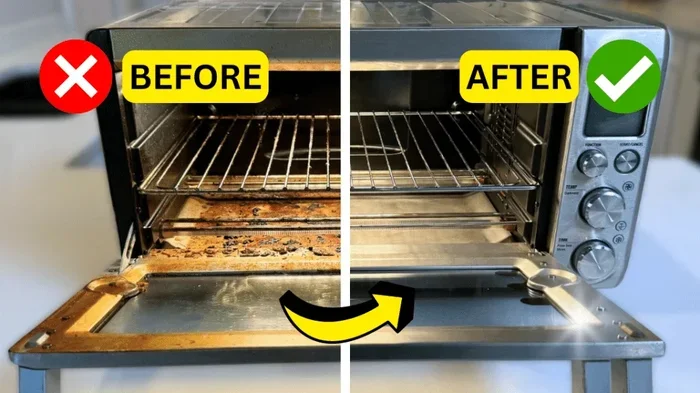
Oven-cooked food can leave baked-on residue. But stainless steel cleans up easily. A quick soak in warm water and a gentle scrub with a non-abrasive sponge usually does the trick. For tough stains, a paste of baking soda and water works wonders on stainless steel surfaces.
Common Mistakes to Avoid
Even though stainless steel is oven friendly, people still make mistakes that can damage their cookware. Here are the most common ones to watch out for.
Skipping the Oven-Safe Check
The biggest mistake is assuming every stainless steel pan is oven safe. Remember that handles, lids, and coatings can limit oven use. Always check before you put your pan in the oven. A few seconds of checking can save you from a ruined pan or a fire hazard.
Thermal Shock
Thermal shock happens when you expose stainless steel to sudden temperature changes. For example, taking a cold pan straight from the fridge and putting it in a hot oven. Or placing a hot pan on a cold wet surface right after removing it from the oven.
Thermal shock can cause warping, cracking, or even the pan breaking apart. To avoid this, always let your stainless steel come to room temperature before exposing it to extreme heat changes. This one habit will extend the life of your cookware significantly.
Using Abrasive Cleaners
After oven use, you might be tempted to scrub your stainless steel pan with a harsh scouring pad. Do not do that. Abrasive cleaners can scratch the surface of your stainless steel and damage its finish over time. Stick to soft sponges and gentle cleaners.
Overcrowding the Pan
When baking or roasting, it is tempting to fill the pan completely. But overcrowding leads to uneven cooking and steaming instead of browning. Give your food some space in the pan. This lets hot air circulate properly and gives you better results from your oven-baked dishes.
Stainless Steel vs. Other Oven-Safe Materials
Stainless steel is not the only oven-safe option. Let us compare it with other popular materials so you can make informed choices in the kitchen.
Comparison Table
| Material | Oven Safe Temp | Durability | Even Heating | Ease of Cleaning |
|---|---|---|---|---|
| Stainless Steel | Up to 500°F+ | Excellent | Good | Easy |
| Cast Iron | Up to 500°F+ | Excellent | Excellent | Moderate |
| Aluminum | Up to 450°F | Moderate | Very Good | Easy |
| Ceramic | Up to 450°F | Moderate | Good | Easy |
| Glass | Up to 425°F | Moderate | Good | Easy |
Why Choose Stainless Steel
Compared to other materials, stainless steel offers a great balance of durability, safety, and performance. Cast iron heats evenly but is heavy and requires seasoning. Aluminum heats quickly but dents easily and can react with acidic foods. Ceramic looks beautiful but can chip or crack. Glass works well for baking but is not ideal for stovetop use.
Stainless steel gives you the best of many worlds. It is light enough to handle easily, strong enough to last forever, and safe for all heat sources including the oven. This is why stainless steel cookware is a staple in professional kitchens and home kitchens alike.
Expert Tips for Oven-Baked Stainless Steel Cooking
Want to get the most out of your stainless steel in the oven? Here are some expert tips that make a real difference.
- Add a little oil before baking: A thin layer of oil helps with browning and prevents sticking, especially when roasting vegetables or baking bread.
- Use a lower rack position: The bottom of the oven gets the hottest. Placing your stainless steel pan on a lower-middle rack gives you more even cooking.
- Let it cool before washing: Do not plunge a hot stainless steel pan into cold water. Let it cool down first to prevent thermal shock and warping.
- Season your pan occasionally: A light coat of oil after washing and drying helps maintain the natural non-stick properties of stainless steel over time.
- Use parchment paper or silicone mats: These make cleanup easier and protect your pan from excessive scrubbing after oven use.
Quick Tips for Everyday Use
Keep these quick tips in mind whenever you use stainless steel in the oven:
- Always check that every part of the pan is oven safe, including the handle and lid.
- Never put cold stainless steel directly into a hot oven.
- Use medium to high oven temperatures for best results with most recipes.
- Store your stainless steel cookware in a dry place to prevent moisture buildup.
- When in doubt, check the manufacturer’s instructions before oven use.
Conclusion
The answer to the question can stainless steel go in the oven is a clear and confident yes. Stainless steel is one of the most oven-safe materials you can use in your kitchen. It handles high temperatures well, cooks food evenly, and lasts for many years with proper care.
Just remember to check for oven-safe markings, avoid sudden temperature changes, and follow the simple tips we shared in this guide. With these practices, your stainless steel cookware will serve you well for every baking project, roast, and one-pan meal you create.
So go ahead and put that stainless steel pan in the oven with confidence. You have the knowledge to do it safely and get great results every time. Happy cooking and happy baking with your trusty stainless steel gear!
Frequently Asked Questions
Is all stainless steel safe to put in the oven?
Not all stainless steel cookware is oven safe. The steel itself handles high heat, but handles, lids, and coatings may not be. Always check for oven-safe symbols or consult the manufacturer before placing any stainless steel item in the oven.
What temperature can stainless steel withstand in the oven?
Most stainless steel cookware is oven safe up to 500°F (260°C). Some high-quality grades can handle even higher temperatures. Always check the specific guidelines for your cookware to be sure.
Can I put a stainless steel pan with a non-stick coating in the oven?
It depends on the coating. Most non-stick coatings have lower temperature limits, usually around 400°F to 450°F. Check the manufacturer’s instructions for your specific pan to avoid damaging the coating or releasing harmful fumes.
Why did my stainless steel pan warp in the oven?
Warping usually happens due to thermal shock. This occurs when you expose cold stainless steel to sudden high heat, or when you place a hot pan on a cold wet surface. Always let your pan adjust to room temperature before oven use and avoid rapid temperature changes.
Can I use stainless steel bakeware in a convection oven?
Yes, stainless steel bakeware works perfectly in convection ovens. The even heat distribution of convection cooking pairs well with stainless steel. Just follow the same temperature guidelines and avoid overcrowding your bakeware for the best results.
How do I clean stainless steel after oven use?
Let the pan cool down before washing it. Soak it in warm water with a drop of dish soap, then gently scrub with a soft sponge. For tough baked-on residue, make a paste of baking soda and water, apply it to the stain, and let it sit for 15 minutes before scrubbing.