Can You Use A Convection Oven As A Regular Oven Effectively
Can You Use A Convection Oven As A Regular Oven is an essential topic that provides valuable insights.
Key Takeaways
- Understanding Can You Use A Convection Oven As A Regular Oven: Provides essential knowledge
📑 Table of Contents
- What Is A Convection Oven And How Does It Work?
- Can You Use A Convection Oven As A Regular Oven?
- How To Adjust Recipes For Convection Cooking
- Best Foods To Cook In Convection Mode
- Common Mistakes To Avoid
- Pros And Cons Of Using Convection As A Regular Oven
- Expert Tips For Switching Between Modes
- How To Convert Your Recipes Step By Step
- Energy Savings With Convection Cooking
- When To Stick With A Regular Oven
- Key Takeaways
What Is A Convection Oven And How Does It Work?
A convection oven looks a lot like a standard oven on the outside. But inside, there is one big difference. A fan sits at the back of the oven cavity. This fan blows hot air directly onto your food. The result is faster, more even heat distribution across every dish.
The Fan That Changes Everything
The fan in a fan-forced oven does more than just blow air around. It creates a consistent flow of warm air. This means no cold spots. No hot zones. Every part of your food gets the same amount of heat. This is why many bakers and chefs prefer convection cooking for certain tasks.
In a regular oven, heat rises from the bottom element. The top stays cooler. The bottom gets the most direct heat. This creates a natural temperature gradient. Food on the bottom rack cooks faster. Food on the top rack cooks slower. This uneven pattern can cause problems with baking consistency.
Convection Vs Conventional: The Core Difference
The difference between a convection oven and a conventional oven comes down to air movement. Static heat in a regular oven heats the air, and that hot air sits still. Convection actively pushes that hot air around. Think of it like a gentle breeze versus still air on a warm day. Both are warm, but one feels more intense.
This moving air also helps with moisture control. The fan pulls steam away from the food surface. This creates a drier cooking environment. That is great for achieving crispy skin on roast chicken. It also helps cookies brown evenly on all sides.
Can You Use A Convection Oven As A Regular Oven?
The short answer is absolutely yes. A convection oven can do everything a regular oven can do. You just need to know when and how to switch between modes. Most modern ovens have a convection setting and a conventional setting. You can toggle between them based on what you are cooking.
The Short Answer Is Yes
Using a convection oven as a regular oven is simple. Just turn off the convection fan. Many ovens have a button or dial for this. When the fan is off, the oven behaves like a traditional static-heat oven. Your recipes will work the same way they always have.
This flexibility is one of the biggest advantages of owning a convection oven. You get the best of both worlds. You can use the fan for roasting and baking cookies. You can turn it off for delicate cakes and custards. The choice is always yours.
What Changes When You Switch Modes?
When you switch from convection mode to regular mode, a few things change. The fan stops blowing air. The heat source works the same way. But the overall cooking behavior shifts. Food will take a little longer to cook without the fan. The surface may not brown as quickly. Heat will be less uniform across the oven cavity.
These changes are small but important. If you are following a recipe designed for a conventional oven, switching to convection mode without adjusting will cause problems. Your food may cook too fast or brown too much. Learning to adjust is the key to success.
How To Adjust Recipes For Convection Cooking
Switching between modes requires a few simple recipe adjustments. These changes are easy to remember once you practice them a few times. The goal is to compensate for the extra efficiency of the fan.
Temperature Adjustments
The golden rule for convection oven conversion is to lower the temperature by 20 to 25 degrees Fahrenheit. So if a recipe calls for 350°F in a regular oven, set your convection oven to 325°F or 330°F. This small drop prevents over-browning and burning.
Why does this work? The moving hot air transfers heat to the food faster. The surface of the food reaches the target temperature sooner. By lowering the set temperature, you give the inside of the food time to catch up. The result is perfectly cooked food from edge to center.
Cooking Time Changes
Along with lowering the temperature, you should also reduce the cooking time. A good rule of thumb is to cut the time by about 25 percent. So a recipe that says 60 minutes might only need 45 minutes in convection mode.
However, this is not an exact science. Start checking your food a few minutes early. Use a meat thermometer for roasts. Look for visual cues like golden-brown color and bubbling. Over time, you will develop a feel for how your specific oven behaves.
When To Skip The Adjustment
Not every recipe needs adjusting. Some foods do just fine in convection mode without changes. Thin cookies, for example, cook great at the same temperature. Pizzas also do well without adjustment. The thin crust does not need much time for the center to cook through.
Also, if you are using a convection oven that has a auto-convert feature, you do not need to adjust manually. Many newer models handle the conversion for you. Check your oven manual to see if this feature is available.
Best Foods To Cook In Convection Mode
A convection oven excels at certain types of cooking. The moving air helps create specific textures and results that a regular oven struggles with. Here are the best foods to cook using the fan.
Roasting Meats
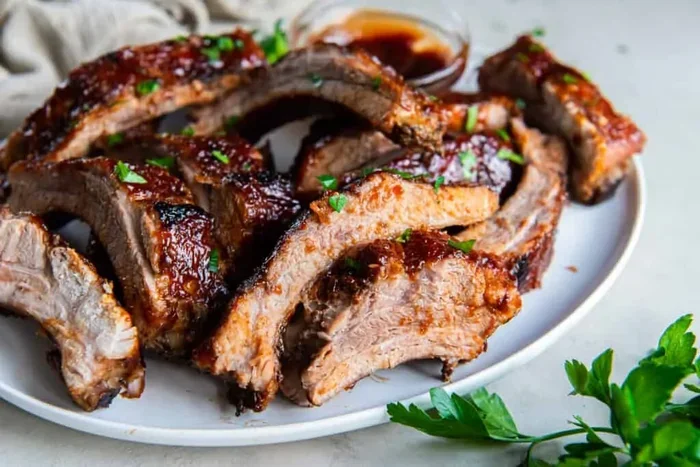
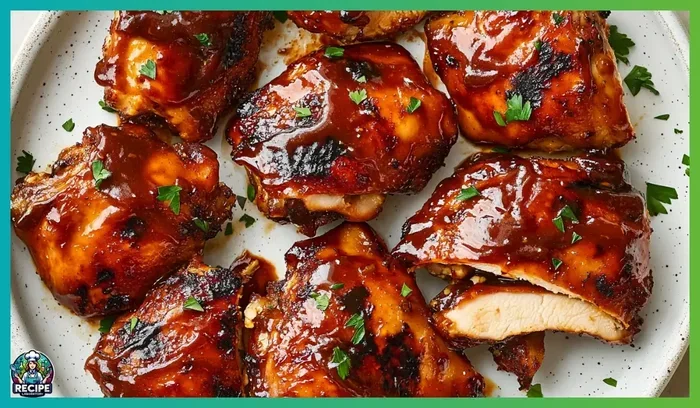
Roast chicken, turkey, pork loin, and beef roasts all benefit from convection cooking. The fan circulates hot air around the entire piece of meat. This creates an even, golden-brown crust on all sides. The meat stays juicy inside while the outside gets perfectly crispy.
One major advantage is speed. A whole chicken that takes 90 minutes in a regular oven may be done in 65 to 70 minutes with convection. The air circulation removes the cooler air layer around the meat. This allows heat to penetrate faster and more evenly.
Baking Cookies And Pastries
Cookie bakers love convection ovens for a reason. The fan ensures every cookie on every tray gets the same amount of heat. No more rotating pans halfway through baking. Your cookies come out evenly golden with consistent texture.
Pastries like croissants and puff pastry also benefit. The dry environment created by the fan helps layers puff up and crisp. The result is flaky, buttery pastry with beautiful color. Just remember to lower the temperature by 25 degrees.
Casseroles And Roasted Vegetables
Vegetables roast beautifully in a convection oven. The hot air pulls moisture away from the surface. This leads to caramelization and crispy edges. Broccoli, cauliflower, carrots, and potatoes all come out perfectly roasted.
Casseroles also cook well in convection mode. The even heat prevents the top from burning while the bottom stays undercooked. Just cover the dish with foil if the top starts to brown too quickly.
Common Mistakes To Avoid
Even experienced cooks make mistakes when using a convection oven as a regular oven. Here are the most common errors and how to avoid them.
Overcrowding The Pan
The fan needs room to circulate air. If you overcrowd the baking sheet or roasting pan, the air cannot flow properly. This defeats the whole purpose of convection cooking. Food in the center will steam instead of roast.
Leave at least one inch of space between items on the pan. Use multiple smaller pans instead of one large crowded one. This simple tip makes a huge difference in your results.
Forgetting To Lower The Temperature
This is the number one mistake people make. They use the same temperature in a convection oven as they would in a regular oven. The food ends up overcooked on the outside and undercooked on the inside. Always remember to reduce the temperature by 20 to 25 degrees.
Using The Wrong Bakeware
Dark, heavy pans absorb more heat. In a convection oven, this can cause over-browning on the bottom. Use light-colored, thin aluminum pans for best results. Glass and ceramic pans retain more heat and may need even more time reduction.
Pros And Cons Of Using Convection As A Regular Oven
Like any cooking method, using a convection oven has its advantages and disadvantages. Understanding both helps you decide when to use each mode.
Advantages
- Faster cooking times save energy and get dinner on the table quicker.
- Even heat distribution means no more rotating pans or hot spots.
- Better browning on meats, vegetables, and baked goods.
- Energy efficiency since you cook at lower temperatures for shorter times.
- Versatility gives you the option to use both fan and static heat.
Drawbacks
- Delicate baked goods like soufflés and custards can be affected by the fan.
- Adjustment learning curve requires changing recipes and timing.
- Drier cooking environment may not suit all dishes.
- Noise from the fan can be noticeable during operation.
Expert Tips For Switching Between Modes
Getting the most out of your convection oven takes a little practice. Here are some tips from experienced cooks and baking professionals.
Always preheat your oven. Whether you are using convection or regular mode, preheating is essential. The fan helps the oven reach temperature faster. But it still needs time to stabilize. Give it at least 10 to 15 minutes before putting food inside.
Use the convection setting for roasting and baking. Save the regular setting for delicate items. Cakes, custards, and flans do better without the fan. The still air allows them to rise evenly without drying out on the surface.
Invest in an oven thermometer. Even the best convection ovens can have hot spots or inaccurate readings. A simple oven thermometer helps you understand exactly what temperature your oven is running at. This takes the guesswork out of recipe adjustments.
Keep a cooking log. Write down what worked and what did not. Note the temperature, time, and results. Over time, this log becomes your personal guide for every recipe you make. It saves you from repeating mistakes and helps you refine your technique.
Clean the fan and exhaust regularly. Grease and food buildup can affect fan performance. A clean convection system works more efficiently and lasts longer. Wipe down the interior after each use and deep clean monthly.
How To Convert Your Recipes Step By Step
Converting recipes from a regular oven to a convection oven is straightforward. Follow these steps for consistent results every time.
- Identify the original temperature. Find the temperature listed in the recipe.
- Subtract 20 to 25 degrees. Lower the temperature for convection mode.
- Reduce the cooking time by 25 percent. Check the food a few minutes early.
- Use the convection setting. Make sure the fan is turned on.
- Check for doneness early. Use visual cues and a thermometer.
Once you make this conversion a few times, it becomes second nature. You will not even need to think about it anymore. The adjustments will feel automatic.
Energy Savings With Convection Cooking
One often overlooked benefit of using a convection oven is energy savings. Because food cooks faster and at lower temperatures, you use less electricity or gas. Over time, these savings add up significantly.
A convection oven can reduce cooking time by up to 25 percent. This means less energy used per meal. If you cook frequently, this can translate to noticeably lower utility bills. It is also a more environmentally friendly way to cook.
When To Stick With A Regular Oven
There are times when a regular oven is the better choice. Understanding these moments helps you make smarter cooking decisions.
Delicate cakes and breads need steady, gentle heat. The fan in a convection oven can cause uneven rising. The moving air may create a crust on the outside before the inside has fully set. For these items, stick with the conventional setting.
Custards and flans also do better in a regular oven. The even, gentle heat of static heat prevents curdling and cracking. The still air allows the custard to set smoothly from edge to center.
Bread baking is another area where a regular oven shines. The steam trapped in a static environment helps create a crispy crust and an open crumb structure. Many artisan bread bakers prefer a conventional oven for this reason.
Key Takeaways
- Yes, you can use a convection oven as a regular oven by simply turning off the fan and using the conventional setting.
- Lower the temperature by 20 to 25 degrees when using convection mode for recipes designed for a regular oven.
- Reduce cooking time by about 25 percent to prevent overcooking and burning.
- Convection mode excels at roasting meats, baking cookies, and roasting vegetables due to even air circulation.
- Avoid using convection for delicate baked goods like soufflés, custards, and certain cakes that need gentle, still heat.
- Always preheat and keep your oven clean for the best performance from your convection system.
- Energy savings are a real benefit of convection cooking, with faster times and lower temperatures reducing utility costs.
Frequently Asked Questions
Can I use my convection oven for everyday cooking like a regular oven?
Absolutely. A convection oven works perfectly as a regular oven when you turn off the fan. You can cook casseroles, reheat leftovers, and bake using the conventional setting. It gives you the flexibility to choose the best mode for each dish.
Do I need special pans for a convection oven?
No special pans are required. However, light-colored, thin aluminum pans work best. Dark pans can cause over-browning because they absorb more heat. Avoid oversized or heavy pans that block air circulation from the fan.
Why does my food cook faster in convection mode?
The fan moves hot air directly onto the food surface. This constant flow of warm air transfers heat faster than still air. The moving air also removes the cool moisture layer around food, allowing it to cook more quickly and evenly.
Is convection baking better than regular baking?
It depends on what you are baking. Convection is excellent for cookies, pastries, and roasted items. It gives even browning and crispy edges. But for delicate cakes and custards, regular baking with still heat produces better results. Both modes have their place in the kitchen.
How do I know when to use convection versus regular mode?
Use convection for roasting, baking cookies, and cooking multiple dishes at once. Use regular mode for cakes, custards, soufflés, and bread. A good rule of thumb is: if the recipe is sturdy and benefits from even heat, use convection. If it is delicate, use regular mode.
Can I convert any recipe for convection cooking?
Most recipes can be converted by lowering the temperature by 25 degrees and reducing the time by 25 percent. However, some recipes are specifically designed for static heat. Always use your best judgment and check food early when trying a new conversion.
=== CONCLUSION ===
So, can you use a convection oven as a regular oven effectively? Yes, without a doubt. A convection oven is one of the most versatile kitchen appliances you can own. The ability to switch between fan-forced and static heat gives you complete control over your cooking results.
Remember the key adjustments: lower the temperature, reduce the time, and choose the right mode for each dish. With a little practice, these changes become second nature. You will cook faster, more evenly, and with better results every time.
Whether you are roasting a Sunday chicken, baking a batch of cookies, or warming up last night’s dinner, your convection oven has you covered. Embrace both modes, experiment with recipes, and enjoy the process. Happy cooking!