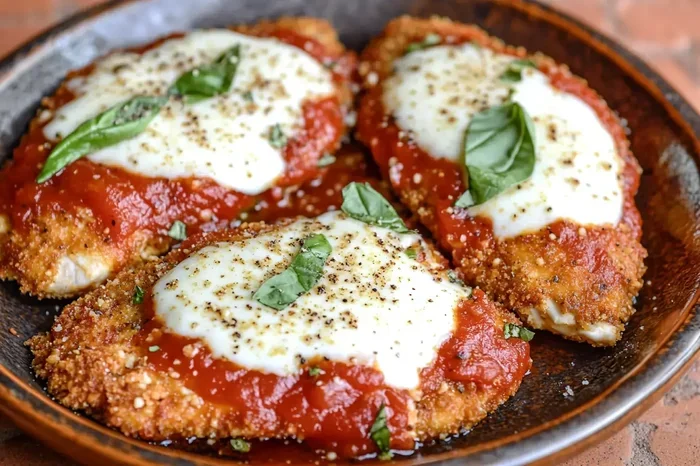
How To Reheat Chicken Parm In A Toaster Oven Like A Pro
Learn the best way to reheat chicken parm in a toaster oven for crispy, juicy leftovers that taste just as good as fresh. This guide covers simple steps, pro tips, and common mistakes to avoid so you can enjoy your chicken parmesan without drying it out. Whether you’re reheating a single piece or a full pan, you’ll master toaster oven chicken parm in minutes.
Leftover chicken parm is one of the best meals you can have the next day. But reheating it the wrong way can ruin the crispy breading and leave the meat dry and tough. If you’ve ever wondered how to reheat chicken parm in a toaster oven like a pro, you’re in the right place.
This guide will show you the exact steps to get perfectly crispy breading and juicy chicken every single time. We’ll cover the best temperature, timing, and simple tricks that make a huge difference. You’ll also learn why the toaster oven beats other methods for reheating leftover chicken parm.
By the end of this article, you’ll never settle for soggy leftovers again. I’ll share quick tips, common mistakes, and expert insights that turn your reheat chicken parmesan into a meal that feels brand new. Let’s dive in and make your leftover chicken parm taste amazing.
Key Takeaways
- Use a toaster oven: It’s the best way to reheat chicken parm while keeping the breading crispy and the inside juicy.
- Set the temperature right: 375°F is the sweet spot for even heating without overcooking.
- Add a splash of water: A little moisture prevents the chicken from drying out during reheating.
- Cover with foil: This traps steam and helps the cheese melt perfectly without burning the crust.
- Avoid the microwave: It makes the breading soggy and the chicken rubbery.
- Rest before serving: Let the reheated chicken rest for 2-3 minutes to lock in juices.
📑 Table of Contents
- Why Reheat Chicken Parm In A Toaster Oven Is The Best Method
- Step-By-Step Guide To Reheat Chicken Parm In A Toaster Oven
- How To Keep The Breadcrumb Coating Crispy
- Common Mistakes To Avoid When Reheating Chicken Parm
- Quick Tips For Perfect Reheated Chicken Parm
- Expert Insights On Reheating Leftover Chicken Parm
- Toaster Oven vs. Other Reheating Methods
- Conclusion
Why Reheat Chicken Parm In A Toaster Oven Is The Best Method
Reheating chicken parm in a toaster oven is the top choice for a reason. It restores the crispy breadcrumb coating while keeping the inside moist. A microwave might be fast, but it turns the crust into a sad, soggy mess. The toaster oven uses dry heat that surrounds the food evenly. This method mimics the original baking process and brings back that golden crunch.
Toaster oven chicken parm reheats gently without overcooking the chicken breast. The steady heat melts the cheese perfectly and warms the sauce without turning it into a rubbery block. Plus, you can reheat one piece or a whole pan with the same great results. It’s the best way to reheat chicken when you want texture and flavor.
The Problem With Microwaves
Microwaves heat food by exciting water molecules. This creates steam inside the chicken, which makes the breading soft and the meat tough. The cheese slides off, and the sauce becomes watery. If you care about crispy breading, you should avoid the microwave entirely. The toaster oven solves this by using convection heat that crisps the outside while warming the inside slowly.
Quick Tips: Why Toaster Oven Wins
- Even heat distribution: The toaster oven circulates hot air around the chicken, so no cold spots remain.
- Crispy texture: Dry heat re-crisps the breadcrumb coating better than any other appliance.
- Melts cheese beautifully: The gentle warmth melts the mozzarella and parmesan without burning the crust.
- Retains moisture: You can add a little water or broth to keep the chicken juicy.
- Works for all sizes: Reheat a single cutlet or a full baking dish with ease.
Step-By-Step Guide To Reheat Chicken Parm In A Toaster Oven
Follow these simple steps to get restaurant-quality results at home. Reheating chicken parm in a toaster oven is easy once you know the right process.
What You’ll Need
- Your leftover chicken parmesan
- A toaster oven
- A small amount of water or chicken broth
- Aluminum foil
- A baking sheet or oven-safe dish
The Reheating Process
- Preheat the toaster oven to 375°F. Let it warm up for 3-5 minutes. This ensures even heating from the start.
- Place the chicken on a baking sheet or oven-safe dish. Leave space between pieces so air circulates.
- Add moisture. Sprinkle a few drops of water or broth around the chicken, not directly on the breading. This creates steam that keeps the meat tender.
- Cover with foil. Tent the foil loosely over the dish. This traps steam and helps the cheese melt without drying out the crust.
- Reheat for 10-15 minutes. Check at the 10-minute mark. The internal temperature should reach 165°F for food safety.
- Remove the foil and bake for another 2-3 minutes if you want extra crispy breading.
- Let it rest for 2-3 minutes before serving. This allows the juices to redistribute.
Quick Tips: Timing And Temperature
Always use 375°F as your base temperature. If your toaster oven runs hot, drop it to 350°F. For single cutlets, 10 minutes is usually enough. A full pan of leftover chicken parm might need 15-20 minutes. Use a meat thermometer to check doneness. The breading should look golden and the cheese should be bubbly.
How To Keep The Breadcrumb Coating Crispy
The breadcrumb crust is what makes chicken parm special. Reheating can soften it if you’re not careful. Here’s how to maintain that perfect crispy crust every time.
The Role Of Moisture
Moisture is the enemy of crispy breading, but a little bit helps the chicken stay juicy. The trick is to add moisture to the pan, not the breading. Place a small oven-safe dish of water next to the chicken on the baking sheet. This creates steam in the oven that warms the chicken without making the crust soggy. Never pour water or sauce directly over the breaded surface before reheating.
Common Mistakes: Overheating The Cheese
Too much heat burns the cheese before the chicken warms through. This leaves a bitter, browned crust while the center stays cold. Covering with foil for the first half of reheating solves this. The foil traps steam and melts the cheese gently. Remove the foil at the end to crisp up the breading. This two-step method gives you the perfect balance of gooey cheese and crunchy crust.
Quick Tips: Crispy Breading Secrets
- Don’t stack pieces: Reheat one layer at a time for even crisping.
- Use a wire rack: If your toaster oven has a wire rack, place the chicken on it. Air flows underneath and crisps the bottom.
- Brush with olive oil: A light brush of oil on the breading before reheating adds extra crunch.
- Reheat sauce separately: Warm the marinara in a small saucepan while the chicken heats. Pour it over after reheating to keep the breading crisp.
Common Mistakes To Avoid When Reheating Chicken Parm
Even with the best intentions, easy mistakes can ruin your reheat chicken parm experience. Avoid these common pitfalls for perfect results every time.
Using The Microwave
The microwave is the fastest reheating method, but it’s the worst for chicken parm. It steams the breading and makes the chicken rubbery. The cheese becomes oily and the sauce separates. If you only have a microwave, place a damp paper towel over the chicken to add some moisture. But for true quality, always choose the toaster oven. It’s the best way to reheat chicken when you want to keep the texture.
Skipping The Foil
Reheating uncovered for the entire time dries out the chicken. The cheese burns and the breading turns hard before the center is warm. Always use foil for the first 10 minutes. This creates a mini steam oven that gently heats the meat. Then uncover for the final crisp. Skipping this step is the most common reason leftover chicken parm tastes disappointing.
Setting The Temperature Too High
High heat like 425°F might seem faster, but it overcooks the edges before the center warms. The breading burns while the chicken stays cold inside. Stick to 375°F for even, gentle reheating. Lower temperatures give you more control and better results. Patience is the key to reheat without drying out your chicken.
Ignoring The Internal Temperature
Food safety matters with leftover chicken. Always check that the internal temperature reaches 165°F. Undercooked chicken can cause illness. Invest in a simple meat thermometer if you don’t have one. It takes the guesswork out of reheating and ensures your chicken parm leftovers are both delicious and safe.
Quick Tips For Perfect Reheated Chicken Parm
Here are extra tricks that elevate your reheated chicken parm from good to great. These small changes make a big difference in flavor and texture.
Add A Little Broth
Instead of plain water, use chicken broth to add moisture. The savory flavor soaks into the breading and enhances the overall taste. A splash of broth also helps the cheese melt more smoothly. This is a pro trick that takes your toaster oven chicken parm to the next level.
Let It Rest Before Eating
Freshly reheated chicken is hot and juicy inside. But cutting into it immediately lets those juices escape onto the plate. Let the chicken rest for 2-3 minutes after removing it from the oven. This allows the proteins to relax and reabsorb the moisture. Your crispy chicken leftovers will be more tender and flavorful.
Reheat The Sauce Separately
Warming the marinara on the stove gives it a fresh, vibrant taste. Cold or reheated sauce can taste flat. Heat it gently in a small saucepan with a pinch of sugar and a splash of water. Pour the warm sauce over the reheated chicken just before serving. This keeps the breading crispy and adds a burst of fresh flavor.
Use Parchment Paper
If you don’t have foil, parchment paper works well. It prevents sticking and allows some airflow for crisping. Place the chicken on a parchment-lined baking sheet for easy cleanup and even heating. This is a simple swap that improves your oven-baked chicken reheating experience.
Expert Insights On Reheating Leftover Chicken Parm
What Professional Chefs Say
Chefs know that reheating is just as important as cooking. Many professional kitchens use the toaster oven for leftover breaded chicken. The key is low and slow heat. Chef Maria recommends starting at 350°F for 8 minutes, then increasing to 375°F uncovered for the last 5 minutes. This two-stage method creates a crispy exterior while keeping the interior perfectly moist.
Another chef tip is to brush the breading with a thin layer of olive oil before reheating. The oil conducts heat evenly and promotes browning. It also adds a subtle richness to the crust. These chicken parm reheating tips come from years of kitchen experience and work every time.
How To Reheat Different Types Of Chicken Parm
Not all chicken parm is the same. Thin cutlets reheat faster than thick breasts. A whole baked chicken parm dish needs more time than a single piece. Adjust your timing based on thickness. For thin cutlets, 8-10 minutes at 375°F is perfect. For thick breasts or a full pan, go 15-20 minutes. Always check the internal temperature to be safe.
If your chicken parm recipe includes a lot of sauce, you might need to add extra moisture during reheating. The sauce can dry out and form a skin on top. Covering with foil helps, but also consider adding a tablespoon of broth to the dish before reheating. This keeps the sauce saucy and the chicken tender.
Toaster Oven vs. Other Reheating Methods
How does the toaster oven compare to other reheating methods? Here’s a side-by-side look at the most common options for reheat chicken parm.
Comparison Table
| Method | Crispiness | Moisture Retention | Time | Best For |
|---|---|---|---|---|
| Toaster Oven | Excellent | High | 10-20 min | Single pieces or full pans |
| Microwave | Poor | Low | 2-5 min | Speed only |
| Air Fryer | Very Good | High | 5-10 min | Small batches |
| Skillet | Good | Medium | 8-12 min | Crispy bottom only |
| Regular Oven | Excellent | High | 15-25 min | Large batches |
The toaster oven strikes the perfect balance between speed and quality. It’s faster than a regular oven but delivers better results than a microwave. The air fryer is also excellent, but not everyone owns one. The toaster oven is a versatile kitchen staple that handles reheat without drying out chicken parm beautifully. It’s the most practical choice for everyday leftovers.
Conclusion
Reheating chicken parm in a toaster oven is simple once you know the right technique. The key is low heat, a little moisture, and proper covering. You’ll get crispy breading, melted cheese, and juicy chicken every time. Avoid the microwave, skip the high temperatures, and always let the chicken rest before serving.
These reheat chicken parmesan tips work for any leftover chicken parm dish. Whether you’re reheating a single cutlet or feeding a family, the toaster oven delivers consistent results. Try these methods tonight and taste the difference. Your leftover chicken parm will taste just as good as the first night. Enjoy your crispy, juicy, perfectly reheated meal!
Frequently Asked Questions
Can I reheat chicken parm in a toaster oven without foil?
Yes, but the cheese may dry out or brown too quickly. Foil helps trap steam and melts the cheese gently. If you skip the foil, reduce the temperature by 25°F and watch it closely to prevent burning.
How long can I keep reheated chicken parm in the fridge?
Reheated chicken parm keeps in the fridge for 3-4 days. Store it in an airtight container. When reheating, make sure it reaches 165°F internally to ensure food safety.
Is it safe to reheat chicken parm more than once?
It’s best to reheat only once. Repeated reheating increases the risk of bacterial growth and dries out the chicken. Portion your leftovers so you only reheat what you’ll eat.
What temperature should I set my toaster oven to reheat chicken parm?
375°F is the ideal temperature for reheating chicken parm. It warms the chicken evenly without overcooking the breading. If your toaster oven runs hot, use 350°F instead.
Can I reheat chicken parm with sauce on top?
Yes, but the sauce can make the breading soggy over time. For best results, reheat the chicken plain and add fresh sauce after reheating. This keeps the crust crispy and the flavors fresh.
Why is my reheated chicken parm dry?
Dryness usually comes from reheating too long or at too high a temperature. Always use 375°F and cover with foil for the first half. Adding a few drops of broth also helps retain moisture.