How Long Does Chicken Need In The Oven For Perfect Results
How long does chicken need in the oven depends on the cut, size, and temperature. This guide reveals exact baking times for every chicken part, from breast to thighs. You’ll learn the ideal oven temperature, internal doneness, and tips for crispy skin and juicy meat. Whether you’re roasting a whole bird or quick chicken breasts, we cover it all. Get ready to master oven-baked chicken with confidence.
Have you ever wondered how long does chicken need in the oven to turn out perfectly juicy? Many home cooks face the same question every week. The answer is not a single number. It depends on the cut, the size, and the oven temperature. This guide breaks it all down for you. You will learn exact baking times for every part of the chicken. We will also share tips for crispy skin and tender meat. By the end, you will never overcook chicken again.
Oven-baked chicken is a staple in many kitchens. It is simple, affordable, and delicious. But the difference between dry, tough chicken and moist, flavorful chicken often comes down to timing. Understanding the basics of roasting chicken helps you cook with confidence. Whether you are making a quick weeknight dinner or a Sunday roast, the right baking time matters. Let us explore everything you need to know.
Key Takeaways
- Whole chicken needs about 1 hour 15 minutes at 425°F for a juicy, crispy result.
- Chicken breasts bake in 20–25 minutes at 400°F, depending on thickness.
- Always use a meat thermometer to check the internal temperature of 165°F.
- Resting the chicken for 5–10 minutes keeps the juices locked in.
- Different cuts require different times, so always check the specific baking time.
- Crispy skin comes from patting the chicken dry and using high heat.
📑 Table of Contents
How Long Does Chicken Need In The Oven? The Short Answer
The short answer is that how long does chicken need in the oven varies by cut. A whole chicken roasts for about 1 hour 15 minutes at 425°F. Chicken breasts take only 20–25 minutes. Thighs and drumsticks need 35–45 minutes. Wings cook fast in just 20–25 minutes. These times assume a standard 400–425°F oven. Always use a meat thermometer to be sure. The internal temperature must reach 165°F in the thickest part.
Here is a quick look at the general baking times for common chicken cuts. This table helps you plan your meal with ease.
| Chicken Cut | Oven Temperature | Baking Time | Internal Temp |
|---|---|---|---|
| Whole Chicken | 425°F | 1 hour 10 min – 1 hour 30 min | 165°F |
| Chicken Breasts (boneless) | 400°F | 20–25 minutes | 165°F |
| Chicken Thighs (bone-in) | 400°F | 35–45 minutes | 165°F |
| Chicken Drumsticks | 400°F | 30–40 minutes | 165°F |
| Chicken Wings | 425°F | 20–25 minutes | 165°F |
Why the Temperature Matters
Oven temperature is the foundation of great chicken. A hotter oven cooks faster and crisps the skin. A lower oven takes longer but can keep the meat moist. Most recipes use 400°F to 425°F. This range is hot enough to brown the outside but gentle enough to cook the inside evenly. If your oven runs cool, add a few extra minutes. If it runs hot, check early. Every oven is different.
The Role of Chicken Size and Thickness
The size of the chicken piece changes the baking time. A thin breast cooks much faster than a thick one. Bone-in pieces take longer than boneless ones because the bone slows heat transfer. Always consider the thickness when you set the timer. A meat thermometer is your best friend here. It removes the guesswork completely.
Quick Tip: The Touch Test
Quick Tip: If you do not have a thermometer, use the touch test. Press the thickest part of the chicken. If it feels firm and springs back, it is likely done. If it feels soft or rubbery, it needs more time. However, the thermometer is still the most reliable method.
Oven Temperature: The Foundation Of Perfect Chicken
Getting the oven temperature right is the first step to juicy chicken. Many home cooks wonder whether 350°F, 400°F, or 425°F is best. The answer depends on what you are cooking and how much time you have. Higher temperatures give you crispy skin in less time. Lower temperatures are gentler and great for larger birds.
Why 400°F Is the Sweet Spot
Most oven-baked chicken recipes call for 400°F. This temperature is high enough to brown the surface and render fat. It is also low enough to cook the meat through without drying it out. At 400°F, a whole chicken roasts in about 1 hour 15 minutes. Boneless breasts finish in 20–25 minutes. This balance of speed and flavor makes 400°F the go-to choice for many cooks.
When to Use 425°F for Crispy Skin
If you love crispy skin, bump the oven up to 425°F. The higher heat quickly evaporates moisture from the skin. This leads to a golden, crunchy finish. Wings and drumsticks benefit greatly from this temperature. They cook faster and develop a beautiful color. Just keep an eye on them because they can go from perfect to burnt quickly.
When to Use 350°F for Gentle Cooking
A 350°F oven works well for larger whole chickens or when you want a more gentle cook. The chicken takes longer, usually around 1 hour 45 minutes for a 4–5 pound bird. The slower cooking time allows the heat to penetrate deeply. This method can keep the meat very moist. However, the skin will not be as crispy. You can always broil for the last few minutes to crisp it up.
Common Mistake: Not Preheating the Oven
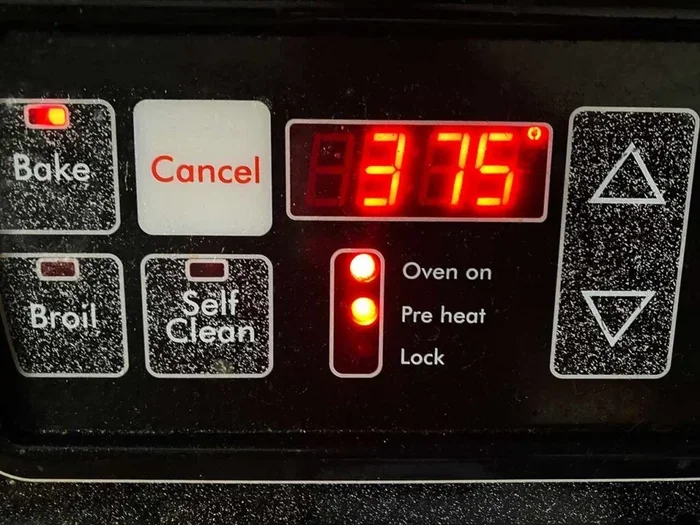
Common Mistake: Many people put chicken into a cold oven. This leads to uneven cooking and longer bake times. Always preheat your oven to the target temperature before adding the chicken. Give the oven at least 10–15 minutes to reach the right heat. This simple step makes a big difference in the final result.
Different Cuts, Different Baking Times
Not all chicken pieces are the same. Each cut has its own ideal baking time and temperature. Understanding these differences helps you cook every part perfectly. Let us break it down by cut.
Whole Chicken Roasting
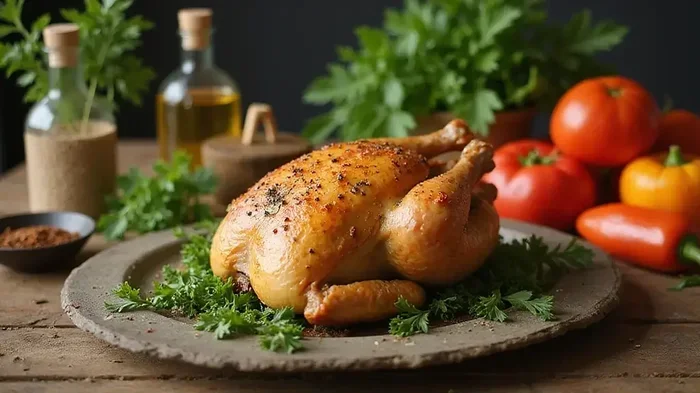
Roasting a whole chicken is a classic dish. It fills the kitchen with a wonderful aroma. A 4–5 pound whole chicken needs about 1 hour 15 minutes at 425°F. The key is to check the internal temperature in the thickest part of the thigh. The temperature should read 165°F. Let the chicken rest for 10 minutes before carving. This resting time allows the juices to redistribute, making the meat tender.
Chicken Breasts: Fast and Lean
Boneless, skinless chicken breasts are the quickest to bake. At 400°F, they need only 20–25 minutes. The exact time depends on the thickness. A thin breast may be done in 18 minutes. A thick, even breast might need 28 minutes. Overcooking breasts is the most common mistake. They dry out fast because they have little fat. Brining the chicken beforehand or using a marinade adds moisture and flavor.
Thighs and Drumsticks: Flavorful and Forgiving
Bone-in, skin-on thighs and drumsticks are very forgiving. They have more fat and connective tissue, which keeps them moist. Bake them at 400°F for 35–45 minutes. The skin should be crispy and golden. These cuts are great for meal prep because they reheat well. They also pair nicely with roasted vegetables on the same pan.
Wings: The Ultimate Snack
Chicken wings cook very quickly. At 425°F, they need just 20–25 minutes. Toss them in a little oil and your favorite seasoning before baking. The high heat crisps the skin perfectly. Wings are perfect for game day or a quick appetizer. Do not crowd the baking sheet. Give each wing space so the air can circulate. This ensures even cooking and maximum crispiness.
Quick Tip: Uniform Sizes
Quick Tip: When baking multiple pieces, try to make them roughly the same size. This ensures they all cook at the same rate. If you mix small wings with large thighs, the wings will burn before the thighs are done. Cut larger pieces down if needed.
The Secret To Juicy, Flavorful Chicken
Timing is only half the battle. The real secret to juicy chicken lies in a few simple techniques. These methods work whether you are baking a whole bird or quick breasts. They elevate your oven-baked chicken from good to great.
Brining: The Ultimate Moisture Booster
Brining means soaking the chicken in a saltwater solution for a few hours. The salt helps the meat retain moisture during cooking. Even a quick 30-minute brine makes a difference. For a whole chicken, brine for 2–4 hours. For breasts, 30 minutes to 1 hour is enough. After brining, pat the chicken dry before baking. Dry skin crisps better in the oven.
Dry Brining for Crispy Skin
Dry brining is even simpler. Just sprinkle salt all over the chicken and let it sit uncovered in the fridge for 1–4 hours. The salt draws out moisture, which then gets reabsorbed. This seasons the meat deeply and dries the surface. A dry surface is the key to crispy skin. No brining liquid needed.
Resting: Do Not Skip This Step
Once the chicken comes out of the oven, let it rest. Resting for 5–10 minutes allows the juices to settle back into the meat. If you cut into it right away, the juices run out. The chicken becomes dry and less flavorful. Tent the chicken loosely with foil during resting. This keeps it warm without steaming the skin.
Expert Insight: The Carryover Cook
Expert Insight: The chicken’s internal temperature will rise 5–10°F after you take it out of the oven. This is called carryover cooking. So if you pull the chicken at 160°F, it will reach 165°F while resting. This technique prevents overcooking and keeps the meat juicy. Always pull the chicken a few degrees before the target temperature.
Common Mistakes That Ruin Your Chicken
Even experienced cooks make mistakes. Knowing what to avoid saves you from dry, bland chicken. Here are the most common errors and how to fix them.
Overcooking the Chicken
The number one mistake is cooking the chicken too long. Chicken dries out quickly once it passes 165°F. Set a timer and check early. Use a meat thermometer to be precise. If you are not sure, cut into the thickest part. The juices should run clear, not pink. Any pink color means it needs more time.
Skipping the Meat Thermometer
Common Mistake: Relying on the oven timer alone is risky. Ovens vary, and chicken thickness changes. A meat thermometer takes the guesswork out. Insert it into the thickest part without touching the bone. Digital thermometers give the fastest, most accurate reading. They are an inexpensive tool that changes your cooking for the better.
Not Letting the Chicken Come to Room Temperature
Cold chicken straight from the fridge cooks unevenly. The outside may be done while the inside is still raw. Take the chicken out 20–30 minutes before baking. This lets it cook more evenly. It also reduces the total baking time slightly.
Crowding the Pan
Overcrowding the baking sheet traps steam. Steam makes the skin soggy instead of crispy. Give each piece at least an inch of space. Use two pans if you need to. The extra effort makes a huge difference in texture.
Forgetting to Season Properly
Seasoning is not just about salt. Use herbs, spices, garlic, and olive oil to build flavor. Rub the seasoning under the skin of bone-in pieces for maximum impact. A simple mix of salt, pepper, paprika, and garlic powder works wonders. Do not be shy with the seasoning. Chicken needs flavor.
Expert Tips For Oven-Baked Chicken Every Time
These expert tips will help you achieve perfect chicken every single time. They are easy to follow and make a big difference.
Line the Pan with Parchment Paper
Lining the baking sheet with parchment paper prevents sticking. It also makes cleanup a breeze. The chicken releases easily after baking. If you prefer a crispy bottom, use a light coat of oil on the pan instead.
Use a Wire Rack for Even Cooking
Place the chicken on a wire rack set over a baking sheet. The hot air circulates all around the pieces. This cooks them more evenly than sitting directly on the pan. The bottom also stays crispier because the steam escapes from below.
Add Aromatics for Extra Flavor
Toss lemon slices, garlic cloves, onion wedges, and fresh herbs around the chicken. They steam in the oven and infuse the meat with flavor. A whole lemon inside a whole chicken is a classic trick. The aroma fills the entire kitchen.
Quick Tip: The Foil Tent
Quick Tip: If your chicken is browning too fast, loosely tent it with foil. This slows down the browning without stopping the cooking. Remove the foil for the last 10 minutes to crisp the skin back up.
Store and Reheat Leftovers Properly
Cooked chicken keeps in the fridge for 3–4 days. Reheat it in the oven at 350°F for 10–15 minutes. The microwave can make the chicken rubbery. The oven keeps the texture much better. Add a splash of chicken broth before reheating to add moisture.
Key Takeaway: The best oven-baked chicken comes from a combination of the right temperature, proper timing, and a few simple techniques. Pat the chicken dry, use a meat thermometer, and always let it rest. These habits turn ordinary chicken into something extraordinary.
Now you know exactly how long chicken needs in the oven for every cut. You understand why temperature matters and how to avoid the most common pitfalls. With this knowledge, you can cook chicken that is juicy, flavorful, and perfectly done every time. Put on your apron, preheat the oven, and enjoy the process. Your family and friends will thank you for the delicious meal.
Remember, practice makes perfect. The more you bake chicken, the more intuitive the timing becomes. Start with the guidelines in this article. Adjust based on your oven and your preferences. Soon, you will not even need a recipe. You will just know exactly how long chicken needs in the oven to achieve your ideal result. Happy cooking!
Frequently Asked Questions
How long does chicken need in the oven at 400°F?
Boneless chicken breasts bake in 20–25 minutes at 400°F. Bone-in thighs and drumsticks need 35–45 minutes. A whole chicken roasts for about 1 hour 15 minutes. Always check the internal temperature of 165°F with a meat thermometer to be sure.
Can you overcook chicken in the oven?
Yes, overcooking is the most common mistake. Chicken dries out quickly once it passes 165°F. Use a timer and check early. Pulling the chicken out a few degrees early and letting it rest allows carryover cooking to finish the job safely.
Does a whole chicken take longer than chicken breasts?
A whole chicken takes significantly longer. A 4–5 pound bird needs about 1 hour 15 minutes at 425°F. Breasts cook in 20–25 minutes at 400°F. The size and bone density are the main reasons for the difference in baking time.
How do you know when chicken is done without a thermometer?
Use the touch test. Press the thickest part of the chicken. If it feels firm and springs back, it is likely done. The juices should run clear when you cut into it. However, a meat thermometer is the most reliable and safest method.
Why is my oven-baked chicken dry?
Dry chicken usually means it was cooked too long or at too high a temperature. Boneless breasts are especially prone to drying out. Brining the chicken beforehand, using a meat thermometer, and letting it rest after baking all help keep the meat juicy.
What is the best temperature for crispy chicken skin?
425°F is the best temperature for crispy skin. The high heat quickly renders the fat and evaporates moisture from the skin surface. Pat the chicken dry before baking and use a wire rack for maximum crispiness.
=== CONCLUSION ===
Learning how long chicken needs in the oven is the key to delicious, stress-free meals. From whole chickens to quick breasts, the right baking time and temperature make all the difference. Use the times and tips in this guide to cook chicken that is always juicy and flavorful. Invest in a meat thermometer, let the chicken rest, and enjoy the process. You are now equipped to make perfect oven-baked chicken every time.