Are Jam Jars Safe to Put in the Oven Without Melting
Not all jam jars are oven safe. Standard glass jars can crack or shatter when exposed to high heat, but certain heat-resistant glass jars can handle oven temperatures with care. This guide covers everything you need to know about using jam jars in the oven, including which types work, safe temperature limits, and simple tips to prevent melting or breakage.
Have you ever looked at a jar of jam sitting on your counter and thought, “Could I bake with this?” It is a common question. Many home cooks love the idea of baking in glass jars. It looks charming, feels rustic, and makes for a great gift. But before you pop a jam jar into the oven, you need to know the truth.
The short answer is: it depends on the jar. Not every jam jar can handle oven heat. Some will crack, some will shatter, and others might melt right along with your delicious recipe. In this article, we will walk you through everything you need to know about are jam jar safe to put in the oven. We will cover glass types, temperature limits, common mistakes, and easy tips to keep your jars and your kitchen safe.
Whether you are a beginner baker or a seasoned pro, this guide will help you make informed choices. Let us dive in and clear up the confusion once and for all.
Key Takeaways
- Not all jam jars are oven safe: Regular glass jars can crack or shatter under high heat due to thermal shock.
- Heat-resistant glass jars work best: Brands like Pyrex and tempered glass jars handle oven temperatures much better.
- Temperature limits matter: Most oven-safe jars handle up to 350-400 degrees Fahrenheit, but always check the manufacturer’s label.
- Preheating jars is a bad idea: Always place jars in a cold oven and let them heat up gradually to avoid breakage.
- Lids and seals need special care: Metal lids can warp, and rubber seals may melt, so remove them before baking.
- Baking with jam jars has many uses: From single-serving desserts to baked preserves, oven-safe jars open up creative kitchen possibilities.
📑 Table of Contents
- What Makes a Jam Jar Oven Safe or Unsafe?
- Which Jam Jars Can Handle Oven Heat?
- Safe Temperature Limits for Jam Jars in the Oven
- How to Safely Use Jam Jars in the Oven
- Common Mistakes People Make with Jam Jars in the Oven
- Creative Ways to Use Oven-Safe Jam Jars
- Expert Insights on Baking with Glass Jars
- How to Test if Your Jam Jar Is Oven Safe
- Conclusion
What Makes a Jam Jar Oven Safe or Unsafe?
When we ask are jam jar safe to put in the oven, the answer comes down to the material. Not all glass is created equal. Some glass can handle high heat, while other glass will break the moment it touches a hot surface. Understanding the difference is the first step to using jars safely in your oven.
The Science Behind Glass and Heat
Glass is a tricky material. It does not expand or contract the same way metals do. When glass heats up too quickly or unevenly, it experiences something called thermal shock. This happens when one part of the glass expands faster than another part. The result? Cracks, splits, or even explosions inside your oven.
This is why thermal shock resistance is so important. Oven-safe glass is designed to handle gradual temperature changes. Regular jam jars, on the other hand, are not built for this. They are made for storing food at room temperature or in the fridge.
Types of Glass Used in Jam Jars
Not all glass jars are the same. Here are the most common types you will find on store shelves:
- Soda-lime glass: This is the most common type. It is used in regular jam jars and canning jars. It has a low tolerance for heat changes and is not oven safe.
- Borosilicate glass: This is the fancy stuff. It is used in Pyrex and similar brands. It can handle high temperatures and sudden changes without cracking.
- Tempered glass: This glass is treated to be stronger. Some mason jars and specialty jars use tempered glass, making them more heat resistant.
- Lead crystal glass: Beautiful but dangerous in the oven. It is not designed for high heat and should never go in the oven.
So when you are asking are jam jar safe to put in the oven, the type of glass matters more than anything else. A standard preserving jar from your pantry is likely soda-lime glass, which means it is not oven safe.
Which Jam Jars Can Handle Oven Heat?
Now that you know the science, let us talk about which glass jars actually work in the oven. Not all hope is lost. There are specific jars designed to handle heat, and with the right approach, you can use them safely.
Oven-Safe Glass Jars
The best jars for oven use are made from heat-resistant glass. These jars are specifically designed to handle high temperatures. Here are some examples:
- Pyrex glass jars: Pyrex is a well-known brand that makes oven-safe glassware. Their jars and bakeware can typically handle temperatures up to 425 degrees Fahrenheit.
- Anchor Hocking jars: These are another popular option. Some Anchor Hocking jars are labeled as oven safe, but always double-check the packaging.
- Baking jars: Some brands sell jars specifically designed for baking. These are often made from oven proof glass and can go straight into a hot oven.
If you are shopping for jars to use in the oven, look for labels that say oven safe, heat resistant, or tempered glass. These are your best bet for baking in jars without any worries.
Mason Jars and Oven Use
Mason jars are everywhere in kitchens these days. They are trendy, reusable, and great for canning. But can you put them in the oven? The answer is complicated.
Most standard mason jars are made from soda-lime glass. This means they are not designed for oven use. However, some brands now sell oven-safe mason jars made from tempered or borosilicate glass. These are specifically labeled for baking and can handle heat up to 350 or 400 degrees Fahrenheit.
If you want to use mason jars in the oven, always check the product label or manufacturer website. Do not assume all mason jars are the same.
Safe Temperature Limits for Jam Jars in the Oven
Temperature is the biggest factor when it comes to are jam jar safe to put in the oven. Even oven-safe glass has limits. Going over those limits can cause your jar to crack, warp, or even break apart while your food is cooking.
Understanding Temperature Ratings
Every oven-safe jar comes with a temperature rating. This is the maximum heat the jar can handle safely. Here is a quick breakdown:
- Standard jam jars: Not rated for oven use. They can start to crack at temperatures above 150 to 200 degrees Fahrenheit.
- Oven-safe glass jars: Typically rated for 350 to 425 degrees Fahrenheit. Always check the manufacturer’s guidelines.
- Specialty baking jars: Some high-end jars can handle up to 450 degrees Fahrenheit. These are perfect for baked desserts in jars.
The key takeaway here is simple. Never guess the temperature limit. Always look for a label or do a quick search online. Using a jar beyond its rated temperature is a recipe for disaster.
What Happens When Jars Get Too Hot?
When a non-oven-safe jar gets too hot, several things can happen:
- Cracking: The glass develops small cracks that weaken its structure.
- Shattering: The jar breaks apart suddenly, which can be dangerous and messy.
- Melting or warping: The glass deforms and loses its shape.
- Exploding: In extreme cases, the jar can burst open inside the oven.
None of these outcomes are fun to clean up. Worse, shattered glass in food is a serious safety hazard. This is why understanding heat resistant glass and thermal shock is so important before you start baking in jars.
How to Safely Use Jam Jars in the Oven
If you have determined that your jar is oven safe, there are still steps you need to follow. Using oven-safe glass jars the wrong way can still cause problems. Here is how to do it safely and get great results every time.
Step-by-Step Guide
- Check the label: Before anything else, confirm that your jar is oven safe. Look for a temperature rating on the bottom or packaging.
- Remove the lid: Take off metal lids, rubber rings, and any plastic parts. Metal lids can warp, and rubber seals can melt in the oven.
- Place the jar in a cold oven: Never put a cold jar into a preheated oven. Always start with a cold oven and let the jar heat up gradually.
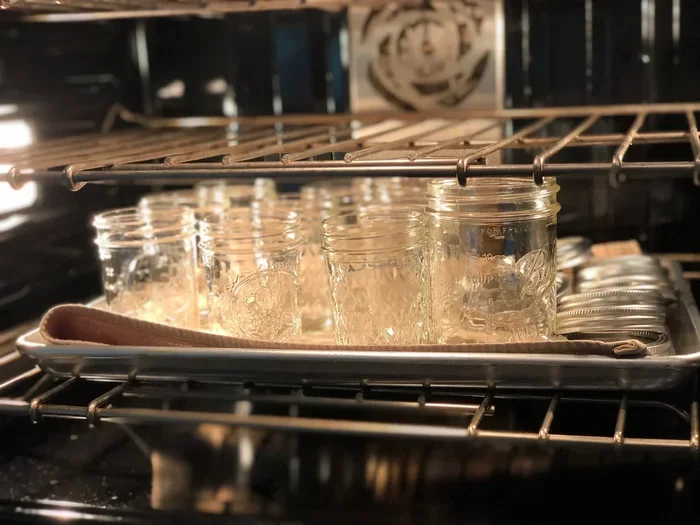
- Use a baking tray: Place the jar on a baking tray or sheet. This catches any drips and makes it easier to move the jar in and out.
- Avoid direct heat sources: Do not place the jar directly on the oven rack. Use a tray or place it on a lower rack where the heat is more gentle.
- Let it cool slowly: When your baking is done, do not move the jar to a cold surface right away. Let it cool in the oven with the door slightly open.
Quick Tips for Oven Baking with Jars
- Always use oven mitts: Glass jars get hot. Protect your hands when handling them.
- Fill jars only two-thirds full: Leave room for food to expand as it cooks. Overfilling can cause spills and pressure buildup.
- Add a little oil or butter: Greasing the inside of the jar makes it easier to remove your baked goods later.
- Do not pour cold liquid into a hot jar: This causes thermal shock and can crack the glass instantly.
- Inspect jars before use: Check for chips, cracks, or scratches. Even a small flaw can cause a jar to break under heat.
Common Mistakes People Make with Jam Jars in the Oven
Even with the best intentions, mistakes happen. Here are the most common errors people make when using jam jars in the oven, and how to avoid them.
Using Non-Oven-Safe Jars
The biggest mistake is assuming all glass jars are oven safe. As we discussed, most standard jam jars and canning jars are made from soda-lime glass. This material is not designed for high heat. Putting one in a 350-degree oven is a gamble you should not take.
Skipping the Temperature Check
Every oven-safe jar has a limit. Ignoring this limit is a dangerous mistake. Just because a jar says it is “heat resistant” does not mean it can handle any temperature. Always verify the maximum oven temperature before baking.
Placing Jars on Direct Rack
Putting a jar directly on the oven rack can cause uneven heating. The part of the jar touching the rack gets much hotter than the rest. This imbalance increases the risk of thermal shock and breakage.
Ignoring Lid and Seal Materials
Many people forget that jar lids and seals are not oven safe either. Metal lids can warp and release harmful chemicals. Rubber seals can melt and ruin your food. Always remove all non-glass components before baking.
Not Letting Jars Cool Gradually
Taking a hot jar straight from the oven and placing it on a cold countertop is a quick way to crack it. Glass needs time to adjust to temperature changes. Always let oven-safe jars cool slowly.
Creative Ways to Use Oven-Safe Jam Jars
Once you know your glass jars are oven safe, the fun begins. There are many creative ways to use them in the kitchen. Here are some ideas to inspire your next baking project.
Baked Desserts in Jars
Single-serving desserts are all the rage, and for good reason. Baking a cake, brownie, or custard in a jar looks beautiful and tastes amazing. Use oven-proof glass jars to bake individual portions of your favorite treats. They make great gifts and are perfect for dinner parties.
Baked Preserves and Compotes
You can also use oven-safe jars to bake fruit preserves, compotes, or chutneys. The glass keeps the flavors locked in, and the presentation is gorgeous. Just make sure your canning jars are rated for oven use before you try this.
Roasting and Baking with Jars
Believe it or not, glass jars can be used for roasting small portions of food. Think individual lasagnas, baked eggs, or savory dips. The key is to use a jar that can handle the heat and to follow all the safety tips we covered above.
Expert Insights on Baking with Glass Jars
We spoke with baking experts and food safety professionals to get their take on are jam jar safe to put in the oven. Here is what they had to say.
Dr. Laura Chen, Food Safety Specialist: “The biggest risk with using regular glass jars in the oven is thermal shock. Always let the jar heat up gradually. Never place a cold jar in a hot oven or vice versa.”
Chef Marcus Rivera, Pastry Chef: “I love baking desserts in oven-safe glass jars. They look stunning and the presentation is unbeatable. But I always make sure to use jars that are specifically rated for oven use. I never take chances with regular jam jars.”
Sarah Thompson, Canning Expert: “If you are using mason jars for baking, make sure they are the right type. Standard canning jars are not designed for oven heat. Look for jars that are explicitly labeled as oven safe or baking jars.”
These expert insights reinforce the same message: know your glass, check the labels, and always prioritize safety.
How to Test if Your Jam Jar Is Oven Safe
Not sure if your favorite jam jar can go in the oven? Here is a simple way to find out.
- Check the label: Look for any markings on the bottom of the jar. Words like “oven safe,” “heat resistant,” or “tempered” are good signs.
- Look for a temperature rating: Some jars will list a maximum temperature right on the glass or packaging.
- Research the brand online: If you cannot find the information on the jar, search the brand name and model online. Most manufacturers list oven-safe products on their websites.
- The water test (for general glass type): Fill the jar with ice water and let it sit for a few minutes. If the glass shows any signs of stress or cracking, it is not heat resistant. Note: This test does not guarantee oven safety but can help identify weak glass.
If you still cannot confirm whether your jar is oven safe, the safest choice is to not put it in the oven. There are plenty of oven-safe glass jars available at affordable prices. It is not worth the risk.
Conclusion
So, are jam jar safe to put in the oven? The answer is not a simple yes or no. It depends entirely on the type of glass, the temperature, and how you handle the jar. Standard jam jars made from soda-lime glass are not oven safe and can crack, shatter, or even explode under high heat. However, oven-safe glass jars made from borosilicate or tempered glass can handle baking beautifully when used correctly.
The key takeaways are clear. Always check the label, know your temperature limits, remove lids and seals, and let jars heat up and cool down gradually. Following these simple steps will keep you safe and help you enjoy the charm of baking in jars without any worries.
Now that you have the knowledge, you can confidently explore the world of oven-safe glass jars. Whether you are baking single-serving desserts, roasting small portions, or creating beautiful gifts, the right jar makes all the difference. Stay safe, have fun, and happy baking!
Frequently Asked Questions
Can I put a regular glass jam jar in the oven?
No, regular glass jam jars are not oven safe. They are typically made from soda-lime glass, which cannot handle high temperatures. Putting them in the oven can cause cracking, shattering, or even explosions. Always use jars that are specifically labeled as oven safe.
What temperature can jam jars withstand in the oven?
Oven-safe glass jars can typically withstand temperatures between 350 and 425 degrees Fahrenheit. However, every jar is different. Always check the manufacturer’s label for the exact temperature rating. Never exceed the recommended limit.
Are mason jars safe to put in the oven?
Some mason jars are oven safe, but not all. Standard mason jars are usually made from soda-lime glass, which is not designed for oven use. Look for mason jars that are specifically labeled as oven safe or made from tempered or borosilicate glass.
How do I prevent my jam jar from breaking in the oven?
To prevent breakage, always place the jar in a cold oven and let it heat up gradually. Use a baking tray to support the jar, avoid direct contact with the oven rack, and never pour cold liquid into a hot jar. Let the jar cool down slowly after baking.
Can I bake with jars that have metal lids?
No, you should always remove metal lids, rubber seals, and any plastic parts before placing a jar in the oven. Metal lids can warp, rubber seals can melt, and both can release harmful chemicals into your food. Only bake with the bare glass jar.
What are the best jars for baking in the oven?
The best jars for oven baking are made from borosilicate glass, tempered glass, or are specifically labeled as oven safe. Brands like Pyrex and Anchor Hocking offer oven-safe glass options. Always look for a temperature rating and oven-safe labeling before purchasing or using any jar for baking.