How Long To Broil Vegetables In The Oven For Best Results
Want perfectly broiled vegetables every time? This guide shows you how long to broil vegetables in oven for tender, caramelized results. You’ll learn timing for every veggie, oven settings, and pro tips to avoid burning.
Broiling is one of the fastest ways to cook vegetables. It uses high, direct heat from above to caramelize the outside while keeping the inside tender. If you have ever wondered how long to broil vegetables in oven, you are in the right place. This guide will give you exact times, tips, and tricks for every type of veggie. Whether you are cooking broccoli, bell peppers, or zucchini, you will find the answers you need here.
Many home cooks avoid broiling because they fear burning their food. But once you understand the basics, it becomes simple. The key is knowing the right time and temperature. I will walk you through everything step by step. By the end, you will feel confident using your oven broiler every day.
Let us dive into the world of broiled vegetables and learn how to get perfect results every single time.
Key Takeaways
- Broil time varies by vegetable: thin slices cook in 5-7 minutes, while dense veggies like carrots need 10-15 minutes.
- Preheating the broiler is essential: it ensures even charring and prevents soggy results.
- Use a broiling pan or foil-lined sheet: this catches drips and promotes air circulation.
- Keep an eye on the vegetables: broiling happens fast, and burning can occur in seconds.
- Cut vegetables uniformly: even sizing guarantees they cook at the same rate.
- Season after broiling for best flavor: salt draws out moisture, so add it at the end.
📑 Table of Contents
How Long to Broil Vegetables in Oven: The Quick Answer
The short answer is that most vegetables take between 5 and 15 minutes under the broiler. However, the exact how long to broil vegetables in oven time depends on several factors. These include the vegetable type, the thickness of your cuts, and the distance from the heat source. Thinly sliced zucchini or mushrooms might be done in 5 to 7 minutes. Dense root vegetables like sweet potatoes could take 12 to 15 minutes.
The position of the oven rack plays a huge role. Most recipes call for the rack to be 4 to 6 inches below the broiler element. This distance gives you the best balance of char and tenderness. If your oven has a convection broil setting, the fan circulates hot air and can shave a minute or two off the cooking time. Always check your owner’s manual to understand your specific oven’s broiler mode.
Broiling Time Chart for Common Vegetables
Use this quick reference chart to find the right broiling time for your favorite veggies. All times assume a preheated broiler and a rack positioned 4 to 6 inches from the heat element. The vegetables should be cut to the specified thickness for best results.
| Vegetable | Thickness / Cut | Broiling Time | Result |
|---|---|---|---|
| Broccoli florets | 1-inch pieces | 5–7 minutes | Charred edges, tender inside |
| Bell pepper strips | ¼-inch thick | 4–6 minutes | Blistered skin, smoky flavor |
| Zucchini rounds | ½-inch thick | 6–8 minutes | Golden marks, slightly crisp |
| Carrot coins | ¼-inch thick | 10–12 minutes | Caramelized, fork-tender |
| Asparagus spears | Whole, 4–5 inches | 6–8 minutes | Crispy tips, tender stalks |
| Onion rings | ½-inch thick | 8–10 minutes | Sweet, lightly charred |
| Cauliflower florets | 1-inch pieces | 8–10 minutes | Golden brown, creamy center |
| Tomato slices | ¼-inch thick | 3–5 minutes | Warm, slightly blistered |
| Eggplant rounds | ½-inch thick | 8–10 minutes | Silky inside, browned crust |
| Green beans | Whole, trimmed | 6–8 minutes | Crisp-tender, charred tips |
This chart is a great starting point. Always check your vegetables a minute or two before the listed time ends. Every oven broiler runs a little differently, and the age of your heating element can affect performance.
Quick Tips for Broiling
- Pat vegetables dry before placing them in the oven. Moisture creates steam, which prevents charring and leads to soggy results.
- Use a broiling pan or a sheet pan lined with aluminum foil. This makes cleanup easy and allows fat to drip away from the food.
- Preheat the broiler for at least 5 minutes. A hot broiler ensures immediate searing and better caramelization.
- Arrange vegetables in a single layer. Overcrowding leads to steaming instead of broiling. Use two pans if needed.
- Flip halfway through the time. This promotes even browning on both sides and prevents one side from burning.
- Use a light coating of oil. Too much oil causes flare-ups; too little leads to drying out. A tablespoon per large baking sheet is usually enough.
- Season after broiling. Salt draws moisture out of vegetables. Adding it after cooking keeps the surface dry and helps achieve a crispy texture.
Best Vegetables for Broiling
Not all vegetables respond the same way to high heat. Some turn crispy and caramelized, while others can become mushy if you overcook them. Choosing the right vegetables for broiling in the oven is the first step to success. Here is a closer look at the best candidates and how to handle them.
High-Water Vegetables
Vegetables with high water content cook quickly under the broiler. They benefit from short broiling times and high heat. Zucchini, summer squash, tomatoes, mushrooms, and eggplant fall into this category. They develop a nice sear while retaining a slightly juicy interior. Slice them uniformly so they cook at the same rate. For tomatoes, use ripe but firm specimens. Overripe tomatoes will collapse and release too much liquid. Eggplant benefits from a light sprinkle of salt before broiling, which draws out excess moisture and improves texture.
Dense Root Vegetables
Root vegetables like carrots, parsnips, beets, and sweet potatoes need more time. Their dense structure requires longer exposure to the broiler’s heat. Cut them into thin coins or small wedges no thicker than ¼ inch. Toss them with a little oil before broiling. This helps transfer heat evenly and promotes caramelization. Expect a broiling time of 10 to 15 minutes for these veggies. You may need to flip them once or twice to ensure even browning. If the edges start to burn before the center is tender, cover the pan loosely with aluminum foil for the remaining time.
Cruciferous Vegetables
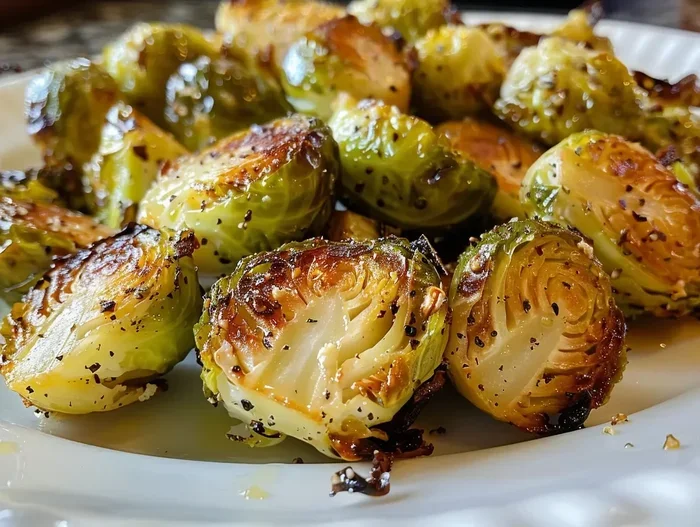
Broccoli, cauliflower, Brussels sprouts, and cabbage are excellent candidates for broiling. Their sturdy florets can handle high heat without falling apart. Break them into bite-sized pieces. Toss with olive oil, salt, and pepper. Broil for 6 to 10 minutes until the edges turn dark brown and crispy. The center should remain tender and slightly creamy. For Brussels sprouts, halve them lengthwise. The cut side will caramelize beautifully while the outer leaves get crispy. Avoid boiling or steaming these vegetables beforehand; raw broccoli and cauliflower broil much better.
Leafy Greens and Herbs
You can even broil delicate greens like kale, spinach, or fresh herbs. They only need 1 to 3 minutes. Watch them closely to prevent burning. A light drizzle of oil helps them crisp up without drying out completely. Kale chips are a popular example. Remove the stems, tear the leaves into pieces, toss with oil, and broil for 2 to 3 minutes. The result is a crispy, savory snack. Fresh herbs like thyme or rosemary can be broiled on top of vegetables in the last minute for an aromatic boost.
Vegetables to Avoid Broiling
Some vegetables are not ideal for the broiler. Cucumbers, celery, and iceberg lettuce have too much water and will wilt without browning. Very soft or overripe fruits like bananas or peaches will turn to mush. Stick to firm, fresh vegetables for the best results.
Step-by-Step Guide to Broiling Vegetables
Broiling vegetables is simple once you follow a clear process. This step-by-step guide ensures you get consistent, delicious results every time you use the oven broiler. Follow these steps for perfect broiled vegetables with minimal effort.
Choose the Right Pan
A broiling pan is ideal because it has a slotted top that allows fat to drip into the bottom tray. This prevents vegetables from sitting in their own oil and helps them crisp up. If you do not have a broiling pan, use a sheet pan lined with aluminum foil. The foil catches drips and makes cleanup a breeze. Avoid using a glass baking dish, as it can trap steam and prevent browning. A dark, heavy sheet pan works best because it absorbs heat and promotes even cooking.
Preheat and Position the Rack
Turn on the broiler and let it heat for at least 5 minutes. Place the oven rack 4 to 6 inches below the broiler element. This distance is crucial. Too close, and the vegetables will burn. Too far, and they will dry out before they brown. Most ovens have a top broiler setting, so position the rack in the upper third of the oven. If your oven has a top and bottom element, make sure only the top element is on. Some ovens have a “high broil” and “low broil” setting. Use high broil for most vegetables and low broil for delicate items like tomatoes or leafy greens.
Season and Arrange the Vegetables
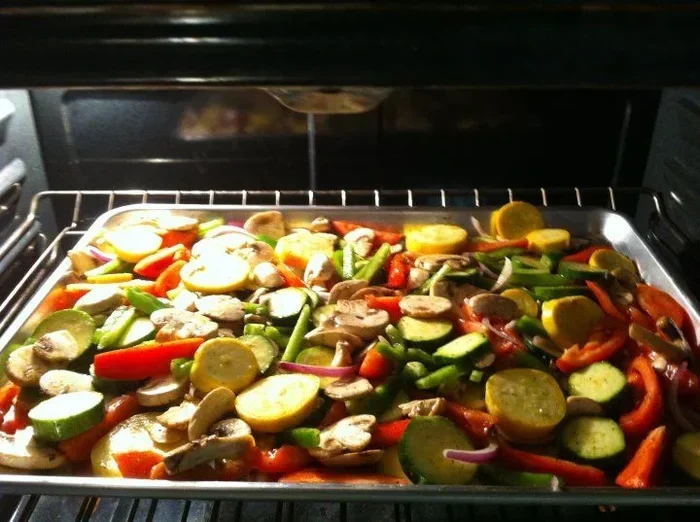
Toss your cut vegetables with olive oil, salt, and pepper. You can add garlic powder, paprika, cumin, or dried herbs for extra flavor. A little goes a long way. Spread the vegetables in a single layer on the prepared pan. Do not overlap them. Overcrowding blocks the direct heat and causes steaming. Leave a little space between each piece so the hot air circulates freely. If you are broiling a large batch, use two pans or cook in two rounds.
Broil and Watch Closely
Place the pan in the oven on the top rack. Set a timer for the recommended time based on the chart above. Do not walk away from the oven. Broiling happens fast, and vegetables can go from perfectly charred to burnt in seconds. After half the time, open the oven and flip the vegetables with tongs. This ensures even browning on all sides. If you notice flare-ups from dripping oil, move the pan to a cooler part of the oven or lower the rack slightly. Once done, remove the pan immediately.
How to Tell When Broiled Vegetables Are Done
Knowing when to pull the vegetables out is a key skill. Look for visible char marks and a deep golden-brown color on the edges. The vegetables should be tender when pierced with a fork but not mushy. You should smell a slightly smoky, caramelized aroma. If the vegetables are still pale and hard, give them another minute or two. Keep in mind that residual heat continues to cook them slightly after you remove them from the oven.
Rest and Serve
Let the vegetables rest for a minute or two on the pan. This allows the juices to redistribute. Then transfer them to a serving dish. A squeeze of lemon juice or a sprinkle of fresh herbs elevates the flavor. Serve hot as a side dish or toss them into a grain bowl or salad. Broiled vegetables taste best within 30 minutes of cooking, but they also make excellent leftovers.
Common Mistakes to Avoid When Broiling
Even with the best intentions, it is easy to make mistakes when using the oven broiler. Avoiding these common errors will help you achieve perfect broiled vegetables every time. Here are the pitfalls to watch out for.
Overcrowding the Pan
The biggest mistake is putting too many vegetables on the pan. When pieces touch or overlap, they steam instead of broil. You end up with soggy, pale vegetables instead of crispy, charred ones. Use a large pan and spread the vegetables out. If necessary, broil in two batches. The extra effort is worth the difference in texture.
Skipping the Preheat
A cold broiler will not sear the vegetables properly. Always preheat the broiler for at least 5 minutes before adding the food. This ensures the element is fully heated and ready to deliver intense, direct heat the moment the vegetables enter the oven. A properly preheated broiler gives you that signature charred, slightly crispy exterior.
Using the Wrong Oven Rack
Placing the rack too far from the broiler element results in slow, uneven cooking. The vegetables may dry out before they brown. Conversely, placing the rack too close can cause flare-ups and burning. Keep the rack 4 to 6 inches from the element. If you notice smoke, move the rack up slightly. Every oven is different, so take a minute to learn how yours behaves.
Not Cutting Vegetables Uniformly
Uneven pieces mean uneven cooking. A thick carrot coin will be raw while a thin one is burnt. Take the time to cut all pieces to the same thickness. Use a sharp knife and a steady hand. Uniformity is the secret to perfectly broiled vegetables. A mandoline slicer can help you achieve consistent thickness quickly and safely.
Adding Salt Too Early
Salt draws moisture out of vegetables. If you salt them before broiling, they release water and steam. This prevents the formation of a crispy, caramelized exterior. Instead, season with salt after broiling. This keeps the surface dry and promotes browning. A light drizzle of olive oil after cooking also helps the salt stick and adds shine.
Using Frozen Vegetables Without Drying Them
If you are in a hurry, you might reach for frozen vegetables. However, frozen veggies carry excess ice crystals. If you place them directly in the oven, they will steam and turn mushy. Thaw them first and pat them completely dry with paper towels. This simple step makes a huge difference in the final texture.
Broiling vs. Other Cooking Methods
Understanding how broiling compares to other methods helps you choose the right technique for your meal. Broiling vegetables in oven is not the same as roasting or grilling, even though they all use dry heat. Each method has unique advantages depending on your time, equipment, and desired result.
Broiling vs. Roasting
Roasting uses indirect heat that surrounds the food. It typically takes 20 to 40 minutes at temperatures between 400°F and 425°F. Roasting is great for large batches and root vegetables. It produces a uniform, golden-brown texture. Broiling, on the other hand, uses direct radiant heat from above. It takes only minutes and creates a charred, crispy exterior with a tender interior. Use broiling for quick-cooking vegetables or when you want a smoky, grilled flavor without firing up the grill.
Broiling vs. Grilling
Grilling cooks food over an open flame or hot coals. It imparts a distinct smoky flavor and grill marks. Broiling mimics this effect by using the oven’s top heat element. You get similar charring and caramelization. The advantage of broiling is that you can do it indoors regardless of the weather. It is also more convenient for small batches of vegetables. You have more control over the heat because you can adjust the rack position easily.
Broiling vs. Sautéing
Sautéing uses a hot pan with a small amount of fat. It cooks vegetables quickly but does not create the same deep char as broiling. Broiling gives you a more intense, oven-baked flavor with a crispy exterior. Both methods have their place in the kitchen, but broiling requires less attention once the vegetables are in the oven. You can prep other parts of your meal while the broiler does the work.
Quick Comparison Table
| Method | Time | Heat Source | Best For |
|---|---|---|---|
| Broiling | 3–15 minutes | Direct top heat | Quick char, small batches |
| Roasting | 20–40 minutes | Indirect surround heat | Large batches, root veggies |
| Grilling | 5–15 minutes | Open flame or coals | Smoky flavor, outdoor cooking |
| Sautéing | 5–10 minutes | Direct pan heat | Quick stovetop meals |
Storing and Reheating Broiled Vegetables
Broiled vegetables make excellent meal prep ingredients. Knowing how to store and reheat them properly ensures you enjoy their crispy texture for days. Follow these simple guidelines to keep your broiled vegetables tasting fresh.
Storing Broiled Vegetables
Let the vegetables cool completely before storing. Place them in an airtight container or a resealable plastic bag. They will keep in the refrigerator for up to 3 days. Avoid storing them while they are still hot, as the trapped steam will make them soggy. If you are storing a mix of vegetables, keep the ones that get soggy faster (like zucchini) separate from heartier ones (like carrots) if possible.
Reheating Broiled Vegetables
The best way to reheat broiled vegetables is in the oven or a toaster oven. Preheat to 350°F and spread the vegetables on a baking sheet. Reheat for 5 to 10 minutes until they are warmed through and the edges become slightly crispy again. Avoid microwaving if you want to maintain the charred texture. A microwave will steam the vegetables and make them limp. If you must use a microwave, do so in short 30-second bursts and spread the vegetables in a single layer.
Using Leftover Broiled Vegetables
Leftover broiled vegetables are incredibly versatile. Toss them into a frittata or omelet for breakfast. Add them to a grain bowl or salad for lunch. Blend them into a soup or sauce for dinner. Their concentrated flavor only gets better the next day. You can also chop them finely and use them as a pizza topping or a mix-in for pasta.
Expert Tips for Perfect Broiled Vegetables Every Time
Take your broiled vegetables to the next level with these expert insights. These tips come from professional chefs and seasoned home cooks who know their way around a hot oven. Apply them to elevate your everyday meals.
Use the Right Temperature
Most ovens have a “broil” setting that runs at high heat, typically 500°F to 550°F. Some ovens allow you to choose between low and high broil. Use high broil for most vegetables. Low broil works well for delicate items like tomatoes or leafy greens. If your oven does not have a temperature setting, simply use the top broiler element and keep a close watch. The goal is intense, direct heat that sears the surface quickly.
Add a Flash of Acid at the End
A squeeze of lemon juice or a splash of vinegar brightens the flavor of broiled vegetables. The acidity cuts through the richness of the olive oil and enhances the natural sweetness of the veggies. Add the acid right after removing the vegetables from the oven, while they are still hot. This helps the flavor meld together. Try balsamic vinegar on roasted red peppers or lemon juice on broiled asparagus for a simple yet impressive touch.
Let Them Rest Before Serving
Just like grilled meats, broiled vegetables benefit from a short rest. This allows the internal temperature to equalize and the juices to settle. Transfer the vegetables to a serving plate and let them sit for 2 to 3 minutes. You will notice the flavors become more pronounced and the texture firms up slightly.
Experiment with Marinades and Glazes
Before broiling, toss vegetables with a simple marinade. A mix of olive oil, balsamic vinegar, and honey creates a sweet and tangy glaze. Soy sauce and sesame oil give an Asian-inspired twist. A garlic and herb paste adds a Mediterranean flair. Marinating for just 10 minutes is enough to infuse flavor into the vegetables. For a smoky twist, add a pinch of smoked paprika or chipotle powder to the oil before tossing.
Clean Your Oven Broiler Promptly
After broiling, the broiler pan may have baked-on residue. Clean it while it is still warm. Soak the pan in hot, soapy water for a few minutes. Scrub with a non-abrasive sponge. A clean broiler pan ensures even heat distribution and prevents smoke from previous meals. If you notice smoke during broiling, check for old food debris on the oven floor and wipe it out.
Broiling vegetables in the oven is one of the simplest and most delicious ways to prepare a healthy side dish. Once you understand how long to broil vegetables in oven, you can cook a wide variety of veggies with confidence. Remember to preheat the broiler, cut your vegetables uniformly, and watch them closely. The right timing makes all the difference between perfectly charred and burnt.
Use the broiling time chart as your starting point. Adjust based on your oven and the specific vegetable you are cooking. Follow the expert tips to add deeper flavor and better texture. Soon, broiled vegetables will become a regular part of your weekly meal rotation. They are fast, flavorful, and incredibly easy to make.
Now that you have all the information you need, it is time to turn on your oven broiler and start cooking. Grab your favorite vegetables, preheat the broiler, and enjoy the delicious, caramelized results.
Frequently Asked Questions
How long to broil vegetables in oven for crispy edges?
For crispy, charred edges, most vegetables need 5 to 10 minutes under a preheated high broiler. Thin slices like bell peppers and zucchini cook fastest, while denser vegetables like carrots may need up to 15 minutes. Flip them halfway through for even browning.
Can you broil vegetables without a broiling pan?
Yes, you can use a regular sheet pan lined with aluminum foil. The foil catches drips and makes cleanup easy. Avoid using glass or dark non-stick pans, as they can trap steam and prevent the vegetables from getting crispy.
What is the difference between broiling and roasting vegetables?
Broiling uses direct, intense heat from above and takes only a few minutes. Roasting uses indirect, surrounding heat and takes 20 to 40 minutes. Broiling creates a more charred, crispy exterior, while roasting produces a more uniform golden-brown texture throughout.
Should I flip vegetables when broiling?
Yes, flipping vegetables halfway through the cooking time ensures even charring on both sides. Use tongs to gently turn them. If you skip flipping, one side may burn while the other remains pale and undercooked.
Can I broil frozen vegetables directly?
It is not recommended. Frozen vegetables contain excess ice crystals that will steam instead of broil. Thaw them first and pat them completely dry with paper towels. This simple step prevents soggy, mushy results and promotes proper caramelization.
How do I know when broiled vegetables are done?
Look for visible char marks, a deep golden-brown color, and a tender texture when pierced with a fork. The vegetables should smell smoky and slightly sweet. If they still look pale or hard, give them another minute or two, but watch them closely to avoid burning.