How Long To Cook Baked Potatoes In Oven At 400 Degrees
Learn exactly how long to cook baked potatoes in oven at 400°F for crispy skin and fluffy insides. This guide covers timing, temperature, and pro tips to get perfect oven-baked russet potatoes every time. Whether you use foil or not, you’ll find the baking potato time you need right here.
Ever wondered how long to cook baked potatoes in oven at 400? The answer is simpler than you think. When you set your oven to 400°F, you unlock the perfect balance of crispy skin and fluffy insides. This guide will walk you through the exact timing, temperature, and tricks to get restaurant-quality baked potatoes right in your kitchen. You’ll learn why 400°F works so well, how to prep your potatoes, and the best ways to serve them.
Baked potatoes are a classic comfort food. They’re easy to make, filling, and endlessly customizable. Many home cooks wonder about the best oven temperature and timing. Cooking potatoes at 400°F has become a go-to method for a reason. It’s hot enough to crisp the skin but gentle enough to cook the inside evenly. In this article, I’ll share everything you need to know about oven-baked potatoes at 400. We’ll cover timing, prep, foil vs. no foil, and pro tips for perfect results every time.
Key Takeaways
- 400°F is the ideal oven temperature for baking potatoes to get crispy skin and fluffy centers.
- Plan for 45 to 60 minutes of cook time for medium to large russet potatoes at 400.
- Prick potatoes with a fork before baking to prevent bursting and help steam escape.
- Oven-baked potatoes without foil yield crispier skin, while foil speeds up cooking and keeps them moist.
- Check doneness by squeezing or using a thermometer; internal temp should reach 210°F.
- Rest baked potatoes for 5 minutes after removing from the oven for easier handling.
- Season generously after baking with salt, butter, and your favorite toppings for the best flavor.
📑 Table of Contents
- How Long To Cook Baked Potatoes In Oven At 400: The Quick Answer
- Why 400°F Is the Perfect Temperature for Baked Potatoes
- Step-by-Step: How to Bake Potatoes at 400
- Foil vs. No Foil: The Great Baked Potato Debate
- How to Know When Your Baked Potatoes Are Done
- Top Tips for Perfectly Crispy Skin and Fluffy Insides
- Conclusion
How Long To Cook Baked Potatoes In Oven At 400: The Quick Answer
What Size Potato Are You Baking?
The size of your potato is the biggest factor in cooking time. A small potato (around 5 ounces) may take less time. A large potato (over 10 ounces) needs more time. Most recipes call for medium to large russet potatoes. These are the classic choice for baked potatoes because they have thick skin and fluffy flesh.
Quick Tip: Pick potatoes that are similar in size. This ensures they cook evenly. If you mix small and large potatoes, the small ones will burn before the large ones are done.
The Standard Baking Time at 400°F
For a medium-sized russet potato (about 6 to 8 ounces), how long to cook baked potatoes in oven at 400 is typically 45 to 55 minutes. A large potato (9 to 12 ounces) may need 55 to 65 minutes. These times assume a preheated oven at 400°F. They also assume you’ve placed the potatoes directly on the oven rack or on a lined baking sheet.
Here is a quick reference for different sizes:
- Small potatoes (5 oz): 35 to 45 minutes
- Medium potatoes (6–8 oz): 45 to 55 minutes
- Large potatoes (9–12 oz): 55 to 65 minutes
- Extra-large potatoes (12+ oz): 65 to 75 minutes
These are ballpark times. Always check for doneness by squeezing or using a thermometer.
How Potato Type Affects Cooking Time
Not all potatoes bake the same way. Russet potatoes are the most popular for baking. They have a high starch content that makes them fluffy. Yukon Gold potatoes have a creamier texture and thinner skin. They may bake a bit faster. Red potatoes hold their shape well and have a waxy texture. They are great for salads but can also be baked.
Here’s a comparison of common potato types and their baking times at 400°F:
| Potato Type | Typical Size | Baking Time at 400°F | Texture When Baked |
|---|---|---|---|
| Russet | Medium to Large | 45–65 minutes | Fluffy, crispy skin |
| Yukon Gold | Medium | 40–55 minutes | Creamy, thin skin |
| Red | Medium | 40–50 minutes | Waxy, firm |
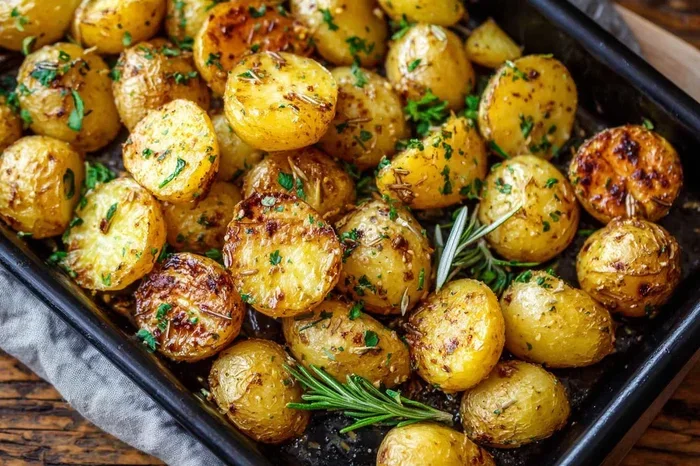
| Fingerling | Small | 25–35 minutes | Buttery, crispy |
This table helps you plan your baked potato recipe. Adjust the time based on the size and type you choose.
Why 400°F Is the Perfect Temperature for Baked Potatoes
The Science Behind 400°F Baking
Why do so many recipes call for 400°F? This temperature hits the sweet spot. At 400°F, the oven is hot enough to quickly crisp the potato skin. The high heat also triggers the Maillard reaction, which creates that golden-brown color and rich flavor. At the same time, the inside cooks gently through conduction.
If you go too low (like 350°F), the skin stays soft and the potato can take over an hour. If you go too high (like 425°F), the outside might burn before the inside is fluffy. 400°F is the ideal balance for a perfectly oven-baked potato.
Expert Insight: Chef Michael Ruhlman often emphasizes that 400°F is the standard for root vegetables. It caramelizes the natural sugars without drying them out. This principle applies perfectly to baking potatoes. The same temperature works beautifully for oven-baked russet potatoes and other varieties.
Crispy Skin and Fluffy Interior
The goal of any baked potato is crispy skin and fluffy insides. 400°F delivers this. The dry heat draws moisture to the surface, which evaporates and crisps the skin. Meanwhile, the starch inside gelatinizes, creating that soft, fluffy texture. A crispy skin baked potato is a thing of beauty. It’s the perfect vessel for butter, sour cream, and chives.
To maximize crispiness, make sure your potatoes are dry before they go in the oven. Pat them thoroughly with a towel. A light coat of oil also helps. The oil conducts heat and promotes browning. This simple step makes a big difference in your oven-baked potatoes at 400.
Step-by-Step: How to Bake Potatoes at 400
Prep Your Potatoes the Right Way
Prepping your potatoes correctly is key. Start by washing them under cold water. Use a brush to remove any dirt. Dry them completely with a clean towel. Moisture is the enemy of crispy skin. Any remaining water will steam the potato and prevent browning.
Next, prick each potato several times with a fork. This step is crucial. It creates steam vents so the potato doesn’t burst in the oven. Pricking also shortens the potato cooking time slightly by allowing heat to penetrate faster. Use a fork with sharp tines and press deeply into the potato from end to end.
Common Mistake: Skipping the fork pricks. A potato can explode in the oven if you don’t vent it. This makes a big mess and ruins your baked potato dinner. It’s a small step that prevents a lot of trouble.
Seasoning and Oil
Once your potatoes are prepped, it’s time to season. Drizzle a small amount of olive oil or melted butter over each potato. Use about a teaspoon per potato. Sprinkle coarse salt generously. The salt draws out moisture, which helps crisp the skin. You can also add black pepper, garlic powder, or paprika for extra flavor.
Place the potatoes directly on the oven rack. Put a baking sheet on the rack below to catch any drips. This allows hot air to circulate around the potato, cooking it evenly. How long to cook baked potatoes in oven at 400 starts the moment they hit the heat. Avoid crowding the oven; leave space between potatoes for airflow.
Baking Time and Temperature Check
Set your timer for 45 minutes if you’re using medium potatoes. At 50 minutes, begin checking. Squeeze the potato gently with an oven mitt. If it yields easily, it’s done. If it feels hard in the center, keep baking.
For the most accurate result, use an instant-read meat thermometer. Insert it into the center of the potato. The internal temperature should reach 210°F. This is the ideal temperature for a fluffy baked potato. The starch granules have fully swollen and set at this point.
Quick Tips for Perfect Baking:
- Rotate the potatoes halfway through for even browning.
- If the top is browning too fast, tent loosely with foil for the last 10 minutes.
- Let the oven preheat fully before putting potatoes in.
- Use a baking stone or sheet pan for better heat distribution.
Foil vs. No Foil: The Great Baked Potato Debate
Baking with Foil: Pros and Cons
Some cooks swear by wrapping potatoes in foil. Others refuse to use it. Foil traps moisture. It essentially steams the potato as it bakes. This can shorten the cooking time slightly. A foil-wrapped potato might be done in 40 to 50 minutes.
The downside is that the skin stays soft and pale. You lose that satisfying crispiness. The inside can also become slightly soggy if left in foil too long. Foil-baked potatoes are good if you want a more uniform, moist result. They’re popular in restaurants for keeping potatoes warm during a busy service.
Quick Tip: If you do use foil, remove it for the last 10 minutes of baking. This lets the skin crisp up while the inside stays moist.
Baking Without Foil: Crispy Skin Every Time
Baking potatoes without foil is the best way to get crispy skin. The dry heat of the oven directly contacts the surface. This evaporates moisture and creates that golden, crackly exterior. The inside stays fluffy because the potato cooks from the outside in.
Unwrapped potatoes at 400°F typically take 45 to 65 minutes, depending on size. The trade-off is a slightly longer bake. But the texture is worth it. A crispy skin baked potato with a fluffy interior is the gold standard for home cooking. The skin becomes a satisfying crunch that pairs perfectly with toppings.
Common Mistake: Placing potatoes too close together on the pan. This traps steam and prevents crispiness. Give each potato at least an inch of space on all sides.
Foil vs. No Foil Comparison
| Method | Typical Cook Time | Skin Texture | Interior Texture | Best For |
|---|---|---|---|---|
| With Foil | 40–50 minutes | Soft, pale | Moist, uniform | Meal prep, keeping warm |
| Without Foil | 45–65 minutes | Crispy, golden | Fluffy, dry | Best flavor and texture |
Most home cooks prefer the no-foil method for its superior texture. It’s also simpler because you don’t need to handle hot foil. How long to cook baked potatoes in oven at 400 is the same whether you use foil or not, but the results differ. Choose based on your texture preference.
How to Know When Your Baked Potatoes Are Done
The Squeeze Test
The squeeze test is the simplest way to check doneness. Wearing an oven mitt, gently squeeze the potato lengthwise. A done potato will yield easily with no resistance. If it feels hard or crunchy in the middle, it needs more time.
This method works well because the potato’s internal structure changes as it cooks. The starch softens and absorbs water, making the flesh tender. How long to cook baked potatoes in oven at 400 gives you a good estimate, but the squeeze test is your final check. Practice this a few times and you’ll develop a feel for the perfect doneness.
Using a Meat Thermometer
For the most precise result, use a meat thermometer. Insert the probe into the very center of the potato. You want a reading of 210°F. This is the standard for a fully baked potato.
Some people prefer their potatoes slightly less done, around 205°F. This gives a slightly denser, chewier texture. Most prefer the 210°F mark for that perfect fluffy consistency. A thermometer takes the guesswork out of baking potatoes. It’s especially helpful when you’re cooking multiple potatoes at once.
Signs of Undercooked or Overcooked Potatoes
An undercooked potato will have a hard, chalky center. It may be cold in the middle even after baking. This usually means the oven temperature was too low or the potato was too large. An overcooked potato will be dry and mealy. The skin may be burnt while the inside is mushy.
To avoid these issues, stick to the recommended times and sizes. Choose potatoes that are similar in size. Check them early and often. Oven-baked potatoes at 400 are forgiving, but attention helps. A few extra minutes can make the difference between good and perfect.
Top Tips for Perfectly Crispy Skin and Fluffy Insides
Choose the Right Potato Variety
Russet potatoes are the undisputed champion for baking. Their thick, rough skin crisps beautifully. Their high starch content creates a fluffy, light interior. If you want the classic baked potato experience, reach for russets.
Yukon Golds are a great alternative. They have a buttery flavor and creamy texture. Their thinner skin doesn’t get as crispy, but they’re delicious. Fingerlings are fun for individual servings. They bake quickly and have a rich, nutty taste. Each variety brings something different to your baked potato recipe.
Key Takeaway: Russet potatoes give you the best crispy skin baked potato results. Yukon Golds offer a creamier, more gourmet option. Experiment with both to find your favorite.
Don’t Skip the Salt
Salt does more than add flavor. When applied before baking, it draws moisture to the surface of the potato. This moisture evaporates in the hot oven, creating a drier surface. A drier surface browns and crisps faster. This is why restaurant baked potatoes always have that signature salty, crunchy skin.
Use kosher salt or coarse sea salt. Fine table salt can dissolve too quickly and seep into the potato. Sprinkle it generously over the oiled potato. The salt will stick to the oil and stay on the surface. This simple step elevates your oven-baked potatoes at 400 from good to great.
Let Them Rest Before Serving
Once your potatoes are done, take them out of the oven. Let them rest for 5 minutes on the rack or a cutting board. This resting period allows the internal steam to redistribute. It makes the potato easier to handle and cuts.
When you squeeze a hot potato right out of the oven, the steam can burn you. Resting also firms up the skin slightly. The crispiness holds up better after a short rest. How long to cook baked potatoes in oven at 400 is just the first step. The rest is what makes them perfect.
Common Mistake: Cutting into a potato immediately. This releases all the steam and can make the skin soggy. Give it a few minutes, and you’ll be rewarded with a better texture and a cleaner cut.
Conclusion
Baking potatoes at 400°F is one of the easiest and most satisfying ways to prepare this beloved side dish. Now you know exactly how long to cook baked potatoes in oven at 400. Whether you prefer them with foil or without, the key is to watch the size and type of your potato. A medium russet will be perfectly fluffy in about 50 minutes. A large one might need an extra 10 to 15 minutes.
The magic of 400°F lies in its ability to create crispy skin and fluffy insides in one go. Use the tips in this guide to get consistent, delicious results every time. Prick your potatoes, dry them well, season generously, and trust the process. Soon, oven-baked potatoes at 400 will be a regular part of your cooking rotation.
Try them tonight with a pat of butter, a dollop of sour cream, and some chopped chives. Once you master this method, you’ll never go back to microwaved potatoes again. Happy baking!
Frequently Asked Questions
Can I bake potatoes at 350°F instead of 400°F?
Yes, you can. Baking at 350°F will take longer, usually 60 to 80 minutes for a medium potato. The skin won’t be as crispy, and the interior may be slightly denser. If you have more time, 350°F works fine. But 400°F is the sweet spot for crispy skin and fluffy insides.
Do I need to wrap potatoes in foil to bake them?
No, foil is optional. Wrapping in foil shortens the cook time and keeps the potato moist, but it softens the skin. For crispy skin, skip the foil. Baking unwrapped at 400°F gives the best texture. It’s the preferred method for most home cooks who want that perfect golden crust.
How can I tell if a baked potato is done without a thermometer?
The squeeze test is the easiest way. Wearing an oven mitt, gently squeeze the potato lengthwise. If it yields easily with no hard spots, it’s done. You can also insert a knife or skewer. It should slide in smoothly with no resistance. A fully baked potato feels soft and fluffy all the way through.
Can I bake other potato types at 400°F?
Absolutely. While russet potatoes are the classic choice, Yukon Golds, red potatoes, and even fingerlings bake beautifully at 400°F. Adjust the time based on size. Smaller potatoes like fingerlings may only need 25 to 35 minutes. Each type brings a unique texture and flavor to your baked potato recipe.
What are the best toppings for a baked potato?
The classic toppings are butter, sour cream, and shredded cheese. Add chopped chives or green onions for freshness. Bacon bits, chili, and broccoli are also popular. For a healthier twist, try Greek yogurt and steamed broccoli. The beauty of a baked potato is that you can top it with almost anything you like.
Can I bake potatoes ahead of time and reheat them?
Yes, you can. Bake them fully, then let them cool. Wrap them in foil and store in the fridge for up to 5 days. To reheat, place them back in the oven at 400°F for 10 to 15 minutes. This restores the crispy skin better than a microwave. Reheating in the oven keeps the oven-baked potatoes at 400 texture intact.