How To Heat Up Croissants In Oven And Keep Them Crisp
How To Heat Up Croissants In Oven is an essential topic that provides valuable insights.
Key Takeaways
- Understanding How To Heat Up Croissants In Oven: Provides essential knowledge
📑 Table of Contents
- Why Oven Reheating Is The Best Method For Croissants
- The Best Oven Temperature For Heating Croissants
- Step By Step Guide To Heat Up Croissants In Oven
- Tips To Keep Croissants Crisp After Reheating
- Common Mistakes To Avoid When Reheating Croissants
- Expert Tips For Perfectly Crispy Croissants Every Time
- How To Reheat Different Types Of Croissants
- Key Takeaways
Why Oven Reheating Is The Best Method For Croissants
You might wonder why the oven beats a microwave or toaster for heating croissants. The answer is simple. An oven surrounds the pastry with gentle, even heat. This restores the golden brown crust without making the inside tough. A microwave, on the other hand, steams the pastry and ruins the crispy exterior.
Oven-baked croissants also retain their flaky pastry layers. The butter inside melts slowly, which keeps everything moist. This is exactly what you want when refreshing croissants from the fridge or freezer. Let us look at why this method works so well for baked goods like croissants.
How Heat Affects Croissant Texture
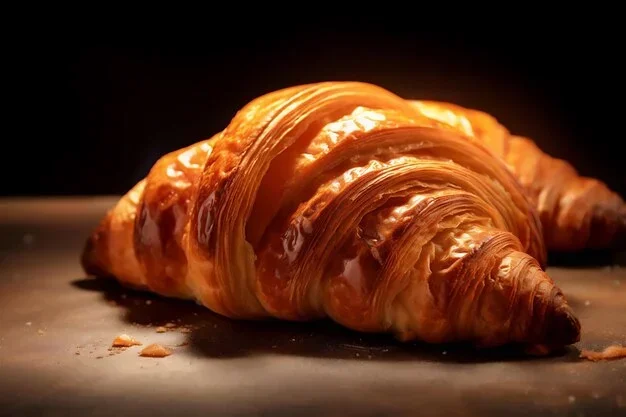
Croissants are made of layered dough and butter. When you heat croissant properly, the butter melts between the layers. This creates that signature crispy texture and airy inside. If the heat is too high, the butter burns before the layers can puff up. If it is too low, the croissant stays flat and dense.
The key is a medium oven temperature that warms the pastry slowly. This gives the butter time to do its job. You get a warm croissant with a shattering crust and soft, buttery inside. That is the goal every time.
Oven Vs Microwave For Reheating Croissants
A quick comparison helps make the case clear. Here is how the two methods stack up for reheating croissants:
- Oven: Restores crispiness, keeps layers flaky, takes 5 to 10 minutes, and gives the best results.
- Microwave: Heats quickly but makes the pastry soggy, destroys layers, and dries out the inside.
- Toaster: Works okay for single croissants but can burn the edges unevenly.
As you can see, the oven wins for quality and control. It takes a few extra minutes, but the result is worth it. If you want freshly baked quality from leftovers, the oven is the way to go.
The Best Oven Temperature For Heating Croissants
Getting the oven temperature right is the most important step. Too hot and you burn the outside before the inside warms up. Too cool and the croissant turns chewy instead of crispy. The sweet spot is around 350 degrees Fahrenheit (175 degrees Celsius).
This temperature is hot enough to crisp up the pastry crust but gentle enough to warm the inside evenly. It also prevents the butter from burning. Whether you are warming croissants from room temperature or straight from the fridge, 350 degrees works perfectly.
Temperature Guide For Different Croissant States
Not all croissants are the same when you start. Here is a quick guide based on how your croissant leftovers are stored:
- Room temperature croissants: Heat at 350 degrees for 3 to 5 minutes. They warm fast and stay soft.
- Refrigerated croissants: Heat at 350 degrees for 5 to 7 minutes. The extra time brings them back to life.
- Frozen croissants: Heat at 350 degrees for 8 to 10 minutes. You may want to thaw them first for even heating.
These times give you a golden brown result every time. Always keep an eye on them in the last two minutes. Every oven runs a little differently, so adjust as needed.
Why Low And Slow Works For Pastry
Low and slow heat is the secret to great reheated croissants. When you use a moderate temperature, the heat reaches the center without overcooking the outside. This is especially important for butter croissants because butter has a low burning point.
A slow warm-up also lets steam escape from the dough. This keeps the crispy exterior intact. If you rush the process with high heat, steam gets trapped inside and makes the pastry soggy. Patience pays off when you are warming croissants in the oven.
Step By Step Guide To Heat Up Croissants In Oven
Now that you know the why, let me walk you through the how. This step by step guide works every time and gives you bakery-quality results at home.
Step 1: Preheat Your Oven
Start by preheating your oven to 350 degrees Fahrenheit. Do not skip this step. Putting a cold croissant in a cold oven leads to uneven heating and a soggy texture. Preheating ensures the oven is ready to go when the croissant goes in.
Give your oven at least 10 minutes to reach the right temperature. Most ovens beep or show a light when they are ready. While you wait, move on to the next step.
Step 2: Prepare The Croissant
Take your croissant leftovers out of the fridge or freezer. If they are frozen, let them thaw for about 15 minutes at room temperature. This helps them heat more evenly and prevents a cold center.
Place the croissant on an oven-safe tray or baking sheet. You can line the tray with parchment paper for easy cleanup. If you are reheating multiple croissants, space them apart so the heat flows around each one.
Step 3: Lightly Brush With Butter
This is a pro trick that makes a big difference. Use a soft brush and spread a thin layer of melted butter on top of the croissant. The butter adds moisture and helps the pastry crust turn golden and crispy.
You only need a small amount. Too much butter can make the croissant greasy. A light coating is all it takes to bring back that freshly baked look and flavor.
Step 4: Heat For The Right Amount Of Time
Place the tray in the preheated oven on the middle rack. Set a timer for 5 minutes. After 5 minutes, check the croissant. The exterior should look lightly golden and feel warm to the touch.
If it needs more heat, add 2 to 3 more minutes. Do not walk away from the oven during this time. Croissants can go from perfectly warm to overdone in seconds. Watch them closely in the last few minutes.
Step 5: Let It Cool Slightly
Once the croissant is warm and golden, take it out of the oven. Let it rest on the tray for 2 to 3 minutes. This allows the inside to settle and the layers to set. Cutting into it too soon can cause the filling or layers to fall apart.
After a brief rest, your warm croissant is ready to enjoy. The outside should be crispy and the inside should be soft and flaky. Serve it right away for the best experience.
Tips To Keep Croissants Crisp After Reheating
Getting the croissant warm is only half the battle. Keeping it crispy is just as important. These practical tips help you maintain that perfect crispy texture from oven to plate.
Use Parchment Paper Or A Wire Rack
Never place a croissant directly on a bare tray. The bottom can get soggy from trapped steam. Instead, use parchment paper or a wire rack. A wire rack lets air circulate around the entire pastry, which keeps all sides crispy.
If you only have a baking sheet, parchment paper makes a big difference. It creates a barrier that prevents moisture from building up underneath. This small change keeps your reheated croissants tasting fresh.
Do Not Cover The Croissant While Heating
Some people cover food with foil or a lid to keep it moist. Do not do this with croissants. Covering traps steam inside, which makes the flaky pastry layers soft and limp. You want the heat to circulate freely around the croissant.
Leave the croissant uncovered in the oven. The dry heat is what creates that beautiful crispy exterior. Trust the process and let the oven do its work.
Store Leftovers Properly For Next Time
How you store your croissants affects how well they reheat. Always keep leftover croissants in an airtight container at room temperature. If you need to store them longer, the fridge works but the freezer is best for preserving texture.
When storing in the fridge, wrap the croissant in foil first, then place it in a container. The foil helps retain moisture. When you are ready to reheat, take it out of the fridge and let it sit for a few minutes before putting it in the oven.
Add A Splash Of Water To The Oven Tray
This is a lesser-known trick that works wonders. Place a small oven-safe dish with a few tablespoons of water on the rack below the croissant. The steam helps keep the inside soft while the dry heat above crisps up the exterior.
This technique is often used by professional bakers. It gives you the best of both worlds: a crispy outside and a moist inside. Try it the next time you heat croissant in the oven and notice the difference.
Common Mistakes To Avoid When Reheating Croissants
Even with the best intentions, mistakes happen. Knowing what to avoid saves you from a disappointing croissant. Here are the most common errors people make when reheating croissants in the oven.
Using Too High A Temperature
The biggest mistake is cranking the oven up to 400 or 425 degrees. High heat burns the outside before the inside has a chance to warm. You end up with a burnt exterior and a cold center. Stick to 350 degrees for the best results.
If your oven runs hot, drop the temperature to 325 degrees and add a minute or two. It is better to go slow and check often. A perfectly warmed croissant is worth the extra attention.
Skipping The Preheat
Some people throw the croissant in a cold oven and turn the heat on. This leads to uneven heating and a chewy texture. Always preheat the oven first. The croissant needs to go into a hot environment to crisp up properly.
Preheating takes only 5 to 10 minutes. It makes a massive difference in the final result. Think of it as the foundation of a great reheated croissant.
Reheating For Too Long
Overheating dries out the croissant and makes it hard. Set a timer and check frequently. Most croissants only need 5 to 7 minutes at 350 degrees. Going beyond 10 minutes usually ruins the texture.
If you are unsure, start with less time. You can always add another minute. But you cannot undo an overcooked butter croissant. Stay near the oven and watch for that perfect golden brown color.
Reheating A Croissant With Fillings
Croissants with chocolate, almond paste, or cream fillings need extra care. These fillings can leak or burn if overheated. Use a slightly lower temperature of 325 degrees and reduce the time by a minute or two.
Check the filling before eating. It should be warm but not bubbling or oozing out. A gentle reheat preserves both the pastry crust and the filling inside. Take your time and enjoy the process.
Expert Tips For Perfectly Crispy Croissants Every Time
Here are some bonus tips from experienced bakers that take your reheated croissants to the next level. These small tweaks make a huge impact on the final result.
Use A Baking Stone Or Steel
A baking stone or steel absorbs moisture and radiates steady heat. Placing it in the oven while preheating creates a crispy bottom for your croissant. This is the same technique used in professional bakeries.
If you have one, place the stone on the lower rack and put the croissant on the upper rack. The heat rises and crisps the top while the stone crisps the bottom. It is a game changer for oven-baked pastries.
Rotate The Tray Halfway Through
Most home ovens have hot spots. Rotating the tray halfway through ensures even heating on all sides. Simply turn the tray 180 degrees at the halfway mark.
This small habit prevents one side from getting darker than the other. Your croissant will come out evenly golden brown with a consistent crispy texture all around.
Serve Immediately With A Compote Or Jam
A warm croissant tastes best when served right away. Pair it with fruit compote, jam, or a light glaze. The warmth brings out the buttery flavor and makes the flaky layers even more enjoyable.
If you need to hold the croissant for a few minutes, keep it on a wire rack. This prevents steam from building up on the bottom. A warm croissant served fresh is one of life’s simple pleasures.
How To Reheat Different Types Of Croissants
Not all croissants are plain butter. Different fillings and shapes need slightly different approaches. Here is how to handle the most common varieties.
Plain Butter Croissants
A classic butter croissant is the easiest to reheat. Follow the basic method: preheat to 350 degrees, place on a tray, and heat for 5 to 7 minutes. The butter layers crisp up beautifully with minimal effort.
Brushing with a little melted butter before reheating adds extra richness. This simple step brings back that freshly baked taste and smell. Plain croissants are forgiving and hard to mess up.
Chocolate Croissants (Pain Au Chocolat)
Chocolate croissants need a gentler approach. The chocolate can melt and leak if the heat is too high. Set your oven to 325 degrees and heat for 4 to 6 minutes.
Check the chocolate halfway through. It should be softened and warm, not fully melted or bubbly. A warm chocolate croissant is irresistible, but you need to watch it closely. The pastry crust should still be crispy around the chocolate.
Almond Croissants
Almond croissants have a frangipane filling and almond slices on top. These need a slightly lower temperature of 325 degrees and 5 to 6 minutes of heating. The almond topping can burn quickly, so keep an eye on it.
The goal is to warm the frangipane filling without browning the almonds too much. A perfectly reheated almond croissant has a warm, creamy filling and a crispy top. It is worth the extra attention.
Ham And Cheese Croissants
Savory croissants with ham and cheese are delicious when reheated properly. Use 350 degrees for 5 to 7 minutes. The cheese should melt gently and the ham should stay moist.
If the cheese is not melting enough, cover the croissant loosely with foil for the first 3 minutes. Then remove the foil for the remaining time to crisp up the exterior. This trick gives you a warm, gooey croissant with a crispy outside.
Key Takeaways
- The oven is the best method for reheating croissants because it restores crispiness and keeps the flaky layers intact.
- Always preheat to 350 degrees Fahrenheit before placing the croissant inside for even, gentle heating.
- Brush with melted butter before reheating to enhance the golden, crispy exterior and add moisture.
- Use parchment paper or a wire rack to prevent the bottom from getting soggy from trapped steam.
- Avoid the microwave whenever possible, as it makes croissants soggy and ruins the pastry texture.
- Watch the croissant closely in the last few minutes to prevent overbaking and maintain the perfect crispy texture.
- Different croissant types need slight adjustments in temperature and time, especially those with chocolate or almond fillings.
Frequently Asked Questions
Can I reheat croissants in the oven without making them soggy?
Yes, you can. The key is to preheat the oven to 350 degrees and use parchment paper or a wire rack. Do not cover the croissant while heating. The dry, circulating heat keeps the pastry crust crispy and prevents moisture from building up underneath.
How long should I reheat a croissant in the oven?
It depends on the starting temperature. Room temperature croissants need 3 to 5 minutes. Refrigerated croissants need 5 to 7 minutes. Frozen croissants need 8 to 10 minutes at 350 degrees. Always check the croissant a couple of minutes before the timer goes off.
Is it better to reheat croissants in the oven or on the stove?
The oven is better for most people. It provides even heat all around the croissant and keeps the flaky pastry layers intact. A stove-top method can work but requires more attention and skill. The oven is the easiest and most reliable way to get a crispy exterior every time.
Can I reheat croissants straight from the freezer?
Yes, you can. It is best to thaw the croissant leftovers at room temperature for 15 minutes first. This helps them heat more evenly. If you reheat from frozen, add 2 to 3 extra minutes at 350 degrees. Check for a golden brown color and a warm center before serving.
Why did my reheated croissant turn out hard and dry?
This usually happens when the oven temperature is too high or the heating time is too long. High heat dries out the pastry crust and makes it hard. Stick to 350 degrees and check the croissant frequently. Brushing with a little butter before reheating also helps retain moisture.
Can I reheat a croissant with fillings like chocolate or cheese?
Yes, but you need to be more careful. Lower the temperature to 325 degrees and reduce the time by a minute or two. Chocolate can leak and cheese can overheat if you are not careful. The goal is to warm the filling gently while keeping the croissant crispy on the outside.
=== CONCLUSION ===
Heating up croissants in the oven is simple once you know the right method. The secret is a moderate temperature, a little patience, and attention to detail. With 350 degrees and 5 to 7 minutes, you can bring any croissant back to life. The crispy exterior and soft, buttery inside will taste almost as good as fresh from the bakery.
Remember to avoid the microwave, use parchment paper, and always watch your reheated croissants closely in the final minutes. These small steps make a huge difference in texture and flavor. Whether you are warming a plain butter croissant or one filled with chocolate, the oven delivers consistent, delicious results.
Now that you know how to heat up croissants in oven and keep them crispy, you never have to settle for stale pastry again. Try these tips today and taste the difference for yourself. A warm, crispy croissant is always worth the effort.