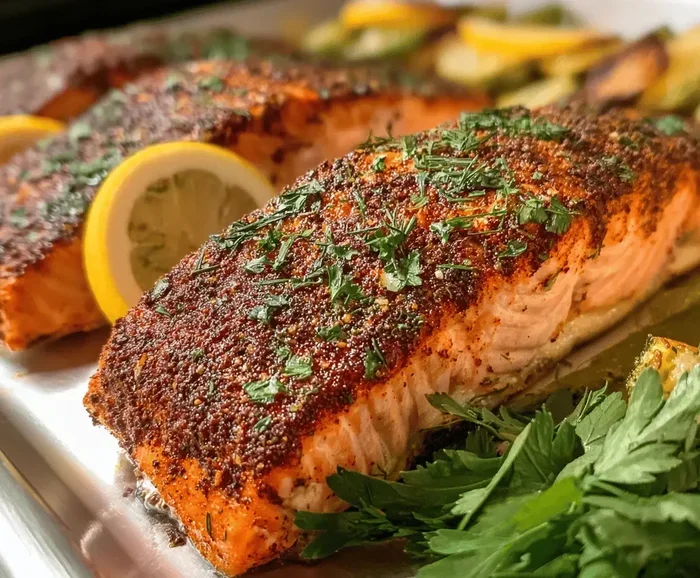
How To Slow Cook Salmon In Oven For Juicy Perfection
Learning how to slow cook salmon in oven is the easiest way to get perfectly tender, juicy salmon every single time. This low-temperature method keeps the fish moist and flaky while letting you walk away and focus on other things. Whether you are a beginner or a seasoned cook, this guide will give you all the tips and tricks you need for restaurant-quality salmon at home.
There is something truly special about pulling a beautiful piece of salmon fillet out of the oven and knowing it turned out perfectly. The skin is lightly crispy. The inside is tender, moist, and just slightly pink in the middle. It smells incredible. And the best part? You barely had to do anything.
If you have ever overcooked salmon before, you know how disappointing that can be. The fish turns dry, chalky, and loses all its flavor. That is exactly why how to slow cook salmon in oven has become such a popular method. It takes the guesswork out of cooking fish and gives you consistent, amazing results every time.
Slow cooking salmon in the oven uses low heat over a longer period. This gentle approach lets the fish cook evenly from edge to center. The proteins relax slowly. The fats render down. The moisture stays locked inside. You end up with flaky salmon that practically melts on your tongue.
In this guide, I will walk you through everything you need to know. From picking the right fillet to choosing the best seasonings. From setting your oven temperature to knowing exactly when your salmon is done. By the end, you will never go back to high-heat methods again.
Key Takeaways
- Low and slow is the secret: Cooking salmon at a low temperature keeps it juicy and prevents drying out.
- Internal temperature matters: Aim for 125°F to 130°F for perfectly tender slow cooked salmon.
- Seasoning is simple: A few quality ingredients like olive oil, lemon, and fresh herbs go a long way.
- Pat the fish dry first: This step helps create a lightly crispy skin while keeping the inside moist.
- Rest the salmon after cooking: Letting it sit for a few minutes locks in juices and improves texture.
- You can prep ahead: Oven baked salmon reheats beautifully, making it great for meal prep.
- Versatile and healthy: This method works with any salmon recipe and pairs with endless sides.
📑 Table of Contents
Why Slow Cooking Salmon In Oven Is A Game Changer
The Low And Slow Method Explained
When you slow roast salmon, you are cooking it at a temperature much lower than traditional methods. Most oven-baked salmon recipes call for 400°F or higher. But with the low and slow approach, you drop that temperature down to around 225°F or 250°F. The fish then cooks gently over 20 to 30 minutes depending on thickness.
This might sound unusual at first. After all, most people are used to cranking up the heat to get dinner on the table fast. But here is the thing — high heat is actually the enemy of moist salmon. When the oven temperature is too high, the outer layers of the fish cook too quickly. The inside stays underdone while the outside becomes overcooked and chalky.
Low and slow cooking solves this problem completely. The heat penetrates evenly. The fish cooks from edge to center at the same pace. You get a uniform texture throughout. The result is tender salmon that is juicy and flavorful in every bite.
Benefits Over High Heat Cooking
There are several real advantages to using the low temperature salmon method over traditional high-heat roasting:
- More consistent results: You eliminate the dry edges and raw center problem that plagues many home cooks.
- Better moisture retention: The gentle heat allows the fish to hold onto its natural juices much better.
- Easier timing: There is a wider window where your salmon is perfectly done. You do not need to pull it out at the exact right second.
- Hands-off cooking: Once the salmon is in the oven, you can prepare sides, set the table, or relax.
- Crispy skin without effort: The low heat slowly renders the skin fat, creating a light crunch without burning.
- Great for meal prep: Oven baked salmon reheats well, so you can cook a batch and enjoy it over several meals.
Once you try this method, you will wonder why you ever cooked salmon any other way. It is genuinely one of the simplest and most reliable techniques for home cooks.
What You Need: Ingredients And Equipment
Choosing The Right Salmon Fillet
Not all salmon is created equal. If you want the best results from your slow cooked salmon, start with quality fish. Here is what to look for at the store or fish market:
- Freshness matters: Look for bright-colored flesh with a clean, ocean-like smell. Avoid anything that looks dull or smells fishy.
- Skin-on fillets work best: The skin protects the fish during slow cooking and becomes wonderfully crispy.
- Uniform thickness: Try to pick fillets that are even in thickness. This ensures the fish cooks evenly throughout.
- Wild-caught vs. farmed: Both work well. Wild-caught tends to be leaner with a richer flavor. Farmed salmon has more fat, which keeps it extra moist during slow cooking.
- Skinless is okay too: If you prefer, you can use skinless fillets. Just be extra careful with timing since there is less protection.
A standard 6-ounce fillet about one inch thick is the perfect size for most ovens. You can easily adjust the recipe for larger or smaller pieces.
Essential Seasonings And Marinades
The beauty of how to slow cook salmon in oven is that the gentle cooking lets the natural flavor of the fish shine. But a few well-chosen seasonings take it to the next level. Here are some simple combinations that work beautifully:
- Classic simple: Olive oil, sea salt, black pepper, and a squeeze of fresh lemon juice.
- Herb garden: Fresh dill, parsley, and garlic mixed with olive oil and a pinch of salt.
- Asian-inspired: Soy sauce, sesame oil, fresh ginger, and a touch of honey.
- Mediterranean: Olive oil, lemon zest, oregano, and thinly sliced garlic.
- Smoky and bold: Smoked paprika, cumin, garlic powder, and a drizzle of maple syrup.
Keep it simple. You do not need a long ingredient list to make amazing salmon dinner ideas. Three or four quality ingredients often outperform a complicated marinade. The slow cooking process does most of the work for you.
Equipment You Will Need
You do not need any special tools to slow cook salmon in oven. Here is what you likely already have in your kitchen:
- A rimmed baking sheet or a small oven-safe dish
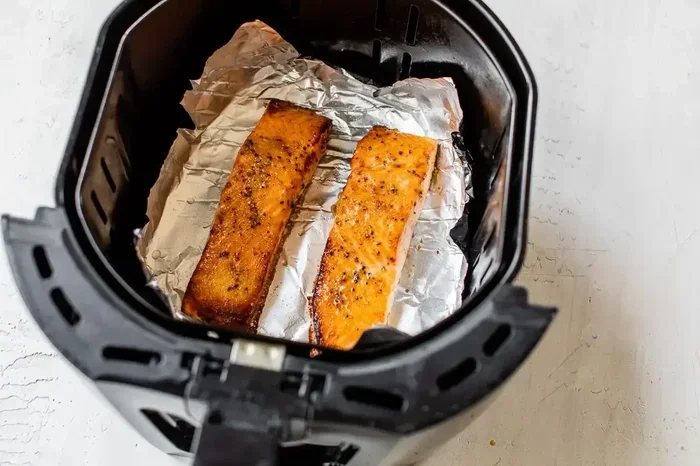
- Parchment paper or aluminum foil for easy cleanup
- A wire rack (optional but helpful for even air circulation)
- A reliable instant-read thermometer (this is the single most important tool)
- A spatula for gentle handling
That is it. No fancy equipment needed. The simplicity of this method is part of what makes it so appealing.
Step By Step Guide To Slow Cook Salmon In Oven
Preparing Your Salmon
Start by taking your salmon fillet out of the refrigerator about 15 to 20 minutes before cooking. Let it come closer to room temperature. This small step helps the fish cook more evenly and reduces the overall cooking time.
Next, pat the fillet completely dry with paper towels. This might seem like a small detail, but it makes a big difference. Dry skin crisps up better in the oven. It also helps the seasonings stick to the surface instead of sliding off.
Place your salmon on a piece of parchment paper or lightly oiled foil. If you are using a wire rack, set it over a baking sheet and place the salmon on top. The rack allows hot air to circulate around the entire fillet, which promotes even cooking and helps the skin get crispy.
Now add your seasonings. Drizzle olive oil over the top, then sprinkle with salt, pepper, and any herbs or spices you have chosen. Gently rub the oil and seasonings into the flesh with your fingers. Let the salmon sit for a few minutes while you preheat your oven.
Setting The Oven Temperature
Here is where the magic happens. Preheat your oven to 225°F to 250°F. This is significantly lower than most oven roasted salmon recipes call for, and that is exactly the point.
If your oven runs hot, set it to 225°F. If it runs cool or you have an older oven, 250°F works well. The goal is a gentle, steady heat that cooks the fish slowly without drying it out.
Place the salmon in the oven on the middle rack. If you are using a wire rack, position it in the center of the oven. Make sure nothing is blocking the airflow around the fillet.
Timing Is Everything
For a standard 6-ounce fillet that is about one inch thick, plan on 25 to 35 minutes of cooking time. Thinner fillets may be done in as little as 20 minutes. Thicker pieces could need up to 40 minutes.
Here is a helpful reference for salmon cooking time based on thickness:
- Half-inch thick: 15 to 20 minutes
- Three-quarter inch thick: 20 to 25 minutes
- One inch thick: 25 to 35 minutes
- One and a half inch thick: 35 to 45 minutes
The most reliable way to check doneness is with an instant-read thermometer. Insert it into the thickest part of the fillet. You are looking for an internal temperature of 125°F to 130°F for a slightly translucent, buttery center. This is the sweet spot for juicy salmon recipe results.
If you prefer your salmon more well-done, you can cook it to 135°F or 140°F. Just know that the fish will be less moist at those temperatures. The lower you keep the internal temp, the more tender and juicy your result will be.
Remember that the salmon continues to cook slightly after you remove it from the oven. This is called carryover cooking. Factor that in when checking the temperature. Pulling the fish out at 125°F will result in a final temp of about 130°F to 132°F.
Best Seasoning Combinations For Slow Cooked Salmon
Classic Herb Flavors
Fresh herbs and slow cooked salmon are a match made in heaven. The low heat allows herb flavors to infuse gently into the fish without burning or turning bitter. Here are three herb combinations that never disappoint:
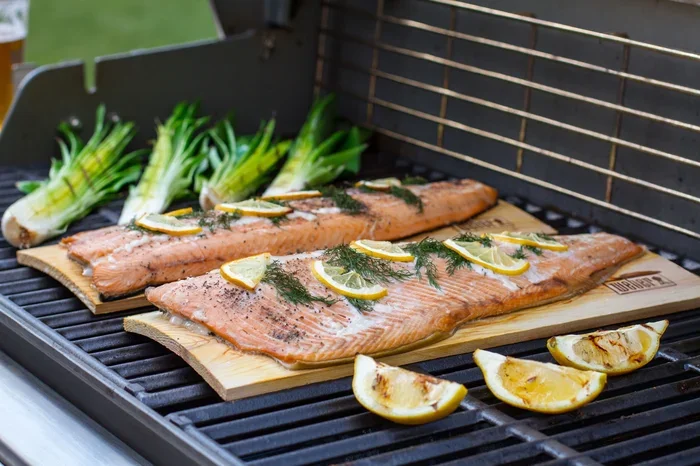
- Dill and lemon: Fresh dill fronds, lemon zest, olive oil, and sea salt. This is the quintessential salmon pairing and it works beautifully with the slow cook method.
- Thyme and garlic: Fresh thyme sprigs, minced garlic, olive oil, and a touch of black pepper. The garlic becomes mellow and sweet during the long cook.
- Rosemary and brown butter: Brush the salmon with brown butter and sprinkle with chopped fresh rosemary before cooking. The result is rich and deeply flavorful.
Bold And Spicy Options
If you like more flavor, do not be afraid to get creative with your salmon seasoning ideas. The slow cooking method actually works well with bolder flavors because the low heat prevents spices from burning:
- Harissa and honey: Spread a thin layer of harissa paste mixed with honey over the salmon. The heat from the harissa mellows during cooking and creates a beautiful glaze.
- Gochujang glaze: Mix gochujang paste with soy sauce, rice vinegar, and a little brown sugar. Brush it on during the last 10 minutes of cooking.
- Cajun spice rub: Paprika, cayenne, garlic powder, onion powder, thyme, and oregano. This creates a smoky, flavorful crust on the salmon skin.
When using wet marinades or glazes, apply them lightly. The slow cooking process concentrates flavors naturally. A little goes a long way with healthy salmon recipe options like these.
Common Mistakes To Avoid
Overcooking Your Salmon
The number one mistake people make when cooking salmon fillet in the oven is overcooking it. This is especially true with high-heat methods where the window between perfect and overdone is very narrow.
With the slow cook method, you have a much wider window. But you can still overcook. The signs of overdone salmon include:
- Bright, opaque pink color throughout (no translucency in the center)
- Firm texture that flakes apart aggressively
- Dry, chalky appearance when you cut into it
- Loss of the natural fatty sheen on the surface
The best way to avoid this is to use a thermometer and pull the salmon out when it reaches 125°F to 128°F. Trust the process. The carryover heat will bring it up to the perfect 130°F to 132°F.
Skipping The Rest Period
Once your slow roast salmon comes out of the oven, resist the urge to cut into it immediately. Let it rest for 3 to 5 minutes on the pan. During this time, the juices redistribute throughout the fillet. The temperature equalizes. And the texture becomes more uniform.
Skipping the rest period means the juices will run out onto your cutting board instead of staying in the fish. That is juicy salmon lost. A few minutes of patience makes a noticeable difference in the final result.
Using Too Much Oil Or Seasoning
Another common mistake is adding too much olive oil or seasoning. The slow cooking method concentrates flavors over time. If you start with too much, the end result can be overly salty or greasy. Less is more here. A light coating of olive oil and a modest amount of seasoning is all you need.
Serving Ideas And Pairings
Side Dishes That Complement Salmon
Slow cooked salmon pairs beautifully with a wide variety of sides. Here are some of my favorite combinations for a complete salmon dinner:
- Roasted asparagus: Toss asparagus with olive oil, salt, and garlic. Roast on the same sheet pan as the salmon for an effortless one-pan meal.
- Lemon herb rice: Fluffy rice cooked with lemon zest and fresh parsley makes a light, refreshing base for the rich salmon.
- Garlic mashed potatoes: Creamy, buttery mashed potatoes are the ultimate comfort food pairing for any salmon dish.
- Simple green salad: Arugula, cherry tomatoes, cucumber, and a light vinaigrette. The peppery arugula cuts through the richness of the salmon perfectly.
- Roasted vegetables: Zucchini, bell peppers, and cherry tomatoes roasted with olive oil and herbs make colorful, healthy sides.
Making It A Complete Meal
If you want to turn your oven baked salmon into a full dinner, think about adding a sauce or topping. A simple lemon-dill yogurt sauce adds creaminess without heaviness. A drizzle of honey-mustard glaze gives it a sweet and tangy kick. Even a dollop of pesto on top transforms the dish into something special.
For a more substantial meal, serve the salmon over a bed of grains like quinoa or farro. Add some roasted vegetables and a drizzle of tahini. You have a balanced, nutritious, and incredibly delicious dinner on the table in under an hour.
Meal prep is another great advantage of this method. Cook a batch of slow cooked salmon on Sunday and use it throughout the week. It works beautifully in salads, wraps, pasta dishes, and grain bowls. The flavor actually improves as the salmon sits and absorbs the seasonings.
Expert Tips For Perfect Slow Cooked Salmon Every Time
Here are some pro tips that will take your salmon recipe oven results from good to great:
- Buy skin-on fillets whenever possible. The skin acts as a protective layer during slow cooking and becomes deliciously crispy.
- Invest in a good instant-read thermometer. This single tool will transform your cooking. You will never wonder if the salmon is done again.
- Do not overcrowd the pan. Give each fillet space so hot air can circulate freely. This is especially important when cooking multiple pieces.
- Add a splash of liquid to the pan if you are cooking for longer. A tablespoon of white wine, lemon juice, or broth in the bottom of the pan creates steam that keeps the environment moist.
- Let the salmon rest before serving. Five minutes on the pan makes a real difference in juiciness and texture.
- Experiment with different salmon varieties. Coho, king, and sockeye salmon all respond differently to slow cooking. Each has its own unique flavor and texture profile.
How To Slow Cook Salmon In Oven is really about trusting the process. The low temperature does the heavy lifting. Your job is simply to prepare the fish well, set the right temperature, and check for doneness at the right time. Once you get the rhythm down, you will make perfect salmon without even thinking about it.
The best part about this method is how forgiving it is. Unlike high-heat cooking where timing is critical, slow cooking gives you a comfortable window. If you get distracted and the salmon sits in the oven for an extra five minutes, it will probably still turn out great. That flexibility makes this method perfect for busy weeknights when you want a healthy, delicious meal without stress.
Give this technique a try this week. Pick up a fresh salmon fillet, keep your seasonings simple, and set your oven to a low temperature. Walk away and let the oven do the work. When you pull that salmon out and see how perfectly cooked it is, you will understand why so many people are switching to this method. Slow cooked salmon is a game changer for weeknight dinners, weekend meals, and everything in between.
The juicy salmon recipe results you get from low and slow cooking are hard to replicate with any other method. The texture is superior. The flavor is cleaner and more pronounced. The process is effortless. Once you start making oven roasted salmon this way, you will never look back.
So next time you are craving a healthy salmon recipe that feels special, remember: low temperature, patience, and a thermometer. That is all you need for perfectly cooked salmon that will impress everyone at your table.
Frequently Asked Questions
Can I slow cook frozen salmon in the oven?
Yes, you can, but you will need to increase the cooking time significantly. Thaw the salmon first for best results, as frozen fish cooks unevenly and can release excess water during the slow cook process. If you must cook from frozen, add at least 15 to 20 extra minutes and check the internal temperature carefully.
What is the best internal temperature for slow cooked salmon?
The ideal internal temperature is 125°F to 130°F for a slightly translucent, buttery center. This is considered medium-rare and produces the most tender and juicy result. If you prefer your salmon more cooked, 135°F is the upper end for still maintaining moisture.
How long does it take to slow cook salmon at 225°F?
For a standard 6-ounce fillet that is one inch thick, expect about 30 to 35 minutes at 225°F. Thinner fillets will be done sooner, while thicker pieces may need up to 45 minutes. Always use a thermometer to check for doneness rather than relying solely on time.
Why is my slow cooked salmon dry?
Dry salmon usually means it was cooked too long or at too high a temperature. Overcooking is the most common cause. Make sure you are pulling the salmon out at 125°F to 130°F and letting it rest for a few minutes. Also, check that your oven temperature is accurate with an oven thermometer.
Can I use this method for salmon with the skin removed?
Absolutely. Skinless salmon works well with the slow cook method too. The cooking time will be similar, but you may want to be a bit more careful with timing since the skin normally provides some insulation. The fish may dry out slightly faster without the skin.
Is slow cooked salmon healthy?
Yes, salmon is one of the healthiest proteins you can eat. It is rich in omega-3 fatty acids, high-quality protein, and essential vitamins like B12 and D. The slow cooking method preserves these nutrients well and does not require added fats, making it a great choice for a healthy diet.
=== CONCLUSION ===
How To Slow Cook Salmon In Oven is one of the simplest and most rewarding techniques you can learn in the kitchen. It gives you tender, juicy, flaky salmon with minimal effort and maximum flavor. The low and slow approach takes all the stress out of cooking fish and delivers consistent results every single time.
You now have everything you need to make perfect slow cooked salmon at home. You know how to pick the right fillet. You understand the importance of low temperature and proper timing. You have seasoning ideas for every taste preference. And you know the common mistakes to avoid.
The key is to keep it simple, trust the process, and use a thermometer. Once you experience how good slow roasted salmon can be, you will wonder why you ever cooked it any other way. So go ahead, give it a try, and enjoy the delicious results.