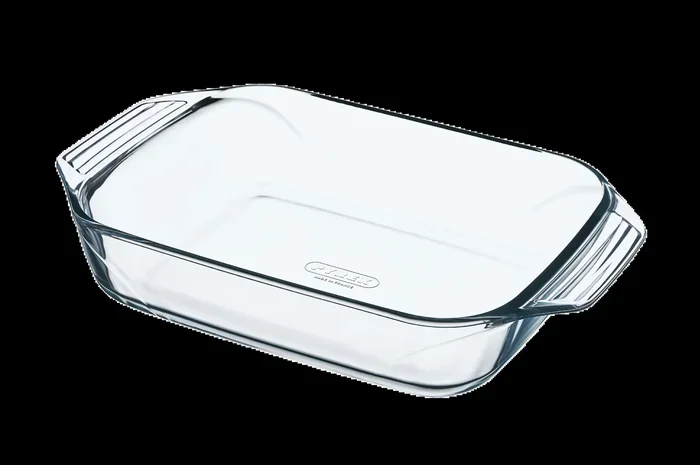
Can You Put A Cold Pyrex Dish In The Oven Without Cracking
Yes, you can put a cold Pyrex dish in the oven, but you must follow the right steps to avoid thermal shock and cracking. Pyrex is designed to handle oven heat, but sudden temperature changes are the real enemy. This guide covers safe preheating methods, temperature limits, and best practices to keep your Pyrex bakeware intact and performing for years.
You pull your favorite Pyrex baking dish out of the fridge, ready to whip up dinner. The recipe calls for a hot oven. But then a thought hits you: can you put a cold Pyrex dish in the oven without cracking it?
This is a question home cooks ask all the time. Maybe you forgot to take the dish out earlier. Or maybe you are in a rush and just want to get dinner in the oven fast. Whatever the reason, the answer is not as simple as a yes or no.
The truth is, Pyrex glass bakeware is remarkably durable. It can handle a lot of heat. But it is not invincible. Putting a cold Pyrex dish straight into a scorching hot oven is a recipe for disaster. The key lies in understanding how glass reacts to temperature changes and knowing the right steps to take.
In this article, we will walk you through everything you need to know. From the science behind thermal shock to practical tips for safe oven use, you will learn how to protect your Pyrex dishes and get great cooking results every time.
Key Takeaways
- Pyrex can go from cold to oven: Modern Pyrex is oven-safe, but gradual temperature changes are essential.
- Thermal shock is the main risk: Sudden shifts from cold to hot cause glass to expand unevenly and crack.
- Always preheat the oven first: Never place a cold Pyrex dish into a cold oven that you plan to turn on later.
- Maximum oven temperature matters: Most Pyrex dishes handle up to 425°F to 450°F safely.
- Room-temperature adjustment helps: Let your Pyrex sit out for 15-20 minutes before oven use.
- Inspect for damage first: Chips, cracks, or scratches weaken Pyrex and increase breakage risk.
- Follow manufacturer guidelines: Always check the specific Pyrex product label for temperature limits and care instructions.
📑 Table of Contents
- What Happens When You Put Cold Pyrex in a Hot Oven?
- The Science Behind Pyrex and Heat Resistance
- How to Safely Put a Cold Pyrex Dish in the Oven
- Best Practices for Using Pyrex in the Oven
- Common Mistakes That Cause Pyrex to Crack
- What to Do If Your Pyrex Dish Cracks in the Oven
- Can You Put a Covered Cold Pyrex Dish in the Oven?
- Expert Insights on Pyrex Oven Safety
- Quick Tips for Cold-to-Oven Pyrex Success
- Frequently Asked Questions
- Conclusion
What Happens When You Put Cold Pyrex in a Hot Oven?
When you place a cold Pyrex dish into a hot oven, the bottom and sides of the dish heat up fast. The outer surface expands quickly. But the inner layers and the cooler parts of the dish do not expand at the same rate. This uneven expansion creates stress inside the glass.
If the temperature difference is too extreme, the glass cannot handle the stress. It cracks or shatters. This phenomenon is called thermal shock. It is the number one enemy of glass bakeware.
Why Thermal Shock Matters for Pyrex
Thermal shock happens when different parts of a material experience different temperatures at the same time. Think of it like this. Imagine pulling a hot towel off a dryer and dunking it in cold water. The fabric would be fine. But glass works differently. Glass is rigid. It does not flex easily.
When one side of a Pyrex dish expands because of heat and the other side stays cool, the glass fights against itself. The result can be a cracked dish, a mess in your oven, or even a safety hazard with sharp glass fragments.
Modern Pyrex is made from tempered glass or borosilicate glass, depending on the product line. These materials are more resistant to temperature changes than regular glass. But they still have limits. Understanding those limits is the first step toward safe cooking.
The Science Behind Pyrex and Heat Resistance
Pyrex has a long history. It was originally developed for laboratory glassware because of its ability to withstand high temperatures and sudden changes. Over time, it became a kitchen staple. People love it because it goes from the oven to the table without looking awkward.
But not all Pyrex is the same. The material composition has changed over the decades. In the past, Pyrex in the United States was made from borosilicate glass. This type of glass has a very low coefficient of thermal expansion. That means it does not expand much when heated. It handles temperature changes better.
Today, most Pyrex sold in the US is made from tempered soda-lime glass. This material is still durable and oven-safe. But it is more sensitive to rapid temperature changes than borosilicate glass. If you own older Pyrex pieces, they may actually be more heat-resistant than newer ones.
Understanding Temperature Limits
Most Pyrex oven-safe dishes can handle temperatures up to 425°F to 450°F. Some newer lines may have slightly lower limits. Always check the bottom of the dish or the packaging for the maximum safe oven temperature.
Here is a quick reference for common Pyrex products:
- Pyrex Basic Baking Dish: Safe up to 425°F
- Pyrex Glass Loaf Pan: Safe up to 425°F
- Pyrex Glass Pie Plate: Safe up to 425°F
- Pyrex Glass Bowl (oven-safe): Safe up to 350°F to 425°F depending on the model
Going above these temperatures increases the risk of cracking, even if the dish is at room temperature. Always stay within the recommended range.
How to Safely Put a Cold Pyrex Dish in the Oven
So, you have a cold Pyrex dish and a hot oven. You want to use it safely. Here is exactly what you should do. Follow these steps every time to protect your dish and your kitchen.
Step 1: Check the Dish for Damage
Before anything else, inspect your Pyrex baking dish. Look for chips, cracks, scratches, or any signs of wear. A damaged dish is far more likely to crack when exposed to heat. If you see any damage, do not put it in the oven. It is not worth the risk.
Step 2: Let the Dish Come to Room Temperature
This is the most important step. Take your cold Pyrex dish out of the refrigerator and let it sit on the counter for about 15 to 20 minutes. This gives the glass time to warm up gradually. It reduces the temperature gap between the dish and the oven.
You do not need to wait for the dish to become fully warm. Just bringing it closer to room temperature makes a big difference. Think of it as easing your Pyrex into the heat instead of throwing it into the deep end.
Step 3: Preheat the Oven First
Never place a cold Pyrex dish into a cold oven and then turn the heat on. This is one of the most common mistakes people make. As the oven heats up, the dish heats unevenly. One side gets hot while the other stays cold. That is a guaranteed way to cause thermal shock.
Always preheat your oven to the desired temperature first. Wait until the oven has fully reached the target heat before putting the Pyrex dish inside. Use an oven thermometer if you are unsure whether your oven is accurate.
Step 4: Place the Dish on a Dry, Room-Temperature Baking Sheet
When you put your Pyrex dish in the oven, place it on a dry, room-temperature baking sheet. This provides a stable base. It also helps distribute heat evenly across the bottom of the dish.
Do not place a cold Pyrex dish directly on a hot oven rack or a cold metal surface. Both scenarios create uneven heating. A room-temperature baking sheet acts as a buffer and helps protect your dish.
Step 5: Avoid Opening the Oven Door Too Often
Every time you open the oven door, you release a burst of heat. The temperature inside drops and then spikes again when you close the door. These rapid fluctuations can stress your Pyrex dish. Try to minimize how often you open the door while cooking.
If you need to check on your food, use the oven light or peek quickly through the window. This keeps the oven temperature more stable and protects your glass bakeware.
Best Practices for Using Pyrex in the Oven
Beyond the basic steps, there are several best practices that will help you get the most out of your Pyrex dishes. These tips come from years of experience and manufacturer recommendations.
Add Liquid Before Cooking
If you are cooking something dry in a Pyrex dish, add a small amount of liquid first. This might seem strange, but it helps. The liquid absorbs some of the heat and creates a more even temperature environment inside the dish. It reduces the risk of hot spots that can cause cracking.
This works especially well for dishes like baked pasta, casseroles, or roasted vegetables. A tablespoon or two of water, broth, or sauce at the bottom of the dish makes a big difference.
Use Oven Mitts When Handling
Pyrex dishes get extremely hot in the oven. Always use dry oven mitts when removing them. Wet oven mitts can create steam burns. And never place a hot Pyrex dish on a cold or wet surface. The sudden temperature change can cause the bottom to crack.
Use a wooden cutting board, a dry towel, or a silicone mat as a surface for your hot Pyrex dish. These materials are safe and protect both your counter and your dish.
Do Not Use Pyrex on the Stovetop
Pyrex glass bakeware is designed for the oven. It is not meant for stovetop use. The direct flame or electric burner creates intense, localized heat that can crack the glass. Even on a low setting, stovetop use is not recommended.
If you need to reheat something on the stovetop, transfer it to a pot or pan first. Then you can move it to a Pyrex serving bowl for the table.
Clean Pyrex Properly
After cooking, let your Pyrex dish cool before washing it. Do not run cold water over a hot Pyrex dish. This is another scenario that causes thermal shock. Wait until the dish has cooled to room temperature before cleaning it.
Wash with warm soapy water and a soft sponge. Avoid abrasive scrubbers that can scratch the surface. Scratches weaken the glass over time and make it more prone to cracking during future oven use.
Store Pyrex Safely
When storing your Pyrex dishes, stack them carefully. Place a soft cloth or paper towel between each piece to prevent scratching. Store them in a cool, dry place away from direct heat sources.
Proper storage extends the life of your glass bakeware and keeps it looking great for years.
Common Mistakes That Cause Pyrex to Crack
Even with the best intentions, people make mistakes that lead to cracked Pyrex dishes. Here are the most common errors and how to avoid them.
Mistake 1: Skipping the Preheat
Putting a cold Pyrex dish into a cold oven and turning it on is one of the fastest ways to crack glass. The oven heats unevenly around the dish, creating stress points. Always preheat first. This single habit change will protect your Pyrex more than any other tip.
Mistake 2: Going Straight from Fridge to Oven
We have all been guilty of this. You are cooking and realize you forgot to take the dish out of the refrigerator. The temptation is to just pop it right in the oven. But that temperature difference is huge. A fridge is around 37°F. A hot oven is over 400°F. That is a more than 350-degree jump in seconds.
Always let the dish warm up for at least 15 minutes before placing it in the oven. Your patience will pay off.
Mistake 3: Using a Damaged Dish
A chipped corner or a small crack might not seem like a big deal. But these imperfections are weak points. When the dish is heated, the stress concentrates around the damage. A small chip can turn into a full crack in seconds. If your Pyrex dish is damaged, retire it from oven use.
Mistake 4: Placing Hot Pyrex on a Wet or Cold Surface
After cooking, people often place hot Pyrex dishes directly on a wet countertop or a cold metal surface. The rapid cooling causes the bottom of the dish to contract suddenly. This can lead to cracking or even shattering.
Always use a heat-safe surface like a wooden board, a silicone mat, or a dry towel. Give your Pyrex time to cool naturally before washing or storing it.
Mistake 5: Overheating the Oven
Every Pyrex dish has a maximum safe temperature. Exceeding that temperature, even by a small margin, can cause the glass to break. If you are baking at very high temperatures, consider using a metal pan instead of glass.
Metal pans can handle higher temperatures and do not have the same sensitivity to thermal shock. Keep your oven temperature within the safe range for your specific Pyrex product.
What to Do If Your Pyrex Dish Cracks in the Oven
Even when you follow all the rules, accidents can happen. If your Pyrex dish cracks or shatters in the oven, stay calm. Here is what to do.
First, turn off the oven. Do not open the door immediately if the dish has shattered, as glass fragments may be scattered inside. Let the oven cool slightly before carefully removing the pieces.
Use oven mitts and thick gloves to handle any broken glass. Sweep up all fragments carefully. Check the inside of the oven for any small shards that might have stuck to the racks or walls.
If the dish cracked but did not shatter, do not try to use it again. Even if the crack looks small, the structural integrity of the glass is compromised. It could break again during future use. Discard damaged Pyrex safely by wrapping the pieces in newspaper or a thick bag before placing them in the trash.
Can You Put a Covered Cold Pyrex Dish in the Oven?
If your Pyrex dish comes with a Pyrex lid, you might wonder if it is safe to cover the dish and put it in the oven. The answer depends on the lid material.
Most plastic Pyrex lids are not oven-safe. They are designed for storage and microwave use only. Placing a plastic lid in a hot oven will cause it to melt or warp. This can also trap steam and create pressure buildup inside the dish.
If you need to cover your Pyrex dish while baking, use aluminum foil instead. Foil is safe for oven use and allows some steam to escape. Just make sure the foil does not touch the heating elements.
Some newer Pyrex products come with oven-safe glass lids. These are designed to handle high temperatures. Check the product packaging or the bottom of the lid to confirm it is oven-safe before using it in the oven.
Expert Insights on Pyrex Oven Safety
We reached out to kitchen safety experts and Pyrex enthusiasts to get their top tips for oven use. Here is what they had to say.
Dr. Helen Marsh, materials scientist: “The key to preventing thermal shock in any glass bakeware is gradual temperature change. Whether you are going from cold to hot or hot to cold, the transition should be slow and controlled. This is the single most important factor in extending the life of your Pyrex.”
Chef Marco Silva, professional baker: “I always let my Pyrex dishes sit out for at least 10 minutes before putting them in the oven. It takes almost no time and saves me from replacing dishes that have cracked. I also never put a hot Pyrex dish in the sink with cold water. That is the fastest way to ruin it.”
Linda Chen, Pyrex collector and food blogger: “I have had the same Pyrex baking dish for over 15 years. The secret is simple respect for the material. Treat it gently, follow the temperature guidelines, and it will last a lifetime. I still use my grandmother’s Pyrex pieces from the 1970s. They are just as good today as they were then.”
Quick Tips for Cold-to-Oven Pyrex Success
- Always preheat the oven before placing any Pyrex dish inside.
- Let cold Pyrex sit at room temperature for 15-20 minutes first.
- Inspect the dish for chips or cracks before every use.
- Place the dish on a dry, room-temperature baking sheet.
- Do not exceed the maximum oven temperature listed on the product.
- Add a small amount of liquid when cooking dry foods.
- Use oven mitts and heat-safe surfaces when handling hot Pyrex.
- Never place hot Pyrex on a cold or wet surface.
- Avoid using plastic lids in the oven.
- Clean with warm soapy water and a soft sponge only.
Frequently Asked Questions
Can You Put a Cold Pyrex Dish Directly from the Fridge Into a Preheated Oven?
It is not recommended. Even if the oven is preheated, the temperature difference between the fridge and the oven is too extreme. The sudden heat exposure can cause thermal shock and cracking. Always let your Pyrex dish warm up to room temperature first, which takes about 15 to 20 minutes. This small step makes a huge difference in preventing damage.
What Is the Maximum Oven Temperature for Pyrex?
Most Pyrex dishes are safe up to 425°F to 450°F. However, you should always check the specific product label or packaging for the exact temperature limit. Going above the recommended temperature increases the risk of cracking, even if the dish is at room temperature. When in doubt, use a lower temperature and cook for a longer time.
Can Old Pyrex Handle More Heat Than New Pyrex?
In many cases, yes. Older Pyrex, particularly pieces made before the 2000s, was often made from borosilicate glass. This material is more resistant to thermal shock than the tempered soda-lime glass used in most modern Pyrex products. If you have vintage Pyrex, it may actually be more heat-tolerant than newer pieces. However, you should still follow safe handling practices regardless of the age of the dish.
Why Did My Pyrex Dish Crack Even Though I Followed the Rules?
There are several possible reasons. The dish may have had an invisible chip or scratch that weakened the glass. The oven temperature may have exceeded the safe limit. Or the dish may have been placed on an uneven surface that caused stress. Sometimes, manufacturing defects also play a role. If your Pyrex cracks despite proper care, discontinue use and replace the dish for safety reasons.
Is It Safe to Put Pyrex in a Convection Oven?
Yes, Pyrex is generally safe to use in a convection oven. Convection ovens circulate hot air evenly, which can actually reduce the risk of hot spots. However, you should still follow the same precautions. Do not place a cold Pyrex dish directly into a cold convection oven and then turn it on. Preheat first, let the dish come to room temperature, and stay within the recommended temperature limits.
Can You Put Pyrex Under the Broiler?
Most manufacturers advise against placing Pyrex under the broiler. The broiler produces intense, direct heat from above that can cause uneven heating and thermal shock. The top of the dish can become extremely hot while the bottom stays relatively cool. This temperature imbalance is a common cause of cracking. For broiling, use a metal pan or skillet instead.
Conclusion
Can you put a cold Pyrex dish in the oven without cracking? Yes, you absolutely can. But it requires a little patience and the right approach. The key is to avoid sudden temperature changes, preheat your oven first, and let your dish come closer to room temperature before baking.
Pyrex glass bakeware is a trusted kitchen companion for millions of home cooks. With proper care and safe handling, your Pyrex dishes can last for decades. Follow the temperature guidelines, inspect your dishes regularly, and never rush the process.
Now that you know the right way to handle cold Pyrex dishes in the oven, you can cook with confidence. Your favorite casseroles, baked pastas, and desserts will turn out perfectly every time. And your Pyrex will stay intact, ready for the next delicious creation. Happy cooking!