How To Preheat A Dutch Oven And Elevate Your Cooking
Preheating a Dutch oven is one of the simplest ways to improve your cooking. Whether you bake, sear, or slow cook, a properly preheated Dutch oven delivers even heat and amazing results. This guide shows you every method, tip, and mistake to avoid for Dutch oven preheating success.
Cooking with a Dutch oven is one of the most rewarding experiences in the kitchen. These heavy pots distribute heat beautifully and lock in moisture like nothing else. But here is the secret most beginners miss: how to preheat a Dutch oven properly makes a huge difference in your results.
Whether you are searing a steak, baking sourdough bread, or slow-cooking a stew, the way you heat your Dutch oven changes everything. A well-preheated pot gives you a perfect sear on meat, a crispy crust on bread, and evenly cooked meals every single time. In this guide, we will walk you through every method, tip, and common mistake to avoid. By the end, you will feel confident using your cast iron cookware like a pro.
Dutch oven preheating is not just a step in a recipe. It is a skill that transforms your cooking. Let us dive in and explore why it matters so much.
Key Takeaways
- Preheating Matters: A preheated Dutch oven sears meat better, bakes crusty bread, and cooks food more evenly.
- Multiple Methods Work: You can preheat on the stovetop, in the oven, or with a slow approach for different recipes.
- Cast Iron Needs Care: Always dry your Dutch oven fully and oil it after cleaning to keep it in top shape.
- Avoid Thermal Shock: Never plunge a cold Dutch oven into hot water or place it on a cold surface while hot.
- Size and Temperature Matter: Match your Dutch oven size to the recipe and always check your oven temperature settings.
- Practice Makes Perfect: Once you learn the basics, preheating becomes second nature and elevates every meal you make.
📑 Table of Contents
- Why Preheating Your Dutch Oven Matters
- Different Methods To Preheat A Dutch Oven
- Step-by-Step Guide To Preheat A Dutch Oven
- Common Mistakes To Avoid When Preheating
- Best Recipes That Benefit From Preheating
- Maintenance Tips To Keep Your Dutch Oven Ready
- Expert Tips To Elevate Your Dutch Oven Cooking
Why Preheating Your Dutch Oven Matters
Many people skip the preheating step. They toss food into a cold pot and hope for the best. But this simple habit can make or break your dish. When you preheat a Dutch oven, the walls and the lid absorb heat evenly. This creates a consistent cooking environment that cold pots simply cannot match.
Think of it like warming up before exercise. Your body performs better when it is ready. The same goes for your cookware. A warm Dutch oven reacts to food faster and more predictably.
Better Searing and Browning
One of the biggest benefits of preheating is a superior sear. When you place meat in a hot pot, the surface caramelizes quickly. This creates a flavorful crust called the Maillard reaction. Cold pots stall this process and leave your meat steaming instead of searing.
If you love a golden-brown crust on your steak or chicken, preheating is non-negotiable. The even heat distribution in cast iron ensures every part of the meat gets that beautiful brown color.
Improved Heat Retention
Dutch ovens are thick and heavy by design. This mass holds heat incredibly well. Once your pot reaches the right temperature, it stays there. This makes Dutch oven baking and slow cooking much more effective. You do not need to keep adjusting the heat on your stovetop or in the oven.
Perfect for Bread Baking
If you bake bread at home, you already know the magic of a Dutch oven bread recipe. Preheating the pot creates steam inside when the dough goes in. This steam keeps the crust soft while the bread expands. The result is a loaf with a crackly exterior and a soft, airy inside.
Different Methods To Preheat A Dutch Oven
There is no single right way to preheat. The best method depends on what you are cooking and what heat source you are using. Let us look at the most popular approaches.
Method 1: Stovetop Preheating
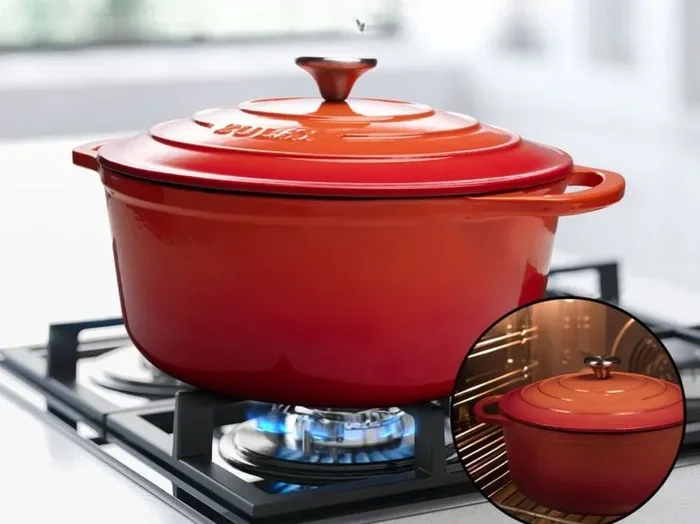
This is the most common way to preheat a Dutch oven. You place the empty pot on the burner and let it warm up gradually. Here is how to do it right.
- Start with a low to medium heat setting.
- Let the pot warm for about five to ten minutes.
- Check the temperature by hovering your hand a few inches above the surface.
- Add oil or fat once the pot is warm.
- Then place your food inside.
Stovetop preheating works great for searing and sautéing. It gives you direct control over the heat level. Just remember to stay near the stove. Cast iron gets hot fast and can burn you if you are not careful.
Method 2: Oven Preheating
Many Dutch oven recipes call for preheating the pot inside the oven. This method is ideal for baking bread, casseroles, and roasts. Here is what to do.
- Place your empty Dutch oven (with lid) on the middle oven rack.
- Set the oven to your target temperature.
- Wait at least twenty to thirty minutes for the pot to heat fully.
- Use oven mitts to remove the pot carefully.
- Add your food quickly and return the pot to the oven.
Oven preheating works wonders for Dutch oven baking. The enclosed space heats the pot from all sides. This creates that perfect steam environment for artisan bread. It also works beautifully for slow-cooking tough cuts of meat.
Method 3: The Slow Preheat
This gentle approach is perfect for beginners. You start with a cold pot and slowly increase the heat over time. This method reduces the risk of warping or cracking your cast iron cookware. It also gives you more even heating throughout the pot.
Simply place your food in the cold pot and turn the heat to low. Then gradually increase the temperature over fifteen to twenty minutes. This works well for stews, soups, and braises where you want a slow, gentle cook.
Comparison of Preheating Methods
| Method | Best For | Time Needed | Difficulty Level |
|---|---|---|---|
| Stovetop Preheating | Searing, sautéing, browning | 5-10 minutes | Easy |
| Oven Preheating | Baking bread, roasting, casseroles | 20-30 minutes | Medium |
| Slow Preheat | Stews, soups, braises | 15-20 minutes | Very Easy |
Step-by-Step Guide To Preheat A Dutch Oven
Now that you know the different methods, let us walk through a foolproof process. Follow these steps every time for consistent results.
Step 1: Check Your Pot
Before you start, inspect your Dutch oven. Make sure there are no cracks or chips in the enamel or seasoning. A damaged pot can affect heat distribution and even pose safety risks. Give it a quick wash and dry it completely if it is freshly cleaned.
Step 2: Choose Your Heat Source
Decide whether you will use the stovetop or the oven. Match your choice to the recipe you are following. For example, if you are making a crusty loaf of bread, the oven method is your best bet.
Step 3: Apply Heat Gradually
Never crank the heat to high right away. Start low and increase slowly. This prevents thermal shock, which can crack cast iron. Gradual heating also ensures the entire pot warms evenly, including the walls and the base.
Step 4: Test the Temperature
After five to ten minutes, test the heat. You can flick a few drops of water into the pot. If they sizzle and evaporate immediately, the pot is ready. If they just sit there and bubble, give it more time.
Step 5: Add Oil and Food
Once your pot is hot, add a thin layer of oil with a high smoke point. Avocado oil, grapeseed oil, or vegetable oil work great. Then place your food in the center of the pot and let the magic happen.
Common Mistakes To Avoid When Preheating
Even experienced cooks make mistakes with Dutch oven preheating. Here are the most common errors and how to fix them.
Skipping the Preheat Entirely
This is the number one mistake. Putting food in a cold pot leads to uneven cooking and poor browning. Always take the extra few minutes to preheat properly.
Overheating the Pot
Too much heat too fast can damage your cast iron cookware. It can also cause food to stick and burn. Always heat gradually and never leave an empty pot on high heat for too long.
Using the Wrong Oil
Not all oils handle high heat well. Olive oil has a low smoke point and can burn in a hot Dutch oven. Stick to oils that can handle temperatures above 450 degrees Fahrenheit for best results.
Adding Cold Food to a Hot Pot
While you want a hot pot, adding very cold or frozen food can cause sticking and uneven cooking. Let meat come to room temperature for about fifteen minutes before placing it in a hot Dutch oven.
Ignoring the Lid
The lid plays a big role in heat retention. When preheating, keep the lid on to trap heat and warm the inside of the pot evenly. This is especially important for oven preheating.
Using a Dutch Oven on Glass or Ceramic Surfaces
Cast iron is extremely heavy and can crack glass or ceramic stovetops. Always place your Dutch oven on a sturdy, heat-resistant surface like a gas burner, electric coil, or induction cooktop.
Best Recipes That Benefit From Preheating
Not all recipes need a preheated Dutch oven, but many of the best ones do. Here are some top recipes where preheating makes all the difference.
Sourdough Bread
Baking sourdough in a Dutch oven is a game-changer. The preheated pot creates instant steam when the dough goes in. This steam keeps the crust soft during the first phase of baking, allowing the bread to rise fully. Then the crust crisps up beautifully as the steam escapes. The result is a bakery-quality loaf at home.
Cast Iron Steak
A preheated Dutch oven gives you a restaurant-quality sear on any steak. The hot cast iron locks in juices and creates a caramelized crust on the outside while keeping the inside perfectly pink. Try this with a ribeye or New York strip for the best results.
Slow-Cooked Short Ribs
For tender, fall-off-the-bone short ribs, preheating the pot before adding the braising liquid helps build a rich fond on the bottom. This fond adds deep flavor to the entire dish. The even heat retention of cast iron keeps the temperature steady for hours.
One-Pot Chicken and Vegetables
A preheated Dutch oven sears the chicken pieces first, locking in moisture. Then you add vegetables and liquid and let everything cook together. The result is a flavorful one-pot meal with minimal cleanup.
Dutch Oven Pizza
Yes, you can make pizza in a Dutch oven! Preheating the pot with oil creates a crispy, golden crust that rivals a wood-fired oven. Add your sauce, cheese, and toppings, then cover with the lid for a perfect melt.
Maintenance Tips To Keep Your Dutch Oven Ready
A well-maintained Dutch oven preheats better and lasts for decades. Here are simple tips to keep your pot in excellent condition.
Clean After Every Use
Wash your Dutch oven with warm water and a mild soap after each use. For stuck-on food, soak it in warm water for a few minutes. Avoid harsh scrubbers that can damage the seasoning or enamel coating.
Dry It Completely
Moisture is the enemy of cast iron. Always dry your pot thoroughly after washing. You can even place it on a warm stove for a minute to remove any remaining moisture. This prevents rust and keeps your seasoned Dutch oven in great shape.
Oil After Cleaning
Apply a thin layer of oil to the inside of the pot after cleaning. Use a paper towel to spread it evenly. This maintains the seasoning and prevents food from sticking during your next cook.
Store With Care
Store your Dutch oven in a dry place. If you stack it with other pots, place a cloth or paper towel between them to prevent scratches. Keeping the lid slightly ajar allows air to circulate and prevents moisture buildup.
Re-Season When Needed
Over time, the seasoning on your cast iron may wear down. When you notice food sticking more than usual, it is time to re-season. Apply a thin layer of oil to the entire pot and bake it upside down in the oven at 450 degrees for one hour. This restores the non-stick surface and keeps your cast iron cookware performing at its best.
Handle With Care
Dutch ovens are heavy. Always use both hands and oven mitts when moving them. Never drop or bang the pot against hard surfaces. Treating your Dutch oven with respect ensures it lasts for generations.
Expert Tips To Elevate Your Dutch Oven Cooking
Want to take your Dutch oven cooking to the next level? Here are some pro tips from experienced cooks.
- Preheat with the lid on: This traps heat and warms the pot from all sides evenly.
- Use a thermometer: An oven thermometer helps you verify the actual temperature inside your oven, which may differ from what the dial shows.
- Let the pot cool naturally: Never plunge a hot Dutch oven into cold water. Let it cool down on its own to prevent cracking.
- Experiment with sizes: Dutch ovens come in different sizes, from 3-quart to 9-quart. Choose the size that fits your family and your recipes.
- Practice makes perfect: The more you use your Dutch oven, the better you will understand how it heats and behaves.
Dutch oven preheating is a simple practice that pays off in every meal. Once you make it a habit, you will notice better sears, more even cooking, and richer flavors in your dishes. Your Dutch oven is one of the most versatile tools in your kitchen, and treating it right makes all the difference.
The beauty of a Dutch oven lies in its simplicity. It does not need fancy gadgets or complicated techniques. Just a little patience and the right approach to preheating. Whether you are a beginner or a seasoned home cook, mastering this skill opens up a world of delicious possibilities.
So the next time you reach for your cast iron pot, remember these tips. Take the time to preheat properly. Your taste buds will thank you. And once you experience the difference, you will never skip this step again. Happy cooking!
Frequently Asked Questions
Do I need to preheat a Dutch oven before cooking?
Yes, preheating makes a big difference in how your food cooks. A hot pot gives you better searing, more even heat, and improved browning. It only takes a few extra minutes and elevates your cooking significantly.
Can I preheat an empty Dutch oven on the stovetop?
Absolutely. Preheating an empty Dutch oven on the stovetop is one of the most effective methods. Just start on low to medium heat and warm it for five to ten minutes before adding oil and food. This works great for searing meats and sautéing vegetables.
Is it safe to preheat a Dutch oven in the oven?
Yes, it is completely safe. Most Dutch ovens are oven-safe up to very high temperatures. Just make sure to use oven mitts when removing the hot pot. Oven preheating is especially great for baking bread and slow-cooking roasts.
How long should I preheat my Dutch oven?
The time depends on the method. On the stovetop, five to ten minutes is usually enough. In the oven, give it twenty to thirty minutes for full heat absorption. A slow preheat over fifteen to twenty minutes works best for gentle cooking methods like braising.
What happens if I put a cold Dutch oven on high heat?
This can cause thermal shock, which may crack or warp your pot. Cast iron needs gradual heating to expand evenly. Always start on low heat and increase slowly to protect your cast iron cookware and ensure even cooking.
Can I use my Dutch oven on an induction cooktop?
Yes, most cast iron Dutch ovens work perfectly on induction cooktops. The magnetic properties of cast iron make it compatible with induction heating. Just make sure the bottom of your pot is flat and smooth for best contact with the cooktop surface.
=== CONCLUSION ===
How to preheat a Dutch oven is a skill that every home cook should master. It is simple, fast, and makes a noticeable difference in your meals. Whether you choose the stovetop method, the oven method, or the slow approach, the key is to be patient and consistent.
Your Dutch oven is a long-term investment in great cooking. Treat it well, preheat it properly, and it will reward you with delicious meals for years to come. Start today, experiment with different methods, and watch your cooking improve with every meal. The path to better food begins with one simple step: preheating your Dutch oven the right way.
=== URL SLUG ===
how-to-preheat-a-dutch-oven
=== SEO TITLE ===
How To Preheat A Dutch Oven And Elevate Your Cooking
=== META TITLE ===
How To Preheat A Dutch Oven And Elevate Your Cooking
=== URL ===
how-to-preheat-a-dutch-oven-and-elevate-your-cooking