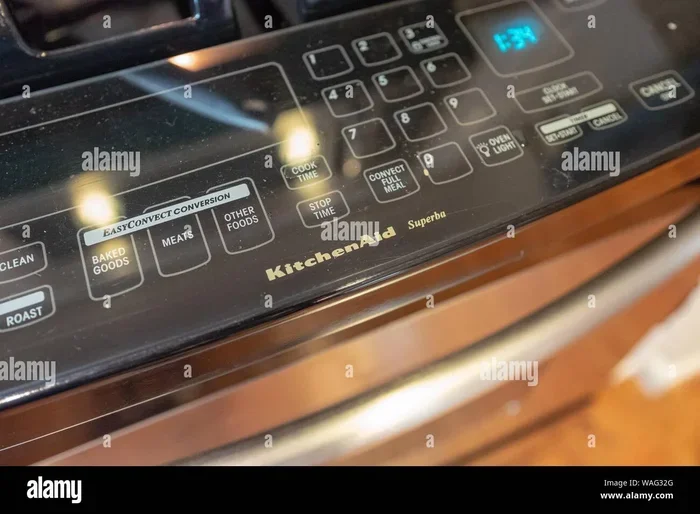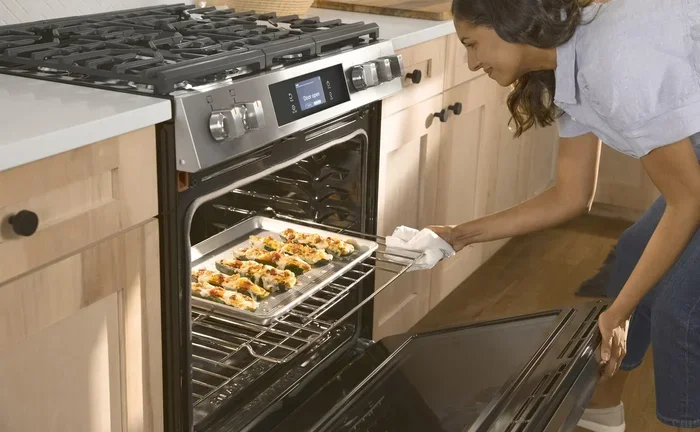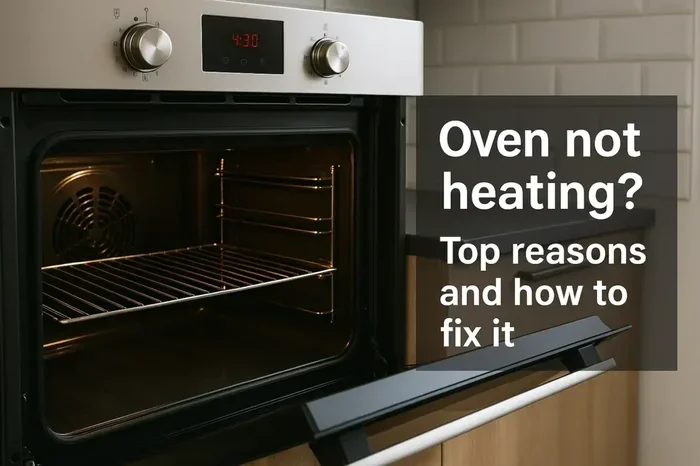
Oven Does Not Heat Common Causes and Easy Solutions
When your oven does not heat, it can ruin your meal and frustrate your day. This guide covers the most common causes behind oven heating failures, from simple fixes you can do yourself to issues that need a professional. You will learn how to diagnose the problem fast and get reliable solutions that actually work.
You preheat your oven. You set the temperature. You wait. And then it happens — nothing. Your oven does not heat, and dinner is falling apart. This is one of the most common appliance problems homeowners face, and it can happen to any oven, whether it is a gas model or an electric one.
The good news? Most of the time, the fix is simpler than you think. In this guide, we will walk through every possible reason your oven does not heat. We will cover easy DIY fixes, parts you can replace yourself, and the signs that mean you need a professional. By the end, you will know exactly what to do and how to get your oven back in action.
Before you panic or call a repair technician, take a breath. Many heating problems come down to a few common culprits. Let us find out what is going on and how to solve it.
Key Takeaways
- Heating elements fail often: A burned-out bake or broil element is the #1 reason an oven does not heat, and replacing it is usually straightforward.
- Temperature sensors matter: A faulty oven temperature sensor can cause inaccurate heating or complete heat failure.
- Thermal fuses can blow: This safety component shuts off power when it detects overheating, and it cannot be reset.
- Control boards control everything: A damaged oven control board can prevent heat from reaching the cavity.
- Regular maintenance helps: Cleaning your oven and checking components periodically prevents many heating issues.
- Know when to call a pro: Some oven problems require a qualified technician, especially gas line or wiring issues.
📑 Table of Contents
- Why Your Oven Does Not Heat: The Most Common Causes
- How to Test Your Oven Heating Element
- Easy Solutions to Fix an Oven That Does Not Heat
- Oven Maintenance Tips to Prevent Heating Problems
- When to Call a Professional
- Oven Heating Problems: Quick Comparison Table
- Final Thoughts on Fixing an Oven That Does Not Heat
Why Your Oven Does Not Heat: The Most Common Causes
When an oven stops producing heat, the root cause usually falls into one of several categories. Understanding these categories helps you narrow down the problem quickly. Here are the most frequent reasons an oven does not heat.
1. Burned-Out Bake Element
The bake element is the metal coil at the bottom of your oven. It glows red when the oven is heating. If your oven does not heat on the bake setting, the bake element is often the first thing to check.
Over time, the element can burn out. You might see visible damage like holes, blisters, or breaks in the coil. Sometimes the element looks fine on the outside but is broken on the inside. When this happens, electricity cannot flow through, and the oven stays cold.
How to test it: Turn off the power to your oven. Remove the element from the oven cavity. Use a multimeter to check for continuity. If there is no continuity, the element is dead and needs replacement. This is one of the easiest oven repair tasks you can do at home.
2. Faulty Broil Element
The broil element sits at the top of the oven. If you use the broil setting and your oven does not heat, the broil element could be the problem. Just like the bake element, it can burn out over time.
Check the broil element for visible damage. If you turn on the broil setting and the element does not glow orange, it is likely not working. A multimeter test will confirm whether the element has continuity.
Replacing a broil element is similar to replacing a bake element. Make sure the power is off before you start. Most broil elements are held in place with a few screws or brackets.
3. Broken Temperature Sensor
The oven temperature sensor is a small probe located inside the oven cavity. It tells the oven how hot it is and signals the control board to adjust the heat. If the sensor is faulty, the oven may not heat at all or may heat unevenly.
A broken sensor often causes the oven to display error codes on digital models. If you see codes like F1, F2, or F3, a sensor issue is very likely. You can test the sensor with a multimeter to check its resistance. If the reading is outside the normal range, replace the sensor.
4. Blown Thermal Fuse
The thermal fuse is a safety device that protects your oven from overheating. If the oven gets too hot, the fuse blows and cuts power completely. Once a thermal fuse blows, it cannot be reset. You must replace it.
A blown thermal fuse is a common reason an oven does not heat at all. The oven will show no signs of life — no lights, no fan, no heat. Check the fuse with a multimeter for continuity. If there is no continuity, replace the fuse.
Keep in mind that a thermal fuse usually blows for a reason. If you replace the fuse and it blows again, you have an underlying problem like a faulty fan or blocked ventilation. Always find the root cause before replacing the fuse.
5. Faulty Oven Control Board
The control board is the brain of your oven. It sends electrical signals to the heating elements and controls the temperature. If the control board fails, the oven may not heat on any setting.
Control board failures are less common than element failures, but they do happen. Signs of a bad control board include unresponsive buttons, erratic temperature behavior, and no response at all when you turn the oven on. Diagnosing a control board issue usually requires a professional, but you can rule out simpler causes first.
6. Wiring and Connection Issues
Loose or damaged wiring can prevent your oven from heating. Over time, the vibrations from the oven fan or the heat itself can loosen electrical connections. Corrosion can also build up on terminals, especially in humid kitchens.
If your oven does not heat and none of the above components are the problem, check the wiring. Look for burnt wires, loose connectors, or corroded terminals. Always disconnect the power before inspecting any wiring. If you are not comfortable working with electrical components, call a technician.
7. Gas Valve or Igniter Problems (Gas Ovens)
For gas ovens, a faulty igniter or gas valve can prevent the oven from heating. The igniter is responsible for lighting the gas. If it is weak or broken, the gas will not ignite, and the oven stays cold.
A common sign of a failing igniter is a long delay before the oven heats up, or it heats inconsistently. If the igniter glows but does not light the gas, it is almost certainly the problem. Gas valve issues are more serious and typically require a licensed technician.
If you suspect a gas leak, stop immediately. Do not use the oven. Contact your gas utility company or a professional repair service right away. Safety always comes first.
How to Test Your Oven Heating Element
Testing the heating element is one of the most useful skills for troubleshooting an oven that does not heat. You do not need expensive tools — just a basic multimeter and a little patience.
Here is a step-by-step process you can follow:
- Turn off the power. Switch off the circuit breaker that controls your oven. Do not skip this step.
- Locate the element. The bake element is at the bottom. The broil element is at the top. Both are usually easy to access.
- Remove the element. Unscrew or unclip the element from its mounting bracket. Disconnect the wires carefully.
- Set your multimeter. Turn the dial to the continuity or resistance setting.
- Test the element. Touch the multimeter probes to the element terminals. You should see a reading between 10 and 50 ohms for most elements. If you see no reading, the element is broken.
- Check for shorts. Touch one probe to the element terminal and the other to the element body. You should see no continuity. If you do, the element has a short and must be replaced.
This simple test can save you time and money. Many people replace the wrong part because they never tested it first. A multimeter is one of the best investments you can make for home appliance repair.
Also, check out our guide on parchment paper safety in toaster ovens if you use parchment liners, as overheating issues can sometimes be related to improper tray or liner placement.
Easy Solutions to Fix an Oven That Does Not Heat
Once you have identified the cause, fixing the problem is usually straightforward. Here are the most common solutions, organized by the component that needs attention.
Replace the Bake Element
If the bake element is burned out, replacement is the only fix. You can buy a replacement element online or at your local appliance parts store. Make sure you get the right model number for your oven.
Here is how to do it:
- Disconnect the power and remove the old element.
- Connect the wires to the new element.
- Secure the new element in its mounting bracket.
- Restore power and test the oven.
Most bake element replacements take less than 30 minutes. It is one of the easiest and most satisfying DIY oven repairs you can do.
Replace the Broil Element
The process for replacing a broil element is very similar. Remove the old element, connect the new one, and test. The broil element is usually easier to access than the bake element because it is at the top of the oven.
Replace the Temperature Sensor
A faulty temperature sensor needs to be swapped out. The sensor is typically held in place by a screw or clip at the back of the oven interior. Remove the old sensor, connect the new one, and test the oven temperature with an oven thermometer to make sure it is accurate.
Replace the Thermal Fuse
Thermal fuse replacement is simple, but you must address the underlying cause first. If the fuse blew because of a blocked vent or a failing fan, the new fuse will blow again quickly. Always investigate why the fuse failed before replacing it.
Call a Professional for Control Board and Wiring Issues
Some repairs are best left to the experts. Control board replacements can be complex, and working with oven wiring requires electrical knowledge. If you are not confident, hiring a qualified appliance technician is the safest choice.
Oven Maintenance Tips to Prevent Heating Problems
The best way to deal with an oven that does not heat is to prevent problems before they start. Regular maintenance keeps your oven running smoothly and extends its lifespan.
Clean Your Oven Regularly
Food spills and grease buildup can affect oven performance. Spills on the bottom element can cause uneven heating or even damage the element over time. Clean your oven after every use, and do a deep clean at least once a month.
If you have a self-cleaning oven, use that feature periodically. Just be aware that the self-cleaning cycle can reach very high temperatures, and you should never put items in the oven during a self-clean cycle that are not oven-safe.
Check Elements and Sensors Periodically
Do not wait for your oven to stop working. Periodically inspect the bake and broil elements for signs of wear. Check the temperature sensor for corrosion or damage. Catching small issues early can prevent a complete heating failure.
Keep Vents Clear
Ovens need proper ventilation to work correctly. Make sure the vents inside and around the oven are not blocked by foil, food debris, or stored items. Blocked vents can cause overheating, which blows the thermal fuse and leads to an oven that does not heat.
Use the Right Cookware
Using the wrong pans or trays can affect how your oven heats. Avoid placing oversized pans that block the heating elements. Make sure your bakeware is oven-safe and the right size for the cavity.
Calibrate Your Oven Temperature
Over time, ovens can lose calibration and run hotter or cooler than the set temperature. Use an oven thermometer to check accuracy. If the temperature is off by more than 25 degrees, you may need to recalibrate the oven or replace the temperature sensor.
When to Call a Professional
Not every oven problem is a DIY fix. Here are the signs that you should call a qualified appliance repair technician:
- You smell gas. If you have a gas oven and you detect a gas odor, do not attempt any repair. Leave the area and call your gas company immediately.
- The oven trips the breaker. If your oven keeps blowing a fuse or tripping the circuit breaker, there may be a serious electrical issue that requires professional diagnosis.
- Multiple components have failed. If you have replaced one part and another part fails soon after, the problem may be deeper than a single component.
- You are not comfortable with electrical work. There is no shame in calling a pro. Oven repairs involve high voltage and can be dangerous if handled incorrectly.
- The oven is under warranty. DIY repairs can void your warranty. Check with the manufacturer before attempting any repairs on a new oven.
Many appliance repair companies offer free diagnostics and upfront pricing. A quick phone call can save you hours of frustration and potentially dangerous mistakes.
For additional troubleshooting on related oven topics, you might find our article on baking brie in the oven helpful for understanding temperature settings, and our guide on cleaning your Hamilton Beach toaster oven for maintenance tips on smaller oven appliances.
Oven Heating Problems: Quick Comparison Table
Here is a quick reference table to help you identify the most common oven heating problems and their solutions at a glance.
| Symptom | Likely Cause | Fix Difficulty |
|---|---|---|
| No heat on bake setting | Burned bake element | Easy |
| No heat on broil setting | Burned broil element | Easy |
| No heat at all | Blown thermal fuse or faulty control board | Medium to Hard |
| Inaccurate temperature | Faulty temperature sensor | Easy to Medium |
| Delayed heating or no ignition | Weak igniter (gas ovens) | Medium |
| Intermittent heating | Loose wiring or failing control board | Hard |
This table should help you quickly narrow down the problem. Start with the easiest fix and work your way up. In most cases, the issue is a simple heating element that needs replacing.
Final Thoughts on Fixing an Oven That Does Not Heat
An oven that does not heat is a frustrating problem, but it is almost always fixable. Whether the issue is a simple burned-out element or a more complex control board failure, you now have the knowledge to diagnose and address the problem.
Start with the basics. Check the elements, test the sensor, and inspect the thermal fuse. Many heating problems are solved with a single part replacement and a screwdriver. If the problem is beyond your comfort level, do not hesitate to call a professional. Your safety matters more than any repair.
Regular maintenance is your best defense against oven heating failures. Keep your oven clean, check components periodically, and use the right cookware. These simple habits can prevent most common problems and keep your oven running reliably for years.
Remember, an oven that does not heat does not mean you need a new oven. In the vast majority of cases, the fix is affordable and straightforward. Use this guide to troubleshoot your specific problem, and you will be back to cooking your favorite meals in no time.
Frequently Asked Questions
Why does my oven not heat up but the light works?
This usually means the heating element has burned out while the oven’s electrical system is still partially functional. The light and control panel run on a separate circuit from the heating elements. Check the bake or broil element for visible damage, and test it with a multimeter for continuity. A burned-out element is the most common cause of this specific symptom.
Can I still use my oven if the bake element is burned out?
No, you should not use the oven if the bake element is damaged. A broken element can cause electrical shorts, uneven cooking, or even a fire hazard. Replace the element as soon as possible. In the meantime, you can use the broil element for some cooking tasks, but avoid relying on it for full baking.
How much does it cost to replace an oven heating element?
A replacement bake or broil element typically costs between $20 and $60 for the part alone. If you hire a technician, the total cost including labor usually ranges from $100 to $200. DIY replacement saves you the labor cost and is straightforward for most homeowners with basic tools.
What causes an oven thermal fuse to blow?
A thermal fuse blows when the oven overheats. Common causes include a blocked ventilation system, a failing fan, a stuck thermostat, or a shorted heating element. If you replace the fuse without fixing the underlying cause, it will blow again. Always investigate why the oven overheated before installing a new fuse.
How do I know if my oven temperature sensor is bad?
Signs of a faulty temperature sensor include inaccurate cooking times, food that is consistently undercooked or overcooked, and error codes on digital displays. You can test the sensor with a multimeter to check its resistance. If the reading falls outside the normal range of 1000 to 1100 ohms at room temperature, the sensor likely needs replacement.
Is it worth repairing an old oven that does not heat?
It depends on the age and condition of the oven. If the oven is less than 10 years old and the repair is simple like replacing an element or sensor, it is usually worth fixing. For older ovens with multiple failing components, replacement may be more cost-effective. Consider the repair cost versus the price of a new energy-efficient oven when making your decision.
=== SEO TITLE ===
Oven Does Not Heat Common Causes and Easy Solutions
=== META TITLE ===
Oven Does Not Heat? Common Causes and Easy Fixes
=== URL SLUG ===
oven-does-not-heat-common-causes-easy-solutions