How Long To Cook Prime Rib Sliders In Oven Recipes
How long to cook prime rib sliders in oven depends on your roast size and desired doneness, but most recipes take 20 to 30 minutes at 375°F after resting and shredding the meat. Prime rib sliders are a fun twist on classic roast beef, perfect for parties, game days, or a cozy family dinner. You will learn the exact cooking times, oven temperatures, and seasoning tips to make juicy beef sliders that everyone loves. Oven-baked sliders are simple, fast, and incredibly delicious when you follow a few easy steps.
There is something magical about a warm, juicy slider straight from the oven. Whether you are feeding a crowd at a tailgate or putting together a quick weeknight dinner, prime rib sliders deliver big flavor in every bite. The question most home cooks ask is, how long to cook prime rib sliders in oven? The answer is simpler than you think, and once you nail the basics, you will never go back to plain sandwiches again.
Oven-baked prime rib sliders combine the richness of slow-roasted beef with the convenience of a handheld meal. They are perfect for birthdays, holidays, or any occasion where you want to impress without spending all day in the kitchen. In this guide, we walk you through everything you need to know, from cooking times and oven temperatures to the best seasoning blends and bun choices. By the end, you will feel confident making juicy beef sliders like a pro.
Key Takeaways
- Cook Time Matters: Most prime rib sliders need 20 to 30 minutes in the oven after assembling, depending on thickness and heat.
- Temperature Is Key: 375°F is the sweet spot for melting cheese and warming the beef without drying it out.
- Rest the Roast First: Always let your prime rib rest for 15 to 20 minutes before shredding for sliders.
- Use Soft Slider Buns: Potato rolls or brioche buns hold the filling best and toast beautifully in the oven.
- Season Simply: Salt, pepper, garlic, and a touch of Worcestershire sauce create a rich, savory flavor profile.
- Leftovers Work Great: Day-old prime rib makes the best sliders because the meat shreds more easily and absorbs the juices.
📑 Table of Contents
- Why Prime Rib Sliders Are a Crowd Favorite
- How Long To Cook Prime Rib Sliders In Oven
- Best Oven Temperature for Prime Rib Sliders
- Step-by-Step Recipe for Perfect Oven Prime Rib Sliders
- Tips for Juicy and Flavorful Sliders
- Common Mistakes to Avoid When Making Prime Rib Sliders
- Expert Insights on Perfect Prime Rib Sliders
- Key Takeaways
- Conclusion
Why Prime Rib Sliders Are a Crowd Favorite
Prime rib sliders have taken the appetizer world by storm, and for good reason. They bring the elegance of a classic roast to a fun, bite-sized format. People love them because they are easy to eat, fun to share, and packed with savory flavor. Here is why they work so well:
- Perfect for parties: Guests can grab one and mingle without needing a plate and fork.
- Customizable: You can top them with caramelized onions, mushrooms, cheese, or any sauce you like.
- Make-ahead friendly: You can prep the beef and buns ahead of time and pop them in the oven right before guests arrive.
- Leftover magic: Day-old prime rib roast becomes even better in slider form because the meat soaks up all the juices.
- Crowd-pleasing: Even picky eaters love the combination of tender beef, melted cheese, and soft buns.
The beauty of oven-baked sliders is that you do not need a fancy recipe to make them shine. Simple ingredients, a hot oven, and a little patience are all it takes. The slow roast process breaks down the beef fibers, making the meat incredibly tender and easy to shred. When you combine that with a warm, buttery bun and your favorite toppings, you get a slider that is hard to resist.
How Long To Cook Prime Rib Sliders In Oven
The cooking time for prime rib sliders in the oven depends on a few factors. The size of your slider patties, the oven temperature, and whether you are reheating leftover roast or cooking fresh meat all play a role. Here is a general breakdown:
Reheating Pre-Cooked Prime Rib Sliders
If you already have a cooked prime rib roast and are assembling sliders to reheat, the process is quick. Place your assembled sliders on a baking sheet and heat them at 375°F for about 10 to 15 minutes. This warms the beef through and melts any cheese you have added. You want the internal temperature to reach 165°F for food safety.
For best results, cover the sliders loosely with aluminum foil for the first 5 minutes. This traps steam and keeps the beef from drying out. Then remove the foil and bake for another 5 to 10 minutes to get a light toast on the bun.
Cooking Fresh Prime Rib for Sliders
If you are starting from a raw prime rib roast, the timeline looks different. First, you need to slow roast the beef at 325°F for about 15 to 20 minutes per pound. A typical 4 to 5 pound roast takes roughly 2 to 3 hours. Once the roast reaches your desired internal temperature, pull it out and let it rest for 15 to 20 minutes before shredding.
After shredding, you assemble the sliders and bake them at 375°F for another 10 to 15 minutes. The total time from raw roast to finished slider is about 3 to 3.5 hours. But the hands-on time is minimal, which makes this a great option for entertaining.
Quick Reference: Cook Times at a Glance
- Reheating assembled sliders: 10 to 15 minutes at 375°F
- Slow roasting raw prime rib: 15 to 20 minutes per pound at 325°F
- Resting the roast: 15 to 20 minutes
- Assembling and final bake: 10 to 15 minutes at 375°F
Best Oven Temperature for Prime Rib Sliders
Getting the oven temperature right is one of the most important steps. Too high and your buns will burn before the beef warms through. Too low and the sliders will dry out. The ideal oven-baked slider temperature is 375°F for the final bake.
For the initial roast, 325°F is the gold standard. This lower temperature cooks the beef evenly and allows the fat to render slowly, creating a tender, juicy result. Here is why temperature control matters:
- 325°F for roasting: Ensures even cooking and a beautiful caramelized crust on the outside.
- 375°F for final bake: Melts cheese quickly and warms the slider without overcooking the beef.
- 400°F for toasting buns: If you want extra crispy buns, a quick 3 to 5 minute toast at 400°F works wonders.
Always use an oven thermometer to verify your oven’s actual temperature. Many home ovens run hot or cold by 15 to 25 degrees, which can throw off your cooking time significantly. A simple $10 thermometer can make a huge difference in your results.
Step-by-Step Recipe for Perfect Oven Prime Rib Sliders
Now that you understand the cooking times and temperatures, let us walk through a complete recipe. This method works whether you are using leftover prime rib or cooking a fresh roast.
What You Will Need
- 2 to 3 pounds prime rib roast (cooked or leftover)
- 8 to 12 slider buns (potato or brioche work best)
- 1 cup shredded cheese (cheddar, Swiss, or provolone)
- 2 tablespoons butter, softened
- 1 tablespoon Worcestershire sauce
- 2 cloves garlic, minced
- Salt and pepper to taste
- 1 tablespoon olive oil
- Optional toppings: caramelized onions, mushrooms, horseradish sauce
Step 1: Prep the Beef
Shred the prime rib using two forks. Pull the meat apart along the grain into thin, tender strips. Toss the shredded beef with a splash of Worcestershire sauce, minced garlic, salt, and pepper. This adds moisture and depth of flavor to every bite.
Step 2: Assemble the Sliders
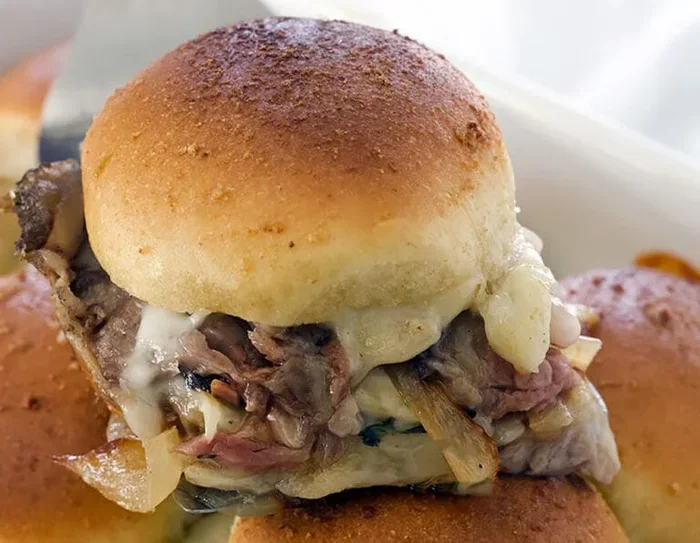
Split your slider buns and lightly butter the cut sides. Place a generous handful of shredded beef on the bottom half of each bun. Top with a slice of cheese and any optional toppings you enjoy. Place the top bun on gently.
Step 3: Bake in the Oven
Arrange the assembled sliders on a parchment-lined baking sheet. Bake at 375°F for 10 to 15 minutes until the cheese is melted and the buns are lightly golden. For extra crispiness, you can broil them for the last 1 to 2 minutes, but watch them closely to avoid burning.
Step 4: Serve and Enjoy
Let the sliders cool for 3 to 5 minutes before serving. This allows the cheese to set slightly and makes them easier to handle. Pair them with a simple side salad, coleslaw, or French fries for a complete meal.
Tips for Juicy and Flavorful Sliders
Making amazing prime rib sliders is about more than just timing. Small details can take your sliders from good to outstanding. Here are some pro tips to keep in mind:
- Use leftover roast: Prime rib that has been refrigerated overnight shreds more easily and absorbs seasonings better.
- Do not skip the rest: Letting the roast rest before shredding keeps the juices locked inside the meat.
- Toast the buns: A quick toast before assembling adds texture and prevents the bun from getting soggy.
- Add a sauce: A drizzle of horseradish cream or garlic aioli elevates the flavor profile significantly.
- Season at every layer: Season the beef, the cheese, and even the bun for a well-rounded taste in every bite.
- Keep it moist: If your beef seems dry, add a splash of beef broth before baking to bring back juiciness.
Another great trick is to caramelize onions on the stovetop and pile them on top of the beef before baking. The natural sweetness of the onions balances the savory meat and adds a beautiful golden color. If you really want to impress your guests, try adding a thin slice of sautéed mushroom to each slider.
Quick Tips for the Best Results
- Choose the right bun: Potato rolls are soft and slightly sweet, which pairs perfectly with rich prime rib.
- Shred while warm: The meat shreds much easier when it is still warm from resting.
- Do not overfill: Too much beef makes the sliders hard to hold and eat.
- Use parchment paper: It prevents sticking and makes cleanup a breeze.
- Let them breathe: Rest the sliders for 3 to 5 minutes after baking so the cheese sets.
Common Mistakes to Avoid When Making Prime Rib Sliders
Even experienced cooks make mistakes when preparing oven-baked sliders. Here are the most common pitfalls and how to avoid them:
Skipping the Rest Time
One of the biggest mistakes is cutting into the prime rib too soon after roasting. The meat needs time to redistribute its juices. Skipping this step leads to dry, tough beef that is hard to shred. Always wait at least 15 to 20 minutes before you start pulling the meat apart.
Using the Wrong Oven Temperature
Baking sliders at too high a temperature burns the buns before the cheese melts. Too low and you end up with soggy, pale sliders. Stick to 375°F for the best balance of melted cheese, warm beef, and a perfectly toasted bun.
Overcrowding the Baking Sheet
It is tempting to fit as many sliders as possible on one sheet, but overcrowding traps steam and makes the buns soggy. Leave at least an inch of space between each slider so hot air can circulate evenly.
Forgetting to Season the Beef
Leftover prime rib might taste great on its own, but it needs extra seasoning when turned into sliders. The shredding process removes some of the concentrated flavor. A little salt, pepper, garlic, and Worcestershire sauce brings it back to life.
Not Accounting for Slider Size
Standard slider buns are about 2 inches in diameter. If you use regular-sized buns, your sliders will be too large and messy to eat comfortably. Always match your bun size to the amount of filling for the best eating experience.
Expert Insights on Perfect Prime Rib Sliders
Professional chefs and home cooking experts agree on a few key principles when it comes to prime rib sliders. First, the quality of the roast matters enormously. Look for a well-marbled prime rib with a good fat cap. The fat renders during cooking and keeps the meat incredibly moist, which is essential for sliders.
Second, timing is everything. The best prime rib slider recipes call for assembling the sliders just before baking. This ensures the buns stay soft and the cheese melts evenly. If you assemble too far in advance, the moisture from the beef and cheese will soak into the bun and make it fall apart.
Finally, do not be afraid to get creative with toppings. While classic cheddar and caramelized onions are timeless, you can experiment with pepper jack cheese, BBQ sauce, blue cheese crumbles, or even a touch of truffle oil. The beauty of sliders is their versatility.
Seasoning Ideas to Try
- Classic: Salt, pepper, garlic powder, and a dash of smoked paprika.
- Spicy: Add cayenne pepper and a pinch of chili flakes for a kick.
- Herbaceous: Fresh rosemary, thyme, and a bit of minced parsley.
- Asian-inspired: Soy sauce, sesame oil, and a sprinkle of five-spice powder.
Key Takeaways
- Reheating assembled sliders takes 10 to 15 minutes at 375°F, while cooking from raw requires slow roasting first.
- 375°F is the ideal oven temperature for the final bake of prime rib sliders, melting cheese and warming the beef perfectly.
- Always rest your prime rib roast for 15 to 20 minutes before shredding to keep it juicy.
- Potato or brioche buns are the best choices for holding the filling and toasting beautifully.
- Season the beef well even if using leftover roast, as shredding can dull the flavor.
- Avoid overcrowding the baking sheet to ensure even toasting and prevent soggy buns.
Conclusion
How long to cook prime rib sliders in oven is a question with a straightforward answer once you understand the process. Whether you are reheating leftover roast or building sliders from scratch, the total time ranges from 10 to 15 minutes for a quick reheat to about 3 hours for a fresh roast approach. The key is to keep your oven temperature at 375°F for the final bake and never rush the resting step for the roast.
Prime rib sliders are one of the most satisfying recipes you can make at home. They are easy to prepare, fun to serve, and absolutely delicious. With the right cooking time, quality ingredients, and a little attention to detail, you can create sliders that rival any restaurant version. The best part is that they are forgiving, so even if you are new to cooking, you will still get great results.
So next time you have a prime rib roast on hand, do not let the leftovers go to waste. Turn them into juicy beef sliders that your whole family will love. Oven-baked sliders are the perfect blend of comfort food and crowd-pleasing appetizer. Give this recipe a try and see how simple and rewarding it can be to make prime rib sliders from your own kitchen.
Frequently Asked Questions
How long does it take to cook prime rib sliders from scratch in the oven?
Starting from a raw prime rib roast, the total process takes about 3 to 3.5 hours. This includes slow roasting at 325°F for 2 to 3 hours, resting for 15 to 20 minutes, shredding, assembling, and a final bake at 375°F for 10 to 15 minutes.
Can I use leftover prime rib to make sliders?
Absolutely. Leftover prime rib is actually the best option because the meat has had time to absorb its juices. Simply shred the leftover roast, season it, assemble on slider buns with cheese, and bake at 375°F for 10 to 15 minutes until heated through and the cheese is melted.
What is the best oven temperature for reheating prime rib sliders?
375°F is the recommended temperature for reheating assembled prime rib sliders. This heat warms the beef evenly, melts the cheese, and lightly toasts the bun without drying out the meat.
How do I keep my prime rib sliders from getting soggy?
To prevent soggy sliders, do not overfill them, use parchment paper on the baking sheet, leave space between each slider for air circulation, and avoid covering them with foil during the final bake. A light toast on the cut side of the buns before assembling also helps.
What type of cheese works best for prime rib sliders?
Sharp cheddar, Swiss, provolone, and pepper jack are all excellent choices. Sharp cheddar offers a bold flavor, Swiss adds a nutty sweetness, and pepper jack brings a gentle kick. Choose based on your personal preference and the toppings you plan to use.
Can I freeze prime rib sliders for later?
Yes, you can freeze assembled but unbaked sliders. Wrap them tightly in plastic wrap and foil, then store them in a freezer bag for up to 2 months. Bake them from frozen at 375°F for about 20 to 25 minutes, adding a few extra minutes to ensure they are heated through completely.