Is Bacon Better In The Oven Than Cooking On Stovetop
Many home cooks ask: is bacon better in the oven than cooking on the stovetop? The answer might surprise you. Oven-baked bacon offers even cooking, less mess, and perfect crispiness every single time. Whether you are a busy parent or a weekend brunch lover, baking bacon in the oven saves time and delivers consistent results that stovetop methods simply cannot match.
Key Takeaways
- Even Cooking: The oven heats bacon uniformly, so every strip cooks at the same rate without hot spots.
- Less Mess: Oven-baked bacon means fewer splatters on your stovetop and easier cleanup.
- Large Batch Friendly: You can cook multiple trays of bacon at once, making it ideal for feeding a crowd.
- Hands-Off Approach: Once the bacon is in the oven, you are free to prepare other breakfast items.
- Consistent Results: Oven bacon gives you predictable crispiness every time without constant monitoring.
- Healthier Option: Baking allows excess grease to drip away, resulting in slightly leaner bacon compared to frying.
- Easy Cleanup: Using parchment paper or a wire rack makes post-cooking cleanup a breeze.
📑 Table of Contents
Why Oven Bacon Is Worth Trying
Let us start with the big question. Is bacon better in the oven than on the stovetop? If you have ever stood over a hot pan, flipping bacon strips and dodging grease splatters, you know the struggle. Cooking bacon on the stove can be messy, unpredictable, and frankly, a bit stressful.
Now imagine placing your bacon strips on a tray, sliding them into the oven, and walking away. That is the beauty of oven-baked bacon. You set the temperature, set a timer, and let the oven do all the work. No standing over a hot pan. No worrying about uneven cooking. No burned edges while the middle stays flabby.
The bacon cooking methods debate has been going on for years. Some people swear by the stovetop. Others have made the switch to the oven and never looked back. In this article, we will break down the differences, share practical tips, and help you decide which method works best for you.
Baking bacon in the oven has gained huge popularity in recent years. Food blogs, cooking shows, and home cooks everywhere are singing its praises. And honestly, the reasons are pretty compelling. Let us dive into what makes oven bacon so appealing.
The Appeal of Oven-Baked Bacon
There is something deeply satisfying about opening the oven and finding perfectly cooked bacon waiting for you. The aroma fills the kitchen. The strips lie flat and crispy. And the cleanup? Minimal. That is the oven-baked bacon experience in a nutshell.
Many people choose bacon in the oven because it frees up stovetop space. When you are cooking a full breakfast spread — eggs, pancakes, toast — every inch of burner space matters. The oven handles the bacon while you focus on everything else. It is a game changer for weekend brunch or holiday morning meals.
Another reason people love baking bacon is the consistency. When you fry bacon on the stovetop, the first strip often cooks differently than the last one. The pan cools down as you add more strips. The temperature fluctuates. With oven bacon, every strip gets the same heat from start to finish. That means even cooking across the board.
How Oven Bacon Compares to Stovetop Bacon
So how does oven-baked bacon really stack up against traditional stovetop cooking? Let us break it down side by side. Understanding the differences will help you choose the right method for your needs.
Cooking Time and Temperature
Stovetop bacon usually takes about 10 to 15 minutes. You need to flip the strips, adjust the heat, and keep a close eye on the pan. Oven bacon typically takes 15 to 25 minutes at 400°F, depending on how crispy you like it. The total hands-on time is much shorter with the oven method.
For stovetop bacon, you preheat the pan and then add the strips. The heat comes from below, which can cause the fat to render unevenly. The first few strips get the most direct heat. The later strips get less. This creates a mix of textures in the same batch.
Baking bacon in the oven surrounds the strips with dry heat on all sides. The oven temperature for bacon is usually set between 375°F and 425°F. This consistent, ambient heat renders the fat slowly and evenly. The result is bacon that is uniformly crispy from edge to center.
Texture and Crispiness
When it comes to crispy bacon, the oven has a clear advantage. Stovetop bacon often ends up with slightly chewy centers and crispy edges. That is not necessarily bad — many people prefer that texture. But if you want every strip perfectly crispy and flat, the oven wins.
Oven-baked bacon tends to come out flatter and more uniform. The heat dries out the fat evenly, leaving you with flat bacon that is easy to stack and serve. Stovetop bacon often curls up as the fat renders, creating those classic wavy strips. Both are delicious, but they look and feel different on the plate.
Grease and Fat Management
One of the biggest differences between the two methods is how they handle grease. When you fry bacon on the stovetop, the fat stays in the pan. It splatters. It can make a mess. And sometimes, you are left with a pool of bacon grease that you need to deal with.
Bacon in the oven solves this problem elegantly. When you place bacon on a wire rack set over a baking sheet, the grease drips away from the meat. The rendered fat collects on the sheet below. This means less grease absorbed by the bacon itself. Many people find that oven-baked bacon tastes slightly lighter because of this.
You can also line the baking sheet with parchment paper for even easier cleanup. The grease stays on the paper, and you simply toss it when you are done. No scrubbing greasy pans. No pouring hot fat down the drain (which can cause plumbing problems).
Batch Size and Convenience
If you are cooking for one or two people, stovetop bacon works fine. But if you need to feed a family or a crowd, baking bacon is far more practical. You can fit two or three trays of bacon in a standard oven. That is 24 to 36 strips at once.
With stovetop cooking, you are limited to the number of strips your pan can hold. Cooking in batches takes more time and more attention. Large batch cooking is where the oven truly shines. Holiday breakfasts, church potlucks, and brunches with friends all benefit from the oven method.
Less mess cooking is another major convenience factor. No splattered grease on your countertops. No smoke filling up the kitchen. No burned fingers when you fumble with a hot pan. The oven keeps everything contained and manageable.
The Best Way to Cook Bacon in the Oven
Now that you know why oven-baked bacon is so great, let us talk about how to do it right. The process is simple, but a few small details make a big difference in the final result.
What You Will Need
- Bacon strips — thick-cut or regular, depending on your preference
- A baking sheet — a rimmed sheet pan works best
- Parchment paper or a wire rack for lining
- Tongs for moving the bacon
- A cooling rack (optional but helpful for crispiness)
Step-by-Step Instructions
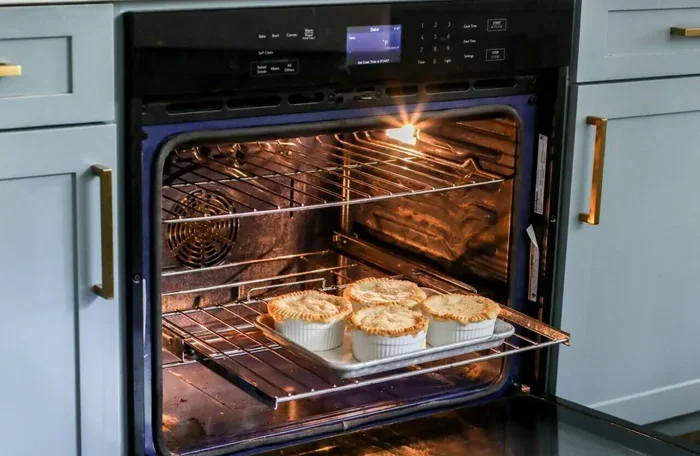
First, preheat your oven to 400°F. While the oven is heating, line your baking sheet with parchment paper. This prevents the bacon from sticking and makes cleanup effortless.
Lay the bacon strips flat on the prepared sheet. Do not overlap them. Leave a little space between each strip so the hot air can circulate freely. Overcrowding the pan leads to uneven cooking and steamed bacon instead of crispy bacon.
Place the tray in the oven on the middle rack. Set a timer for 15 minutes. At 15 minutes, check the bacon. If it is not crispy enough for your liking, add a few more minutes. Most people prefer their oven bacon at around 18 to 22 minutes total.
When the bacon looks done, use tongs to transfer the strips to a plate lined with paper towels. This absorbs any excess grease and helps the bacon stay crispy as it cools. Let it rest for a couple of minutes before serving.
Using a Wire Rack for Best Results
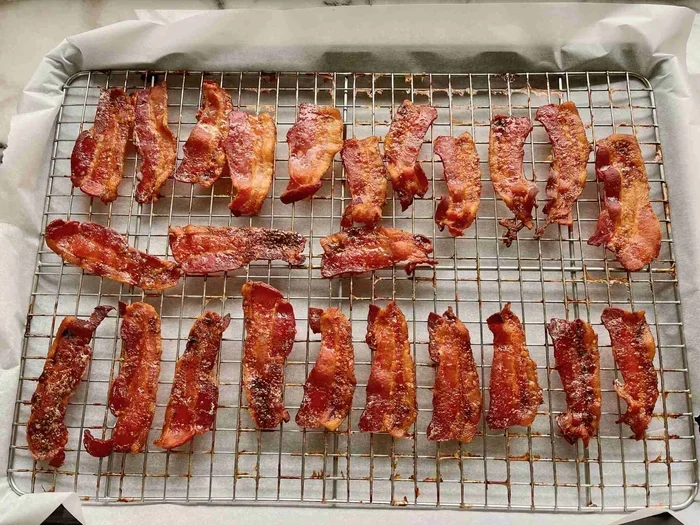
For the crispiest oven-baked bacon, try using a wire rack placed over a baking sheet. The rack allows air to flow underneath the bacon, so the fat drips off and the bacon cooks evenly on both sides. This method produces the best flat bacon with a satisfying crunch.
The wire rack method takes a little more setup, but the results are worth it. You get bacon that is crispy from edge to edge without any limp or chewy spots. It is the professional way to prepare bacon in the oven at home.
Tips for Perfectly Crispy Oven Bacon
Getting great oven-baked bacon every time comes down to a few simple habits. Here are some practical tips that will elevate your results.
Choose the Right Bacon
Not all bacon is created equal. Thick-cut bacon takes longer to cook and stays chewier in the center. Thin-cut bacon crisps up quickly and evenly. Choose the thickness based on your texture preference.
If you want extra crispy bacon strips, go with thin-cut. If you prefer a chewier bite, thick-cut is the way to go. You can also try center-cut bacon, which has less fat and cooks up nicely in the oven.
Do Not Overcrowd the Pan
This is the most common mistake people make with bacon in the oven. When strips are too close together, they steam instead of bake. The moisture gets trapped, and you end up with floppy, unevenly cooked bacon.
Give each strip room to breathe. If your baking sheet is small, cook in two batches. The extra few minutes of waiting is well worth perfectly crispy oven bacon.
Let the Bacon Cool on a Rack
After pulling the bacon out of the oven, do not leave it on the hot baking sheet. The residual heat will continue cooking the bacon, and it may become overcooked or burnt. Transfer it to a wire rack or a plate with paper towels.
This small step makes a huge difference in texture. The bacon stays crispy instead of getting soggy from sitting in its own grease. Cooling bacon properly is one of those tips that separates good results from great results.
Experiment with Temperature
Every oven is slightly different. Some run hot, and some run cool. If your oven tends to run hot, try baking bacon at 375°F instead of 400°F. If your oven runs cool, bump it up to 425°F.
Take notes the first few times you make oven-baked bacon. Note the temperature, the time, and the results. After a couple of tries, you will know exactly how your oven handles bacon cooking, and you can replicate perfect results every time.
Add Flavor If You Want To
Plain oven bacon is delicious on its own. But if you want to get creative, there are fun ways to add flavor. Sprinkle brown sugar or maple syrup on the strips before baking for a sweet twist. Add a dusting of black pepper or cayenne for a spicy kick.
Some people like to drizzle a little honey on the bacon halfway through cooking. Others sprinkle smoked paprika or chili powder. These small additions turn simple oven bacon into a standout dish for brunch or a special breakfast.
Common Mistakes to Avoid When Baking Bacon
Even though baking bacon is straightforward, there are a few pitfalls to watch out for. Avoiding these mistakes will save you time, bacon, and frustration.
Using a Baking Sheet Without Lining
Skipping the parchment paper or foil means you will have a greasy, stuck-on mess to scrub afterward. Lining your baking sheet is one of the easiest ways to make cleanup painless. Parchment paper is especially effective because bacon does not stick to it.
Setting the Oven Too High
Cranking the oven to 450°F or higher might seem like a shortcut, but it often leads to burnt bacon. The edges char while the centers are still undercooked. Stick to the recommended oven temperature for bacon between 375°F and 425°F for the best results.
Not Checking the Bacon in Time
Ovens vary, and bacon thickness varies too. Setting a timer and forgetting about the bacon can lead to overcooked or undercooked strips. Check the bacon at the 15-minute mark and adjust from there. Every oven is different, and a watchful eye pays off.
Pouring Bacon Grease Down the Drain
This is a mistake that causes real plumbing problems. Bacon grease solidifies in your pipes and creates blockages over time. Instead, let the grease cool, scrape it into a jar or container, and throw it in the trash. You can also reuse rendered fat for cooking other dishes like roasted vegetables or scrambled eggs.
Expert Tips and Final Thoughts
So, is bacon better in the oven than on the stovetop? Based on the evidence, the answer is a strong yes for most people. Oven-baked bacon delivers even cooking, less mess, and consistent results. It is easier, cleaner, and better suited for feeding groups of people.
That said, stovetop bacon still has its place. If you want chewy, slightly curly strips with a lot of rendered fat for cooking eggs in, the stovetop method works beautifully. It comes down to personal preference and what you are in the mood for.
If you are new to baking bacon in the oven, give it a try this weekend. Start with a single tray, use parchment paper, and set your timer for 18 minutes. You might be surprised at how easy and delicious it is. Once you make the switch, you may never go back to the stovetop.
The beauty of bacon in the oven is that it takes the stress out of breakfast cooking. You can prepare the bacon, clean up the tray, and focus on making the rest of the meal. It is a small change that makes a big difference in your morning routine.
Oven bacon also opens up possibilities. You can cook bacon ahead of time and reheat it in the morning. You can make large batches for meal prep. You can experiment with flavors and seasonings without worrying about burning the bacon on the stove. The flexibility is hard to beat.
In the end, the bacon cooking methods debate is not about one being objectively better than the other. It is about finding what works for your kitchen, your schedule, and your taste buds. But if you have not yet tried oven-baked bacon, you are missing out on one of the easiest and most satisfying ways to cook this breakfast favorite.
So go ahead. Preheat that oven. Line a tray with parchment paper. Lay out your bacon strips and let the magic happen. Your future self — the one enjoying perfectly crispy, evenly cooked bacon with minimal cleanup — will thank you.
Bacon in the oven is not just a trend. It is a smarter, simpler way to cook one of the world’s most beloved breakfast foods. Give it a try, and you will wonder why you ever bothered with the stovetop.
Frequently Asked Questions
Can you cook bacon in the oven without preheating?
Yes, you can, but preheating the oven gives you more consistent results. When the oven is already hot, the bacon starts cooking immediately, which helps render the fat evenly. Skipping the preheat may add a few extra minutes to the cooking time and can lead to slightly uneven crispiness.
What temperature is best for bacon in the oven?
The ideal oven temperature for bacon is between 375°F and 425°F. Most home cooks find 400°F to be the sweet spot for perfectly crispy oven-baked bacon. If you prefer chewier bacon, try 375°F. For extra-crispy strips, go with 425°F and keep a close eye on the timer.
How long does bacon take in the oven?
Oven bacon typically takes 15 to 25 minutes, depending on the thickness of the strips and how crispy you like them. Thin-cut bacon usually takes 15 to 18 minutes at 400°F. Thick-cut bacon may need 20 to 25 minutes. Check the bacon at the 15-minute mark and adjust as needed.
Is oven bacon healthier than stovetop bacon?
Oven-baked bacon can be slightly healthier because the grease drips away from the meat during cooking. When you fry bacon on the stovetop, the strips sit in their own fat and absorb more of it. Using a wire rack in the oven maximizes this effect and results in leaner bacon with less saturated fat per serving.
Can you use aluminum foil instead of parchment paper?
Yes, aluminum foil works as a substitute for parchment paper when baking bacon. However, bacon is more likely to stick to foil than to parchment paper. If you use foil, make sure to grease it lightly or use a wire rack on top to prevent sticking. Parchment paper remains the easiest option for less mess cooking.
How do you store leftover oven-baked bacon?
Let the oven bacon cool completely, then store it in an airtight container in the refrigerator for up to five days. You can also freeze cooked bacon for up to three months. To reheat, place the strips on a baking sheet in a 350°F oven for 5 to 8 minutes. This restores the crispy bacon texture without making it soggy.
=== CONCLUSION ===
Is bacon better in the oven than on the stovetop? The evidence strongly points to yes. Oven-baked bacon offers even cooking, minimal mess, and perfectly crispy results with very little effort. Whether you are cooking for yourself or feeding a crowd, the oven method delivers consistency and convenience that stovetop cooking simply cannot match.
Baking bacon in the oven is a simple upgrade that anyone can make. With just a baking sheet, some parchment paper, and a few minutes of your time, you can enjoy restaurant-quality crispy bacon at home. The next time you are craving bacon in the oven, give it a try. Your taste buds — and your cleanup routine — will thank you.