How To Make Scrambled Eggs In Oven For Perfect Results
Making scrambled eggs in the oven is one of the easiest and most reliable ways to get perfect breakfast every single morning. This method uses minimal effort and delivers creamy, evenly cooked eggs without any stirring. You will learn the exact temperature, timing, and tricks that guarantee flawless results each time.
There is something truly magical about how to make scrambled eggs in oven. It sounds simple, maybe even too easy. But once you try this method, you will never go back to the stovetop. Oven-baked eggs deliver consistent, creamy results with almost zero effort. Whether you are cooking for one or feeding a hungry family, this technique changes everything.
Many people do not realize that baking eggs in oven is one of the best-kept breakfast secrets. The oven cooks the eggs evenly from all sides. There is no need to stand over a pan and stir constantly. You simply mix, pour, and wait. The result is a batch of creamy scrambled eggs that taste amazing every single time. This guide walks you through every step with clear, practical advice.
Key Takeaways
- Oven-baked eggs save time: You can walk away and let the oven do all the work while you prepare other breakfast items.
- Perfect creamy texture is easy: The right temperature and timing make all the difference between rubbery and silky eggs.
- Great for feeding a crowd: One pan of oven scrambled eggs can serve an entire family or a brunch group effortlessly.
- Customizable and versatile: Add cheese, vegetables, herbs, or meats to create your ideal flavor combination every time.
- Make ahead and reheat well: Baked eggs store beautifully and reheat quickly for busy weekday mornings.
- Fewer dishes to wash: One baking dish or sheet pan handles everything, making cleanup a breeze.
📑 Table of Contents
Why Cook Scrambled Eggs In The Oven?
The idea of oven scrambled eggs might feel new to some readers. After all, most of us grew up watching a parent stir eggs in a skillet. But the oven method offers real advantages that make it worth trying. Let us explore why this approach deserves a spot in your kitchen routine.
The Hands-Off Advantage
One of the biggest benefits of baking eggs in oven is that it is truly hands-off. You mix your eggs, pour them into a dish, and pop it in the oven. Then you walk away. While the eggs cook, you can toast bread, slice fruit, or brew coffee. There is no need to stand at the stove stirring or flipping. This makes oven scrambled eggs ideal for busy weekday mornings when time feels short.
Even Cooking Without Any Effort
When you cook eggs on the stovetop, the bottom often cooks faster than the top. You end up with some pieces that are done and others that are still runny. The oven solves this problem completely. Heat surrounds the dish from every direction. This means even cooking eggs every single time. The top and bottom finish at the same rate, giving you a consistent texture throughout the entire batch.
Perfect for Breakfast for a Crowd
If you have ever tried to scramble eggs for six or more people, you know the struggle. Multiple pans, constant attention, and eggs getting cold while you finish the last batch. Oven-baked eggs eliminate this problem entirely. One large baking dish holds enough eggs for the whole family. You put it in the oven and forget about it until everyone is ready to eat. This makes breakfast for a crowd feel effortless and stress-free.
Ingredients And Tools You Will Need
Getting started with how to make scrambled eggs in oven is simple. You do not need fancy ingredients or expensive equipment. A few basics from your kitchen will do the job perfectly. Let us break down exactly what you need.
Essential Ingredients
The beauty of oven scrambled eggs lies in their simplicity. Here is what goes into the basic recipe:
- Eggs: Use large eggs for the best results. Fresh eggs give a richer flavor and better texture.
- Milk or cream: A splash of milk makes the eggs lighter. Heavy cream creates an ultra-creamy finish.
- Salt: Fine sea salt or regular table salt works perfectly. Salt enhances the natural egg flavor.
- Black pepper: Freshly ground pepper adds a gentle kick that complements the eggs beautifully.
- Butter or oil: A small amount of butter coats the dish and adds richness. Olive oil works well too.
These five ingredients create a solid foundation. From here, you can customize the recipe to match your taste preferences. The scrambled eggs recipe base is flexible and forgiving, which makes it perfect for beginners.
Tools and Equipment
You do not need much equipment to bake eggs in the oven. Here is a simple list of what works best:
- A baking dish or skillet: A glass or ceramic dish works great. A cast iron skillet also performs well in the oven.
- A mixing bowl: Any bowl large enough to hold your eggs and milk will work.
- A whisk or fork: You need this to beat the eggs thoroughly before pouring.
- A spatula: A silicone spatula helps you scoop the eggs out cleanly once they are done.
That is it. No special tools required. This simplicity is one reason why baking eggs in oven has become so popular among home cooks.
Step-by-Step Instructions For Oven Scrambled Eggs
Now that you have your ingredients and tools ready, let us walk through the process. Following these steps carefully will help you achieve the best possible results every time you try how to make scrambled eggs in oven.
Step One: Prepare the Egg Mixture
Crack your eggs into a mixing bowl. Add a splash of milk or cream, about one tablespoon per egg. Add a pinch of salt and a few cracks of pepper. Beat the mixture with a whisk or fork until the yolks and whites are fully combined. The mixture should look smooth and uniform. Do not overbeat it. A few small bubbles are perfectly fine. Overbeating can incorporate too much air, which may affect the final texture.
Step Two: Preheat the Oven
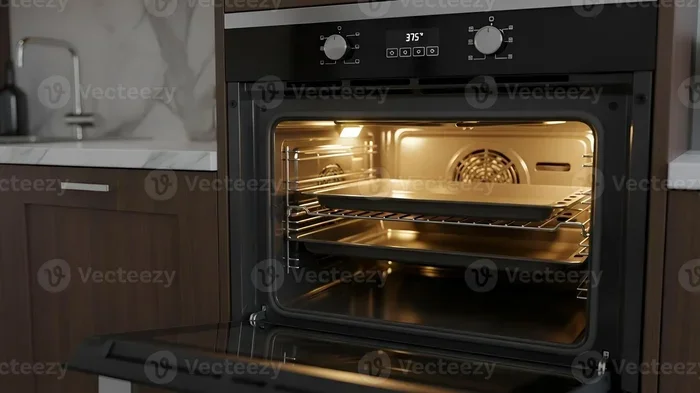
Preheat your oven to 325 degrees Fahrenheit. This lower temperature is the key to creamy oven scrambled eggs. A higher temperature cooks the eggs too fast and can make them rubbery. The gentle heat of 325 degrees allows the eggs to set slowly and evenly. This slow cooking process is what gives baked eggs in oven their signature soft, creamy texture.
While the oven heats up, grease your baking dish with butter or a light coating of oil. This prevents the eggs from sticking and makes serving much easier.
Step Three: Pour and Bake
Once your oven reaches 325 degrees, pour the egg mixture into the prepared dish. Place the dish on the middle rack of the oven. Set a timer for 15 to 20 minutes. The eggs are done when the surface is set but still looks slightly soft in the center. They will continue to cook a bit after you remove them from the oven. This residual heat is important. It helps finish the cooking process gently without overdoing it.
Step Four: Check and Serve
Open the oven and check the eggs at the 15-minute mark. The top should look mostly set. Gently shake the dish. If the eggs wobble slightly in the center, they need a few more minutes. If they look firm all the way through, they are ready. Remove the dish from the oven. Let the eggs rest for two to three minutes before serving. This resting period allows the texture to settle and become even creamier.
Use a spatula to scoop the eggs onto plates. Serve immediately with toast, fresh fruit, or any sides you enjoy. The scrambled eggs recipe works beautifully on its own or as part of a larger breakfast spread.
Tips For Perfectly Creamy Oven Scrambled Eggs
Getting creamy scrambled eggs from the oven is all about a few small details. These tips make a real difference in the final result. Pay attention to these points, and your eggs will turn out restaurant-quality every time.
The Creaminess Secret: Low and Slow
The single most important factor in how to make scrambled eggs in oven is temperature. Low and slow is the golden rule. Cooking at 325 degrees instead of 350 or higher gives the eggs time to set gently. This slow process preserves moisture and creates that soft, creamy texture everyone loves. High heat causes eggs to lose moisture quickly, which leads to a dry, rubbery result. Keep the temperature steady and trust the process.
Do Not Skip the Resting Time
Many people pull the eggs out and serve them immediately. This is a small mistake that affects texture. When eggs rest for two to three minutes after baking, the internal heat distributes evenly. The center finishes setting without overcooking the edges. This resting step is what separates good oven eggs from absolutely perfect ones. Set a timer and give the eggs their moment to settle.
Use the Right Pan Size
The size of your baking dish matters more than you might think. A dish that is too small causes the eggs to pile up too thick. A dish that is too large spreads the eggs out too thin. For four to six eggs, a standard 8×8-inch or 9×9-inch baking dish works perfectly. This size allows the eggs to cook at the right depth for even results. Think of it as creating a thin, even layer rather than a thick stack.
Add a Touch of Cream Cheese
For an extra level of creaminess, try adding a small dollop of cream cheese to the egg mixture before baking. Cream cheese melts slowly and creates a rich, velvety texture that elevates simple oven-baked eggs into something special. About one tablespoon per three eggs is all you need. This trick is a favorite among home cooks who want to impress at weekend brunch.
Delicious Variations and Add-Ins
One of the best things about how to make scrambled eggs in oven is how easy it is to customize. The basic recipe is wonderful on its own, but adding ingredients takes it to a whole new level. Here are some popular variations to try.
Vegetable Additions
Adding vegetables is a great way to boost nutrition and flavor. Here are some vegetables that work wonderfully in oven scrambled eggs:
- Bell peppers: Diced bell peppers add a sweet crunch. They cook perfectly in the oven alongside the eggs.
- Spinach: Fresh or frozen spinach wilts beautifully during baking. It adds color and iron to your protein-packed breakfast.
- Tomatoes: Cherry tomatoes or diced fresh tomatoes bring brightness and moisture.
- Mushrooms: Sautéed mushrooms added before baking create an earthy, savory flavor.
- Onions: Diced onions cook down nicely and add a gentle sweetness.
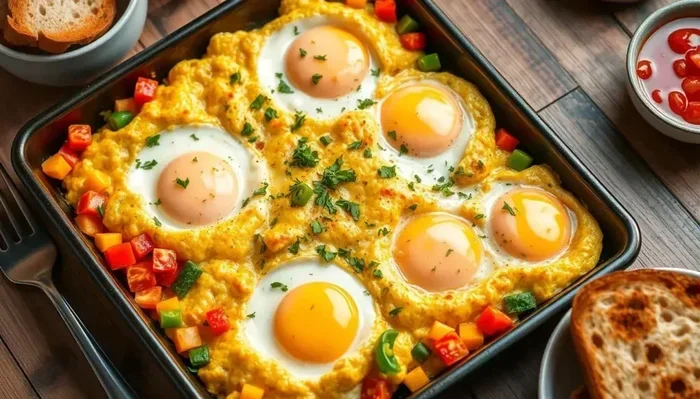
Add vegetables directly to the egg mixture before baking. They will cook through in the oven along with the eggs. This makes batch cooking eggs simple and efficient. You can prepare a vegetable-loaded pan and have breakfast ready with minimal effort.
Meat and Cheese Combinations
Cheese and meat transform basic egg bake into a hearty, satisfying meal. Here are some winning combinations:
- Cheddar and bacon: A classic pairing that never gets old. Add crumbled cooked bacon and shredded cheddar to the egg mixture.
- Feta and sun-dried tomatoes: This Mediterranean-inspired combination adds bold flavor and a salty tang.
- Swiss and ham: Mild Swiss cheese pairs beautifully with diced ham for a deli-style egg casserole experience.
- Goat cheese and herbs: Fresh herbs like chives, dill, or parsley combined with goat cheese create an elegant flavor profile.
When adding cheese, sprinkle it on top or mix it into the eggs just before baking. For meats, make sure they are fully cooked before adding them to the egg mixture. This ensures everything finishes at the same time in the oven.
Eggs in a Muffin Tin
For a grab-and-go option, try making eggs in muffin tin using the same oven method. Pour the egg mixture into a greased muffin tin and bake at 325 degrees for about 12 to 15 minutes. Each muffin cup holds one serving. These portable eggs are perfect for meal prep. You can bake a dozen on Sunday and reheat them throughout the week. This approach to make ahead breakfast saves precious morning time.
Common Mistakes to Avoid
Even with a simple recipe, small mistakes can affect the outcome. Learning what to avoid helps you get better results from the start. Here are the most common errors people make when trying how to make scrambled eggs in oven.
Overcooking the Eggs
This is the number one mistake with oven-baked eggs. Many people leave the eggs in too long because they are not watching a stovetop pan. Remember that the eggs continue cooking after you remove them from the oven. Pull them out when the center still looks slightly soft and jiggly. They will firm up during the resting period. Overcooked eggs become dry and rubbery, which defeats the purpose of this gentle cooking method.
Using the Wrong Oven Temperature
Some recipes call for higher temperatures, but 325 degrees Fahrenheit is the sweet spot for creamy scrambled eggs in the oven. Higher temperatures like 375 or 400 degrees cause the edges to cook too fast while the center stays underdone. They also squeeze moisture out of the eggs, leading to a dry texture. Stick with the recommended temperature and trust the process. The slightly longer cook time at lower heat is what creates the perfect creamy result.
Skipping the Milk or Cream
You can bake eggs without adding liquid, but the result is different. Milk or cream adds moisture and creates a softer texture. Without it, the eggs can turn out dense and firm. If you want the creamiest possible outcome, do not skip this step. Even one tablespoon per egg makes a noticeable difference in the final texture of your oven scrambled eggs.
Not Greasing the Dish Properly
Eggs have a tendency to stick to baking dishes, especially if they are not well-greased. Take the extra 30 seconds to coat your dish with butter or oil before pouring in the eggs. This small step makes serving and cleanup much easier. A well-greased dish also helps the eggs cook more evenly across the bottom.
How To Store and Reheat Oven Scrambled Eggs
One of the greatest advantages of how to make scrambled eggs in oven is that the leftovers store beautifully. This makes it a perfect option for batch cooking eggs on the weekend.
Let the eggs cool completely after baking. Store them in an airtight container in the refrigerator. They will keep for up to four days. To reheat, place the eggs in a microwave-safe dish and warm them at 50 percent power for 30 to 60 seconds. Low power prevents the eggs from becoming rubbery or rubbery during reheating. You can also reheat them in the oven at 300 degrees for about 5 to 8 minutes. This gentle reheating method preserves the creamy texture you worked so hard to achieve.
For make ahead breakfast, you can prepare the egg mixture the night before. Cover the bowl and store it in the refrigerator. In the morning, simply pour it into the dish and bake. This saves valuable time during busy weekday routines and makes easy breakfast recipes more accessible for everyone.
Conclusion
How to make scrambled eggs in oven is one of the simplest and most rewarding cooking skills you can learn. The method delivers creamy, evenly cooked eggs with almost no hands-on effort. From the low oven temperature to the gentle resting period, every step serves a purpose. You now have the knowledge to create perfect oven scrambled eggs every single time.
Remember the key points: use 325 degrees, keep the cooking time between 15 and 20 minutes, and pull the eggs out while the center still looks slightly soft. Add your favorite cheese, vegetables, or herbs to make the recipe your own. Store leftovers properly and enjoy make ahead breakfast throughout the week.
This scrambled eggs recipe is more than just a cooking method. It is a practical solution for busy mornings, relaxed weekends, and gatherings with friends and family. Give it a try this weekend. Once you taste the difference that oven-baked eggs make, you will wonder why you ever settled for the stovetop method. Happy cooking, and enjoy every bite.
Frequently Asked Questions
Can I use a different oven temperature for scrambled eggs?
325 degrees Fahrenheit is the recommended temperature for the best creamy results. Higher temperatures cook the eggs too quickly and can make them dry and rubbery. Stick with 325 degrees for consistently perfect oven scrambled eggs every time you bake them.
How long do oven scrambled eggs last in the refrigerator?
Properly stored baked eggs in oven last up to four days in the refrigerator. Keep them in an airtight container to maintain moisture and freshness. Reheat gently at low power in the microwave or in the oven at 300 degrees to preserve the creamy texture.
Can I make scrambled eggs in oven ahead of time?
Absolutely. Make ahead breakfast is one of the biggest advantages of this method. You can prepare the egg mixture the night before and bake it in the morning. You can also fully bake the eggs, store them, and reheat them later for a quick and easy meal any day of the week.
What is the difference between oven scrambled eggs and a frittata?
A frittata is typically a thicker, more structured egg dish that often includes a broiling step to set the top. Oven scrambled eggs are thinner, creamier, and cooked entirely in the oven without broiling. The egg bake style is softer and more similar to traditional stovetop scrambled eggs in texture.
Do I need to stir oven scrambled eggs during baking?
No. One of the greatest benefits of how to make scrambled eggs in oven is the hands-off approach. You pour the mixture into the dish and let the oven do the work. There is no stirring required. The eggs set evenly on their own, giving you a smooth, creamy result without any effort.
Can I freeze oven scrambled eggs for later use?
Yes, you can freeze oven-baked eggs for up to two months. Let them cool completely, wrap them tightly in plastic wrap or foil, and place them in a freezer-safe container. Reheat in the oven at 300 degrees or in the microwave at low power to maintain the best possible texture.