Can Press And Seal Go In The Oven Without Melting Down
Can Press And Seal go in the oven? The short answer is no. Press and Seal is not designed for high heat and will melt, warp, or release harmful chemicals when exposed to oven temperatures. This plastic wrap is made for cold storage and microwave use only. Using it in a traditional oven poses serious food safety risks and can ruin your food. We break down exactly what happens, why it fails, and what safe alternatives you should use instead.
Have you ever been mid-recipe and wondered if your kitchen wrap can handle the heat? Maybe you covered a dish with Press and Seal and forgot it was sitting near a hot oven. Or perhaps you wanted a quick shortcut and wondered if this handy plastic wrap could double as an oven cover. Whatever the reason, the question Can Press And Seal Go In The Oven comes up more often than you might think.
The truth is, Press and Seal is a clever product, but it has clear limits. It was not built for high heat. Putting it in an oven is a recipe for disaster. In this guide, we will walk through everything you need to know. We will cover what happens when heat meets this plastic wrap, why the manufacturer says no to ovens, and what you should use instead. By the end, you will have all the answers you need to keep your food safe and your kitchen running smoothly.
Let us get into it. No fluff, no guesswork. Just clear, practical information you can use right away.
Key Takeaways
- Press and Seal is not oven safe: It will melt and release harmful chemicals at temperatures above 220°F.
- It is designed for cold storage: The unique grip seal works best in the fridge and freezer.
- Microwave use is okay at low power: But only for short durations and with proper venting.
- Melting plastic contaminates food: Consuming food heated under melting plastic poses real health risks.
- Several safe oven alternatives exist: Aluminum foil, parchment paper, and silicone lids work great.
- Always check the label: Manufacturers clearly state heat limits and safe use instructions on packaging.
- Know your kitchen wrap options: Understanding each product prevents costly mistakes and keeps food safe.
📑 Table of Contents
- What Exactly Is Press and Seal?
- Can Press And Seal Go In The Oven?
- What Happens When Press and Seal Meets Oven Heat?
- Safe Ways to Use Press and Seal in the Kitchen
- Best Alternatives for Covering Dishes in the Oven
- Common Mistakes People Make With Press and Seal
- Expert Tips for Kitchen Food Storage Safety
- Final Thoughts on Using Press and Seal Safely
What Exactly Is Press and Seal?
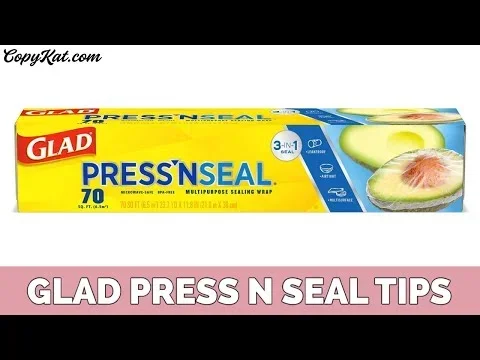
Before we talk about ovens, let us understand what Press and Seal actually is. It is a type of plastic wrap made by the company Glad. Unlike regular cling wrap, Press and Seal has a special texture on one side. This texture creates a grip seal. You can press it onto itself or onto smooth surfaces, and it sticks without needing a roll or a cut edge.
This makes it incredibly handy for everyday kitchen tasks. You can wrap a half-cut lemon, cover a bowl of leftovers, or seal a snack bag that you did not fully close. It works great in the refrigerator and freezer. The airtight seal helps keep food fresh longer and prevents freezer burn.
But here is the thing many people miss. Just because it works well for cold storage does not mean it can handle heat. The materials used in Press and Seal are not heat resistant. They are designed for room temperature and cold environments only. This is a critical distinction that we will explore in depth.
How the Grip Seal Technology Works
The grip seal on Press and Seal uses tiny raised dots on one side. These dots create a micro-suction effect when pressed against the flat side. Think of it like a very gentle Velcro for plastic. This is a smart design for food storage, but it also means the plastic is thinner and more delicate than standard oven-safe covers.
The thinness is part of why it fails so quickly under heat. Regular oven-safe lids and wraps are made from thicker, more durable materials. Press and Seal simply cannot compete with that kind of durability when temperatures rise.
Can Press And Seal Go In The Oven?
The direct answer to Can Press And Seal Go In The Oven is a firm no. Glad, the manufacturer, does not recommend using Press and Seal in any oven. Whether your oven is set to 200°F or 450°F, this plastic wrap is not safe. It is not labeled as oven safe, and it was never tested for oven use.
When you expose Press and Seal to oven heat, several bad things happen almost immediately. The plastic begins to soften. Then it warps and shrinks. At higher temperatures, it melts completely. The melted plastic can stick to your food, your baking dish, and the inside of your oven. Cleaning it up is a real hassle.
Beyond the mess, there is a serious food safety concern. When plastic melts, it can release harmful chemicals into your food. These chemicals are not something you want to ingest. Even a small amount of melted plastic on your meal is enough to make the food unsafe to eat.
The Manufacturer’s Stance on Heat Use
Glad is very clear about the intended use of Press and Seal. The product is designed for refrigerator and freezer storage. The packaging includes usage instructions that explicitly warn against using it with heat sources. This is not a gray area. The company has tested the product thoroughly and knows its limits.
If you ever find yourself tempted to use Press and Seal in the oven, remember that the manufacturer has not approved this use. Using any product outside of its intended purpose voids any safety assurances. It is simply not worth the risk.
What Happens When Press and Seal Meets Oven Heat?
Understanding what physically happens to Press and Seal in an oven helps you appreciate why it is so dangerous. Let us walk through the process step by step.
First, at around 120°F to 150°F, the plastic begins to soften. You may notice it losing its shape and becoming loose on the surface it was covering. It may also start to emit a slight chemical smell. This is your first warning sign.
As the temperature climbs past 200°F, things get worse fast. The wrap will shrink, warp, and start to bubble. At 220°F and above, the plastic will melt. It will drip and stick to whatever surface it touches. In an oven, this means melted plastic can end up on your food, your pans, and your oven racks.
The Melting Point of Press and Seal
The melting point of Press and Seal is very low compared to oven-safe materials. Most oven-safe covers can handle temperatures of 400°F or higher. Press and Seal starts to break down at a fraction of that temperature. The difference is massive, and it is the main reason this product should never go near an open flame or a hot oven.
Even if your oven is set to a low temperature for slow cooking, the heat inside an oven is still far too high. There is no safe oven temperature for Press and Seal. The product simply was not engineered to withstand any amount of sustained heat.
Chemical Risks of Melted Plastic on Food
This is the part that should really get your attention. When plastic melts, it does not just change shape. It also releases chemical compounds. Some of these compounds are known to be harmful when ingested. BPA and phthalates are common in plastic products, and while Press and Seal may be BPA-free, other chemicals can still leach into food when the plastic melts.
Food safety experts strongly advise against letting any plastic touch food during high-heat cooking. The risk of chemical contamination is real and well documented. It is one of the main reasons oven-safe covers are made from materials like silicone, glass, or metal.
Safe Ways to Use Press and Seal in the Kitchen
Just because Press and Seal cannot go in the oven does not mean it is useless. Far from it. This product shines in many kitchen tasks where cold storage is the goal. Let us look at the best and safest ways to use it.
Refrigerator Storage
This is the primary use for Press and Seal. Cover your leftovers, wrap cut fruits and vegetables, and seal snack bags. The grip seal creates an airtight barrier that keeps food fresh. It works especially well for covering bowls and plates without needing rubber bands or clips.
Pro tip: Press the wrap firmly onto the rim of your bowl for the best seal. The grip texture works best on smooth, clean surfaces. A dirty or wet rim will reduce the seal quality.
Freezer Organization
Press and Seal is fantastic for freezer use. You can wrap individual portions of food, cover ice cube trays, or seal bags that are not fully closed. The airtight seal prevents freezer burn, which is one of the biggest enemies of frozen food.
When wrapping food for the freezer, press out as much air as possible before sealing. This creates a tighter wrap and keeps your food fresher for longer. Label each wrapped item with the date so you can keep track of what needs to be eaten first.
Microwave Use With Caution
You can use Press and Seal in the microwave, but only with care. Use it at low power settings and for short durations. Always leave a small gap or vent so steam can escape. Trapped steam can cause the plastic to burst or melt, even in the microwave.
Never let the plastic wrap touch the food directly in the microwave. Keep it a few inches above the dish. This prevents melting and reduces the risk of chemical transfer. And remember, microwave use is not the same as oven use. The microwave generates heat differently, and Press and Seal can handle brief, low-heat microwave exposure better than it can handle an oven’s sustained high heat.
Best Alternatives for Covering Dishes in the Oven
If you need to cover a dish in the oven, you have plenty of great options. All of these are oven safe and will not melt, warp, or release harmful chemicals. Let us compare the most popular alternatives.
| Alternative | Heat Resistance | Best For | Reusable? |
|---|---|---|---|
| Aluminum Foil | Up to 1,220°F | Roasting, baking, covering pans | No (single use) |
| Parchment Paper | Up to 450°F | Baking sheets, lining pans | No (single use) |
| Silicone Lid | Up to 450°F+ | Bowls, baking dishes, pots | Yes |
| Glass Lid | Up to 400°F+ | Baking dishes, pots | Yes |
| Ceramic Dish Lid | Up to 500°F+ | Casseroles, oven-safe pots | Yes |
| Oven-Safe Plastic Wrap (specialty) | Varies by brand | Specialty cooking techniques | No |
Why Aluminum Foil Is the Go-To Choice
Aluminum foil is the most common oven cover. It is cheap, widely available, and handles extremely high temperatures. You can fold it to fit any dish size, and it creates a good barrier against heat and moisture. It is perfect for covering casseroles while they bake or for wrapping foods you want to keep moist in the oven.
One downside is that foil is not reusable in most cases. You will need a fresh sheet each time. But for the low cost, this is a small trade-off for the safety and convenience it provides.
Silicone Lids: The Reusable Hero
Silicone lids are a fantastic investment for any kitchen. They are heat resistant, flexible, and reusable hundreds of times. You can find them in various sizes to fit different bowls and dishes. They create a snug fit and can handle temperatures well above what any oven will reach.
These lids are also dishwasher safe, which makes cleanup a breeze. If you find yourself using Press and Seal for oven-adjacent tasks often, switching to a silicone lid set is a smart move.
Common Mistakes People Make With Press and Seal
Even good products get misused sometimes. Here are the most common mistakes people make with Press and Seal, and how to avoid them.
Using It Near a Hot Stove
This is a sneaky mistake. Some people place Press and Seal-covered bowls on the counter right next to a hot stove. The radiant heat from the stove can soften the plastic. Always keep Press and Seal away from direct heat sources, including stovetops, toasters, and ovens.
Assuming It Is Microwave Safe for Long Periods
Press and Seal can handle brief microwave use, but it is not meant for long cooking times. If you reheat soup for 10 minutes with Press and Seal on top, the plastic may start to degrade. Always use short bursts and keep the wrap elevated above the food surface.
Using It on Dirty or Wet Surfaces
The grip seal works best on clean, dry surfaces. If your bowl rim has food residue or moisture, the seal will not hold well. This leads to spills and wasted food. Take a few seconds to wipe the surface before applying the wrap.
Thinking All Plastic Wraps Are the Same
This is a big one. Not all plastic wraps are created equal. Regular cling wrap, Press and Seal, and oven-safe plastic covers are all different products with different purposes. Do not assume that because one type of plastic wrap works in a certain way, all of them do. Always check the label and follow the manufacturer’s instructions.
Expert Tips for Kitchen Food Storage Safety
Food safety experts recommend a few simple rules for storing and reheating food safely. These tips apply whether you use Press and Seal or any other storage method.
- Always let food cool before storing it. Hot food trapped under plastic can create steam, which weakens the seal and may cause condensation.
- Label everything with the date. This helps you track freshness and reduces food waste.
- When in doubt, throw it out. If food has been stored in a container that melted or warped, it is safer to discard it.
- Use the right tool for the right job. Do not use cold storage products for hot tasks. This is the golden rule of kitchen safety.
- Read product labels carefully. Manufacturers provide clear guidance on safe use, heat limits, and recommended applications.
Following these simple tips will keep your food safe and your kitchen organized. It also helps you get the most out of every product you buy.
Final Thoughts on Using Press and Seal Safely
To wrap things up, the answer to Can Press And Seal Go In The Oven is a clear and definitive no. Press and Seal is an excellent product for cold storage, refrigerator organization, and freezer use. It is not designed for oven use, and attempting to use it in an oven can lead to melted plastic, ruined food, and potential health risks from chemical contamination.
The good news is that you have plenty of safe alternatives for oven use. Aluminum foil, parchment paper, silicone lids, and glass lids all work wonderfully and are built to handle high temperatures. Keep Press and Seal for what it does best, and reach for the right oven-safe cover when the heat is on.
Your kitchen should be a safe and enjoyable place. Understanding the limits of your tools and products is a big part of that. Now that you know the truth about Press and Seal and oven use, you can cook with confidence and keep your food safe at the same time.
Share this information with friends and family who might be making the same mistake. A little knowledge goes a long way in keeping everyone safe and their meals tasting great.
Frequently Asked Questions
Can you put Press and Seal in the microwave?
Yes, but only with caution. Use low power settings, keep the wrap elevated above the food, and leave a small vent for steam to escape. Do not let the plastic touch the food directly, and limit microwave time to short bursts only.
What temperature does Press and Seal melt at?
Press and Seal begins to soften around 120°F and will melt at temperatures above 220°F. Since most ovens operate at 300°F and above, the plastic will melt quickly and completely if placed inside.
Is Press and Seal the same as regular cling wrap?
No, they are different products. Press and Seal has a special grip texture on one side that creates a sticky seal without needing a cut edge. Regular cling wrap relies on static cling and is generally thinner and less versatile for certain storage tasks.
Can melted plastic in the oven harm your food?
Yes, melted plastic can release harmful chemicals into food. These chemicals are not safe for consumption. If plastic melts onto food, the food should be discarded to avoid any risk of chemical contamination.
What is the best oven-safe alternative to Press and Seal?
Aluminum foil, parchment paper, and silicone lids are all excellent oven-safe alternatives. They can handle high temperatures, are widely available, and are safe for use with food in the oven.
Can Press and Seal be used for sous vide cooking?
No, Press and Seal is not designed for sous vide cooking. Sous vide requires heat-safe bags that can withstand prolonged exposure to warm water temperatures. Use bags specifically labeled as sous vide safe or freezer-grade bags designed for high-heat cooking methods.
=== CONCLUSION ===
Understanding what your kitchen products can and cannot do is essential for safe cooking. Can Press And Seal Go In The Oven is a question with a very clear answer: it cannot and should not. This handy plastic wrap has its place in the kitchen, but that place is in the refrigerator and freezer, not the oven.
By using the right tools for the right jobs, you protect your food, your health, and your oven. Keep Press and Seal for cold storage, invest in oven-safe covers, and always follow manufacturer guidelines. Your kitchen will run more smoothly, and your meals will be safer and tastier for it.
Now go forth and cook with confidence. You have the knowledge to make smart, safe choices every time you step into the kitchen.