How To Reheat Whole Turkey In Oven For Perfect Results
Reheating a whole turkey in the oven is the best way to keep it moist, juicy, and full of flavor. This guide covers everything from the right oven temperature to step-by-step instructions for how to reheat whole turkey in oven without drying it out. You will learn simple tips, common mistakes to avoid, and expert tricks that make leftover turkey taste almost as good as the first time.
There is nothing quite like a perfectly roasted turkey. Whether it came from Thanksgiving, Christmas, or a special Sunday dinner, a whole turkey brings people together around the table. But what happens when you have plenty of leftovers? You want to enjoy that delicious bird again without drying it out or ruining the flavor you worked so hard to achieve.
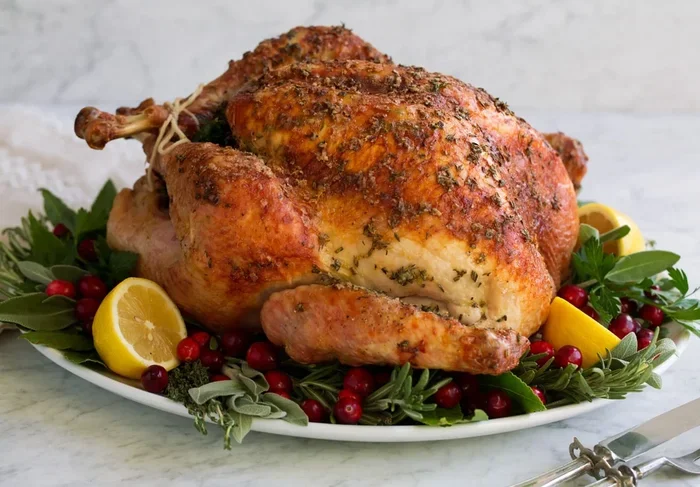
How To Reheat Whole Turkey In Oven is hands down the best method for bringing your leftover turkey back to life. The oven provides gentle, even heat that keeps the meat juicy and the skin crispy. Unlike microwaving, which can turn your turkey into a rubbery, uneven mess, reheating in the oven preserves the texture and taste you loved the first time around. It is simple, reliable, and works beautifully every time.
In this guide, we will walk you through every step of reheating a whole turkey in the oven. You will learn the right temperature, the best timing, and simple tricks to keep your leftover turkey moist and flavorful. Whether you are a beginner in the kitchen or a seasoned cook, this guide has everything you need for perfect reheating results. Let us get started.
Key Takeaways
- Oven reheating is the best method: It heats turkey evenly and keeps the meat juicy while crisping the skin.
- Set your oven to 325°F: This low and slow temperature prevents the turkey from drying out during reheating.
- Always use a meat thermometer: Check that the internal temperature reaches 165°F for food safety.
- Add liquid for moisture: Turkey stock, broth, or gravy helps keep the meat tender and flavorful.
- Wrap in aluminum foil: Foil traps steam and heat, creating a gentle reheating environment.
- Let the turkey rest after reheating: Resting allows juices to redistribute for a better eating experience.
- Avoid common mistakes: Overheating, skipping the resting period, and using the microwave are top errors to avoid.
📑 Table of Contents
- Why Reheating Turkey In The Oven Is The Best Method
- How To Prepare Your Leftover Turkey For Reheating
- The Right Oven Temperature For Reheating Turkey
- Step-By-Step Guide To Reheating A Whole Turkey In The Oven
- Tips For Keeping Your Reheated Turkey Moist And Juicy
- Common Mistakes People Make When Reheating Turkey
- Expert Tips And Pro Advice For Perfect Reheated Turkey
- Conclusion
Why Reheating Turkey In The Oven Is The Best Method
When it comes to reheating leftover turkey, you have a few options. You can use a microwave, a stovetop, or an oven. But for a whole turkey, the oven is by far the best choice. Here is why.
The Science Behind Oven Reheating
Ovens use dry, circulating heat to warm food evenly. This means every part of your turkey gets the same attention. The gentle heat slowly warms the meat without shocking it. This is important because sudden temperature changes can cause the protein fibers in the turkey to tighten up. When that happens, the meat squeezes out moisture and becomes dry and tough.
Ovens also allow you to control the environment. You can add moisture, wrap the turkey in foil, and adjust the temperature as needed. This level of control is something a microwave simply cannot offer. With an oven, you are in charge of the entire reheating process.
Oven vs Microwave vs Stovetop
Let us compare the three main methods for reheating turkey:
- Oven: Heats evenly, keeps meat moist, crisps the skin, and preserves the original texture. It takes longer but delivers the best results.
- Microwave: Heats quickly but often creates hot and cold spots. It can make the turkey rubbery and strip away the crispy skin.
- Stovetop: Works well for sliced turkey pieces but is not practical for a whole bird. It can also overcook the edges while the center stays cold.
As you can see, the oven wins for reheating a whole turkey. It may take a bit more time, but the results are worth every minute.
How To Prepare Your Leftover Turkey For Reheating
Before you turn on the oven, proper preparation makes a big difference. Taking a few simple steps upfront ensures your turkey reheats evenly and stays delicious.
Thawing And Bringing Turkey To Room Temperature
If your leftover turkey has been stored in the refrigerator, you need to plan ahead. Take the turkey out of the fridge about 30 to 45 minutes before you plan to reheat it. This allows the meat to come closer to room temperature. When the turkey starts from a warmer temperature, it heats more evenly in the oven.
Do not leave the turkey out for too long. Two hours is the maximum safe time at room temperature according to food safety guidelines. If your turkey is still frozen, thaw it in the refrigerator overnight before reheating. Never try to reheat a frozen whole turkey directly in the oven.
Setting Up Your Oven-Safe Pan
Choose a pan that fits your whole turkey comfortably. A roasting pan works best, but a large baking dish also does the job. Make sure the pan is deep enough to hold any juices or gravy you plan to add.
Line the bottom of the pan with a few tablespoons of turkey stock, broth, or water. This creates steam inside the pan, which helps keep the meat moist during reheating. You can also place a small rack at the bottom of the pan to elevate the turkey slightly. This allows heat to circulate around the bird more effectively.
The Right Oven Temperature For Reheating Turkey
Temperature control is the most important factor in how to reheat whole turkey in oven successfully. Too hot and the outside burns while the inside stays cold. Too low and the turkey takes forever to warm through.
Low And Slow vs High Heat
The best approach for reheating a whole turkey is low and slow. A temperature of 325°F works perfectly for this purpose. At this heat, the turkey warms gradually from the outside in. The meat stays tender, and the skin has a chance to crisp up nicely.
Some people prefer a higher temperature of 375°F to speed things up. While this does work, it carries more risk. The outer layers of the turkey can dry out before the center reaches a safe temperature. If you are short on time, 375°F is acceptable, but you will need to watch the turkey more carefully.
Recommended Temperature Settings
Here is a quick breakdown of the best temperature settings for different situations:
- 325°F (Recommended): Best for even heating and moisture retention. Ideal when you have 2 to 3 hours of reheating time.
- 350°F (Moderate): A good middle ground if you need to reheat faster. Monitor the turkey closely to prevent drying.
- 375°F (Faster): Use only if you are short on time. Cover the turkey tightly with foil to protect against drying out.
No matter which temperature you choose, always use a meat thermometer to check the internal temperature. The turkey is safe to eat when it reaches 165°F in the thickest part of the thigh and the thickest part of the breast.
Step-By-Step Guide To Reheating A Whole Turkey In The Oven
Now that you have your turkey prepared and your oven set to the right temperature, it is time to reheat. Follow these steps for perfect results every time.
Wrapping The Turkey In Foil
Take a large sheet of aluminum foil and gently wrap it around the entire turkey. The foil creates a sealed environment that traps steam and heat. This steam keeps the meat moist and helps the turkey warm up evenly.
Do not wrap the foil too tightly. Leave a little room for air circulation. You want the turkey to breathe slightly while still being enclosed. If you prefer crispy skin, you can remove the foil during the last 15 to 20 minutes of reheating. This lets the skin crisp up while the inside stays warm.
Adding Gravy And Liquid
One of the best secrets for reheating turkey is adding liquid. Pour a cup or two of turkey gravy, stock, or broth into the pan before placing the turkey inside. You can also spoon some gravy directly over the top of the bird before wrapping it in foil.
This liquid does two important things. First, it creates steam that keeps the meat from drying out. Second, it adds flavor as the liquid heats up and seeps into the turkey. If you do not have gravy on hand, plain chicken or turkey stock works just as well. Even a simple mixture of water with a little butter can make a noticeable difference in moisture and taste.
Checking Internal Temperature
This step is absolutely essential for food safety. Insert a meat thermometer into the thickest part of the turkey thigh, making sure the probe does not touch the bone. The internal temperature must reach 165°F before the turkey is safe to eat.
Check the temperature in at least two places: the thigh and the breast. If the turkey is not yet at 165°F, continue reheating and check again every 15 minutes. Be patient and do not rush this process. A properly reheated turkey is always better than a rushed one.
Resting The Turkey After Reheating
Once the turkey reaches 165°F, remove it from the oven and let it rest for 15 to 20 minutes. This resting period is just as important as the reheating itself. During rest, the juices inside the turkey redistribute evenly throughout the meat. When you slice into it, those juices stay inside the meat instead of running all over the cutting board.
Keep the turkey wrapped in foil during resting. The foil holds in warmth and continues to gently cook the meat for a few extra degrees. This carryover cooking helps the turkey reach an even temperature throughout.
Tips For Keeping Your Reheated Turkey Moist And Juicy
Even with the right temperature and timing, small details can make or break your reheated turkey. Here are some pro tips that make a real difference.
Using Turkey Stock Or Broth
Turkey stock is the single best liquid to use when reheating leftover turkey. It adds deep, rich flavor while keeping the meat moist. You can buy store-bought stock or make your own from the turkey carcass after the original roast. Either way, adding stock to the pan before reheating elevates the final result significantly.
If you do not have turkey stock, chicken stock is a great substitute. Vegetable broth also works for those who prefer a lighter option. Avoid using plain water, as it does not add any flavor to the meat.
Basting The Turkey During Reheating
Basting is a technique that professional chefs use to keep meat moist. Every 30 minutes or so, carefully open the foil and spoon some of the pan juices over the turkey. This adds moisture directly to the surface of the meat and helps the skin develop a nice golden color.
Be careful when removing the foil, as steam will be hot. Use oven mitts and tilt the foil away from you to avoid the steam blast. Basting is a simple step that takes just a few minutes but makes a noticeable difference in the final dish.
Slicing And Serving Suggestions
How you slice the turkey matters just as much as how you reheat it. Always use a sharp knife and cut against the grain of the meat. This produces tender slices that are easy to chew and full of juice.
Serve the reheated turkey with fresh gravy, cranberry sauce, and roasted vegetables. These sides complement the turkey beautifully and make the meal feel complete. A little fresh herbs like parsley or thyme sprinkled on top adds a bright, fresh flavor that pairs wonderfully with the rich, savory meat.
Common Mistakes People Make When Reheating Turkey
Even experienced cooks can make mistakes when reheating turkey. Knowing what to avoid saves you from dry, overcooked, or unsafe leftovers.
Overheating The Turkey
The most common mistake is turning the oven up too high to save time. High heat causes the outer layers of the turkey to dry out long before the center is warm. The result is a bird that looks golden on the outside but is dry and stringy on the inside.
Stick to 325°F and be patient. A whole turkey takes time to reheat properly. If you are in a real hurry, consider slicing the turkey into smaller pieces and reheating those instead. Smaller pieces warm up much faster and more evenly than a whole bird.
Skipping The Resting Period
Some people pull the turkey out of the oven and immediately start slicing. This is a big mistake. Without resting, the juices run out of the meat as soon as you cut into it. The result is dry, flavorless slices that nobody enjoys.
Always let the turkey rest for at least 15 minutes after reheating. Tent it loosely with foil during this time. The extra patience pays off with juicier, more flavorful slices.
Using The Microwave As A Shortcut
The microwave might seem like the fastest option, but it is the worst way to reheat a whole turkey. Microwaves heat unevenly, creating hot and cold spots. They also strip moisture from the meat, leaving it tough and rubbery. The skin becomes soggy and loses all its crispiness.
Save the microwave for reheating individual slices of turkey on a busy weekday. For a whole turkey, always use the oven. The extra 2 to 3 hours of reheating time is well worth the superior results.
Expert Tips And Pro Advice For Perfect Reheated Turkey
Professional chefs and cooking experts share a few additional tricks that take your reheated turkey to the next level.
Brine Or Season Before Reheating
If you have time, consider giving your leftover turkey a light brine or seasoning before reheating. A simple mixture of salt, pepper, and a little olive oil rubbed over the surface adds flavor and helps the skin crisp up in the oven. For a more dramatic effect, brine the turkey pieces in a saltwater solution for a few hours before reheating.
This step is especially helpful if the turkey has been in the refrigerator for several days. Refrigeration can dull the flavor of leftover meat. A fresh seasoning or light brine brings the taste back to life.
Reheat Gravy Separately
While the turkey reheats in the oven, warm the gravy on the stovetop. This gives you two perfectly heated components ready to serve at the same time. Warming the gravy separately also prevents it from getting diluted by the steam from the turkey.
Pour the reheated gravy into a gravy boat and keep it warm on the stove or in a slow cooker on the low setting. Your guests will appreciate having hot, fresh gravy to pour over their sliced turkey.
Plan Ahead For Holiday Leftovers
If you are reheating turkey after a holiday meal, plan ahead. The reheating process takes 2 to 3 hours for a whole turkey, so factor that into your schedule. Start the reheating process about 3 hours before you plan to serve the meal.
Many families enjoy reheated turkey sandwiches the next day, but a properly reheated whole turkey makes an equally impressive second dinner. With the right technique, your leftovers can taste just as good as the original meal. How To Reheat Whole Turkey In Oven is a skill that transforms your holiday leftovers into a completely new dining experience.
Conclusion
How To Reheat Whole Turkey In Oven is simpler than most people think. With the right temperature, proper preparation, and a little patience, you can bring your leftover turkey back to life in stunning fashion. The key is to keep the heat moderate, add moisture, and never skip the resting period.
Remember to always use a meat thermometer to ensure food safety. Wrap the turkey in foil to trap steam and heat. Add stock or gravy for extra moisture and flavor. And give the turkey time to rest after it comes out of the oven.
These simple steps turn ordinary leftovers into a meal that feels almost as good as the original roast. Your family and guests will never guess that the turkey on the table is a deliciously reheated leftover. So go ahead, pull that turkey out of the fridge, and bring it back to the table with confidence. A perfectly reheated whole turkey is one of the best gifts a leftover can give.
Frequently Asked Questions
Can I reheat a whole turkey in the oven without foil?
Yes, you can reheat turkey without foil, but the results will not be as moist. Foil traps steam and keeps the meat tender. If you skip the foil, add more liquid to the pan and check the internal temperature more frequently to prevent drying out.
How long does it take to reheat a whole turkey in the oven?
It typically takes 2 to 3 hours to reheat a whole turkey at 325°F. The exact time depends on the size of the bird. A 12-pound turkey might take closer to 2.5 hours, while a larger bird could take 3 hours or more. Always use a meat thermometer to confirm the internal temperature reaches 165°F.
What temperature should I reheat leftover turkey to?
The internal temperature of the reheated turkey must reach 165°F in both the thigh and the breast. This is the safe serving temperature recommended by food safety experts. Use a reliable meat thermometer and check in at least two spots before serving.
Can I reheat turkey that has been frozen?
Yes, but you must thaw the turkey completely before reheating. The safest method is to thaw it in the refrigerator overnight. Never reheat a frozen whole turkey directly in the oven, as the outside will overcook while the center remains frozen.
Is it safe to reheat turkey more than once?
It is best to reheat turkey only once. Each time you cool and reheat food, you increase the risk of bacterial growth. If you have a large amount of leftover turkey, reheat only the portion you plan to eat immediately and store the rest in the refrigerator.
How do I keep the turkey skin crispy when reheating?
To keep the skin crispy, remove the foil during the last 15 to 20 minutes of reheating. This allows the skin to crisp up while the inside stays warm. You can also brush the skin lightly with a small amount of oil or melted butter before the final reheating phase for extra crispiness.