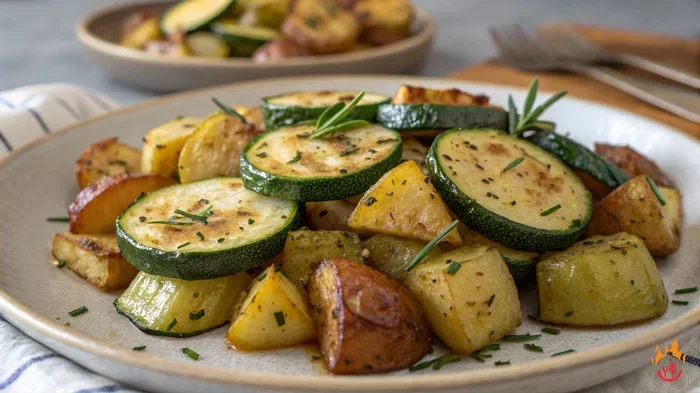
How To Cook Squash And Zucchini In Oven For Beginners
Cooking squash and zucchini in the oven is one of the simplest and most delicious ways to enjoy these versatile vegetables. This guide covers everything from choosing the right squash and zucchini to perfect oven temperatures and seasoning ideas. You will learn step-by-step methods that make oven-roasted squash and zucchini easy for any skill level.
Have you ever stared at a pile of squash and zucchini in your kitchen and wondered what to do with them? You are not alone. These vegetables show up at farmers markets and grocery stores every single season, and they are incredibly easy to work with.
Learning how to cook squash and zucchini in oven is one of the best kitchen skills you can pick up. It requires almost no effort, very few ingredients, and delivers amazing results every time. Whether you are a complete beginner or just looking for a simpler way to prepare these veggies, this guide has you covered.
The oven does most of the work for you. You slice, you season, you place them on a pan, and you wait. That is really it. The heat transforms these humble vegetables into something truly delicious. The natural sugars caramelize, the edges get crispy, and the inside becomes soft and tender. It is one of those simple vegetable roasting techniques that will change the way you cook forever.
So let us dive right in. By the end of this article, you will know exactly how to pick the best produce, what tools you need, the best temperatures and times to use, and plenty of seasoning ideas to keep things fresh. You will also learn some common mistakes to avoid and tips from experienced cooks that will level up your game right away.
Key Takeaways
- Easy Prep Work: Simple slicing and seasoning steps make this beginner-friendly.
- Perfect Oven Temperature: 400°F to 425°F brings out the best flavor and texture.
- Versatile Cooking Methods: You can roast, bake, or even make sheet pan veggie meals.
- Healthy and Nutritious: Both squash and zucchini are low-calorie, nutrient-dense vegetables.
- Seasoning Flexibility: Endless herb and spice combinations keep meals exciting.
- Quick Cooking Times: Most recipes take 20 to 40 minutes from start to finish.
- Meal Prep Friendly: Roasted squash and zucchini store well and reheat beautifully.
📑 Table of Contents
- Why Oven-Roasted Squash and Zucchini Is a Game Changer
- Choosing the Right Squash and Zucchini
- Tools and Equipment You Need
- Step-by-Step Guide to Cooking Squash and Zucchini in the Oven
- Seasoning Ideas and Flavor Combinations
- Common Mistakes to Avoid
- Storage and Reheating Tips
- Frequently Asked Questions
- Conclusion
Why Oven-Roasted Squash and Zucchini Is a Game Changer
If you have only ever boiled or steamed these vegetables, you are missing out. Roasting in the oven brings out a completely different flavor profile. The dry heat concentrates the natural sugars and creates those beautiful golden-brown edges that everyone loves.
The Flavor Difference Is Real
Boiled squash and zucchini can taste a bit bland and watery. But when you roast them, something magical happens. The moisture slowly evaporates, and the sugars on the surface start to brown. This process is called the Maillard reaction, and it is what gives roasted vegetables that deep, rich, almost sweet flavor that makes people come back for seconds.
Oven-roasted vegetables also develop a wonderful texture contrast. The outside gets slightly crispy while the inside stays creamy and soft. This is something boiling or steaming simply cannot achieve. Once you taste the difference, you will never go back.
Health Benefits of Roasting These Vegetables
Both squash and zucchini are packed with nutrients. They are low in calories but high in vitamins and minerals. Here is a quick look at what you get:
- Vitamin A: Especially abundant in winter squash varieties like butternut and acorn.
- Vitamin C: Found in both squash and zucchini, it supports your immune system.
- Fiber: Great for digestive health and keeping you feeling full longer.
- Potassium: Helps with muscle function and maintaining healthy blood pressure.
- Antioxidants: These compounds fight inflammation and protect your cells.
Roasting is also a great cooking method because it does not require added fats like deep frying. A light drizzle of olive oil is all you need to get started. This makes roasted squash and zucchini a perfect healthy side dish for almost any meal.
Choosing the Right Squash and Zucchini
Not all squash and zucchini are created equal. Different varieties work better for oven cooking, and knowing which ones to pick makes a big difference in your final result.
Summer Squash vs Winter Squash
Understanding the difference between summer and winter squash is the first step. Summer squash includes zucchini, yellow squash, and pattypan squash. These have thin, edible skins and high water content. They cook faster and tend to get softer.
Winter squash includes varieties like butternut, acorn, spaghetti, and kabocha. These have thick, hard rinds and denser flesh. They take longer to cook and hold their shape better. Both types roast beautifully in the oven, but they need slightly different treatment.
What to Look for When Buying
Here are some quick tips for selecting the best produce at the store or market:
- For zucchini: Pick firm ones that feel heavy for their size. Smaller zucchinis tend to be less seedy and more flavorful.
- For yellow squash: Choose ones with bright, unblemished skin. Avoid any that feel soft or have wrinkled spots.
- For butternut squash: Look for a heavy squash with a matte tan rind. The stem should be dry and firmly attached.
- For acorn squash: Pick ones that are deep green and heavy. Avoid any with orange spots, which indicate over-ripeness.
Fresh produce always roasts better. If your squash or zucchini feels mushy or looks dull, it is probably past its prime and will not cook as well.
Tools and Equipment You Need
One of the best things about oven-roasting vegetables is how little equipment you actually need. You do not need any fancy gadgets or expensive kitchen tools.
Essential Tools
Here is what you will need to get started:
- A sharp chef knife: You need to slice your vegetables evenly, so a good knife makes all the difference.
- A cutting board: A sturdy, stable surface keeps your hands safe while prepping.
- A large baking sheet: A standard half-sheet pan works perfectly for most batches.
- Parchment paper or a silicone mat: These prevent sticking and make cleanup a breeze.
- A large mixing bowl: Toss your sliced vegetables with oil and seasonings here.
- A spatula or tongs: For flipping the vegetables halfway through cooking.
That is it. You do not need a special roasting pan or any complicated equipment. A basic baking sheet lined with parchment paper will do the job beautifully.
Optional but Helpful Tools
If you want to take your roasting game to the next level, consider picking up a few of these items:
- A vegetable peeler: Useful for peeling thicker-skinned squash varieties.
- A mandoline slicer: Creates perfectly uniform thin slices for even cooking.
- A kitchen towel: Patting vegetables dry before seasoning helps achieve crispier results.
- A rimmed baking sheet: The rim keeps oil and seasoning from dripping onto your oven floor.
You do not need all of these to make great roasted vegetables. Start with the basics and add tools as you get more comfortable with the process.
Step-by-Step Guide to Cooking Squash and Zucchini in the Oven
Now let us get to the heart of the matter. Here is a clear, simple method for how to cook squash and zucchini in oven that works for nearly every variety.
Step 1: Preheat Your Oven
Start by preheating your oven to 400°F to 425°F. This is the sweet spot for roasting vegetables. The high heat helps the outside of the slices brown and crisp up while the inside cooks through. If you are using a convection oven, you can drop the temperature by about 25 degrees.
Preheating is important because it ensures the vegetables start cooking at the right temperature from the moment they hit the pan. Cold ovens lead to uneven cooking and soggy results.
Step 2: Wash and Prep Your Vegetables
Rinse your squash and zucchini under cool running water. Use a vegetable brush if the skin is dirty or waxy. Then pat them dry with a clean towel.
For summer squash and zucchini, you can leave the skin on. It is thin and edible. For winter squash like butternut, you will need to peel the thick rind first and then scoop out the seeds.
Step 3: Cut Into Even Pieces
Consistency is key when dicing squash and zucchini for oven roasting. Cut all your pieces to roughly the same size so they cook evenly. Here are some size guidelines:
- Cubes: Aim for about 1-inch pieces for most squash varieties.
- Zucchini rounds: Slice into 1/4-inch to 1/2-inch thick rounds.
- Half-moons: Cut zucchini lengthwise in half, then slice into half-moon shapes.
- Butternut squash: Peel, remove seeds, and cut into 1-inch cubes or lengthwise wedges.
Try not to make pieces too small, or they will shrink and possibly burn. And avoid making them too large, or they will not cook through properly.
Step 4: Season Generously
Place your cut vegetables in a large mixing bowl. Add olive oil and toss to coat every piece evenly. Then add your seasonings. Here are some of the best seasoning combinations for roasted squash and zucchini:
- Classic: Salt, black pepper, garlic powder, and a sprinkle of paprika.
- Italian: Dried oregano, basil, thyme, and a touch of red pepper flakes.
- Ranch Style: Ranch seasoning mix with a bit of extra olive oil.
- Sweet and Savory: Cinnamon, maple syrup, and a pinch of cumin.
- Simple and Clean: Just salt, pepper, and fresh lemon juice after roasting.
Do not be shy with your seasoning. The high oven heat can mute flavors, so a little extra goes a long way. Toss everything together until the pieces are evenly coated.
Step 5: Spread on the Baking Sheet
This is where many beginners make a mistake. Do not overcrowd the pan. Spread the vegetables in a single layer with space between each piece. Overcrowding traps steam and causes the vegetables to roast instead of roast properly.
If you have a lot of vegetables, use two baking sheets or work in batches. The extra space allows hot air to circulate around each piece, which is what creates those beautiful crispy edges.
Step 6: Roast and Check
Place the baking sheet in the preheated oven on the middle rack. Set a timer for 20 to 25 minutes for zucchini and summer squash, or 25 to 35 minutes for winter squash varieties like butternut.
After about 15 minutes, open the oven and check on your vegetables. Use a spatula to flip or toss them. This ensures even browning on all sides. The vegetables are done when they are fork tender and have golden-brown edges.
You can tell they are ready when a fork slides easily into the thickest piece. If it still feels hard, give them a few more minutes. Every oven is different, so keep an eye on them during the last few minutes.
Step 7: Serve and Enjoy
Remove the baking sheet from the oven and let the vegetables cool for a few minutes. They will continue to cook slightly from residual heat. Transfer them to a serving dish and enjoy them as-is or with a drizzle of olive oil and a squeeze of fresh lemon.
Roasted squash and zucchini taste great on their own, but they also pair wonderfully with proteins like grilled chicken or baked salmon. They make an excellent base for grain bowls, salads, and pasta dishes.
Seasoning Ideas and Flavor Combinations
One of the best things about roasting squash and zucchini is how customizable the flavor can be. You can easily change the seasoning to match whatever cuisine or mood you are in.
Quick Seasoning Mixes
Here are some ready-to-use seasoning blends that work beautifully with both squash and zucchini:
- Garlic Herb: Fresh minced garlic, rosemary, thyme, salt, and pepper.
- Smoky BBQ: Smoked paprika, cumin, chili powder, and a touch of brown sugar.
- Mediterranean: Oregano, basil, sun-dried tomato flakes, and a splash of balsamic vinegar after roasting.
- Curry Spice: Turmeric, cumin, coriander, and a pinch of garam masala.
- Everything Bagel: The classic everything bagel seasoning adds a fun and savory twist.
Adding Flavor After Roasting
Do not forget that seasoning does not stop when the vegetables come out of the oven. Here are some finishing touches that take your roasted vegetables to the next level:
- A squeeze of fresh lemon juice brightens up the flavors.
- A sprinkle of freshly grated Parmesan cheese adds richness.
- A drizzle of balsamic glaze gives a sweet and tangy finish.
- Fresh herbs like parsley, basil, or cilantro add a burst of color and freshness.
- A sprinkle of red pepper flakes adds a gentle heat.
These small additions make a huge difference and show off your cooking skills without adding much effort.
Common Mistakes to Avoid
Even though oven-roasting vegetables is simple, there are a few common mistakes that can ruin your results. Here is what to watch out for.
Overcrowding the Pan
This is the number one mistake people make. When you crowd too many vegetables onto one baking sheet, they steam instead of roast. The result is mushy, pale vegetables with no crispy edges. Always give each piece enough space. If you need to, use two pans or cook in two rounds.
Skipping the Preheat
Putting vegetables into a cold oven leads to uneven cooking and longer roast times. The vegetables release moisture before the oven reaches the right temperature, which can make them soggy. Always preheat your oven and let it reach the target temperature before adding your pan.
Using Too Much or Too Little Oil
Oil is essential for roasting because it helps transfer heat evenly and promotes browning. But too much oil makes vegetables greasy, and too little causes them to dry out and stick to the pan. A light, even coating is all you need. About one tablespoon of olive oil per medium-sized baking sheet is a good starting point.
Not Cutting Pieces Evenly
If your pieces are different sizes, they will cook at different rates. Small pieces will burn while large pieces stay undercooked. Take the extra time to cut your vegetables into uniform pieces. It makes a noticeable difference in the final result.
Forgetting to Flip
Vegetables tend to brown on the side that faces down. If you do not flip them halfway through cooking, you will end up with one side that is perfectly golden and another side that is pale and soft. Set a timer and give them a quick toss at the halfway mark.
Storage and Reheating Tips
Roasted squash and zucchini store well, which makes them great for meal prep. Here is how to handle leftovers properly.
Let the vegetables cool completely before storing. Place them in an airtight container and refrigerate for up to 4 to 5 days. You can also freeze roasted vegetables for longer storage, though the texture may change slightly after thawing.
To reheat, spread the vegetables on a baking sheet and warm them in the oven at 350°F for about 10 minutes. This helps restore some of the crispiness. Avoid microwaving if possible, as it tends to make roasted vegetables soggy and limp.
Meal prep with roasted vegetables is a fantastic time-saver. Make a big batch on Sunday and use them throughout the week in salads, wraps, pasta, or as a quick side dish for dinner.
Frequently Asked Questions
Can I use frozen squash and zucchini for oven roasting?
Yes, you can, but the results will not be as good as fresh. Frozen vegetables have extra moisture that can make them release water during roasting, leading to soggy results. If you must use frozen, thaw them first and pat them completely dry with a paper towel before seasoning and roasting.
What is the best temperature to roast squash and zucchini?
The ideal temperature range is 400°F to 425°F. This high heat allows the vegetables to caramelize on the outside while cooking through on the inside. Temperatures that are too low will cause the vegetables to steam and become soft without developing any crispy edges.
How long does it take to roast squash and zucchini in the oven?
It depends on the variety and size of your pieces. Zucchini and summer squash typically take 20 to 25 minutes. Winter squash varieties like butternut take 25 to 35 minutes. Always check for fork tenderness and golden-brown edges as your indicators of doneness.
Do I need to peel zucchini before roasting?
No, you do not need to peel zucchini. The skin is thin, edible, and contains a good amount of nutrients. Just wash it well and slice it up. The same goes for yellow summer squash. However, you should always peel thick-skinned winter squash varieties like butternut before roasting them.
Can I roast squash and zucchini together on the same pan?
Absolutely. They roast at similar temperatures and complement each other beautifully. The key is to cut them into similar-sized pieces so they cook at the same rate. You can also add other vegetables like bell peppers, onions, or cherry tomatoes to the same pan for a colorful and flavorful vegetable medley.
What can I serve with oven-roasted squash and zucchini?
These roasted vegetables pair well with almost any protein. Try serving them alongside grilled chicken, baked salmon, or a pork chop. They also work great in grain bowls with rice or quinoa, tossed into pasta, or layered into a quesadilla. For a lighter meal, add them to a fresh green salad with a lemon vinaigrette.
Conclusion
Learning how to cook squash and zucchini in oven is one of the easiest and most rewarding skills you can add to your kitchen repertoire. It requires minimal effort, a few simple ingredients, and an oven that is already warming up. The results are consistently delicious, healthy, and satisfying.
Whether you are roasting a quick weeknight side dish or meal prepping for the entire week, these vegetables deliver every single time. The beauty of oven-roasting is in its simplicity. You get to focus on the flavors and the process without worrying about complicated techniques or timing.
Remember to choose fresh produce, cut your pieces evenly, season generously, and give your vegetables enough space on the pan. Avoid the common mistakes we covered, and experiment with different seasoning blends to keep things interesting. Before long, oven-roasted squash and zucchini will become a staple in your household.
So grab a butternut squash or some fresh zucchini from your kitchen, preheat that oven, and give it a try. You will be amazed at how something so simple can taste so incredible. Happy roasting!