What Temperature To Set Oven To Keep Your Food Warm
The ideal what temperature to set oven to keep food warm is between 170°F and 200°F. This low heat keeps dishes safe, moist, and ready to serve without overcooking or drying out your meals.
When you’re cooking for a crowd or just trying to keep dinner warm until everyone sits down, the question what temperature to set oven to keep food warm comes up a lot. The answer is simpler than you think. A warming oven set to a low temperature can hold your dishes at a safe, delicious level without drying them out. In this guide, I’ll walk you through the exact settings, tips, and tricks to keep every meal hot and ready to serve. You’ll learn how to use your oven as a food warmer like a pro.
Many people worry about food safety when keeping dishes warm. The good news is that a low heat setting between 170°F and 200°F works perfectly. This range keeps food out of the danger zone where bacteria grow. I’ll also share how to handle different types of meals, from roasted meats to baked casseroles. By the end, you’ll know exactly how to use your thermostat and oven-safe tools to make warm, tasty food every time. Let’s dive in.
Keeping food warm isn’t just about comfort. It’s a key part of hosting a great meal. Whether you’re planning a holiday buffet, a casual family dinner, or a catered event, the holding temperature can make or break the experience. I’ve seen perfectly cooked meals turn dry and unappetizing because of a simple warming mistake. That’s why I put together this complete guide. You’ll find everything you need to know about low-temperature warming, from basic settings to expert tricks. Let’s get started.
Key Takeaways
- Low and slow is best: Set your oven between 170°F and 200°F to keep food warm safely.
- Use the right tools: Oven-safe pans, foil, and dish towels help retain moisture and heat.
- Avoid common mistakes: Don’t set the temperature too high or leave food in the oven too long.
- Different foods need different approaches: Casseroles, meats, and baked goods each have ideal warming methods.
- Food safety matters: Keep hot foods above 140°F to prevent bacterial growth.
- Expert tips make a difference: Resting meat, using residual heat, and preheating the oven all help.
📑 Table of Contents
What Temperature to Set Oven to Keep Food Warm
The best what temperature to set oven to keep food warm is around 170°F to 200°F (77°C to 93°C). This low heat gently maintains warmth without cooking the food further. Think of it as a holding temperature that keeps your meal ready for serving. Most ovens have a “warm” setting that falls in this range, often around 170°F. If your oven doesn’t have a warm setting, you can set it to 200°F and leave the door slightly ajar to release excess heat.
Using a warming oven at this temperature ensures your food stays safe. The USDA recommends keeping hot foods above 140°F. A thermostat set between 170°F and 200°F gives you a comfortable buffer. You won’t have to stress about food safety if you follow this simple rule. This low-temperature approach also preserves the texture and flavor of your dishes. It’s the secret behind many buffet and catering setups. I use this range every time I need to keep dishes ready for a crowd.
Why This Temperature Range Works
At 170°F to 200°F, the oven provides gentle, even heat. It doesn’t create hot spots that can dry out the edges of your food. The residual heat in the dish continues to warm the center. This slow, steady warmth is perfect for casseroles, roasted vegetables, and meats. You can keep food warm for up to two hours at this temperature without quality loss. The moisture inside the dish stays locked in, preventing that soggy or dried-out feeling.
I always remind my friends that a warming oven is not a cooking oven. The goal is maintenance, not further browning or crisping. That’s why the low heat matters so much. If you set it too high, you’ll undo all the hard work you put into preparing the meal. Keep it gentle and your food will thank you.
Key Takeaways
- Set between 170°F and 200°F: This is the safe, effective range for most dishes.
- Use the warm setting: Most ovens have a dedicated warm mode around 170°F.
- Leave the door ajar if needed: This prevents overheating in models that run hot.
- Check with a thermometer: An oven thermometer confirms the actual temperature inside.
Why Keeping Food Warm at the Right Heat Matters
Keeping food warm isn’t just about comfort. It’s about food safety and quality. When dishes sit out at room temperature, they enter the “danger zone” between 40°F and 140°F. Bacteria multiply rapidly in this range. Using a warming oven keeps your food above 140°F, slowing bacterial growth. This is especially important for buffet gatherings or holiday meals where food may sit for hours.
Beyond safety, the right heat preserves taste and texture. Too much heat turns crispy chicken skin soggy. It can also dry out meats and vegetables. Too little heat leaves food lukewarm and unappetizing. Finding the perfect holding temperature means your meal tastes just as good as when it first came out of the oven. I’ll show you how to achieve that balance.
The Danger Zone and Food Safety
The danger zone is a term used by food safety experts. It describes the temperature range where harmful bacteria grow fastest. Between 40°F and 140°F, pathogens like Salmonella and E. coli can double in number every 20 minutes. A warming oven set above 140°F keeps your food out of this risky area. Always use a food thermometer to check the internal temperature of meats and casseroles before serving.
If you’re catering or hosting a long event, plan your warming strategy ahead of time. A thermostat set correctly gives you peace of mind. You won’t have to guess whether your dishes are safe. This is especially crucial for dishes with cream sauces, eggs, or dairy, which spoil faster.
Residual Heat and Quality
Did you know your food continues to cook after you turn off the oven? This residual heat can raise the internal temperature of a dish by several degrees. By pulling your food out a few minutes early and letting it rest in a warm oven, you use this natural process to your advantage. It’s a trick many professional chefs use. The result is evenly heated food that stays moist and flavorful.
I often let roasted meats rest on the counter for 10 minutes before placing them in the warming oven. This resting period allows the juices to redistribute. When the meat then sits in a low oven, it stays warm without overcooking. The slow, steady warmth of the oven does the rest.
Key Takeaways
- Food safety is non-negotiable: Keep hot foods above 140°F at all times.
- Texture matters: The right heat preserves crispiness and moisture.
- Residual heat helps: Let food rest before placing it in the warming oven.
- Use a food thermometer: It’s the only way to know for sure your food is safe.
How to Set Your Oven for Warming
Setting your oven correctly is easy. First, preheat the oven to the desired warming temperature. Don’t skip this step. A preheated oven provides consistent heat from the start. If you’re using the “warm” setting, your oven will often reach it automatically. If you’re manually setting it to 170°F or 200°F, give it 10 to 15 minutes to stabilize.
Next, place your food in an oven-safe dish. Glass, ceramic, and metal pans work well. Avoid plastic or melamine dishes. Cover the dish with aluminum foil to trap moisture. The foil also reflects heat evenly, preventing the top from drying out. For extra insulation, you can wrap the dish in a dish towel before placing it in the oven. This simple step keeps food warm for longer.
Step-by-Step Setup for a Warming Oven
- Preheat the oven: Set it to 170°F or 200°F and let it reach temperature.
- Prepare your dish: Use an oven-safe pan or baking dish.
- Cover with foil: Tightly seal the dish with aluminum foil.
- Place in the oven: Put the dish on the middle rack for even heat.
- Set a timer: Check the food every 20 to 30 minutes.
- Verify temperature: Use a food thermometer to ensure it stays above 140°F.
Quick Tips for Setting the Right Warming Temperature
- Use an oven thermometer: Built-in thermostats can be off by 10 to 25 degrees. An oven thermometer gives you an accurate reading.
- Leave the door slightly ajar: If your oven runs hot, cracking the door a few inches releases excess heat and prevents overcooking.
- Check the temperature often: A quick read with a food thermometer ensures your dish stays in the safe zone.
- Avoid opening the door too much: Every time you open the door, heat escapes and the oven works harder to recover.
- Use a heavy pan: Thick, heavy pans retain heat better than thin ones. They keep food warm longer.
Key Takeaways
- Preheat first: A stable oven environment is essential for even warming.
- Cover your dishes: Foil and dish towels lock in moisture.
- Use the right pan: Only oven-safe materials should go in the oven.
- Monitor the time: Set reminders to check your food periodically.
Keeping Different Types of Food Warm in the Oven
Not all foods warm the same way. A casserole needs different care than a roast chicken. I’ll break down the best methods for common dishes. This way, you can keep every part of your meal at its best.
Casseroles and Baked Dishes
Casseroles are forgiving. They can hold in a warming oven at 170°F for up to 30 minutes without drying out. Cover them tightly with foil. The moisture trapped inside keeps the top from getting crispy or burnt. If you’re serving a baked pasta or lasagna, the foil method works perfectly. You can also place the dish on a middle rack for even heat distribution.
For dishes with a cheese crust, I recommend removing the foil for the last 5 minutes. This lets the cheese stay bubbly and golden. Just keep a close eye on it. The low heat of the oven won’t burn the cheese if you watch it.
Roasted Meats and Poultry
Roast chicken, turkey, or pork needs a slightly different approach. Set the oven to 170°F and place the meat on a wire rack over a baking sheet. The rack allows air to circulate, preventing the bottom from getting soggy. Tent the meat loosely with foil. This keeps the skin warm without trapping too much steam, which can make the skin soft. Let the meat rest for 10 to 15 minutes before tenting. This resting period allows the juices to redistribute.
For large cuts like a whole turkey, I suggest using a meat thermometer inserted into the thickest part. The internal temperature should stay above 140°F. If it drops lower, increase the oven temperature slightly to 200°F for a short time. Then reduce it back to 170°F.
Breads and Baked Goods
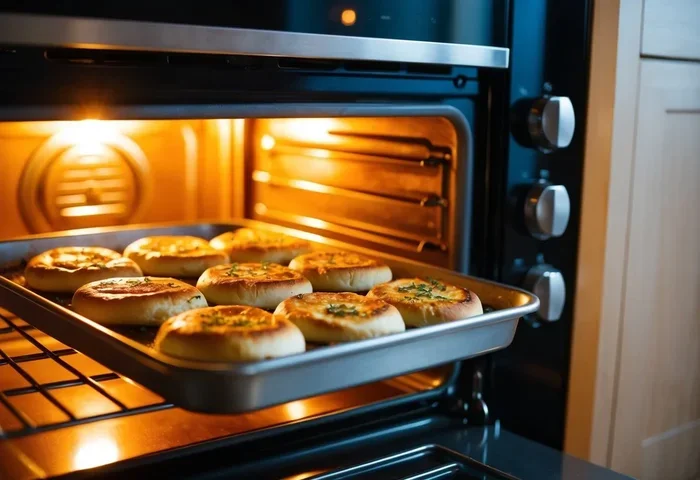
Fresh bread rolls or dinner rolls can be kept warm at 150°F to 170°F. Wrap them in a clean dish towel and place them in the oven. The towel absorbs excess steam, keeping the crust crispy. Avoid higher temperatures, which can turn the crust hard or burnt. For pizza slices, a low 170°F with a piece of foil works well. The residual heat from the crust melts the cheese gently.
I love using this method for dinner rolls at Thanksgiving. The towel keeps them soft and pillowy. You can also warm tortillas this way. Just wrap a stack in a damp dish towel and place them in the oven for 5 to 10 minutes.
Vegetables and Side Dishes
Roasted vegetables, mashed potatoes, and steamed sides hold up well at 170°F to 200°F. Spread them in a single layer on an oven-safe pan. Cover with foil to retain moisture. Stir halfway through if you’re keeping them for more than 20 minutes. This prevents the bottom from drying out. For green beans or broccoli, a quick toss in a little olive oil before warming helps them stay vibrant.
For mashed potatoes, I like to add a splash of milk or cream before covering with foil. This keeps them smooth and creamy. The warming oven gently heats them without forming a skin on top.
Comparison Table: Ideal Warming Settings for Common Foods
| Food Type | Ideal Warming Temp | Cover? | Max Time |
|---|---|---|---|
| Casseroles & Baked Dishes | 170°F | Yes (tight foil) | 30 minutes |
| Roasted Meats & Poultry | 170°F | Loose foil tent | 20 minutes |
| Breads & Rolls | 150°F–170°F | Dish towel | 15 minutes |
| Vegetables & Sides | 170°F–200°F | Yes (foil) | 20 minutes |
| Pizza & Fried Foods | 170°F | No (or light foil) | 10 minutes |
| Creamy Sauces & Gravy | 150°F–170°F | Yes (lid or foil) | 15 minutes |
Key Takeaways
- Match the method to the food: Casseroles need tight covers, breads need towels.
- Use a wire rack for meats: It promotes air circulation and prevents sogginess.
- Stir side dishes halfway: This prevents uneven drying.
- Adjust for crispy items: Pizza and fried foods can go uncovered for short periods.
Common Mistakes to Avoid When Keeping Food Warm
Even with the best intentions, it’s easy to make mistakes when using the oven to keep food warm. I’ve seen these errors many times in the kitchen. Avoiding them will save your meals from drying out or becoming unsafe.
Setting the Temperature Too High
The most common error is cranking the oven up to 300°F or higher, thinking it will warm food faster. In reality, high heat dries out the edges while the center stays cold. It can also overcook dishes that were already cooked. Stick to the 170°F to 200°F range. Low and slow is the golden rule of a warming oven. If you’re in a rush, use the broiler for just 1 to 2 minutes, but watch it closely.
I once made the mistake of setting my oven to 350°F to warm a casserole quickly. The edges turned crispy and brown while the center was still cool. It was a lesson I never forgot. Now I always set it to 170°F and let the gentle heat do its work. The result is evenly warm food that tastes fresh.
Leaving Food in the Oven Too Long
Food left in a warm oven for hours can lose its texture and flavor. Even at 170°F, extended heating turns moist dishes dry. It can also create a soggy top on casseroles. As a rule of thumb, don’t keep food warm for more than 2 hours. If you need to hold it longer, check the temperature with a food probe every 30 minutes. Discard any dish that drops below 140°F for more than 2 hours.
For buffet-style meals, I recommend warming only what you need. Start with a fresh batch every hour or so. This keeps everything at peak quality. Your guests will notice the difference in taste and texture.
Skipping the Cover
Leaving food uncovered in a warming oven lets moisture escape. The result is dried-out meat and crispy, burnt edges. Always use foil or a lid. The only exception is crispy foods like roasted potatoes or fried chicken, where you want to keep the crunch. For those, a light tent of foil or no cover at all works fine for short periods.
I always keep a roll of aluminum foil nearby when I’m using the oven to keep food warm. It’s the simplest and most effective tool for moisture control. A tight seal with foil can make the difference between a juicy roast and a dry one.
Using the Wrong Pan
Not all dishes are oven-safe. Plastic handles, melamine bowls, and some non-stick pans can’t handle the heat. Always check the manufacturer’s label. Using a warped or thin pan can cause uneven heating. Invest in heavy-duty, oven-safe ceramic or metal pans for the best results.
If you’re unsure about a dish, transfer the food to a known oven-safe container before warming. This small extra step prevents accidents and ensures even heating. It’s a habit that will save you from ruined meals.
Key Takeaways
- Avoid high heat: It dries out food and creates uneven warming.
- Limit holding time: Two hours is the maximum safe window.
- Always cover food: Foil or lids retain moisture and heat.
- Check your pans: Only oven-safe materials should be used.
Expert Tips for Long-Lasting Warmth
I’ve learned a few tricks from years of cooking and working with professional kitchens. These expert insights will help you keep food warm with confidence. They’re simple but make a big difference.
Preheat the Oven Before Adding Food
Never place cold food into a cold oven and expect it to warm evenly. Preheat the oven to your target warming temperature first. This ensures a stable environment from the moment the dish goes in. It’s like giving your food a warm blanket instead of a cold shock.
I always preheat my oven for at least 10 minutes before adding dishes. This small step makes a huge impact. The food warms up faster and more evenly. You’ll notice the difference in texture and taste.
Use the Double-Boiler Method for Sauces
If you’re keeping a sauce or gravy warm, the oven isn’t always the best choice. A double boiler on the stovetop gives you gentle, direct control. You can also set a heat-safe bowl over a pot of simmering water. This prevents the sauce from scorching or separating. It’s a great alternative to the warming oven for liquid-based dishes.
For cheese sauces, this method is especially helpful. The gentle steam heat keeps the sauce smooth without breaking. I use this for mac and cheese and cheese dips at every gathering.
Rest Meat Before Warming
Let your roasted meat rest on the counter for 10 to 15 minutes before placing it in the warming oven. This resting period allows the juices to settle. When you then place the meat in a low oven, it stays moist and warm without overcooking. The residual heat from resting does some of the work for you.
Professional kitchens always rest meat before holding it. It’s a standard practice that home cooks can easily adopt. The result is juicier, more flavorful meat that stays warm for longer.
Rotate Dishes for Even Heat
Ovens have hot and cool spots. To keep food evenly warm, rotate your dishes halfway through the holding time. Move the front rack to the back and vice versa. This simple step prevents one side from getting too hot while the other stays cool. It’s a pro tip that takes only a few seconds.
I set a timer to remind myself to rotate dishes. It’s an easy habit that makes a big difference. Your food will warm more consistently, and you won’t have any cold spots.
Keep a Water Pan for Moisture
For very long holding times, place a small pan of water on the bottom rack of the oven. The steam adds moisture to the air, which helps prevent dishes from drying out. This works especially well for casseroles and roasted vegetables. It’s a trick used in many catering and buffet setups.
A pan of water also helps stabilize the oven temperature. It acts as a heat buffer, preventing sudden spikes. This is especially useful in older ovens that tend to run hot.
Use a Warming Drawer if You Have One
Many modern ovens come with a warming drawer located below the oven. This drawer is designed specifically to keep food warm at a low, consistent temperature. It’s a great alternative to using the main oven compartment. The drawer holds heat well and doesn’t dry out food as much as the main oven can.
If you have a warming drawer, use it for breads, rolls, and plates. It’s a convenient way to keep everything at serving temperature without crowding the main oven. I use mine every time I host a dinner party.
Key Takeaways
- Preheat for stability: A warm oven environment ensures even heating.
- Steam helps sauces: Use a double boiler for smooth, creamy results.
- Rest meat first: It stays juicier when warmed gently afterward.
- Rotate dishes: Eliminates hot and cold spots in the oven.
- Add steam with a water pan: Keeps moisture levels high for long holds.
Now you know exactly what temperature to set oven to keep food warm. The answer is a low, steady 170°F to 200°F. This warming oven approach keeps your meals safe, moist, and delicious. Whether you’re hosting a holiday dinner, a casual buffet, or just keeping supper warm for a late family member, these tips will serve you well. Remember to use oven-safe dishes, cover with foil, and avoid leaving food too long. With a little practice, you’ll have perfectly warm food every time. Enjoy your meals and happy warming!
Frequently Asked Questions
What is the best temperature to keep food warm in the oven?
The best temperature is between 170°F and 200°F. This low heat keeps food safe and moist without overcooking it. It’s the ideal holding temperature for most dishes.
Can I leave food in the oven on warm all night?
No, you should not leave food in the oven for more than 2 hours. Even at a low warming oven temperature, bacteria can grow if food drops below 140°F. For safety, refrigerate leftovers promptly.
Do I need to cover food when keeping it warm in the oven?
Yes, covering food with aluminum foil or a lid traps moisture and prevents drying. The only exception is crispy items like roasted potatoes, where a light tent or no cover works for short periods.
Is it safe to use the oven’s warm setting?
Yes, the warm setting on most ovens is designed for this purpose. It typically holds a temperature around 170°F to 200°F. Always check your oven’s manual to confirm the exact temperature range.
How can I keep food warm without drying it out?
Use a low warming temperature, cover dishes tightly with foil, and limit holding time to two hours. You can also place a pan of water in the oven to add moisture to the air.
What if my oven runs too hot for warming?
If your oven runs hot, set it 10 to 25 degrees lower than the target and leave the door slightly ajar. Use an oven thermometer to monitor the actual temperature inside.