How To Know When A Gas Oven Is Preheated And Ready
Knowing when your gas oven is preheated is one of the simplest ways to improve your cooking results. Most gas ovens give clear signals like indicator lights, beeps, or visual cues that tell you the oven temperature has been reached. In this guide, we walk you through every method to confirm your gas oven preheat is complete so you never guess again.
Have you ever put a cake in the oven too early and wondered why it came out flat? Or maybe your pizza crust turned out soggy even though you followed the recipe perfectly? The culprit might be simple. Your oven might not have been preheated yet. How To Know When A Gas Oven Is Preheated is a question more people ask than you might think. Many home cooks assume the oven is ready after a few minutes. But that is not always true. A gas oven preheat takes time, and jumping in too early can ruin your dish. In this guide, we will show you exactly how to tell when your oven is fully preheated and ready. You will learn the signs, the sounds, the tools, and the tricks that make preheating a gas oven foolproof. Let us get into it.
Preheating is not just a suggestion on the recipe card. It is a critical step. When you place food in a preheated oven, the heat hits the surface immediately. This creates the Maillard reaction, which gives bread its golden crust and cookies their crispy edges. Without proper preheating, food cooks unevenly. The outside stays pale while the inside remains undercooked. A preheated oven also ensures your food cooks in the time the recipe states. So learning to recognize when your oven is truly oven ready is one of the best kitchen skills you can build. It is easy, it takes just a few minutes, and it makes a huge difference.
Key Takeaways
- Oven Indicator Lights: Most gas ovens use a light that goes off when the set cooking temperature is reached.
- Preheat Time Matters: A typical gas oven takes 10 to 15 minutes to reach the target baking temperature.
- Use an Oven Thermometer: Built-in sensors can be off by 25 degrees or more, so a separate oven thermometer gives you accuracy.
- Listen for Cues: Some models make a gas oven beep or sound alert when preheat complete.
- Avoid Opening the Door: Every time you open the door, heat escapes and the warm-up time increases.
- Know Your Oven: Different gas oven settings and models behave differently, so learn your specific unit.
📑 Table of Contents
- What Does It Mean When A Gas Oven Is Preheated?
- Signs Your Gas Oven Is Preheated And Ready
- How Long Does It Take To Preheat A Gas Oven?
- Common Mistakes People Make When Preheating
- Tips For Perfect Preheating Every Time
- Expert Advice On Gas Oven Preheat
- How To Know When A Gas Oven Is Preheated And Ready: The Complete Checklist
- Conclusion
What Does It Mean When A Gas Oven Is Preheated?
When we talk about preheating a gas oven, we mean bringing the inside of the oven up to the desired cooking temperature before you put food in. Think of it like warming up a car engine in winter. You want everything running at the right level before you start driving. A gas oven uses a burner at the bottom to produce heat. This heat rises and fills the cavity. The oven thermostat monitors the air temperature and shuts the burner off once the target is reached. But here is the thing. The air might feel hot, but the walls, the racks, and the tray might still be cold. True thermal equilibrium means everything inside the oven has absorbed enough heat to cook food evenly. That is what you are aiming for when you preheat a gas oven.
Different recipes call for different baking temperatures. Some need a blazing 450 degrees for a crisp pizza. Others need a gentle 325 degrees for a delicate custard. No matter the temperature, the principle is the same. Wait until the oven has fully stabilized at the set temperature before introducing your food. This is where many people make mistakes. They see a little heat and assume it is time to cook. But a properly preheated oven is about consistency, not just a warm feeling when you hold your hand inside.
Why Preheating Is Not Optional
Some recipes work fine even if you skip preheating. But most baked goods depend on it. Bread needs that initial blast of high heat to spring up and form a crust. Pastries rely on cold fat hitting hot air to create flaky layers. Even roasted vegetables benefit from a preheated oven because they caramelize faster and more evenly. When you skip the warm-up time, you are essentially asking your food to cook in a gradually heating environment. The results are often inconsistent. Taking those extra 10 to 15 minutes to wait pays off in flavor, texture, and appearance.
Signs Your Gas Oven Is Preheated And Ready
Modern gas ovens come with several built-in signals that tell you when the preheat cycle is done. Learning to read these signs is the first step in mastering your oven. Here are the most common ways your oven communicates that it is oven ready.
The Indicator Light
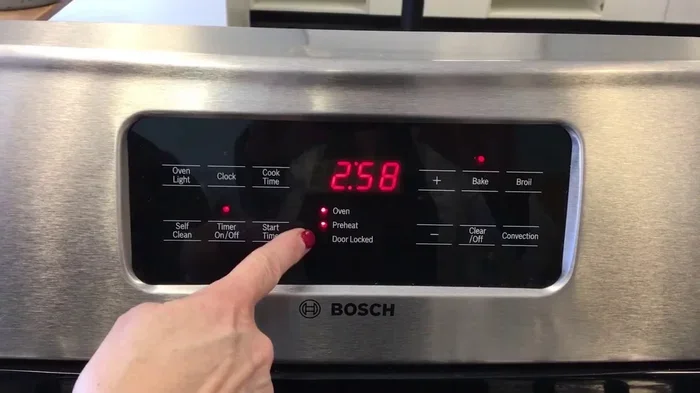
Most gas ovens have an indicator light on the control panel. This light is usually red or orange. When you set the oven temperature and turn it on, the light stays on. It means the burner is actively heating. Once the oven reaches the target temperature, the light goes off. That is your signal. The preheat complete phase has started. Some ovens use a glowing icon instead of a light. Look for a small picture of an oven or a thermometer symbol. When that icon disappears, your oven is ready.
The Beep or Alert Sound
Many newer gas ovens have a gas oven beep feature. After the preheat cycle finishes, the oven emits a short chime or beep. This is especially common in digital and smart ovens. If your oven has this feature, listen for it. Sometimes the beep is subtle, especially if you are playing music or talking. Stand near the oven during the preheating time so you do not miss the signal. If you are unsure whether your model has this feature, check the user manual. It will list all the oven preheat signals your specific unit uses.
The Display Screen
If your gas oven has a digital display, it often shows the current internal temperature in real time. During preheating, you will watch the numbers climb. When they stop rising and hold steady at your set temperature, the oven is ready. Some displays show a message like “Preheat Complete” or “Ready.” This is the clearest signal of all. If your oven has this feature, take full advantage of it.
Visual and Physical Cues
Not all ovens have fancy digital displays. Some are basic models with just a knob and a light. In that case, you can use your senses. First, look at the gas burner at the bottom of the oven. During preheating, the burner ignites in short bursts to maintain the temperature. Once the oven is preheated, the burner stays off. You might also notice the oven walls start to glow faintly when they are fully heated. Another clue is the air when you open the door slightly. Hot air will rush out in a strong wave when the oven is ready. But be careful. Opening the door releases heat and can reset the preheat cycle. Use this method sparingly.
How Long Does It Take To Preheat A Gas Oven?
The preheating time for a gas oven depends on several factors. Understanding these helps you plan your cooking better and avoids the frustration of guessing.
Average Preheat Times
Most gas ovens take between 10 and 15 minutes to reach a standard baking temperature of 350 degrees Fahrenheit. If you are setting the oven to a higher temperature like 450 or 500 degrees, expect the warm-up time to stretch to 20 minutes or more. Conversely, lower temperature settings like 250 degrees may only need 5 to 8 minutes. The key takeaway is that there is no single rule. Every oven is different, and the preheating time varies based on the target temperature.
Factors That Affect Preheat Speed
Several things influence how fast your oven reaches the desired temperature. The first is the size of the oven. A compact oven heats up faster than a large double oven. The second factor is the starting temperature. If the oven has been off for hours, it starts cold and takes longer. If you just used it 10 minutes ago, residual heat shortens the preheat time. The third factor is the oven rack placement. Pushing everything to the upper rack can block heat circulation and slow down the process. Finally, the age and condition of the oven matter. Older units with worn-out gas burners or faulty thermostats may take longer or never reach the correct temperature accurately.
Should You Preheat Overnight?
Some people wonder if they can preheat the oven the night before and leave it on. The short answer is no. Leaving a gas oven on unattended is a safety risk. It wastes gas and can damage the oven over time. Always preheat right before you need it. A preheated oven stays at the right temperature for a while after the preheat cycle ends, so you have a small window to load your food and get it in quickly.
Common Mistakes People Make When Preheating
Even experienced cooks make errors when it comes to preheating a gas oven. Here are the most common mistakes and how to avoid them.
Opening the Door Too Often
Every time you open the oven door, you let out a burst of hot air. The oven then has to work harder to recover the temperature. This extends the preheating time and can cause uneven heating. Resist the urge to peek inside. Trust the indicator light or the display. If you must check, do it quickly and close the door right away. The less you open the door, the more stable the oven temperature stays.
Assuming the Oven Is Ready Based on Time Alone
Setting a timer for 10 minutes and assuming the oven is ready is a risky habit. Preheat times vary. Your oven might need 12 minutes or 18 minutes depending on the temperature setting and the starting conditions. Instead of relying on a clock, watch for the actual signals. Let the indicator light go off or wait for the gas oven beep. This ensures your baking preheated oven is truly at the right temperature before you start cooking.
Ignoring the Oven Thermometer
Many people trust the oven’s built-in temperature display without question. But here is a truth not everyone knows. Built-in thermostats can be inaccurate by 25 degrees or more. That means your oven might be at 325 degrees when the display says 350. This can significantly affect your cooking results. An inexpensive oven thermometer takes the guesswork out of the equation. Place it on the middle rack during preheating and compare the reading to the display. If there is a gap, you now know how to adjust your oven settings going forward.
Overcrowding the Oven During Preheat
Some people place their food on the rack while the oven is still heating up. This blocks airflow and slows down the preheat process. Wait until the oven has fully reached the target temperature before putting anything inside. A preheated oven needs clear space for hot air to circulate freely around the food. This ensures even cooking and the best results.
Tips For Perfect Preheating Every Time
Getting the most out of your gas oven preheat is easier than you think. A few simple habits can transform your cooking results and save you time in the kitchen.
Invest in an Oven Thermometer
This is the single best thing you can do for your oven. A basic oven thermometer costs under fifteen dollars and lasts for years. Hang it on the middle rack and check it every time you preheat. Over time, you will learn exactly how your oven behaves. You will know if it runs hot, runs cold, or hits the temperature perfectly. This knowledge is invaluable for any home cook who wants consistent results.
Place Racks Correctly Before Preheating
Set your oven rack placement before you turn on the oven. Moving racks while the oven is hot is risky and can cause burns. It also disrupts the heat distribution. Most recipes call for the middle rack position. This allows hot air to flow evenly around the food. If you are baking on multiple levels, stagger the racks slightly so air can pass between them. Proper rack placement during the preheat phase sets the stage for even cooking.
Know Your Oven’s Hot Spots
Every oven has hot spots. These are areas where the heat is stronger or weaker. You can map them by placing a piece of bread on the oven tray and preheating to 350 degrees. Watch which sections toast first. Those are your hot spots. Once you know them, you can rotate your food halfway through cooking to ensure even browning and baking. This trick works for both conventional gas ovens and any other type.
Use the convection setting wisely
If your gas oven has a convection setting, it uses a fan to circulate hot air. This can reduce preheating time by a few minutes. However, not all recipes are designed for convection cooking. When using the convection setting, reduce the temperature by about 25 degrees from what the recipe calls for. This prevents food from overcooking on the outside while staying raw on the inside. Always check if your recipe specifies conventional or convection preheating before you start.
Keep the Oven Clean
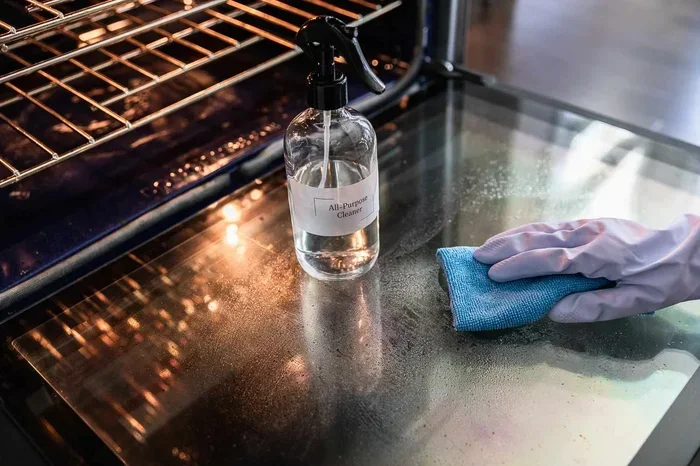
Spills and food debris inside the oven can affect heat distribution. Burnt residue on the oven floor can smoke and even affect the temperature reading. A clean oven heats more evenly and responds faster to temperature changes. Make it a habit to wipe down the inside after each use. This small maintenance step keeps your gas oven running at its best and ensures accurate preheating every time.
Expert Advice On Gas Oven Preheat
Professional chefs and baking experts agree on a few key principles when it comes to preheating a gas oven. These insights can take your cooking to the next level.
Patience Is a Skill
Chef Maria Lopez, a culinary instructor with over 20 years of experience, always tells her students to wait. “The number one mistake I see is impatience,” she says. “People put food in too early because they cannot wait for the oven to be fully preheated. That ten minutes you wait makes all the difference in the world.” Her advice is simple. Set a timer after you turn on the oven. Use that time to prep your ingredients. By the time the oven preheat signal goes off, you are ready to go.
Understand Your Specific Model
Oven expert James Chen recommends learning the quirks of your specific gas oven model. “Every oven is different,” he explains. “Some beep when they are preheated. Some show a light. And some do nothing at all.” Chen suggests spending 15 minutes with your oven just to observe it. Set it to 350 degrees and watch what happens. Note the preheating time, the signals it gives, and how it behaves once it reaches the target temperature. This hands-on knowledge makes you a better cook and removes all guesswork.
The Role of Calibration
Over time, the thermostat in your gas oven can drift out of alignment. This means the displayed temperature does not match the actual temperature inside. This is called oven calibration drift. Most ovens can be recalibrated by adjusting a screw behind the temperature knob or through the digital settings panel. If your food consistently burns or undercooks despite following recipes exactly, it might be time to check your oven calibration. A properly calibrated oven gives you confidence that every recipe will turn out as intended.
Gas Oven vs Electric Oven Preheat
It is worth noting that gas ovens and electric ovens behave differently during preheating. Gas ovens tend to heat up faster but can have more temperature fluctuation. The burner cycles on and off to maintain the set temperature, which can cause slight dips. Electric ovens heat more slowly but maintain a steadier temperature once they arrive. Understanding this difference helps you adjust your expectations. A gas oven might need you to wait an extra minute after the light goes off to ensure true thermal equilibrium. An electric oven might be more predictable from the start.
How To Know When A Gas Oven Is Preheated And Ready: The Complete Checklist
Now that you understand all the signs and signals, here is a simple checklist you can follow every time you need to preheat your gas oven. Print it out or save it to your phone. It takes the guesswork out of the process entirely.
- Clear the oven of any leftover food or trays.
- Set the oven temperature to what your recipe requires.
- Place your oven rack in the correct position before turning on the oven.
- Turn on the oven and wait for the indicator light to go off.
- If your oven has a display, watch for the temperature to stabilize at the set number.
- Listen for a gas oven beep or preheat complete alert if your model has one.
- For extra accuracy, use an oven thermometer to confirm the actual temperature inside.
- Once all signals confirm preheat complete, load your food quickly and close the door.
- Set your cooking timer and start the recipe as directed.
Following this checklist every time builds a habit. Soon you will not even need to think about it. Your hands will move through the steps automatically. And your food will always cook better because you started with a truly preheated oven.
Conclusion
How To Know When A Gas Oven Is Preheated is a skill that every home cook should master. It is not complicated. You just need to pay attention to the signals your oven gives you. Watch the indicator light, listen for the gas oven beep, check the display, and use an oven thermometer for accuracy. Most importantly, be patient. A gas oven preheat takes time, and rushing it is the fastest way to uneven cooking and disappointing results. When you take those extra minutes to ensure your oven is preheated and ready, you are setting yourself up for success. Every perfectly baked loaf, every golden roast, and every crispy pizza starts with a preheated oven. Now that you know exactly what to look for, you can walk into your kitchen with confidence every single time.
The next time you reach for a recipe, take a moment to preheat your gas oven properly. Use the tips and tricks from this guide. Trust the signals. Check the temperature. And remember that great cooking starts long before the food goes in. It starts with knowing your oven is truly ready. Happy cooking.
Frequently Asked Questions
How do I know if my gas oven is preheated?
Most gas ovens use an indicator light that goes off when the oven temperature has been reached. Some models also emit a gas oven beep or display a “Preheat Complete” message on the screen. If your oven has none of these, use an oven thermometer to check the actual temperature inside.
How long does it take to preheat a gas oven?
A typical gas oven takes 10 to 15 minutes to preheat to 350 degrees Fahrenheit. Higher temperature settings like 450 degrees may take 20 minutes or more. The preheating time depends on your oven model, the starting temperature, and the target baking temperature.
Can I use my gas oven while it is preheating?
You should not place food in the oven while it is still preheating. The oven temperature has not stabilized yet, which leads to uneven cooking. Wait until the indicator light goes off or the oven signals that preheat complete before loading your food.
Why does my gas oven take so long to preheat?
Several factors can slow down the warm-up time. A cold oven that has been off for hours takes longer. Older ovens with worn gas burners may heat slowly. Overcrowded racks or dirty oven interiors can also block heat flow and extend the preheating time.
Is an oven thermometer necessary for preheating?
While not absolutely required, an oven thermometer is highly recommended. Built-in oven thermostats can be inaccurate by 25 degrees or more. An oven thermometer gives you a reliable reading of the actual temperature inside, ensuring your food cooks at the right heat level.
What is the difference between preheating a gas oven and an electric oven?
Gas ovens generally heat up faster but can have more temperature fluctuation as the burner cycles on and off. Electric ovens heat more slowly but tend to maintain a steadier temperature once they arrive at the target. Both types require you to wait for a clear preheat signal before adding food.
=== CONCLUSION ===
Mastering how to know when a gas oven is preheated is one of the easiest ways to improve your everyday cooking. The indicator light, the oven beep, the stable display reading, and the trusty oven thermometer are all tools at your fingertips. Use them together and you will never second-guess whether your oven is oven ready. Take the time to learn your specific model, follow the checklist, and build the habit of waiting for the right preheat signal. Your food will taste better, look better, and cook more consistently. A preheated gas oven is the foundation of great cooking. Start there every time and watch your results transform.