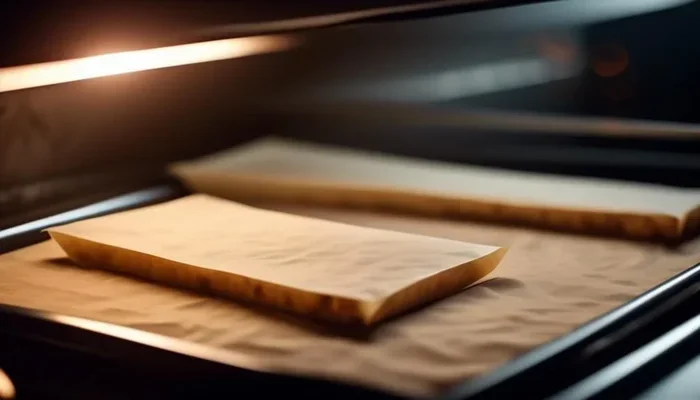
How Hot An Oven Can You Use Parchment Paper Safely
How hot an oven can you use parchment paper safely? Most parchment paper handles up to 425°F (220°C). This makes it perfect for baking cookies, roasting veggies, and more. Learn the exact parchment paper temperature limit and avoid common mistakes that cause burning.
If you’ve ever asked, how hot an oven can you use parchment paper, you’re in good company. This kitchen staple makes baking and cleanup a breeze, but it does have a heat limit. Knowing that limit can save you from smoke, mess, or even a small kitchen fire.
Parchment paper is a thin sheet coated with silicone. This coating gives it non-stick and heat-resistant properties. But not all parchment paper is created equal. The parchment paper maximum temperature depends on the brand, the type, and whether it’s bleached or unbleached. Most standard rolls handle up to 425°F (220°C). Some premium brands claim 450°F (230°C). Always check the box before you preheat.
In this guide, I’ll walk you through the safe temperature range, what happens if you exceed it, and the best ways to use parchment paper in different ovens. You’ll also learn when to skip it entirely and which alternatives work best. By the end, you’ll feel confident lining your baking sheets without any worry.
Key Takeaways
- Parchment paper can handle up to 425°F (220°C): This is the standard safe limit for most brands. Always check the package for exact guidance.
- Never use parchment paper under the broiler: The direct high heat can ignite the paper in seconds.
- Wax paper is not a substitute: It will melt and smoke at low temperatures. Only use true parchment paper in the oven.
- Line baking sheets properly: Avoid overlapping edges to prevent heat traps and uneven browning.
- Reuse parchment paper when possible: It often survives multiple bakes if it hasn’t browned or crumbled.
- Know your oven type: Toaster ovens and air fryers have tighter spaces, so keep temperatures lower to stay safe.
📑 Table of Contents
- What Is Parchment Paper and Why It’s a Kitchen Staple
- How Hot Can Parchment Paper Get? The Science of Heat Resistance
- Safe Oven Temperatures for Parchment Paper
- When to Avoid Parchment Paper (and What to Use Instead)
- Pro Tips for Using Parchment Paper in the Oven
- Common Mistakes and How to Avoid Them
- The Bottom Line: Parchment Paper Safety at a Glance
What Is Parchment Paper and Why It’s a Kitchen Staple
Parchment paper is a paperboard that’s been treated with silicone or other non-stick coatings. The result is a smooth, grease-resistant sheet that slides easily into baking pans. Bakers love it because it promotes even baking and prevents sticking. Cleanup becomes a simple lift-and-toss task.
The silicone coating is what makes parchment paper oven-safe. Unlike regular paper, it can handle moderate heat without burning. This is why it’s a go-to for cookie baking, roasting vegetables, and lining pizza stones. It also makes easy cleanup a reality, since food rarely adheres to the surface.
The Coating That Makes It Heat-Resistant
The silicone treatment creates a barrier between the food and the metal pan. This barrier reflects heat evenly. It also prevents direct contact with hot spots that can cause uneven browning. When you line a baking sheet, you’re essentially creating a smooth, non-stick surface that helps your food release cleanly.
Not all silicone coatings are the same. Some brands use a lighter coating, which lowers the heat tolerance. Others use a heavier, denser silicone layer that can withstand higher temperatures. This is why reading the package is so important. Look for the words oven-safe parchment or a specific temperature rating.
Parchment Paper vs. Wax Paper: A Quick Comparison
Many people confuse parchment paper with wax paper. They look similar, but they behave very differently in the oven. Wax paper has a wax coating that melts at low temperatures. It can smoke, stick to food, and even catch fire if exposed to heat. Parchment paper, on the other hand, is designed for oven use.
| Material | Max Temp | Best For | Avoid |
|---|---|---|---|
| Parchment Paper | 425°F – 450°F (220°C – 230°C) | Baking cookies, roasting veggies, lining pans | Direct broiler heat |
| Wax Paper | Not oven-safe | Wrapping cold food, countertop prep | Ovens, microwaves, hot surfaces |
| Aluminum Foil | Up to 600°F (315°C) | Broiling, high-heat roasting, grilling | Acidic foods (can react) |
| Silicone Baking Mat | Up to 480°F (250°C) | Reusable baking, pastry, cookies | Direct flame or broiler |
Use this table to decide which liner fits your task. For most baking and roasting, parchment paper is the best choice. For tasks that involve direct high heat, reach for foil or a silicone mat.
How Hot Can Parchment Paper Get? The Science of Heat Resistance
The parchment paper burn temperature is a key concept to understand. Most parchment paper will start to smoke around 425°F (220°C). At higher temperatures, the silicone coating can begin to break down. The paper itself can ignite if it reaches its ignition point, which is typically around 450°F (230°C).
However, these numbers can vary. The parchment paper maximum temperature is not a single fixed number. It depends on the brand, the weight of the paper, and whether it’s bleached or unbleached. Unbleached parchment paper often has a slightly lower heat tolerance because it contains fewer chemical treatments. Bleached parchment paper may withstand a few extra degrees.
The Maximum Temperature Most Brands Allow
Most major parchment paper brands print a safe temperature on the box. The most common rating is 425°F (220°C). Some high-quality brands rate their paper up to 450°F (230°C). If you can’t find the rating, assume 425°F is the safe ceiling. Staying below this limit ensures you won’t encounter smoke or scorch marks.
Here’s a simple rule of thumb: if your recipe calls for 350°F to 425°F, parchment paper is perfectly safe. If you need temperatures above 450°F, switch to aluminum foil or a silicone baking mat. Never let parchment paper sit unattended at high heat.
What Happens When Parchment Paper Gets Too Hot?
When parchment paper exceeds its safe limit, several things can happen. First, the edges may begin to brown or curl. This is a sign that the silicone coating is degrading. Next, the paper may start to smoke. The smoke can carry a faint chemical smell, which is unappetizing and can affect the flavor of your food.
In the worst case, parchment paper can catch fire. This is rare, but it can happen if the paper touches a heating element or is left in a very hot oven for too long. If you see flames, turn off the oven and keep the door closed. The lack of oxygen will usually smother the flames. Never throw water on a paper fire inside an oven.
Quick Tip: If you see wisps of smoke, pull the tray out immediately. Let the paper cool before handling it. A little smoke doesn’t always mean disaster, but it’s a clear warning sign.
Safe Oven Temperatures for Parchment Paper
Knowing the safe temperature range is only half the battle. You also need to understand how your specific oven affects parchment paper. Different oven types and cooking methods create different heat environments. Let’s break down the most common scenarios.
Standard Baking and Roasting Temperatures
For everyday baking, parchment paper shines at 350°F to 425°F (175°C to 220°C). This range covers the vast majority of recipes. Chocolate chip cookies bake beautifully at 350°F on parchment. Roasted vegetables caramelize perfectly at 400°F. Even a pizza baked at 425°F benefits from the non-stick surface.
Here are some common uses and their ideal temperatures:
- Cookies: 325°F – 375°F (165°C – 190°C)
- Roasted vegetables: 400°F – 425°F (200°C – 220°C)
- Baked potatoes: 400°F – 425°F (200°C – 220°C)
- Pizza: 425°F – 450°F (220°C – 230°C)
- Cakes and brownies: 325°F – 350°F (165°C – 175°C)
As you can see, most of these fall within the safe zone. The key is to never exceed the temperature printed on your parchment paper package.
Parchment Paper in a Toaster Oven or Air Fryer
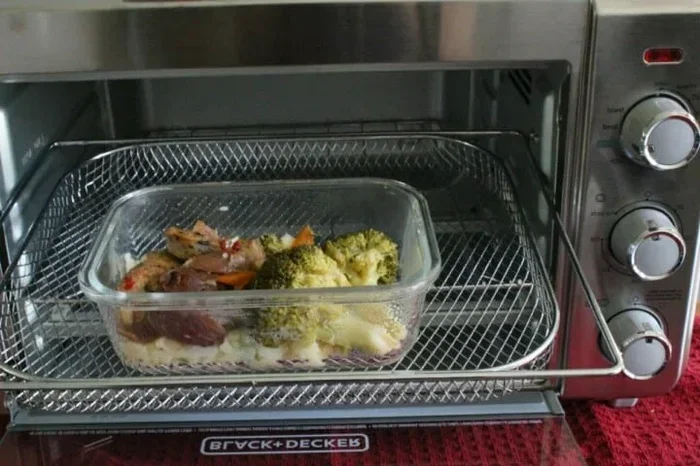
Toaster ovens and air fryers are smaller than conventional ovens. The heating elements are often closer to the food. This means the parchment paper can heat up faster and more unevenly. For these appliances, I recommend keeping the temperature at or below 400°F (200°C).
In a toaster oven, the parchment paper can be exposed to direct radiant heat from the top element. This can cause the paper to scorch or ignite. To stay safe, use a smaller cut of parchment that fits snugly in the pan. Never let the paper hang over the edges and touch the heating element.
For air fryers, the rapid hot air circulation can cause the parchment paper to billow. If the paper blocks the air vents, it can create pressure and potentially ignite. Use parchment paper specifically designed for air fryers, or cut a circle that fits the basket without covering the holes. Keep the temperature at 400°F or lower for air fryer parchment paper safety.
When to Avoid Parchment Paper (and What to Use Instead)
Parchment paper is incredibly versatile, but it’s not the right tool for every situation. There are specific times when using parchment paper can be dangerous or ineffective. Knowing these moments will keep your kitchen safe and your food cooking perfectly.
The Broiler Is a No-Go Zone
The broiler uses direct, high-intensity heat from above. Temperatures under the broiler can exceed 500°F (260°C). Parchment paper simply cannot withstand this. It will scorch, smoke, and potentially ignite within seconds. The parchment paper not for broiler rule is one of the most important safety tips to remember.
If you’re broiling steak, salmon, or vegetables, skip the parchment paper. Use a heavy-duty aluminum foil instead. Foil can handle the extreme radiant heat. It also makes cleanup a breeze. Just line the broiler pan with foil, poke a few holes to let excess fat drain away, and you’re set.
Direct Contact with Heating Elements
Parchment paper should never touch the heating elements directly. This includes the top element in a conventional oven or the bottom element in a convection oven. Even at moderate temperatures, direct contact can cause the paper to burn. The paper can then drop into the oven cavity and potentially start a fire.
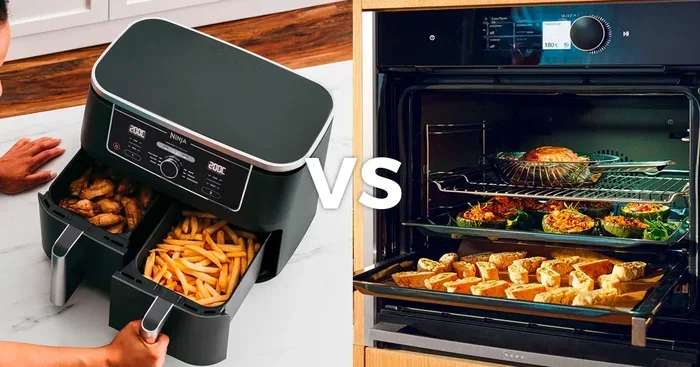
Always center your food on the middle rack. Use a baking sheet that fits the oven without touching the sides or the heating elements. If you’re using a convection oven, the fan can blow the parchment paper around. Use a heavy baking sheet or a silicone mat to keep the paper in place.
Quick Tip: For tasks that require very high heat, like searing or broiling, reach for aluminum foil or a bare, unlined baking sheet. These alternatives can handle temperatures that parchment paper cannot.
Pro Tips for Using Parchment Paper in the Oven
Using parchment paper correctly can make a huge difference in your baking results. A few simple habits will keep your food safe and your cleanup easy. Here are the best practices that every home cook should follow.
Quick Tips for Perfect Results
- Cut sheets to fit the pan: A snug fit prevents the paper from shifting and touching the oven walls or heating elements.
- Avoid overlapping edges: Overlapping creates thick spots that can brown or scorch unevenly. Use one flat sheet per pan.
- Don’t let paper hang over the edge: Overhanging parchment can catch on the oven rack or brush against the heating element.
- Use unbleached for high-heat baking: Unbleached parchment paper has fewer chemical treatments and can be slightly more heat-stable.
- Preheat with the paper in place: It’s safe to put parchment paper in a cold pan and then preheat the oven. This reduces the risk of the paper shifting when you slide the pan in.
- Reuse when possible: If the paper is still clean and hasn’t browned, you can use it for a second batch.
Expert Insights: How to Reuse Parchment Paper
Many bakers wonder if parchment paper can be reused. The answer is yes, in most cases. After baking cookies or roasted vegetables, the paper often remains clean. Let it cool completely, then gently wipe off any crumbs or grease. As long as the paper hasn’t turned brown or brittle, it’s safe for another round.
Some bakers also use the same sheet for multiple batches of cookies. The paper can actually improve the second batch because the residual oil on the paper helps the cookies brown evenly. Just keep an eye on the edges. If the paper starts to brown or curl, it’s time to replace it.
For those who bake frequently, consider investing in a reusable parchment paper alternative. Silicone baking mats are a popular choice. They can withstand temperatures up to 480°F (250°C) and last for thousands of uses. They’re a great eco-friendly swap for single-use parchment paper.
Common Mistakes and How to Avoid Them
Even experienced bakers can make mistakes with parchment paper. These small errors can lead to smoke, uneven baking, or even a kitchen scare. Here are the most common pitfalls and how to avoid them.
Overlapping Paper and Heat Traps
When you need to line a large baking sheet, it’s tempting to use two sheets of parchment paper and overlap them. This creates a thick seam that can trap heat. The overlapping area will brown faster than the rest of the paper, and it can even scorch or ignite at high temperatures.
Instead, use a single sheet that fits the pan properly. If you must use two sheets, make sure they don’t overlap at all. Trim the edges so they sit flat on the pan. A well-fitted single sheet gives you the best results and the safest baking experience.
Forgetting the Oven Type Matters
Not all ovens heat the same way. Conventional ovens rely on radiant heat from the bottom and top elements. Convection ovens use a fan to circulate hot air. The fan can cause parchment paper to billow or shift. In a convection oven, the parchment paper may experience more direct airflow, which can dry it out faster and increase the risk of scorching.
For parchment paper in a convection oven, keep the temperature at the lower end of the safe range. Use a heavy baking sheet to weigh down the paper. If the paper keeps moving, use a small dab of food-safe oil or a tiny piece of foil to secure the corners to the pan.
Using the Wrong Type of Parchment Paper
Not all parchment paper is labeled the same. Some are marketed as “bakery parchment,” while others are “compostable parchment” or “non-stick baking paper.” The terms can be confusing. Always look for a specific oven-safe temperature rating. If the package doesn’t mention a temperature, it’s best to avoid using it in a hot oven.
Also, be wary of parchment paper that has a printed side. Some brands print designs on one side. The ink is usually food-safe, but at high temperatures, it can scorch and affect the taste. Place the printed side down if you’re baking directly on the paper, or use the unprinted side for high-heat tasks.
The Bottom Line: Parchment Paper Safety at a Glance
Parchment paper is one of the most useful tools in any kitchen. It makes baking easier and cleanup faster. But safety always comes first. The simple truth is that parchment paper has a heat limit, and respecting that limit is the key to trouble-free cooking.
Most parchment paper is safe up to 425°F (220°C). Some premium brands can handle 450°F (230°C). Never use it under the broiler or in direct contact with heating elements. Keep the temperature within the recommended range, and your parchment paper will perform beautifully every time.
So, how hot an oven can you use parchment paper? For most home baking, stay at or below 425°F. Check the package, use common sense, and never leave a hot oven unattended. With these guidelines in mind, you can enjoy perfectly baked goods and a clean kitchen with complete confidence.
Next time you line a baking sheet, you’ll know exactly what your parchment paper can handle. Use it wisely, and it will make your cooking life easier, safer, and more enjoyable.
Frequently Asked Questions
Can parchment paper go in the oven at 450°F?
It depends on the brand. Some parchment papers are rated for 450°F (230°C), but most standard rolls are safe up to 425°F (220°C). Always check the package for the specific temperature limit. If you’re unsure, stick to 425°F to be safe.
Is parchment paper safe for air fryers?
Yes, parchment paper is safe for air fryers as long as you keep the temperature at or below 400°F (200°C). Use a cut piece that fits the basket without covering the air vents. Never let the paper hang over the edges where it can touch the heating element.
What happens if parchment paper catches fire?
If parchment paper catches fire, turn off the oven immediately and keep the door closed. The lack of oxygen will usually smother the flames. Never open the door or throw water on the fire. Let the oven cool completely before removing the paper.
Can you reuse parchment paper?
Yes, you can reuse parchment paper if it’s still clean and hasn’t browned or crumbled. After each use, let it cool, wipe off any food residue, and store it flat. If the paper becomes brittle or dark, discard it and use a fresh sheet.
Does parchment paper affect baking time?
Parchment paper promotes even heat distribution, which can slightly reduce baking time in some cases. The non-stick surface also prevents sticking, so you don’t need to adjust the time significantly. Just keep an eye on your food as you normally would.
Is bleached parchment paper safe?
Yes, bleached parchment paper is food-safe and oven-safe. The bleaching process is minimal and doesn’t affect its performance at normal baking temperatures. However, unbleached parchment paper is often preferred by those who want a more natural, chemical-free option.