What To Preheat Oven For Potatoes For Crispy Results
Preheating your oven to the right temperature is the secret to perfectly crispy potatoes. Whether you are making roasted potatoes, potato wedges, or oven-baked fries, the correct preheat setting transforms your spuds from bland to brilliant. Most potato recipes call for an oven preheated to 400°F to 425°F for the best golden, crunchy exterior and fluffy interior. This guide covers every temperature, timing, and technique you need for crispy results.
There is nothing quite like a tray of golden, crispy potatoes fresh out of the oven. The crunchy exterior gives way to a soft, fluffy inside, and the aroma fills your entire kitchen. But here is the thing most people overlook: preheating your oven correctly makes all the difference between mediocre spuds and restaurant-quality results.
Whether you are making roasted potatoes for dinner, preparing crispy potato wedges for game day, or baking a simple side of oven-baked french fries, the preheat step matters. Many home cooks skip it or set the wrong temperature. The result? Soggy, pale, unevenly cooked potatoes that nobody wants seconds of.
This guide will walk you through exactly what to preheat your oven for potatoes every single time. You will learn the ideal temperatures, cooking times, and pro techniques that guarantee crispy perfection. By the end, you will never serve a limp potato again.
Key Takeaways
- 400°F to 425°F is the sweet spot for preheating your oven when cooking potatoes for maximum crispiness.
- Always preheat for at least 15 to 20 minutes to ensure the oven reaches the target temperature evenly.
- Russet potatoes and Yukon Gold potatoes are the best varieties for oven-roasting and achieving a crispy texture.
- Cutting potatoes into uniform sizes ensures even cooking and consistent crispiness throughout.
- Using a wire rack on a baking sheet promotes airflow and helps potatoes crisp up better than flat pans.
- Avoid overcrowding the pan, as this traps steam and prevents potatoes from becoming crispy.
- A light coat of oil and proper seasoning before baking enhances crunch and flavor significantly.
📑 Table of Contents
- Why Preheating Your Oven Matters for Potatoes
- The Best Oven Temperature for Potatoes
- How Long to Cook Potatoes in a Preheated Oven
- Potato Recipes That Need a Preheated Oven
- Tips for Getting Perfectly Crispy Potatoes
- Common Mistakes When Preheating for Potatoes
- Expert Insights on Oven-Baked Potatoes
- FAQ: What To Preheat Oven For Potatoes
- Conclusion
Why Preheating Your Oven Matters for Potatoes
Preheating is not just a suggestion on the recipe card. It is a critical step that directly affects how your potatoes cook. When you place food into a cold oven, the cooking process starts slowly and unevenly. This leads to steamed potatoes instead of roasted ones.
The Science Behind Preheating
When your oven reaches the target temperature, the heat energy is ready to interact with the food immediately. For potatoes, this means the surface begins to caramelize and crisp up right away. This process is called the Maillard reaction, and it is what gives roasted potatoes their golden-brown color and rich flavor.
If you skip preheating, your potatoes sit in a gradually warming oven for too long. The moisture on the surface does not evaporate quickly enough. Instead of crisping, the potatoes steam in their own moisture. This is the number one reason home-cooked potatoes come out soft and pale.
How Long to Preheat
Most ovens need 15 to 20 minutes to reach the desired temperature. Older ovens may take even longer. If your oven does not have a quick preheat feature, give it extra time. Placing your potatoes in too early is one of the most common mistakes people make.
Here is a simple way to know your oven is ready. Many modern ovens have a light or beep that signals when the temperature is reached. If yours does not, consider investing in an oven thermometer. These inexpensive tools take the guesswork out of preheating completely.
The Best Oven Temperature for Potatoes
The ideal oven temperature for potatoes depends on what you are making. Different potato dishes need different heat levels to achieve the perfect texture. Let us break down the best temperatures for every popular potato recipe.
400°F: The Gold Standard for Roasted Potatoes
400°F is the most recommended temperature for roasting potatoes. At this heat, the outside becomes beautifully crispy while the inside cooks through to a fluffy texture. This temperature works wonders for whole roasted potatoes, diced roast potatoes, and seasoned oven potatoes.
At 400°F, potatoes typically need 30 to 45 minutes to cook through, depending on the size of your pieces. Smaller cubes cook faster, around 25 to 30 minutes. Larger chunks or whole baby potatoes may need the full 45 minutes or slightly more.
This temperature also gives you a nice window for seasoning adjustments. You can toss the potatoes halfway through cooking without worrying about burning the exterior. The moderate heat allows flavors from garlic, rosemary, and paprika to infuse deeply.
425°F: For Extra Crispy Potato Wedges and Fries
If you love extra crispy potato wedges or homemade oven fries, bump the temperature up to 425°F. The higher heat accelerates the browning process and creates a crunchier crust in less time.
At 425°F, potato wedges usually need 25 to 35 minutes. French fries cut from russet potatoes take about 30 to 40 minutes, with a flip halfway through. The higher temperature means you get that golden, crunchy exterior much faster.
One thing to watch for at 425°F is burning. Keep a close eye on your potatoes during the last 10 minutes of cooking. Every oven runs slightly hot or cool, so visual and smell cues are your best guides.
375°F: For Slower, More Even Cooking
A lower temperature of 375°F works well when you want more evenly cooked potatoes with a softer crust. This is a great option for potato casserole, scalloped potatoes, or when you are cooking a large batch that needs more time.
At 375°F, expect cooking times of 45 to 60 minutes or longer. The lower heat gives you a wider window to check for doneness. This temperature is also forgiving, making it hard to accidentally burn your potatoes.
How Long to Cook Potatoes in a Preheated Oven
Cooking time varies based on several factors. Understanding these helps you plan your meal and avoid undercooked or overcooked spuds every time.
Factors That Affect Cooking Time
Several things determine how long your potatoes need in the oven:
- Potato variety: Russet potatoes take longer to cook than smaller varieties like red potatoes or fingerlings.
- Cut size: Diced cubes cook faster than whole potatoes or large wedges. Uniform pieces cook evenly.
- Oven accuracy: Every oven is different. An oven thermometer helps you trust your actual temperature.
- Pan type: Dark baking pans absorb more heat and can speed up cooking. Light-colored or aluminum pans cook more slowly.
- Crowding: Potatoes spread out on the pan cook faster and crispier than piled-up potatoes.
Quick Cooking Time Guide
Use this guide as a starting point for your next batch of potatoes. Always check for doneness by piercing a piece with a fork. It should slide in easily with no resistance.
| Potato Type | Cut Style | Temperature | Cook Time |
|---|---|---|---|
| Russet | Wedges | 425°F | 30-40 minutes |
| Yukon Gold | Cubes | 400°F | 25-35 minutes |
| Red Potatoes | Halved | 400°F | 25-30 minutes |
| Russet | French Fries | 425°F | 30-40 minutes |
| Baby Potatoes | Whole | 400°F | 35-45 minutes |
| Sweet Potatoes | Cubes | 400°F | 30-40 minutes |
Potato Recipes That Need a Preheated Oven
Many popular potato dishes rely on a properly preheated oven. Here are some of the best recipes that deliver crispy, delicious results when you get the preheat step right.
Crispy Roasted Potato Wedges
Potato wedges are a crowd favorite for a reason. They are simple to make and incredibly satisfying. Start by cutting russet potatoes into wedge shapes. Toss them with olive oil, salt, pepper, garlic powder, and paprika.
Spread the wedges in a single layer on a parchment-lined baking sheet. Preheat your oven to 425°F and place the pan on the middle rack. Roast for 30 to 35 minutes, flipping once halfway through. The edges should be golden brown and crispy when done.
Oven-Baked French Fries
Homemade oven fries are a healthier alternative to deep-fried versions but still deliver that satisfying crunch. Cut russet potatoes into thin strips. Soak them in cold water for 30 minutes to remove excess starch, then dry them thoroughly.
Preheat the oven to 425°F and line a baking sheet with parchment paper. Toss the dried fries with a small amount of oil and spread them out. Bake for 30 to 40 minutes, turning once, until golden and crispy. Season with salt immediately after removing from the oven.
Seasoned Roasted Potatoes
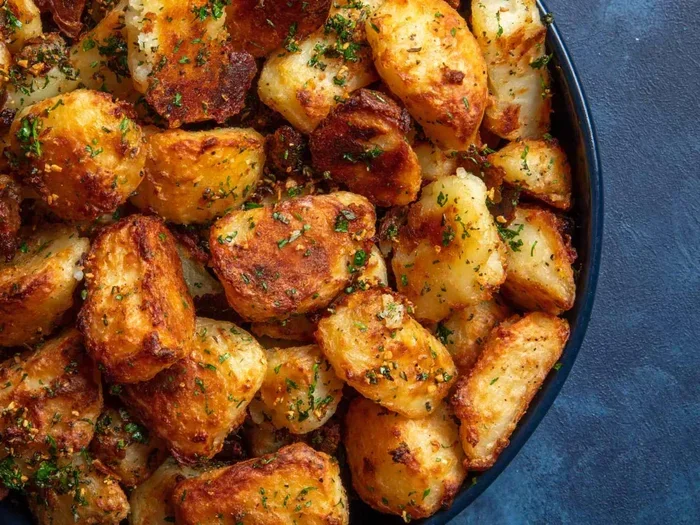
Simple seasoned roasted potatoes make the perfect side dish for any meal. Dice Yukon Gold potatoes into bite-sized pieces. Toss with olive oil, fresh rosemary, minced garlic, salt, and black pepper.
Preheat your oven to 400°F and roast the potatoes for 30 to 35 minutes. The result is potatoes with a crispy golden exterior and a creamy, tender inside. These pair beautifully with roasted chicken, grilled steak, or a fresh salad.
Loaded Baked Potato Halves
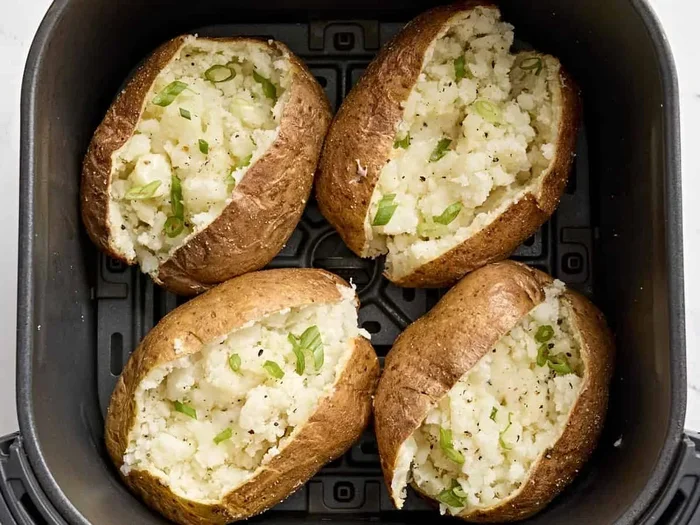
For loaded baked potatoes, preheat the oven to 400°F. Cut russet potatoes in half and scoop out some of the flesh. Brush the skins with olive oil and season with salt. Bake for 40 to 50 minutes until the skins are crispy and the inside is fluffy.
Load them up with cheese, sour cream, chives, and bacon bits for a delicious side or light meal. The high heat of a preheated oven ensures the potato skins get perfectly crispy.
Tips for Getting Perfectly Crispy Potatoes
Getting crispy potatoes is part science and part technique. Follow these practical tips to elevate your potato game every time you use the oven.
Choose the Right Potato Variety
Russet potatoes are the best choice for crispy results. They have a high starch content and thick skin that crisps up beautifully. Yukon Gold potatoes are a close second, offering a buttery flavor and creamy texture inside.
Avoid waxy potatoes like red or new potatoes for roasting. They hold too much moisture and tend to come out soft rather than crispy. Save those for boiling or salads.
Dry Your Potatoes Before Baking
Moisture is the enemy of crispy potatoes. After washing and cutting your potatoes, pat them completely dry with a clean towel. If you soak them to remove starch, make sure to dry them thoroughly before adding oil and seasoning.
Any surface moisture turns to steam in the oven, which prevents crisping. This small step makes a surprisingly big difference in the final texture.
Use Enough Oil
Do not be afraid of oil when roasting potatoes. A generous but even coating helps conduct heat to the surface and promotes browning and crispiness. Use about one tablespoon of oil per pound of potatoes.
Olive oil, avocado oil, and vegetable oil all work well. Avoid using too little oil, as the potatoes will dry out and burn rather than crisp up evenly.
Space Them Out on the Pan
Give your potatoes room to breathe on the baking sheet. Overcrowding traps steam between the pieces, which creates soggy spots instead of crispy ones. Use two baking sheets if needed rather than crowding everything onto one.
A good rule of thumb is to keep the pieces at least half an inch apart. This allows hot air to circulate freely around each potato piece.
Flip Halfway Through Cooking
Flipping or shaking the pan halfway through cooking ensures even browning on all sides. Use a spatula to turn each piece gently, or lift the pan and shake it carefully.
This simple step prevents one side from burning while the other stays pale. It is the difference between good roasted potatoes and amazing ones.
Use a Wire Rack for Maximum Crispiness
Placing potatoes on a wire rack set over a baking sheet is one of the best upgrades you can make. The rack allows hot air to flow underneath the potatoes, crisping both sides evenly.
This method prevents the bottom from sitting in oil and becoming soggy. It is the same technique used by professional kitchens to achieve consistent, perfect results.
Season at the Right Time
Add salt before baking for the best flavor penetration. However, if you are using fresh herbs, add them during the last 10 minutes of cooking to prevent burning.
Seasoning right after baking also works well for some recipes. The hot surface helps the salt and spices adhere better to the crispy exterior.
Common Mistakes When Preheating for Potatoes
Even experienced cooks make mistakes when it comes to preheating the oven for potatoes. Knowing what to avoid saves time, ingredients, and frustration.
Skipping the Preheat Entirely
This is the most common mistake. Putting potatoes into a cold oven means they cook slowly and steam instead of roast. Always wait for the oven to reach the target temperature before placing your potatoes inside.
Not Knowing Your Oven’s True Temperature
Many ovens run 10 to 25 degrees off from the setting. If your oven runs hot, you may need to lower the temperature slightly. If it runs cool, add a few minutes to the cooking time.
An oven thermometer is a small investment that pays off immediately. It takes the mystery out of oven cooking and helps you achieve consistent results every single time.
Opening the Oven Door Too Often
Every time you open the oven door, heat escapes and the temperature drops. This slows down cooking and can prevent potatoes from crisping properly.
Resist the urge to check too frequently. Check your potatoes only once or twice during cooking, and use the oven light to peek without opening the door.
Using the Wrong Pan
Thin, flimsy baking sheets can cause uneven cooking. They may warp in the oven and create hot spots. Use a heavy, rimmed baking sheet for the best results.
Non-stick pans work well, but parchment paper or a silicone baking mat adds an extra layer of protection against sticking and burning.
Expert Insights on Oven-Baked Potatoes
Chef Maria Santos, a professional chef with over 15 years of experience, shares her top tip. “The preheat is everything. I always tell my cooking students that a preheated oven is like a hot grill. You get that sear and crust immediately, and the inside stays moist and tender.”
Food scientist Dr. James Chen explains why potatoes crisp up better at higher temperatures. “At 400°F and above, the surface moisture evaporates quickly enough for the Maillard reaction to kick in. Below 375°F, the moisture lingers and creates steam, which prevents browning and crisping.”
Both experts agree on one thing: patience during the preheat step is the foundation of great oven-baked potatoes. Get this right, and everything else falls into place.
FAQ: What To Preheat Oven For Potatoes
What temperature should I preheat my oven to for potatoes?
The most common and recommended temperature is 400°F for roasted potatoes and 425°F for crispy wedges and fries. For slower-cooked dishes like potato casserole, 375°F works well. Always give your oven at least 15 to 20 minutes to reach the target temperature before adding your potatoes.
How long should I preheat the oven before putting potatoes in?
Allow your oven 15 to 20 minutes to preheat fully. This ensures the walls, racks, and air inside reach a consistent temperature. Placing potatoes in too early leads to uneven cooking and less crispy results. If you are unsure, use an oven thermometer to confirm the temperature.
Can I use a convection setting for roasting potatoes?
Yes, convection ovens work great for crispy potatoes. The fan circulates hot air evenly, which promotes uniform browning and crisping. Reduce the temperature by 25°F when using convection mode. For example, use 375°F convection instead of 400°F conventional. Check your potatoes a few minutes earlier, as convection cooking can be faster.
Do I need to soak potatoes before roasting them?
Soaking is not required but highly recommended for extra crispy french fries and wedges. Soaking removes excess surface starch, which prevents sticking and promotes crunch. Soak cut potatoes in cold water for 30 minutes to 2 hours, then dry them thoroughly before seasoning and baking.
Why are my roasted potatoes not crispy?
The most common reasons are not preheating the oven long enough, overcrowding the pan, or not drying the potatoes before baking. Moisture is the biggest enemy of crispiness. Make sure your oven is fully preheated, spread potatoes in a single layer, and pat them dry thoroughly before adding oil.
What is the best potato variety for oven roasting?
Russet potatoes are the top choice for oven roasting because of their high starch content and thick skin. Yukon Gold potatoes are excellent for a creamier texture and buttery flavor. Avoid waxy varieties like red potatoes for crispy roasting, as they hold too much moisture and stay soft.
Conclusion
Preheating your oven for potatoes is the simplest yet most impactful step you can take to improve your cooking. Whether you are aiming for crispy roasted wedges, golden oven fries, or perfectly seasoned roast potatoes, the right preheat temperature and timing set the foundation for success.
Remember that 400°F to 425°F is the target range for most potato recipes. Give your oven at least 15 to 20 minutes to reach that temperature. Choose the right potato variety, dry your pieces thoroughly, space them out on the pan, and flip them halfway through cooking.
These techniques work every time, no matter your skill level. Once you start preheating properly and paying attention to the details, your potatoes will transform from ordinary to outstanding. Your family and guests will notice the difference immediately.
Start with a properly preheated oven, follow these tips, and enjoy crispy, golden potatoes every single time. The effort is minimal, but the results are extraordinary. Happy roasting and enjoy every bite.