How To Clean Your Oven Door Gasket Fast Without Scrubbing
Keeping your oven door gasket clean is easier than you think. You do not need harsh chemicals or endless elbow grease to get the job done. With simple household items like baking soda and vinegar, you can restore your oven seal in minutes. This guide shows you how to clean oven door gasket fast without scrubbing using proven methods. Your oven will look and work like new again.
Your oven door gasket does more work than you probably realize. It seals in heat. It keeps your oven running efficiently. It even affects how well your food cooks. But here is the thing most people forget. That rubber seal around your oven door collects grease, food bits, and grime over time. A dirty gasket can cause heat loss. It can even lead to strange smells when you bake. The good news is that cleaning it does not have to be hard. You do not need to scrub for hours or buy expensive products. With the right approach, you can learn how to clean oven door gasket fast without scrubbing. This guide walks you through every simple step. You will have a sparkling clean oven seal in no time.
Many homeowners ignore their oven door gasket until something goes wrong. Maybe the oven takes longer to preheat. Maybe you notice heat escaping around the door. Or maybe you just open the door and get hit with a musty smell. All of these are signs that your gasket needs attention. The best part? Most cleaning jobs take less than fifteen minutes. You probably already have the supplies sitting in your kitchen right now. Let us dive into exactly how to make that oven seal look brand new again.
Key Takeaways
- Baking soda paste is a gentle yet powerful cleaner that loosens grime without damaging your oven seal.
- Vinegar and water spray breaks down grease and food residue on the oven gasket naturally.
- Soaking the gasket with warm soapy water softens baked-on grime for easy wiping.
- Regular cleaning prevents mold and odors that affect your oven performance.
- Replacing a worn gasket is essential when cleaning no longer restores the seal.
- Prevention tips like wiping spills immediately keep your oven seal clean longer.
📑 Table of Contents
- Why Your Oven Door Gasket Gets So Dirty
- What You Need to Clean Your Oven Gasket
- Step-by-Step Methods to Clean Your Oven Door Gasket
- Dealing With Tough Stains, Mold, and Odors
- Preventing Buildup on Your Oven Door Gasket
- When to Replace Your Oven Door Gasket
- Common Mistakes to Avoid When Cleaning Your Oven Gasket
- Key Takeaways
- Conclusion
Why Your Oven Door Gasket Gets So Dirty
Understanding why your oven seal gets dirty helps you prevent buildup in the future. The gasket sits right at the edge of your oven door. Every time you cook, grease splashes and food particles land on it. Over weeks and months, this buildup hardens. It turns into a sticky, grimy mess that is hard to ignore.
Here are the main reasons your oven door gasket collects dirt:
- Grease splatter from frying, roasting, and baking
- Food residue that drips or spills during cooking
- Steam and moisture that gets trapped in the seal
- High heat which bakes onto residue over time
- Lack of regular cleaning that lets grime accumulate
The oven seal is a hidden area. You do not see it every day. That means dirt builds up unnoticed. By the time you notice a problem, the grime can be pretty stubborn. But do not worry. The cleaning methods below work even on tough buildup.
What You Need to Clean Your Oven Gasket
Before you start, gather your supplies. The best part about cleaning an oven door gasket is that you do not need special tools. Most of what you need is already in your kitchen.
Essential Supplies for Gasket Cleaning
- Baking soda a natural cleaner that cuts through grease
- White vinegar breaks down grime and kills bacteria
- Warm water the base for your cleaning solution
- Dish soap a few drops for extra cleaning power
- Soft cloth or sponge microfiber works best
- Old toothbrush great for getting into crevices
- Spray bottle for mixing and applying solutions
- Rubber gloves optional but keeps hands clean
You do not need harsh chemical cleaners. In fact, natural cleaners work better for oven gasket maintenance. They are safe for rubber seals. They will not cause cracking or drying. Plus, they are much cheaper than store-bought oven cleaners.
Quick Tip
Never use abrasive scrubbers or steel wool on your oven door gasket. These can tear the rubber and ruin the seal. Always stick to soft cloths and gentle cleaners.
Step-by-Step Methods to Clean Your Oven Door Gasket
Now for the part you have been waiting for. Here are the best methods to clean oven door gasket fast without scrubbing. Each method targets different levels of dirt. Pick the one that fits your situation.
Method 1: The Baking Soda Paste
This is the most popular method for a reason. It works incredibly well and requires almost no effort. Baking soda is a mild abrasive. It lifts dirt without scratching the rubber.
Here is how to do it:
- Mix three tablespoons of baking soda with a little warm water.
- Stir until you get a thick paste, like toothpaste consistency.
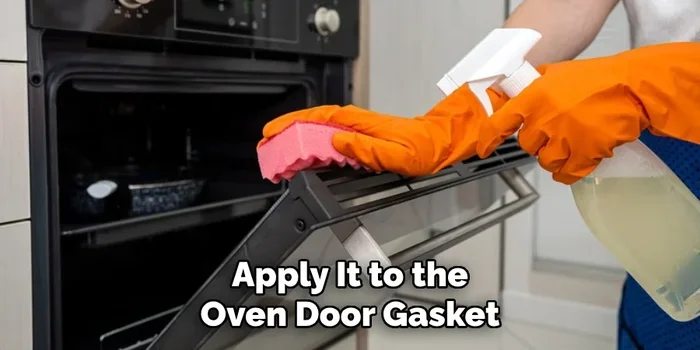
- Apply the paste directly onto the oven door gasket.
- Let it sit for fifteen to twenty minutes.
- Wipe away the paste with a damp soft cloth.
- Rinse the gasket with clean water and dry it thoroughly.
The baking soda paste does most of the work for you. It breaks down grease and loosens baked-on food. You barely need to wipe. This is the easiest way to learn how to clean oven door gasket fast without scrubbing.
Method 2: The Vinegar Spray
Vinegar is a natural degreaser. It cuts through grease and grime effortlessly. It also removes odors from your oven seal. This method works great for light to moderate buildup.
Follow these simple steps:
- Mix equal parts white vinegar and warm water in a spray bottle.
- Spray the solution generously onto the oven door gasket.
- Let it sit for five to ten minutes.
- Wipe the gasket with a clean damp cloth.
- For stubborn spots, spray again and let it sit a bit longer.
- Dry the gasket completely with a dry cloth.
The vinegar reacts with the baking soda if you combine these two methods. That fizzy reaction helps lift dirt even faster. You can apply baking soda first, then spray vinegar on top. The fizzing action loosens grime without any scrubbing.
Method 3: The Warm Soap Soak
If your oven gasket is removable, this method works wonders. Soaking softens even the hardest baked-on grime.
Here is what to do:
- Carefully remove the oven door gasket if it is detachable.
- Soak it in warm water with a few drops of dish soap.
- Let it soak for thirty minutes to one hour.
- Gently wipe the gasket with a soft cloth.
- Rinse it with clean water and pat it dry.
- Reattach the gasket to the oven door.
Soaking saves you a lot of effort. The warm water and soap do the heavy lifting. By the time you come back, the grime wipes away easily. This is perfect for oven door gasket maintenance on a regular schedule.
Method 4: Steam Cleaning
Steam is a fantastic way to clean without any chemicals. The heat and moisture soften grease and grime naturally. If you have a steam cleaner or even a kettle, you can use this method.
Simply hold steam over the oven gasket for a few minutes. The moisture loosens the dirt. Then wipe it away with a cloth. This method is great for oven seal cleaning solution alternatives that do not involve store-bought products.
Dealing With Tough Stains, Mold, and Odors
Sometimes your oven door gasket has more than just grease. Mold and mildew can grow in the seal, especially if moisture gets trapped. Baked-on grease can also become really stubborn. Here is how to handle these tough situations.
Removing Mold From the Oven Seal
Mold on an oven gasket is not just ugly. It can also affect the air quality in your kitchen and even the taste of your food. Here is how to get rid of it:
- Mix one part vinegar with one part water in a spray bottle
- Spray the moldy areas generously
- Let it sit for fifteen minutes
- Wipe with a damp cloth
- For persistent mold, apply a baking soda paste and let it sit another ten minutes
- Wipe clean and dry thoroughly
Mold thrives in damp environments. Keeping your oven door gasket dry after cleaning helps prevent it from coming back. Leave the oven door open after cleaning to let the seal air out completely.
Tackling Baked-On Grease
Baked-on grease is the worst kind of buildup on an oven door gasket. It hardens over time from repeated heating. Regular cleaners often struggle with it. But you have a secret weapon. A mixture of baking soda and hydrogen peroxide.
Make a paste with baking soda and a small amount of hydrogen peroxide. Apply it to the greasy spots. Let it sit for thirty minutes. The peroxide breaks down the grease while the baking soda absorbs it. Wipe away with a damp cloth. The grime should come off with very little pressure.
Eliminating Odors From the Gasket
A smelly oven seal is a common problem. Food residue trapped in the rubber can cause bad odors every time you use the oven. After cleaning the gasket, try this trick. Place a small bowl of baking soda inside the oven overnight. It absorbs any remaining odors. Your oven will smell fresh the next time you cook.
Preventing Buildup on Your Oven Door Gasket
Cleaning is only half the battle. Prevention keeps your oven door gasket clean for longer. A little effort goes a long way in maintaining your oven seal.
Simple Prevention Habits
- Wipe spills immediately when they happen on or near the door
- Use a baking sheet under dishes that may bubble over
- Clean the gasket monthly to prevent buildup from hardening
- Keep the oven door slightly open after cooking to let moisture escape
- Avoid overfilling pots that may splash grease onto the seal
Making these habits part of your kitchen routine saves you from heavy cleaning sessions later. Think of it like brushing your teeth. A little regular care prevents big problems down the road.
Quick Tip
Set a reminder on your phone to clean your oven door gasket every month. A five-minute cleaning session now saves you from a thirty-minute battle later.
When to Replace Your Oven Door Gasket
No matter how well you clean, oven gaskets wear out over time. Knowing when to replace yours is important for oven performance and safety. A damaged gasket lets heat escape. That means your oven uses more energy. It also means your food may not cook evenly.
Here are signs that your oven door gasket needs replacement:
- The rubber is cracked, torn, or brittle
- The seal no longer sits flush against the oven door
- You notice heat escaping when the oven is on
- Your oven takes longer to reach the set temperature
- Cleaning no longer removes the grime or discoloration
- The gasket has become loose or deformed
Replacing an oven door gasket is usually simple. Most gaskets attach with adhesive or screws. You can find replacement gaskets online or at hardware stores. Make sure to measure your oven door dimensions before ordering. A proper fit ensures the seal works correctly.
Expert Insight
According to appliance maintenance experts, oven door gaskets typically last five to seven years with regular care. However, heavy use or poor cleaning habits can shorten that lifespan. Checking your gasket every few months helps you catch problems early.
Common Mistakes to Avoid When Cleaning Your Oven Gasket
Even with the best intentions, people make mistakes when cleaning oven door gaskets. Here are the most common ones and how to avoid them.
- Using harsh chemical cleaners they can damage the rubber and cause it to crack
- Scrubbing too hard this wears down the gasket material and shortens its life
- Ignoring mold growth mold can spread and affect your oven performance
- Not drying the gasket after cleaning moisture trapped in the seal encourages mold
- Waiting too long between cleanings letting grime build up makes it harder to remove
- Using abrasive tools steel wool and rough sponges tear the rubber seal
Avoiding these mistakes keeps your oven door gasket in great shape for years. Gentle cleaning and regular maintenance are the keys to success.
Key Takeaways
- Baking soda paste is a gentle yet powerful cleaner that loosens grime without damaging your oven seal.
- Vinegar and water spray breaks down grease and food residue on the oven gasket naturally.
- Soaking the gasket with warm soapy water softens baked-on grime for easy wiping.
- Regular cleaning prevents mold and odors that affect your oven performance.
- Replacing a worn gasket is essential when cleaning no longer restores the seal.
- Prevention tips like wiping spills immediately keep your oven seal clean longer.
Conclusion
Your oven door gasket plays a huge role in how well your oven works. A clean gasket means better heat retention. It means more efficient cooking. It means fewer odors and a healthier kitchen. The good news is that keeping it clean does not require a lot of time or effort. With the methods shared in this guide, you can learn how to clean oven door gasket fast without scrubbing. Baking soda, vinegar, and warm water are all you need.
Make oven seal cleaning part of your regular kitchen routine. A little maintenance now saves you from bigger problems later. Your oven will run better. Your food will taste better. And your kitchen will smell better. Start with one of the methods above today. You will be amazed at how easy it is to get that oven gasket looking and working like new again.
Remember to check your gasket regularly. Clean it when needed. Replace it when it is worn out. A little care goes a long way. Your oven door gasket will thank you for it.
Frequently Asked Questions
Can I use bleach to clean my oven door gasket?
It is best to avoid bleach on your oven door gasket. Bleach can weaken and damage the rubber over time. Stick to natural cleaners like baking soda and vinegar. They are just as effective and much safer for the seal material.
How often should I clean my oven door gasket?
Cleaning your oven door gasket every four to six weeks is ideal. If you cook frequently, you may need to clean it more often. Regular oven gasket cleaning prevents buildup and keeps your oven running efficiently.
Is it safe to remove the oven door gasket for cleaning?
Yes, many oven door gaskets are removable. Check your oven manual for specific instructions. Removing the gasket allows for a deeper clean, especially for baked-on grime. Just make sure to let it dry completely before reattaching it.
What causes mold on an oven door gasket?
Mold grows on oven door gaskets when moisture gets trapped in the rubber seal. This often happens if the gasket is not dried after cleaning or if steam escapes during cooking. Keeping the seal dry and clean prevents mold growth.
Can a dirty oven door gasket affect cooking performance?
Absolutely. A dirty or damaged gasket lets heat escape from the oven. This means your oven has to work harder to maintain the right temperature. It can lead to uneven cooking and longer cooking times.
How do I know if my oven door gasket needs replacing?
Signs include cracks, tears, loose fit, or heat escaping from the door. If cleaning no longer improves the seal, it is time for a replacement. Oven door gasket replacement is usually affordable and easy to do yourself.
=== END ===