Can Steel Pans Go In The Oven Everything You Need To Know
Yes, steel pans can go in the oven, but it depends on the type of steel, the handles, and any nonstick coatings. Most stainless steel pans handle oven heat well up to 500°F. Always check the manufacturer’s label for the oven safe rating. Knowing your pan’s limits helps you cook safely and avoid damage.
So you are prepping dinner and the recipe says to start on the stove and finish in the oven. You grab your favorite steel pan and then pause. Can steel pans go in the oven? This is a question many home cooks ask, and the answer is not as simple as a yes or no. The truth is, it depends on several factors like the type of steel, the coating, and the handle material.
In this guide, we will walk through everything you need to know about using steel pans in the oven. We will cover temperature limits, safety tips, common mistakes, and how to pick the right pan for oven duty. By the end, you will feel confident putting your steel pan in the oven without worry.
Steel pans are popular for good reason. They are durable, distribute heat evenly, and last for years when cared for properly. Many people use steel pans daily for searing, sautéing, and baking. But ovens can reach temperatures that challenge even tough cookware. Understanding what your pan can handle is the first step to using it safely and getting the best results.
Key Takeaways
- Most steel pans are oven safe: Stainless steel and carbon steel pans handle high oven temperatures with ease.
- Check the handles and lid: Plastic or wooden handles can melt, so always verify oven safe components.
- Temperature limits matter: Stainless steel usually handles up to 500°F, while nonstick coatings have lower limits.
- Warping is a real risk: Sudden temperature changes can warp thin steel pans and ruin them over time.
- Use oven mitts always: Steel pans get extremely hot in the oven and retain heat long after removal.
- Clean gently after oven use: Proper cleaning extends the life of your steel pan significantly.
- Read the manufacturer guide: Every pan brand sets different oven safe limits and care instructions.
📑 Table of Contents
- What Happens When You Put a Steel Pan in the Oven
- How to Know If Your Steel Pan Is Oven Safe
- Best Steel Pans for Oven Use
- Temperature Limits and Safety Tips
- Common Mistakes People Make with Steel Pans in the Oven
- How to Clean and Care for Your Steel Pan After Oven Use
- Frequently Asked Questions
- Final Thoughts
What Happens When You Put a Steel Pan in the Oven
When you place a steel pan in a hot oven, the metal absorbs heat from all directions. This is different from stovetop cooking where heat comes from below only. The oven surrounds the pan with hot air, which warms the entire surface evenly.
Most quality steel pans handle this heat without any issues. Stainless steel pans are built to withstand high temperatures. Carbon steel pans are also oven friendly and can handle even hotter conditions. The metal itself is tough and does not break down easily under normal cooking heat.
However, problems can arise with certain parts of the pan. For example, a plastic knob on the lid or handle can melt in a hot oven. Some pans have rubber grips that are not designed for high heat. Even the nonstick coating on some steel pans has a lower heat tolerance than the metal itself. This is why checking your pan before oven use is so important.
The Science Behind Steel and Heat
Steel is an alloy made mostly of iron and carbon. It has a very high melting point, around 2,500°F. Your home oven maxes out at about 500°F to 550°F at most. So the metal of your pan is not going anywhere near its melting point during normal cooking.
What can happen instead is warping. Thin steel pans can warp when exposed to rapid temperature changes. For example, taking a cold pan from the fridge and placing it in a hot oven can cause the bottom to buckle. Warped pans sit unevenly on the stove and cook food poorly.
Another thing to watch for is discoloration. Steel can develop rainbow-colored spots or a blue tint after prolonged oven use. This is not harmful, but it does not look great. These marks come from oils heating past their smoke point or from overheating the pan.
How to Know If Your Steel Pan Is Oven Safe
Not all steel pans are created equal when it comes to oven use. Some are designed for it from the start, while others are strictly stovetop cookware. Here is how to figure out if your pan can handle the heat.
Check the Manufacturer Label
The easiest way to find out if your steel pan is oven safe is to look at the packaging or the bottom of the pan. Most brands print an oven safe symbol or a maximum temperature rating right on the product. If you still have the box or manual, check there too.
If you cannot find the label, look up the model number online. Most manufacturers list oven safe details on their website or product page. Do not guess when it comes to oven temperatures. Guessing can ruin your pan or even cause a safety hazard.
Look at the Handle and Lid
The pan body might be oven safe, but the handle might not be. Many steel pans have metal handles that handle oven heat just fine. But some have silicone wraps, plastic grips, or riveted wooden handles that cannot go in the oven.
Check every part of the pan. The lid matters too. Glass lids usually have a lower heat tolerance than metal lids. Some lids have plastic knobs that will melt at high temperatures. If any part of the pan or lid is not oven safe, do not put the whole thing in the oven.
Understand Nonstick Coatings
If your steel pan has a nonstick coating, the oven safe temperature is usually much lower than bare steel. Most nonstick coatings can handle up to 400°F to 450°F. Beyond that, the coating can break down and release harmful fumes.
Some premium nonstick pans are rated for higher temperatures, but you should always verify. If you plan to use a nonstick steel pan in the oven at high heat, consider switching to a bare stainless steel or carbon steel pan instead. These options handle high heat much better and last longer.
Best Steel Pans for Oven Use
Not all steel pans are equally suited for oven use. Some are designed from the ground up to go from stovetop to oven seamlessly. Here are the best types of steel pans you can put in the oven.
Stainless Steel Pans
Stainless steel is the most popular choice for oven safe cookware. These pans can usually handle temperatures up to 500°F or higher. They are durable, non-reactive, and easy to clean.
Stainless steel pans work great for recipes that start on the stove and finish in the oven. Think seared meats that go into the oven to finish, or one-pan dinners. The heat distribution is excellent, especially in pans with a thick, layered bottom.
Look for stainless steel pans with all-metal handles and lids for full oven compatibility. Brands like All-Clad, Cuisinart, and Tramontana offer several oven safe options.
Carbon Steel Pans
Carbon steel pans are another excellent choice for oven use. They are lighter than stainless steel and heat up quickly. Most carbon steel pans can handle temperatures up to 550°F or more.
These pans are popular among professional chefs and home cooks alike. They develop a natural nonstick surface over time with proper seasoning. Carbon steel works beautifully for oven-baked dishes, roasting vegetables, and making cornbread or frittatas.
One thing to keep in mind is that carbon steel needs more care than stainless steel. It can rust if not dried properly after washing. But with regular use and proper maintenance, a carbon steel pan can last a lifetime.
Baking Steel Pans
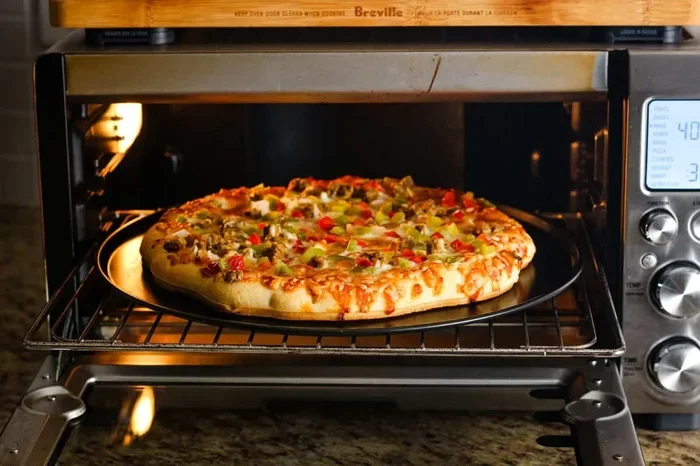
Baking steel pans are specifically designed for oven use. They are thick, heavy, and built to handle sustained high heat. These pans are great for pizzas, breads, and roasted dishes.
Baking steel retains heat incredibly well, which helps create crispy crusts and even browning. If you love baking bread or pizza at home, a baking steel pan is a game changer.
Temperature Limits and Safety Tips
Knowing the temperature limits of your steel pan is essential for safe oven use. Every pan has a maximum oven safe temperature, and exceeding it can cause damage or even release harmful chemicals.
Standard Temperature Guidelines
Here is a general breakdown of oven safe temperatures for different types of steel pans:
- Stainless steel: Up to 500°F to 550°F
- Carbon steel: Up to 550°F to 600°F
- Nonstick coated steel: Up to 400°F to 450°F
- Baking steel: Up to 550°F or higher
These are general guidelines. Always check your specific pan’s manufacturer instructions for the exact limit. The numbers above assume all-metal handles and no plastic or wooden components.
Safety Tips for Oven Use
Using steel pans in the oven is safe when you follow a few basic rules. Here are some tips to keep in mind:
- Always use oven mitts: Steel pans get extremely hot in the oven and stay hot long after you take them out. Use thick oven mitts every time.
- Place the pan on a heat safe surface: Do not set a hot steel pan directly on a plastic or laminate countertop. Use a trivet or wooden board.
- Preheat the oven with the pan inside: Some pans should not go into a preheated oven cold. Check the manufacturer guidelines.
- Avoid overcrowding the oven: Leave space around the pan for air to circulate. This helps heat distribute evenly.
- Never leave a hot pan unattended on the stove: After removing a steel pan from the oven, place it on a cool burner or trivet right away.
What to Do If Your Pan Warps
If your steel pan warps after oven use, do not panic. Warping does not always mean the pan is ruined. Mild warping might cause slight rocking, but the pan can still be usable.
To fix a slightly warped pan, try placing it on a flat surface and applying gentle pressure. For more serious warping, you can try heating the pan gently on the stove and pressing it flat while it is warm. However, severely warped pans should be replaced for best cooking results.
Common Mistakes People Make with Steel Pans in the Oven
Even experienced cooks make mistakes when using steel pans in the oven. Learning what to avoid can save you time, money, and frustration.
Ignoring the Handle Material
This is the most common mistake. Many people assume that because the pan body is steel, the whole thing is oven safe. But a single plastic or rubber handle can make the entire pan unsafe for oven use.
Always check every component of the pan before placing it in the oven. If the handle is not metal, do not put it in the oven unless the manufacturer explicitly says it is safe.
Using the Wrong Temperature
Setting the oven too high is another common error. Some pans are rated for 450°F but people set the oven to 500°F or higher. This can damage the pan, especially if it has a nonstick coating.
Always set your oven temperature within the safe range for your pan. If you are unsure, use a lower temperature and cook for a longer time instead.
Skipping the Preheat
Some steel pans should not go into a cold oven that is then preheated. The rapid temperature change can cause warping or cracking. If your pan requires preheating, put it in the oven before you turn the heat on.
Using Abrasive Cleaners After Oven Use
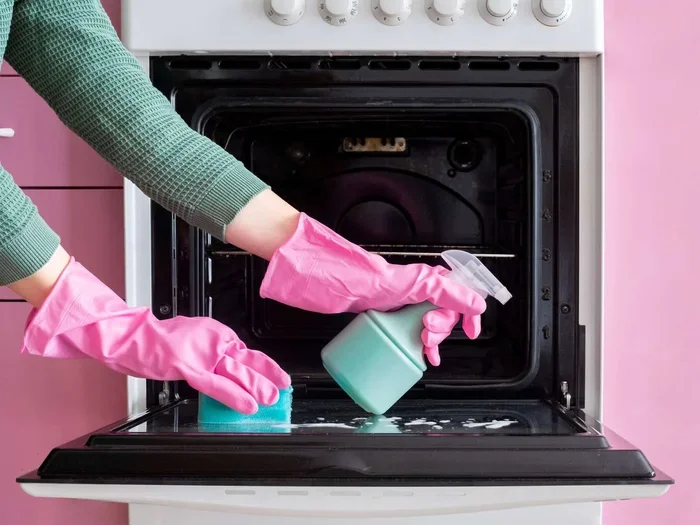
After taking your steel pan out of the oven, it might have baked-on residue. The temptation is to scrub it aggressively with steel wool or harsh cleaners. This can scratch the surface and damage the pan over time.
Instead, let the pan soak in warm soapy water for a few minutes. Then clean with a soft sponge. For stubborn residue, make a paste of baking soda and water and scrub gently.
How to Clean and Care for Your Steel Pan After Oven Use
Proper cleaning and care will keep your steel pan in great shape for years. Oven use can leave behind grease, baked-on food, and discoloration. But with the right approach, cleaning is easy.
Cool Down Before Washing
Never plunge a hot steel pan into cold water right after oven use. The sudden temperature change can cause warping. Let the pan cool down to room temperature before washing it.
This also keeps you safe. A pan fresh out of the oven can burn you if you handle it carelessly. Give it time to cool, then wash it with warm water and mild dish soap.
Remove Discoloration Naturally
If your steel pan develops rainbow stains or a blue tint after oven use, do not worry. These are not harmful and they do not affect cooking performance. But if you want to remove them, here are a few natural methods:
- Baking soda paste: Make a thick paste with baking soda and water. Spread it on the discolored areas and let it sit for 15 minutes. Scrub gently with a soft sponge.
- White vinegar soak: Fill the pan with equal parts water and white vinegar. Bring it to a simmer on the stove, then let it cool and wash as normal.
- Bar Keeper’s Friend: This is a gentle, nonabrasive cleaner that works well on steel. Use it sparingly and rinse thoroughly.
Season Your Pan Regularly
If you use a carbon steel or bare steel pan, seasoning it regularly is important. Seasoning creates a natural nonstick layer and protects the pan from rust.
To season your pan, apply a thin layer of vegetable oil to the entire surface. Place it in the oven at 400°F for one hour. Let it cool completely before wiping off any excess oil. Repeat this process every few weeks or whenever food starts sticking.
Frequently Asked Questions
Can I Put a Stainless Steel Pan With a Plastic Handle in the Oven?
No, not unless the manufacturer specifically says it is oven safe. Most plastic handles cannot withstand oven temperatures and will melt or release harmful fumes. Always check the product label or manual before placing any pan in the oven.
What Is the Maximum Oven Temperature for a Steel Pan?
Most stainless steel pans are safe up to 500°F to 550°F. Carbon steel pans can usually handle up to 550°F to 600°F. Nonstick coated steel pans have a lower limit of around 400°F to 450°F. Always verify the specific temperature rating for your pan.
Can I Put a Steel Pan From the Fridge Directly Into the Oven?
You should avoid this. Putting a cold steel pan into a hot oven can cause thermal shock, which may warp or crack the pan. Let the pan come to room temperature first, then place it in the preheated oven.
Is It Safe to Use a Steel Pan in a Self-Cleaning Oven?
Yes, stainless steel and carbon steel pans are generally safe in a self-cleaning oven. The self-cleaning cycle reaches very high temperatures, but steel can handle this. However, if your pan has a nonstick coating, do not use it during the self-cleaning cycle. The extreme heat will damage the coating.
Can Steel Pans Go in the Oven With Food Still on Them?
Yes, you can transfer a steel pan directly from the stove to the oven with food inside. This is actually one of the best features of oven safe steel pans. Just make sure the pan and all its components are rated for oven use before doing so.
How Do I Know If My Pan Has an Oven Safe Symbol?
Look for a small oven icon on the bottom of the pan or on the packaging. The symbol usually shows a oven with a temperature number inside it. If you see this symbol, your pan is safe for oven use up to the listed temperature. If there is no symbol, check the manufacturer’s website or contact their customer service.
Final Thoughts
The answer to can steel pans go in the oven is a clear yes for most steel pans. Stainless steel, carbon steel, and baking steel pans are all excellent choices for oven cooking. They handle high heat well, distribute temperature evenly, and last for years with proper care.
The key is to always check your pan’s specifications before using it in the oven. Look at the handles, the lid, any coatings, and the maximum temperature rating. Following these simple steps ensures your steel pan stays safe, performs well, and serves you for a long time.
With the right pan and the right approach, you can seamlessly move from stovetop to oven and create delicious meals with confidence. So the next time a recipe calls for oven finishing, grab your steel pan and get cooking. You have got everything you need to do it safely and successfully.