How To Toast Coconut Flakes In Oven For Best Results
Learn how to toast coconut flakes in oven for perfectly golden, crispy results every single time. This guide walks you through the exact temperatures, timing, and simple steps that take toasted coconut flakes from basic to brilliant. Whether you are topping desserts or adding crunch to your favorite recipes, toasting coconut in the oven is easier than you think. You will discover the best oven temperature, common mistakes to avoid, and creative ways to use your golden brown coconut. By the end, you will feel confident and ready to bake coconut flakes like a pro.
There is something magical about toasted coconut flakes that turns a simple dish into something extraordinary. If you have ever tasted crispy coconut on top of a dessert or mixed into a trail mix, you know exactly what I mean. The sweet, nutty flavor and the satisfying crunch make it a favorite ingredient in kitchens around the world. But here is the thing: getting that perfect toast is easier than most people think. You do not need any fancy equipment or special skills. All you really need is a baking sheet, a hot oven, and a little bit of patience.
In this guide, I will show you how to toast coconut flakes in oven the right way. We will cover everything from choosing the right flakes to setting the perfect oven temperature and timing. You will also learn how to avoid common mistakes and discover fun ways to use your toasted coconut in recipes. Whether you are a beginner or a seasoned baker, these tips will help you get golden brown coconut every single time. Let us get started.
Key Takeaways
- Low and slow is the way: Toasting coconut flakes in oven at 325°F gives you even, golden results without burning.
- Stirring matters: Tossing the flakes halfway through ensures even browning on all sides.
- Watch the clock: Most batches take only 5 to 10 minutes, so stay nearby and keep an eye on them.
- Storage keeps them fresh: Store toasted coconut flakes in an airtight container for up to two weeks of crunch.
- Get creative: Use your crispy coconut as a topping, baking ingredient, or savory garnish for endless flavor.
- Choose the right flakes: Thin, unsweetened shredded coconut toasts best and gives you the most control.
- Cool completely: Let the toasted coconut cool on a baking sheet before storing or using it in recipes.
📑 Table of Contents
Why Toast Coconut Flakes In Your Oven
You might be wondering why you should bother toasting coconut flakes at all. After all, they are perfectly tasty straight from the package. But trust me, the difference is huge. When you toast coconut flakes in oven, you unlock a deeper, richer coconut flavor that raw flakes simply cannot match. The natural sugars in the coconut caramelize slightly, creating a beautiful golden brown color and a satisfying crunchy texture.
The Flavor Difference Is Real
Raw coconut flakes have a mild, slightly sweet taste. They work fine in many recipes, but they lack depth. When you bake coconut flakes in the oven, the heat transforms them completely. The edges turn caramelized and the center becomes slightly chewy while the outside turns crispy. This contrast in texture is what makes toasted coconut so irresistible. The aroma that fills your kitchen while toasting coconut is absolutely heavenly too.
Think about it this way. A plain shredded coconut topping on a cake is nice. But toasted coconut flakes on that same cake? That is a whole different level. The toasted coconut adds a warm, nutty sweetness that complements chocolate, fruit, and cream perfectly. It is one of those simple upgrades that makes everything taste more homemade and thoughtful.
Raw vs Toasted Coconut
Let me break down the key differences so you can see why toasting coconut flakes in oven is worth the effort:
- Raw coconut flakes are soft, flexible, and have a mild flavor. They work well in smoothies and baked goods where you want a subtle coconut presence.
- Toasted coconut flakes are crispy, golden, and packed with concentrated coconut flavor. They add crunch and visual appeal to any dish.
- Raw coconut has a higher moisture content, which makes it chewier but less crispy.
- Toasted coconut loses most of its moisture during the baking process, resulting in a lighter, crunchier texture.
- Raw flakes are great for blending into coconut flour or coconut butter, while toasted flakes shine as a topping or garnish.
The choice between raw and toasted really depends on what you are making. But for toppings, garnishes, and snacking, nothing beats toasted coconut flakes straight from the oven.
What You Will Need To Get Started
Before you start toasting coconut flakes in oven, you need to gather a few things. The good news is that you probably already have everything you need in your kitchen. There is no need to buy any special equipment or expensive tools. Let me walk you through what you will need.
Choosing the Right Coconut Flakes
Not all coconut flakes are created equal. The type you choose can make a big difference in your final result. Here are some things to keep in mind when shopping for coconut flakes:
- Thin flakes toast more evenly and quickly than thick ones. Look for flakes that are about 1 to 2 millimeters thick for the best results.
- Unsweetened coconut gives you more control over the flavor. Sweetened flakes can burn more easily because the sugar caramelizes faster.
- Desiccated coconut works well for toasting too, but it can dry out quickly, so keep a close eye on it.
- Coconut chips are thicker and may need a slightly longer toasting time. They are great if you want a more pronounced crunch.
- Fresh shredded coconut is another option, but it has more moisture and may need a bit more time in the oven.
For most coconut flakes recipes, I recommend using thin, unsweetened shredded coconut. It toasts beautifully, has a balanced flavor, and gives you the most consistent results. If you are using sweetened flakes, simply reduce the oven temperature by about 10 degrees to prevent burning.
Essential Tools and Equipment
Here is a simple list of what you need to toast coconut flakes in oven:
- Baking sheet – A standard half-sheet pan works perfectly. Line it with parchment paper for easy cleanup.
- Parchment paper or silicone mat – This prevents the coconut from sticking and promotes even browning.
- Spatula or tongs – You will need these to flip and spread the flakes during toasting.
- Measuring cups – A standard measuring cup works fine. A cup of flakes is usually enough for most recipes.
- Cooling rack – Optional but helpful. Letting the toasted coconut cool on a rack prevents it from getting soggy on the bottom.
- Airtight container – For storing your crispy coconut once it is done.
That is really all you need. The beauty of baking coconut flakes is how simple and accessible it is. You do not need a special oven-toaster or any fancy gadget. A regular home oven does the job beautifully.
Step by Step Guide To Toasting Coconut Flakes
Now for the fun part. Here is my tried-and-true method for how to toast coconut flakes in oven. Follow these steps and you will get perfect results every time. I have been making toasted coconut flakes this way for years, and it never fails.
Preparing Your Coconut Flakes
Start by measuring out your coconut flakes. A standard cup is usually perfect for a single batch. Spread the flakes out on your baking sheet lined with parchment paper. Make sure the layer is thin and even. You want each flake to have some space around it so the heat can circulate properly.
If your flakes are very thick, you can gently break them up with your hands before spreading them out. This helps them toast more evenly. Do not pile them up in the center of the pan. Spread them out toward the edges too, because the oven heats more evenly at the edges than in the middle.
One quick tip: if you live in a humid climate, your coconut flakes may have absorbed some moisture from the air. In that case, you can spread them out on the baking sheet and let them sit for 10 minutes before toasting. This helps them dry out slightly and toast more evenly. It is a small step that makes a big difference in the final coconut flavor.
Spreading and Oven Setup
Now it is time to set up your oven. Here is what to do:
- Preheat your oven to 325°F (163°C). This is the sweet spot for toasting coconut flakes. It is low enough to prevent burning but hot enough to create a beautiful golden color.
- Place the baking sheet on the middle oven rack. The middle position ensures the most even heat distribution around the flakes.
- Make sure your oven rack is centered and the baking sheet is flat. If the pan is warped, it can cause uneven toasting.
- If you are using a convection oven, you can lower the temperature by about 10 to 15 degrees. Convection fans circulate hot air more efficiently, which can cause the edges to brown faster.
Once your oven is preheated, place the baking sheet inside. Set a timer for 3 minutes. You will check on the flakes soon, but the first few minutes are important for getting the heat going.
Monitoring the Toasting Process
This is the most important part of toasting coconut flakes in oven. You cannot just set it and forget it. Coconut can go from perfectly golden to burnt in a matter of seconds. Here is what to do:
- After 3 minutes, open the oven and check the flakes. They should be starting to turn slightly golden at the edges.
- Use a spatula to gently toss or stir the flakes. This promotes even browning and prevents hot spots.
- Close the oven door and set the timer for another 2 minutes.
- Check again. The flakes should be turning a light golden brown color throughout.
- Continue checking every 1 to 2 minutes. Total toasting time is usually between 5 and 10 minutes.
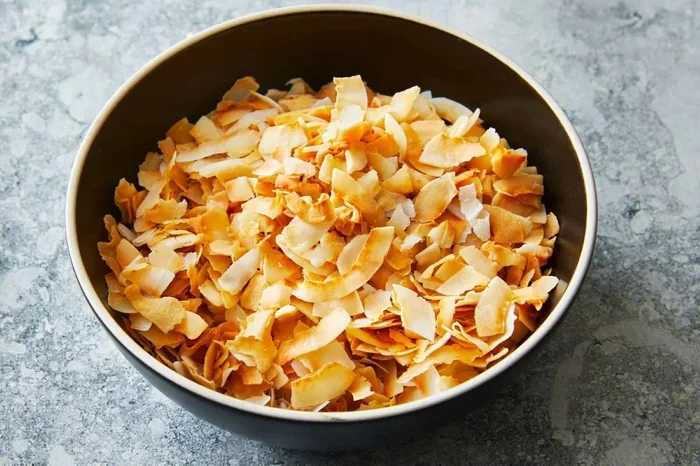
- When the flakes are a uniform golden brown color and you can smell that wonderful coconut aroma, they are done.
- Remove the baking sheet from the oven immediately.
Remember, the coconut flakes will continue to crisp up as they cool. So if you wait too long, they might be too dark by the time they cool down. Pull them off the oven rack when they look just slightly lighter than your desired color. They will firm up as they sit on the cooling rack.
Oven Temperature and Timing Guide
Getting the oven temperature right is the single most important factor in how to toast coconut flakes in oven. Too hot and they burn. Too cool and they take forever and may not get crispy. Let me break down the ideal settings for you.
Recommended Temperature Settings
The best oven temperature for toasting coconut flakes is 325°F (163°C). This moderate heat allows the coconut to toast slowly and evenly, bringing out the natural sweetness without burning the edges.
Here is a quick reference for different situations:
- 325°F (163°C) – The standard setting. Works perfectly for thin, unsweetened shredded coconut. Expect 5 to 10 minutes of toasting time.
- 300°F (150°C) – Use this for thicker coconut chips or if you want a very gentle, slow toast. Add a few extra minutes to the timing.
- 350°F (177°C) – Only use this if you are in a hurry. Watch the flakes very carefully because they can burn quickly at this temperature.
- 375°F (190°C) – Not recommended for beginners. The high heat increases the risk of burning and uneven toasting.
For the best coconut flavor and texture, stick with 325°F. It gives you the most control and the most consistent results. I know it might be tempting to crank up the heat to save time, but patience is the secret ingredient here.
How Long To Toast Coconut Flakes
The toasting time depends on a few factors, including the thickness of your flakes, your oven type, and how crispy you like them. Here is a general timeline to follow:
- 3 to 5 minutes: Light toast. The flakes are barely golden and still slightly soft. Great for adding to yogurt or oatmeal where you want a subtle crunch.
- 5 to 7 minutes: Medium toast. Golden brown coconut with a nice crunch. This is the sweet spot for most uses like toppings and garnishes.
- 7 to 10 minutes: Dark toast. Very crispy and deeply caramelized. Perfect for snacking on their own or using as a heavy garnish on rich desserts.
Always start checking at the 5-minute mark. Every oven is different, and you do not want to leave your toasted coconut in too long. Set a timer and stay nearby. I cannot stress this enough: toasting coconut flakes in oven requires your attention. It is not something you can walk away from.
Adjusting for Different Oven Types
Not all ovens are the same, and this can affect your results. Here are some tips for different types of ovens:
- Standard electric oven: Follow the 325°F guideline and check at 5 minutes. These ovens heat evenly and are the easiest to work with.
- Gas oven: Gas ovens can have hot spots. Rotate the baking sheet halfway through the toasting process for more even browning.
- Convection oven: Reduce the temperature to 310°F (154°C) and check every 2 minutes. The fan circulates hot air more efficiently, which can speed up the process.
- Toaster oven: Use 325°F and reduce the toasting time by about 1 to 2 minutes. Toaster ovens heat up faster and have less space, so the coconut toasts more quickly.
- Portable or older oven: These may have less accurate temperature settings. Use an oven thermometer if possible and check the flakes more frequently.
No matter what type of oven you have, the key is to watch the flakes closely and trust your eyes and nose. The smell of caramelized coconut is your best indicator that they are almost done. If your kitchen starts smelling like a tropical bakery, you are very close.
Creative Ways To Use Toasted Coconut Flakes
Now that you know how to toast coconut flakes in oven, let us talk about what to do with them. The possibilities are endless, and I bet you will come up with even more ideas once you start experimenting. Here are some of my favorite ways to use toasted coconut flakes.
Toppings and Garnishes
Toasted coconut flakes make an amazing topping for so many dishes. Here are some ideas to try:
- Ice cream: Sprinkle crispy coconut over vanilla or chocolate ice cream for a textural contrast that is absolutely delicious.
- Smoothie bowls: Add a handful of toasted coconut on top of your morning bowl along with fresh fruit and granola.
- Yogurt: Mix golden brown coconut into Greek yogurt with some honey and berries for a quick and healthy breakfast.
- Oatmeal: Toasted coconut flakes pair wonderfully with oatmeal, adding a tropical twist to your morning bowl.
- Cake and cupcakes: Use toasted coconut as a decorative topping on frosted cakes and cupcakes. It looks beautiful and tastes incredible.
- Puddings and mousses: A sprinkle of crispy coconut on top of chocolate mousse or coconut pudding adds a lovely crunch.
- Pancakes and waffles: Top your weekend breakfast with toasted coconut flakes and a drizzle of maple syrup for a tropical twist.
- Chia pudding: Layer toasted coconut into overnight chia pudding for a satisfying breakfast or dessert.
The coconut topping possibilities really are endless. I like to make a big batch of toasted coconut flakes on Sunday and keep them in an airtight container all week. That way, I always have a crunchy, flavorful topping ready to go. It is one of those oven-baked coconut prep tricks that saves me time during busy weekdays.
Baking With Toasted Coconut
Toasted coconut flakes are not just for toppings. They also work beautifully inside baked goods. Here are some ideas to try:
- Cookies: Add toasted coconut to chocolate chip cookies, macaroons, or shortbread for extra flavor and crunch.
- Muffins and scones: Fold crispy coconut into your muffin or scone batter for a tropical twist.
- Granola bars: Toasted coconut is a classic ingredient in homemade granola bars. It adds sweetness and texture.
- Bread and rolls: Sprinkle toasted coconut flakes on top of sweet bread or dinner rolls before baking for a beautiful golden finish.
- Energy balls: Mix toasted coconut into date and nut energy balls for a healthy, satisfying snack.
- Cake pops: Roll cake pop coatings in toasted coconut flakes for a professional-looking finish.
- Homemade trail mix: Combine roasted coconut with nuts, seeds, and dried fruit for a custom snack mix.
When using toasted coconut in baking, you can add it to the batter before baking or sprinkle it on top after. Both methods work well. Adding it before baking lets the coconut flavor meld into the batter, while adding it after preserves the maximum crunch. I often do both in the same recipe for the best of both worlds.
Savory Uses for Toasted Coconut
Here is something not everyone knows: toasted coconut flakes are not just for sweet dishes. They can add a wonderful crunch and depth to savory recipes too:
- Curries: Sprinkle toasted coconut over Indian or Thai curries for added texture and a nutty flavor.
- Salads: Toss crispy coconut into tropical salads with mango, lime, and avocado for a surprising crunch.
- Stir-fries: Add toasted coconut flakes to vegetable stir-fries for a unique twist on a classic dish.
- Meat crusts: Use toasted coconut as part of a crust for chicken or fish. It pairs beautifully with lime and cilantro.
- Snack mixes: Mix toasted coconut with nuts, seeds, and a little salt for a savory-sweet snack mix.
- Soups: A sprinkle of crispy coconut on top of creamy soups like butternut squash or tomato adds an unexpected texture.
Once you start using toasted coconut in savory dishes, you will wonder how you ever cooked without it. The coconut flavor adds a subtle sweetness that balances spicy and salty flavors beautifully. It is one of those versatile ingredients that deserves a permanent spot in your kitchen.
Troubleshooting Common Problems
Even experienced bakers run into issues sometimes when toasting coconut flakes in oven. The good news is that most problems are easy to fix. Let me walk you through the most common issues and how to avoid them.
Coconut Flakes Burning Too Fast
If your coconut flakes are burning before they are evenly toasted, the most likely culprit is your oven temperature. Here is what to do:
- Lower the oven temperature by 25 degrees. Try 300°F instead of 325°F.
- Check the flakes every 1 to 2 minutes instead of every 3 minutes.
- Make sure your baking sheet is on the middle oven rack. If it is too close to the top element, the top flakes will burn first.
- If using a convection oven, reduce the temperature and keep a close watch.
- Thicker flakes take longer to toast. If your flakes are very thick, consider breaking them into smaller pieces.
- Use a light-colored baking sheet rather than a dark one. Dark pans absorb more heat and can cause burning.
Burning happens because the edges of the coconut dry out faster than the center can keep up. Lower heat and more frequent checking will solve this problem almost every time. Remember, low and slow is the motto for perfect toasted coconut flakes.
Uneven Toasting Issues
If some flakes are golden while others are still pale, you have an uneven toasting problem. Here is how to fix it:
- Spread the flakes in a single, thin layer across the entire baking sheet. Do not pile them up in the center.
- Toss or stir the flakes halfway through the toasting time. This is the single most effective way to promote even browning.
- Rotate the baking sheet 180 degrees halfway through if your oven has hot spots.
- Use a light-colored baking sheet rather than a dark one. Dark pans absorb more heat and can cause uneven toasting.
- If your oven has a known hot spot, position the baking sheet so the flakes avoid that area.
- Make sure your oven rack is level. A slightly tilted rack can cause the coconut to slide to one side.
Even browning is all about heat circulation. Give each flake enough space and give them a good stir halfway through, and you will see a big improvement. Do not be afraid to open the oven door and check on them. That is how you get the best results.
Storing Toasted Coconut Properly
Your toasted coconut flakes are done, and now you want them to stay fresh and crispy. Proper storage makes all the difference:
- Let the toasted coconut cool completely on the baking sheet or a cooling rack before storing it. This prevents condensation from building up.
- Store in an airtight container at room temperature. A glass jar with a tight lid works perfectly.
- Toasted coconut flakes will stay fresh and crispy for up to two weeks when stored properly.
- Do not store toasted coconut in the refrigerator. The moisture in the fridge can make it soggy.
- If you need to store them longer, you can freeze toasted coconut flakes for up to three months. Just make sure the container is sealed well.
- Before using frozen toasted coconut, let it come to room temperature. This restores the crunch.
Proper storage is the final step in how to toast coconut flakes in oven. It is easy to overlook, but it ensures your hard work pays off and your crispy coconut stays delicious for days. I always keep a batch ready in my pantry so I never have to wait when a craving hits.
Final Thoughts on Toasting Coconut Flakes In Oven
There you have it. How to toast coconut flakes in oven is one of the simplest and most rewarding kitchen skills you can learn. The process is quick, the results are incredible, and the coconut flavor you get from home-toasted flakes is in a completely different league compared to store-bought toasted coconut. Nothing beats the taste and texture of freshly baked coconut flakes made right in your own kitchen.
Remember the key points: use a moderate oven temperature of 325°F, spread the flakes in a thin layer, check and stir them every few minutes, and pull them out when they are just slightly lighter than your desired color. The residual heat will continue to crisp them up as they cool on the baking sheet or cooling rack.
Once you master this simple technique, you will find yourself toasting coconut flakes in oven all the time. They are perfect for topping desserts, adding to baked goods, mixing into snack mixes, or just enjoying on their own as a crispy, sweet treat. The golden brown coconut you make at home will elevate every dish you put it on.
So go ahead. Preheat your oven, grab your baking sheet, and give it a try. I promise you will be impressed by how easy and delicious it is. Once you taste the difference, you will never go back to plain, raw coconut flakes again. Happy baking!
Frequently Asked Questions
Can I use sweetened coconut flakes for toasting?
Yes, you can use sweetened coconut flakes, but you need to be more careful. The added sugar causes the flakes to caramelize faster and burn more easily. I recommend lowering the oven temperature to 300°F and watching the flakes closely. You may also want to reduce the toasting time by a minute or two. The result will be sweeter and more deeply caramelized, which is delicious if that is what you are going for.
How do I know when coconut flakes are done toasting?
Toasted coconut flakes are done when they turn a uniform golden brown color throughout and you can smell a strong coconut aroma. The edges should be slightly darker than the center. Remember that the flakes will continue to crisp up as they cool, so pull them out when they look just slightly lighter than you want them. If they are already dark golden when you take them out, they will be perfect once cooled.
Can I toast coconut flakes in a toaster oven?
Absolutely. A toaster oven works great for toasting coconut flakes in oven settings. Use the same 325°F temperature but reduce the toasting time by about 1 to 2 minutes because toaster ovens heat up faster and have less interior space. Keep a close eye on the flakes and check them every 2 minutes. The smaller size of a toaster oven means the coconut can go from perfect to burnt very quickly.
What is the best way to store toasted coconut flakes?
The best way to store toasted coconut flakes is in an airtight container at room temperature. Make sure the coconut is completely cool before you store it, as warm flakes can create condensation and make them soggy. An airtight glass jar or a sealed plastic container works well. Properly stored toasted coconut stays crispy and fresh for up to two weeks. Avoid refrigeration, as the moisture can ruin the crunch.
Can I reuse leftover toasted coconut flakes?
Yes, you can reuse leftover toasted coconut flakes, but they will lose some of their crunch over time. If they have softened, you can pop them back in the oven for 1 to 2 minutes at 300°F to restore the crispiness. This quick re-toast brings back the crunchy texture and refreshes the coconut flavor. Just make sure they are completely cool before you store them again.
Are toasted coconut flakes healthy?
Toasted coconut flakes are a nutritious snack in moderation. They contain healthy fats, fiber, and minerals like manganese and copper. However, toasting does not significantly change the nutritional profile of the coconut. The main difference is in flavor and texture. If you are watching your calorie intake, remember that coconut is calorie-dense due to its fat content. A small handful of crispy coconut makes a satisfying and flavorful snack that is much better for you than processed alternatives.
=== CONCLUSION ===
How to toast coconut flakes in oven is a simple, rewarding skill that anyone can master. With the right oven temperature, a little patience, and some practice, you can create perfectly golden brown coconut that adds crunch and flavor to virtually any dish. The key is to go low and slow at 325°F, keep an eye on your flakes, and stir them halfway through for even browning.
Now that you know all the tips and tricks, it is time to put them into action. Preheat your oven, spread those coconut flakes on a baking sheet, and enjoy the wonderful aroma that fills your kitchen. Whether you use your toasted coconut as a topping, a baking ingredient, or a savory garnish, you will love the difference that fresh, homemade toasted coconut flakes make. Happy toasting!