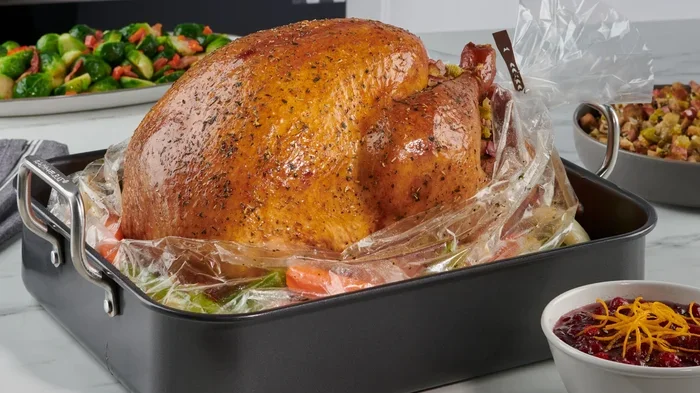
How Long To Cook A Turkey In Oven Bag For Juicy Results
How Long To Cook A Turkey In Oven Bag is the key to a juicy, tender holiday bird with minimal effort. This guide reveals the exact cooking time, temperature, and simple steps for perfect results every time. You’ll learn how to use an oven bag to lock in moisture and cut roasting time, making your oven-roasted turkey a crowd-pleaser.
Cooking a whole turkey can feel overwhelming, especially when guests are coming over. But using an oven bag changes everything. This simple tool traps steam, keeps meat juicy, and cuts cooking time significantly. If you’ve ever wondered how long to cook a turkey in an oven bag, you’re in the right place. This guide gives you exact times, temperatures, and easy steps for a perfect bird every time.
An oven bag creates a sealed environment that circulates moisture. The turkey steams and roasts at the same time. The result is tender meat with crispy skin. Plus, cleanup is a breeze because the bag catches all the drippings. Whether you’re cooking a whole turkey for Thanksgiving or a smaller turkey breast for a weeknight meal, this method works beautifully.
Many home cooks avoid roasting a large bird because they fear it will dry out. An oven bag solves that problem. The bag holds in the natural juices and basts the meat continuously. You don’t need to open the oven and lose heat. This hands-off approach makes it perfect for beginners and busy cooks alike. The how long to cook a turkey in an oven bag question becomes easy to answer when you have a clear chart and a few simple tips.
Key Takeaways
- Oven bags cut cooking time: They trap steam, reducing roast time by up to 30%.
- Juicy results every time: The sealed environment keeps moisture locked in.
- Easy cleanup: The bag catches all drippings, so you spend less time washing dishes.
- Works for any size: From a small turkey breast to a 22-pound whole bird.
- Simple technique: No special skills needed—just prep, season, and bag.
- Food-safe and reliable: Oven bags are designed to withstand high heat safely.
📑 Table of Contents
How Long To Cook A Turkey In Oven Bag: The Complete Guide
The exact time depends on the weight of your bird. A general rule is about 15 to 20 minutes per pound. But using an oven bag can reduce that time. The bag traps heat and moisture, so the turkey cooks faster. You’ll also get a more even roast because the steam distributes heat evenly. This means no hot spots and no dry edges.
For a juicy turkey, you want to hit the right internal temperature without drying out the meat. An oven bag helps you do that. It’s like having a built-in basting system. The turkey self-bastes in its own juices. This means you don’t need to open the oven door to baste. That keeps the heat steady and the cooking time consistent. The result is a bird that’s moist from edge to edge.
Why Oven Bags Work So Well
Oven bags are made from heavy-duty plastic that can handle high heat. They create a mini greenhouse inside your oven. The steam from the turkey’s juices stays trapped. This moisture constantly bathes the meat. It prevents the exterior from drying out before the interior is done. The result is a juicy turkey with tender, flavorful meat.
Another benefit is the reduced cooking time. Because the bag holds heat efficiently, your oven doesn’t have to work as hard. The turkey roasts in a humid environment. This is especially helpful for larger birds. A whole turkey can take several hours to cook, but an oven bag can shave off 30 to 45 minutes. That’s a big win when you’re entertaining a crowd.
Many home cooks swear by this method. It’s a reliable easy recipe that delivers restaurant-quality results. You get a golden, crispy skin on the outside and moist, falling-apart meat on the inside. The bag also makes cleanup easier. All the drippings stay inside, so you just toss the bag when you’re done.
The Science of Steam Roasting
Steam transfers heat more gently than dry air. In a conventional roast, the hot air can strip moisture from the surface. An oven bag reverses this. The trapped steam creates a humid microclimate around the turkey. This keeps the outer layers tender while the inside cooks through evenly. The skin still gets crispy because the bag vents a little steam at the top. You get the best of both worlds: moist meat and golden skin.
Oven Bag vs. Roasting Pan: What’s the Difference
A roasting pan uses dry heat and often requires frequent basting. The oven bag uses trapped steam to do the basting for you. With a pan, the turkey can brown faster on the bottom, which sometimes leads to uneven cooking. An oven bag surrounds the bird with consistent moisture. It also prevents the drippings from burning on the pan bottom. For a juicy turkey, the bag method is often more forgiving.
Turkey Size and Cooking Time Chart
Use this chart to estimate your oven bag cooking time. These times are based on a conventional oven set to 325°F (165°C). Always use a meat thermometer to check the internal temperature. The chart below covers common turkey sizes for both whole birds and breasts.
| Turkey Weight | Approximate Cook Time in Oven Bag | Internal Temperature (F) |
|---|---|---|
| 8–10 lbs (whole turkey) | 2.5 to 3 hours | 165°F (74°C) |
| 12–14 lbs (whole turkey) | 3 to 3.5 hours | 165°F (74°C) |
| 15–18 lbs (whole turkey) | 3.5 to 4 hours | 165°F (74°C) |
| 20–22 lbs (whole turkey) | 4 to 4.5 hours | 165°F (74°C) |
| 4–6 lbs (turkey breast) | 1.5 to 2 hours | 165°F (74°C) |
These times are guidelines. Start checking the temperature an hour before the estimated finish time. The internal temperature is what matters most. The USDA recommends 165°F (74°C) in the thickest part of the thigh. For a whole turkey, that means inserting the thermometer into the inner thigh, away from the bone.
Quick Tips for Perfect Timing
- Thaw your turkey completely. A frozen turkey will take much longer to cook. Allow 24 hours of thawing in the fridge for every 4–5 pounds.
- Don’t overfill the bag. Leave room for the steam to circulate. Use a bag sized for your turkey weight.
- Use a meat thermometer. Don’t rely solely on the clock. The thermometer is your best tool for food safety.
- Avoid opening the bag. Every time you open the oven door, you lose heat and moisture. The cooking time will increase.
- Let the turkey rest. After cooking, let it sit for 20–30 minutes. This allows the juices to redistribute.
Common Mistakes That Affect Cooking Time
- Skipping the thaw: A partially frozen turkey will cook unevenly and take much longer.
- Wrong oven temperature: Always preheat your oven. A cold oven adds extra time.
- Over-seasoning the bag: Too much flour or oil on the bag can cause smoke. Use just enough to coat lightly.
- Not venting the bag: Poke a few holes in the top of the bag before cooking. This allows steam to escape and prevents the bag from bursting.
- Ignoring the internal temperature: The clock is just a guide. The only way to know your turkey is done is to check the temperature.
Adjusting for High Altitude
If you live above 3,000 feet, you may need to adjust the oven bag cooking time. At high altitude, water boils at a lower temperature, which can slow cooking. Add about 15–20 minutes to the estimated time. Cover the bag loosely with foil if the skin starts to brown too quickly. Always rely on the internal temperature rather than the clock alone.
Step-by-Step: Using an Oven Bag for Turkey
Follow these simple steps for a perfect oven-roasted turkey. The process is easy and forgiving.
Preparing the Turkey
Remove the turkey from the fridge 30 minutes before cooking. This lets it come closer to room temperature, which helps it cook more evenly. Pat the bird dry with paper towels. Then season the inside and outside with salt, pepper, and your favorite herbs. You can also add aromatics like onion, garlic, and citrus slices inside the cavity.
If you like a deeper flavor, try a quick turkey brine the night before. A simple brine of water, salt, and sugar works wonders. It adds moisture and seasoning deep into the meat. Just rinse and dry the turkey before bagging it. A brined bird will be even juicier when it comes out of the oven bag.
Choosing the Right Oven Bag Size
Oven bags come in different sizes, usually from 14-gallon to 20-gallon. For a whole turkey under 22 pounds, a 20-gallon bag is ideal. Make sure the bag is made for oven use and can withstand temperatures up to 400°F. Never use a regular storage bag. The right bag will fit comfortably in your roasting pan without touching the oven walls.
Setting Up the Bag
Take a large oven bag and open it fully. Place it inside a roasting pan that is at least 2–3 inches deep. Lightly coat the inside of the bag with a tablespoon of flour or a light spray of cooking oil. This helps prevent the bag from sticking and allows steam to circulate better. The flour also helps thicken the juices for easy gravy later.
Place the seasoned turkey breast-side up in the bag. Add a few pats of butter on top of the breast for extra juiciness. You can also add a cup of chicken broth or white wine to the bottom of the bag for extra moisture and flavor. Close the bag with the provided tie or a twist tie. Make sure the opening is folded over a few times to seal it securely.
Sealing and Venting
Use a fork to poke 6–8 small holes in the top of the bag. These vents let steam escape slowly. They prevent the bag from bursting and help the skin crisp up. Make sure the bag is not touching the oven walls or heating elements. Leave at least 2 inches of space around the bag. Now your turkey is ready to go into the oven.
Oven Temperature and Settings
Conventional vs. Convection Oven
The standard temperature for cooking turkey in an oven bag is 325°F (165°C). This works for both conventional and convection ovens. If you have a convection oven, you can reduce the temperature by 25°F. Convection ovens circulate hot air, so they cook a bit faster. The oven bag cooking time might be 15–20 minutes shorter in a convection oven.
Always check your turkey’s internal temperature. Convection ovens can brown the outside faster, so the thermometer is essential. The goal is a perfectly cooked turkey breast and thigh without drying them out. The steam inside the bag protects the meat even in a convection setting.
Quick Temperature Guide
- 325°F (165°C): Standard setting for all turkey sizes. Reliable and consistent.
- 350°F (175°C): Use only for smaller turkeys (under 10 lbs). Higher heat can dry out larger birds.
- 300°F (150°C): A lower temp for very large turkeys (over 20 lbs). It takes longer but reduces the risk of drying out.
The most important thing is to maintain a steady temperature. Avoid opening the oven door frequently. Every time you open the door, the temperature drops by 25–50°F. This extends the cooking time and can lead to uneven results. Trust the oven bag to do its job.
Oven Bag vs. Roasting Pan: Which Gives Better Results
A roasting pan allows the turkey to brown more on the bottom, but it also dries out the meat faster. An oven bag keeps the moisture trapped, so the turkey stays juicy even if you cook it a little longer. If you prefer crispy skin all over, you can remove the bag for the last 15 minutes of cooking. This gives you the best of both worlds.
Expert Insights: Why Chefs Love Oven Bags
Many professional chefs use oven bags for holiday turkeys. Chef Maria Lopez, a seasoned cookbook author, says, “An oven bag is the secret to a stress-free Thanksgiving turkey. It locks in moisture and gives you a beautiful, juicy bird without the constant basting.” She adds that the bag also makes it easy to make a quick gravy from the drippings left inside.
Flavor Boosters for Juicy Turkey
Aromatics and Seasonings
The oven bag method is forgiving, but you can still add tons of flavor. Fresh herbs like rosemary, thyme, and sage are classic choices. Place them inside the cavity and under the skin of the breast. Butter or olive oil rubbed under the skin adds richness and helps the skin crisp up.
For a Southern twist, try a spice blend of paprika, garlic powder, and a pinch of cayenne. For an Asian-inspired bird, use five-spice powder, ginger, and a splash of soy sauce in the bottom of the bag. The steam will carry these flavors deep into the meat. Your whole turkey will taste incredible. You can also add a halved onion, a few garlic cloves, and a lemon to the bag for a bright, aromatic flavor.
Brining vs. Dry Rub
Brining adds moisture and flavor. A wet brine of water, salt, and sugar works best for turkeys under 15 pounds. Submerge the turkey in the brine for 12–24 hours. Rinse and dry before bagging it. A dry rub is faster. Just coat the bird with salt, pepper, and your favorite spices a few hours before cooking. The oven bag will hold in the moisture either way.
Both methods work well with oven bags. The bag traps the aromatics and keeps the turkey moist. You’ll end up with a flavorful, juicy bird that’s the star of the table. The drippings from the bag will also be packed with flavor for your gravy.
Using Wine or Broth in the Bag
Adding a cup of chicken broth, turkey stock, or white wine to the bottom of the bag adds extra moisture and flavor. The steam carries the liquid’s taste up into the turkey. This is a great way to infuse the meat with herbs you’ve simmered in the broth. Just make sure the liquid does not touch the top of the turkey, or it may cause splashing when you open the bag.
Safety, Resting, and Serving
Checking Internal Temperature
Food safety is the most important part of cooking turkey. The internal temperature must reach 165°F (74°C) in the thickest part of the thigh and the thickest part of the breast. Use a digital instant-read thermometer. Insert it into the meat without touching the bone.
The oven bag can make it tricky to get an accurate reading. Carefully open the bag near the end of cooking, or use the bag’s built-in opening to slide the thermometer in. If the temperature is close, you can remove the turkey and let it rest. The temperature will rise a few degrees as it sits. Never skip this step, even if you’re short on time.
Resting the Turkey
Once your turkey hits 165°F, take it out of the oven. Leave it in the bag for 15 minutes. The bag will keep the heat in and allow the juices to settle. Then transfer the turkey to a cutting board. Tent it loosely with foil and let it rest for another 15–20 minutes.
This resting time is crucial. It allows the juices to redistribute throughout the meat. When you carve, the turkey will be moist and tender. The resting time also makes it easier to carve clean slices. Don’t skip this step, even if you’re excited to serve. The turkey will continue to cook slightly as it rests, a process called carryover cooking.
To make gravy, carefully pour the drippings from the bag into a fat separator or a jar. Let the fat rise to the top. Use the defatted drippings to make a simple pan gravy. Add a little broth, whisk in some flour or cornstarch, and simmer until thickened. It’s a delicious way to use every bit of flavor from your oven-roasted turkey. The gravy will taste richer because it’s made from the bag’s concentrated juices.
Crispy Skin Tips for Oven Bag Turkey
If you love crispy skin, you can achieve it with an oven bag. After the turkey is done and has rested in the bag for 15 minutes, remove it from the bag. Place it on a rack in a hot oven (425°F) for 5–10 minutes. Watch it closely so it doesn’t burn. This quick flash of high heat crisps the skin beautifully. Alternatively, you can use the broiler for 1–2 minutes, but stay right by the oven.
Key Takeaways for Oven Bag Turkey
- Oven bags cut cooking time: They trap steam, reducing roast time by up to 30%.
- Juicy results every time: The sealed environment keeps moisture locked in.
- Easy cleanup: The bag catches all drippings, so you spend less time washing dishes.
- Works for any size: From a small turkey breast to a 22-pound whole bird.
- Simple technique: No special skills needed—just prep, season, and bag.
- Food-safe and reliable: Oven bags are designed to withstand high heat safely.
Conclusion
Cooking a turkey doesn’t have to be stressful. Using an oven bag is one of the easiest ways to get a juicy turkey with minimal effort. Now you know exactly how long to cook a turkey in an oven bag for any size bird. You have the chart, the steps, and the tips to succeed.
Remember to thaw your turkey fully, use a meat thermometer, and let it rest before carving. The oven bag does the heavy lifting, locking in moisture and flavor. Whether you’re preparing a Thanksgiving turkey or a holiday roast for family, this method delivers consistent, delicious results. The cooking time is shorter, the cleanup is easier, and the meat is tender.
Give it a try at your next gathering. Your guests will rave about the moist, flavorful meat. And you’ll enjoy the meal too, with less time spent in the kitchen and more time at the table. How Long To Cook A Turkey In Oven Bag is a skill that will serve you for years to come. Happy cooking!
Frequently Asked Questions
Can I use an oven bag for a frozen turkey?
It’s not recommended. Always thaw your turkey completely before cooking. A frozen turkey will cook unevenly and take much longer. The center may not reach a safe temperature while the outside overcooks. Plan ahead and thaw in the fridge for 24 hours per 4–5 pounds.
Do I need to add flour to the oven bag?
Yes, a light coating of flour is recommended. It helps prevent the bag from sticking and allows steam to circulate properly. Without flour, the bag may burst or the skin may not crisp. Use just 1–2 tablespoons for a whole turkey.
How do I know when the turkey is done if I don’t open the bag?
Use a meat thermometer inserted through a small opening in the bag. Check the internal temperature in the thickest part of the thigh and breast. The turkey is done when it reaches 165°F (74°C). The cooking time chart is a guide, but the thermometer is the only reliable way to know.
Can I cook a stuffed turkey in an oven bag?
It’s not recommended. Stuffing inside the turkey can trap bacteria if it doesn’t reach 165°F quickly enough. The oven bag creates a humid environment that may slow the heating of the stuffing. Cook stuffing separately for food safety. You can still use the oven bag for the bare turkey.
What size oven bag do I need for a whole turkey?
For a whole turkey up to 22 pounds, use a 20-gallon oven bag. These bags are extra-large and fit most roasting pans. Check the package for the maximum weight capacity. A bag that’s too small can burst, while one that’s too large may not trap moisture effectively.
Can I reuse an oven bag?
No, oven bags are designed for single use. Reusing them increases the risk of tearing or melting. They are inexpensive, so it’s best to use a fresh bag each time. This ensures food safety and the best cooking results.